Which city fits you?
Answer 3 quick questions and see the Thailand city guide worth researching first.
Try it free →The complete starting point for Chachoengsao ("Paet Riu") — an Eastern Economic Corridor province on the Bang Pakong River east of Bangkok — with an overview, where to live, transport, heritage and relocation.
Chachoengsao — universally nicknamed "Paet Riu" — is an Eastern Economic Corridor (EEC) province on the Bang Pakong River, close enough to Bangkok (~80km east) to be a genuine commuter province, yet industrial and self-standing in its own right. It is best known nationwide for Wat Sothon Wararam Worawihan and its revered Luang Pho Sothon Buddha image, which draws pilgrims year-round. But it is also a working province: one of three EEC provinces alongside Chonburi and Rayong, with the Gateway City and Wellgrow industrial estates, a major Eastern-Line railway junction, a fast motorway link to Bangkok and Suvarnabhumi, and a real rental market driven by factory staff and Bangkok commuters. Away from the city, its upriver districts — Bang Khla, Bang Nam Priao — are quiet, mango-orchard riverside country famous for fireflies and floating markets. For relocators it offers something unusual: EEC-grade infrastructure and Bangkok access without Bangkok prices.
 Photo: Quang Nguyen Vinh / Pexels
Chachoengsao's living options split into four broad choices. Mueang Chachoengsao and the Bang Pakong riverfront is the most walkable and amenity-dense — Wat Sothon, the railway junction, Robinson, the Old Market and the main hospital are all within a short radius. The Plaeng Yao and EEC industrial belt east of the city holds the province's deepest rental demand, in worker and staff apartments around the estates. Bang Pakong and Ban Pho, the Bangkok-facing western districts on Motorway 7, are commuter-house territory near Suvarnabhumi. And the upriver rural districts around Bang Khla and Bang Nam Priao offer a quiet, orchard-and-riverside family setting. The full where-to-live guide compares all four.
 Photo: Valeria Drozdova / Pexels
Chachoengsao is one of the best-connected provinces east of Bangkok. Chachoengsao Junction is a major node on the State Railway's Eastern Line, where the line splits toward Prachinburi and the Aranyaprathet (Cambodia) border in one direction and toward Chonburi, Laem Chabang and the eastern seaboard in the other — with commuter and intercity trains to Bangkok. By road, Motorway 7 (the Bangkok–Chonburi motorway) and Highways 314 and 304 make it a fast drive to Bangkok, Suvarnabhumi Airport and Korat. There is no airport in the province, but Suvarnabhumi is close on the western side and U-Tapao serves the EEC to the south. Locally there is no BTS or MRT — residents rely on cars, motorbikes, songthaews and the train, so a vehicle is the practical default outside the walkable city core.
 Photo: Quang Nguyen Vinh / Pexels
Chachoengsao's spiritual heart is Wat Sothon Wararam Worawihan on the Bang Pakong River, home to Luang Pho Sothon — a Buddha image so revered that the temple is one of the busiest pilgrimage sites in eastern Thailand. The province's more recent draw is the giant pink Ganesha at Wat Saman Rattanaram in Bang Khla, one of the most photographed religious statues in the country, alongside the fruit-bat temple Wat Pho Bang Khla. Riverside heritage runs deep too: the century-old Talat Ban Mai (Old Market) in the city and the Khlong Suan 100-Year Market on the Samut Prakan border preserve old Thai-Chinese shophouse trading life. Add the Bang Pakong's seasonal firefly tours and its rare estuary dolphins, and Chachoengsao rewards far more than a day trip.
 Photo: Pixabay / Pexels
Chachoengsao suits people who want Bangkok and EEC access without Bangkok density — commuters, professionals working in or supplying the industrial estates, and long-stayers who like an authentically Thai river province over a resort or expat enclave. The standard Thai long-stay visa routes apply (retirement, marriage, DTV, education and LTR), and there is no international border crossing in the province, though the Eastern Line runs on toward the Cambodian border at Aranyaprathet. Visa extensions, 90-day reporting and re-entry permits route through the Chachoengsao Immigration Office. The rental market is real and driven by two engines — the industrial estates and Bangkok commuting — rather than tourism, so it is locally run and practical. For day-to-day detail, see the guides below.
 Photo: Marta Branco / Pexels
Chachoengsao is inexpensive by any national measure — a working provincial and industrial economy rather than a tourist or expat-premium market keeps everyday food, rooms and transport competitively priced, well below Bangkok. Community-contributed cost data for the province is genuinely thin, so our cost-of-living guide is explicit about which figures are Chachoengsao-specific and which are indicative regional benchmarks, rather than inventing precise numbers. With no mass transit, a motorbike or car is a real budget line for anyone living outside the walkable city core or commuting to Bangkok or the estates.
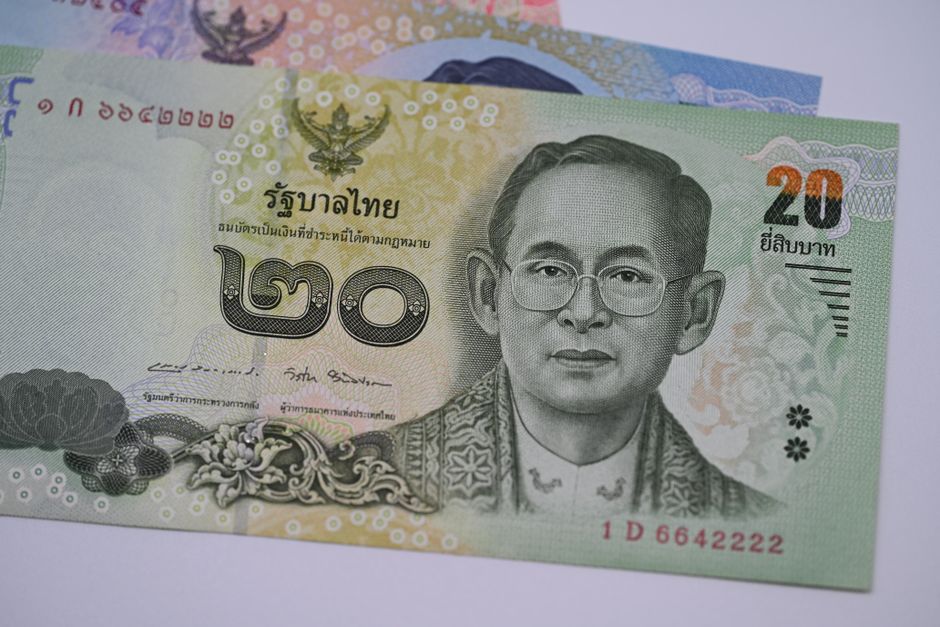 Photo: Qing Luo / Pexels
Chachoengsao's public healthcare anchor is Buddhasothorn Hospital at 174 Maruphong Road in Mueang Chachoengsao — classified by the Ministry of Public Health as a regional hospital, a tier above a provincial general hospital, and a teaching site running a CPIRD medical education centre for Thammasat University's Faculty of Medicine since 2007. Behind it sit district hospitals across the eleven districts and three private hospitals: Chularat 11 at Bang Wua in Bang Pakong, Ruamphat Chachoengsao at Bang Tin Pet and Kasemrad Chachoengsao in the town — three hospitals under two operators, since Chularat 11 and Ruamphat both belong to Chularat Hospital PCL. Central Bangkok's flagship international hospitals are roughly 1–1.5 hours away and the EEC's larger private hospitals in Chonburi and Sriracha an hour or so south, so residents are rarely far from serious care — a genuine plus for retirees weighing the province.
 Photo: RDNE Stock project / Pexels
Chachoengsao's main higher-education institution is Rajabhat Rajanagarindra University, tracing its origin to 1940 and running a city campus on Marupong Road plus a second campus at Bang Khla. Around it sit real, named schools — Benchamaratrungsarit and Ben 2, the girls' school Dat Daruni (opened 1915), the Catholic Saint Louis School, the three-language Sujipuli School at Ban Pho — and the province's genuine specialism, automotive and industrial training, anchored by the Toyota Automotive Technological College, in Chachoengsao since 1995. Be clear on the one fact that decides a family's move: the province has no international school at all. Two independent censuses return zero, and the nearest full international schools are in Chonburi (the International School of the Eastern Seaboard at Bo Win) and in the Bangna-Trad belt of Samut Prakan. The schools guide names every option and both commutes.
 Photo: Tima Miroshnichenko / Pexels
Chachoengsao has a real, if modest, condominium and apartment market — driven not by tourism but by the industrial estates and Bangkok commuting, with the deepest supply in worker and staff apartments around Plaeng Yao and a growing set of condos and apartments in Mueang near the station, mall and hospital. Rather than publish a building directory with unverified developers, years, floor counts or coordinates, BAANLYY populates its Chachoengsao building records only as each one is verified, and the condos overview is honest about what is confirmed versus still being catalogued.
 Photo: Pixabay / Pexels
Chachoengsao's foreign presence is small and industrial rather than a retiree or tourist scene, and it has addresses: Toyota assembles cars at two plants in this province — Gateway at Hua Samrong, Plaeng Yao and Ban Pho at Lat Khwang — alongside the Wellgrow, Gateway City and Blue Tech City industrial estates, so the residents are engineers, technical staff and supplier managers, with a real Japanese element. A second cohort most guides miss is English teachers in the government secondary schools. The province runs its own immigration office at Bang Kaeo for 90-day reporting and extensions. But the Japanese community infrastructure is not here: the nearest Japanese-curriculum school is in Sriracha, about an hour south, which is where the larger organised EEC expatriate community sits.
Editorial analysis compiled and periodically refreshed by BAANLYY’s research team — not a live data feed.
Analysis last reviewed August 2026.
The core Chachoengsao relocation guides are below, with more being added. In the meantime, see the general Thailand visa and relocation guides too.
Where to live in Chachoengsao →
Chachoengsao neighbourhood & areas guide →
Chachoengsao Area Score — every area ranked & rated →
Cost of living in Chachoengsao →
Condos & housing in Chachoengsao →
Schools & universities in Chachoengsao →
See our Thailand visa guides, then talk to us about relocating.
Primary and official sources are cited above. Government rules, fees and procedures in Thailand change over time and vary by office; always confirm current requirements with the relevant authority before relying on them. BAANLYY never takes paid placement in editorial content.
General information and indicative pricing, not legal, tax, immigration or financial advice. Hero photograph via Pexels. Confirm current details — especially train schedules, which change — with official sources, individual listings or licensed professionals.

Free tools for this
Answer 3 quick questions and see the Thailand city guide worth researching first.
Try it free →Build a realistic monthly budget by lifestyle tier.
Try it free →