Which city fits you?
Answer 3 quick questions and see the Thailand city guide worth researching first.
Try it free →The complete starting point for companies and professionals relocating to Chonburi province — Sriracha's Japanese and international manufacturing community, the Laem Chabang port, the Amata Nakorn industrial estate and Chonburi City, corporate housing, getting around, cost of living and relocation. Distinct from beach-tourism Pattaya, just down the coast.
Tap a pin to start from there and see walking or driving reach, or open that area’s guide.
Chonburi's industrial core splits into four distinct areas, each tied to a different part of the EEC economy — from Sriracha's corporate expat community to the port at Laem Chabang, the factories of Amata Nakorn and the provincial capital itself.
Home to Thailand's largest concentration of Japanese residents outside Bangkok, drawn by the surrounding industrial estates and automotive plants. Expect Japanese supermarkets and restaurants, a dedicated Japanese school, Bangkok Hospital Sriracha, and a settled corporate-expat rental market of serviced apartments and condos aimed squarely at relocating professionals rather than tourists.
Thailand's principal deep-sea port and one of the busiest container ports in the world, paired with a major industrial estate of its own. The area runs on shift work, logistics and marine services rather than leisure — housing here skews toward functional, well-connected corporate accommodation for port, freight and manufacturing staff.
One of Thailand's largest industrial estates, with hundreds of automotive, electronics and manufacturing plants and a large multinational workforce. Housing demand here is almost entirely corporate — company-arranged apartments and serviced residences for relocating managers, engineers and technical staff, typically a short commute from the estate gates.
Mueang Chonburi, the seat of provincial government, is the more authentically Thai, less touristy side of the province — government offices, local markets, Bang Saen's beach promenade and Burapha University. It suits those who want a genuine Thai city base within easy reach of the industrial estates, without Pattaya's nightlife and tourist crowds.
Chonburi is the anchor province of Thailand's Eastern Economic Corridor (EEC) — the government's flagship push to build an advanced manufacturing and logistics belt along the eastern seaboard. It is best understood as a working province, not a resort: Sriracha's Japanese and international corporate community, the Laem Chabang deep-sea port, and the Amata Nakorn industrial estate drive an economy built on automotive, electronics and logistics investment, with steady demand for corporate housing and relocation support. Pattaya sits within Chonburi province too, but the beach-tourism city and the province's industrial core serve entirely different residents and are treated separately here.
 Photo: Anton Stepanov / Pexels
Chonburi has no BTS or MRT — most residents and staff move by company shuttle, private car or motorbike, with Grab and Bolt widely available in Sriracha and Chonburi City. The province sits on the main eastern motorway network, putting Bangkok and Suvarnabhumi Airport roughly 60–90 minutes away by road, with U-Tapao International Airport about 45–60 minutes south near Pattaya serving as the nearest regional airport. The province is also on the SRT Eastern Line, with working stations at Chon Buri, Bang Phra, Si Racha Junction, Pattaya and on south to Chuk Samet — an intercity railway of roughly one train each way per day, not a commuter network, and there is no BTS, MRT or urban metro. The much-discussed Bangkok–U-Tapao high-speed link has never broken ground: the concession was signed in October 2019, no notice to proceed was ever issued, and the concessionaire formally asked to terminate in July 2026, reaffirming that on 27 August 2026 with no decision announced since.
 Photo: Tony Wu / Pexels
Chonburi's rental market is driven by companies, not tourists — relocating executives, engineers and technical staff assigned to plants in Sriracha, Laem Chabang and Amata Nakorn need housing arranged quickly, close to the workplace, and often before they've even seen the property in person. BAANLYY works with employers and HR/relocation teams to source serviced apartments and condos near the estates, handle applications and lease paperwork, and manage the property on an ongoing basis — the same white-glove service we provide across our managed inventory, built around the realities of corporate relocation rather than a walk-in rental market.
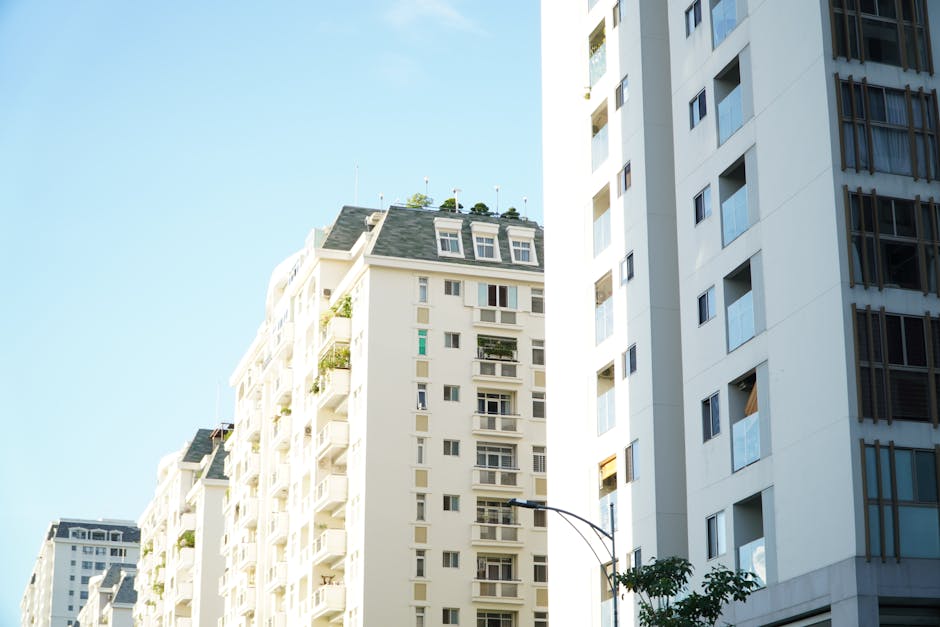 Photo: Sơn Nguyễn / Pexels
Rents in Chonburi trade well below Bangkok and are broadly in line with or slightly below Pattaya, with the corporate-facing stock in Sriracha and near Amata Nakorn commanding a premium for location, security and finish. A comfortable single-professional budget runs roughly 35,000–55,000 THB a month including a furnished one- or two-bedroom apartment; company-arranged housing for relocating managers is typically negotiated directly with landlords or through a managing agent rather than found on the open market.
 Photo: Max Vakhtbovych / Pexels
Sriracha is well served by Bangkok Hospital Sriracha, an international-standard private facility with English- and Japanese-speaking staff reflecting the local expat community, alongside Samitivej Chonburi and other private hospitals across the province. For the most complex or specialist cases, Bangkok's flagship hospitals are under two hours away by road. Comprehensive private health insurance is standard for relocating employees and is required for several long-stay visa categories.
 Photo: Pixabay / Pexels
Sriracha hosts a dedicated Japanese School serving the district's large Japanese community, alongside a smaller field of international and bilingual schools across the province compared with Bangkok. Families relocating for longer assignments often weigh school catchment against commute to the industrial estates carefully, and some choose to base further toward Bangkok or Pattaya where the international-school field is deeper.
Chonburi schools guide — Sriracha, Amata Nakorn & EEC families →
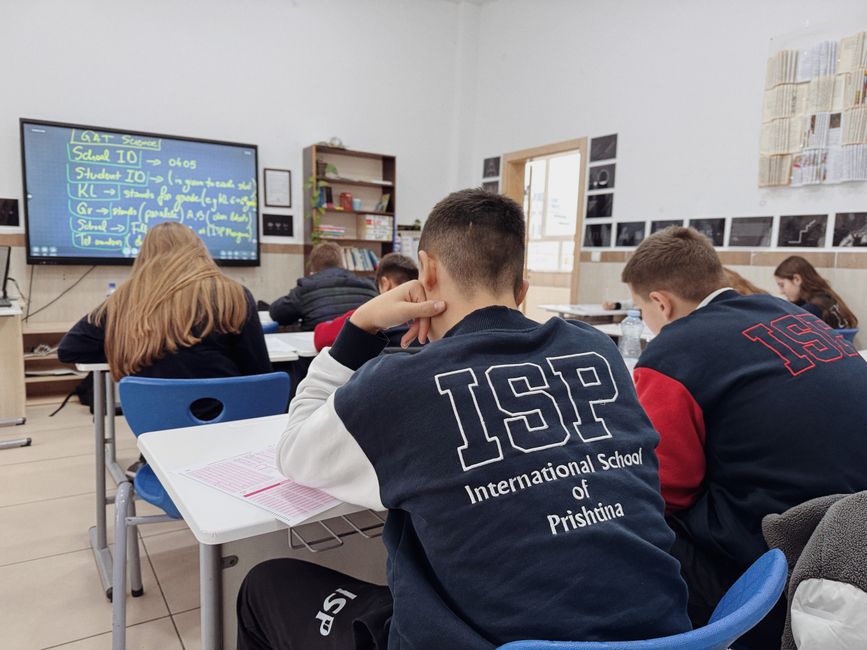 Photo: This And No Internet 25 / Pexels
Daily life in Chonburi's corporate districts is understated and practical — Japanese and Thai restaurants, supermarkets and malls in Sriracha, the Bang Saen beach promenade and university-town feel of Chonburi City, and easy weekend access to Pattaya's beaches and nightlife just down the coast for those who want it without living in the middle of it. It's a working province first, with the leisure options of the wider Eastern Seaboard close at hand.
 Photo: Thilina Alagiyawanna / Pexels
Most people arrive in Chonburi through an employer — a manufacturing, automotive or logistics assignment in Sriracha, Laem Chabang or Amata Nakorn — rather than choosing the province independently. That makes visa sponsorship, work permits and housing arrangements largely employer-led, with HR and relocation teams typically handling the paperwork alongside a local partner. Our relocation guides and corporate housing service cover the practical steps for both employers and relocating staff.
 Photo: cottonbro studio / Pexels
Chonburi's industrial core has a very different safety profile from beach-tourism Pattaya just down the coast — violent crime against foreigners is rare, and the real everyday risk is highway and motorbike traffic around Sriracha, Laem Chabang and Amata Nakorn, plus basic industrial-site awareness for anyone working near a factory floor or port facility.
 Photo: Windo Nugroho / Pexels
Most Chonburi relocations run on employer-sponsored work permits and Non-Immigrant B visas tied to a manufacturing or logistics role, alongside the LTR visa for qualifying executives and specialists. The DTV, retirement and marriage visa categories also apply as they do nationwide. Chonburi's immigration office handles 90-day reporting and extensions locally, avoiding a trip to Bangkok for routine paperwork.
 Photo: Jakub Zerdzicki / Pexels
Save these before you need them: 191 police, 1669 ambulance, 199 fire, and 1155 for the English-speaking Tourist Police. Chonburi Hospital (public) and Bangkok Hospital Chonburi / Samitivej Chonburi (private) cover the area's emergency care.
 Photo: RDNE Stock project / Pexels
Chonburi's dining reflects its industrial and international mix: Sriracha has a genuinely large Japanese restaurant scene serving the area's corporate community, Bang Saen's beachfront is lined with fresh Gulf seafood, and Chonburi City's night market covers everyday Thai street food at local prices. Around Laem Chabang port and the Amata Nakorn industrial estate, dining leans toward quick, affordable meals geared at shift-working staff rather than tourist-paced dinners. Delivery apps cover most of the urban corridor.
 Photo: King Ho / Pexels
Beyond the industrial core, Chonburi has real weekend options: Bang Saen's beach and promenade, the Ko Loi island temple in Sriracha, Ang Sila's fishing village and Shell Museum, the Khao Sam Muk monkey-hill viewpoint, the Ayutthaya-era murals at Wat Yai Intharam, and golf or a lakeside break at Bang Phra reservoir. It is a practical province for family day trips rather than a resort destination, which suits relocating staff and EEC families looking for an easy afternoon out rather than a full holiday itinerary.
 Photo: Mohammad Redowan / Pexels
J-Park in Sriracha is the area's Japanese-friendly lifestyle mall, reflecting the large Japanese corporate community based there, while Harbor Mall serves those working around Laem Chabang port and Robinson Sriracha covers everyday department-store shopping. Bang Saen's night market is the place for cheap seafood and street food, and fresh markets across the province are the standard for produce. Furniture and imported groceries for a new rental are easiest to find around Sriracha and the malls near the industrial estates.
 Photo: Maria Merlin / Pexels
Foreigner-friendly bank branches cluster around Sriracha, Laem Chabang port and the Amata Nakorn industrial estate, and opening an account is generally smoothest with a work permit and employer letter -- many EEC relocations come with employer-sponsored account setup as part of onboarding. Requirements shift by visa type (work permit, DTV, LTR or retirement), so confirm the exact document list with the branch first. Digital banking and PromptPay are standard, with modest fees on international transfers and ATM withdrawals.
 Photo: Anna Tarazevich / Pexels
Home fibre from AIS Fibre, True Online, 3BB and NT reaches Sriracha, Laem Chabang, Amata Nakorn and Chonburi City at typical Thai broadband pricing, and coworking spaces and serviced offices around the industrial estates offer business-grade connectivity for corporate relocations. AIS, True and dtac all sell prepaid and postpaid SIMs plus eSIMs, with coverage strongest along the urban and industrial corridor and patchier toward rural pockets of the province. SIMs and top-ups are sold at convenience stores and phone shops throughout the area.
 Photo: Ketut Subiyanto / Pexels
Chonburi's expat scene is built differently from a beach destination: Sriracha has a large, well-established Japanese community centred on J-Park Nihon Mura and the Japanese School, alongside EEC employer and Facebook groups for staff based at Laem Chabang and Amata Nakorn, Rotary and faith networks, and golf societies. It is a working, corporate-relocation community rather than a retiree or digital-nomad scene, and noticeably more understated than neighbouring Pattaya -- most newcomers plug in through their employer or their children's school rather than a bar or beach-club circuit.
 Photo: Liliana Drew / Pexels
Relocating families have nurseries, kindergartens, daycare and nannies covering ages roughly 0-5, with fees varying by tier and the widest bilingual/English-medium choice around Sriracha, reflecting the area's international corporate population. Enrolment generally needs the child's passport, vaccination record and a registration fee; it's worth checking staff-to-child ratios and English-language ability directly, and confirming how a nursery or kindergarten feeds into the province's international and Japanese schools before committing.
 Photo: Yan Krukau / Pexels
Chonburi's flood risk is shaped by its industrial geography as much as its weather: low-lying zones can flood while nearby higher ground stays dry, and both Laem Chabang port and the Amata Nakorn industrial estate maintain their own drainage systems to manage recurring flash-flood patterns. The wet-season peak runs roughly September through November. Renters and relocating staff should check a building's ground-floor and parking flood history before signing a lease, and confirm insurance covers flood damage specifically.
 Photo: Simon R. Minshall / Pexels
Renting a car, scooter or motorbike in Chonburi follows standard Thai rules -- an International Driving Permit alongside your home licence, a deposit, and insurance worth checking carefully -- with rental desks at both Suvarnabhumi and U-Tapao airports serving the province, and EEC corporate relocations sometimes including a vehicle as part of the package. Driving around Sriracha, Laem Chabang, Amata Nakorn and Bang Saen means sharing the road with heavy port and industrial-estate truck traffic, so extra caution and a well-maintained vehicle matter more here than in a purely residential area.
 Photo: Valeria Drozdova / Pexels
Chonburi's PWA/municipal mains water is treated to Thai standards but, as almost everywhere in the country, nobody drinks it straight from the tap. The norm is 18.9-litre bottled-water delivery, widely available and inexpensive around Sriracha, Laem Chabang and Chonburi City, plus refill stations for smaller bottles. A reverse-osmosis (RO) filter is a worthwhile one-time cost for a longer-term rental, and it's sensible to treat ice from unfamiliar vendors with the same caution as tap water.
 Photo: Alex Dos Santos / Pexels
Three areas cover most of what Chonburi's EEC corridor offers renters and relocating staff: Sriracha's corporate and Japanese-expat condo scene, the port and logistics housing around Laem Chabang, and the beachfront, university-town feel of Bang Saen. Our area guide compares rent, lifestyle and who each one suits.
 Photo: Haneul Trac / Pexels
Landing at Suvarnabhumi (BKK) or U-Tapao (UTP)? Our guide covers every way to reach Chonburi's industrial core -- company pickups, shared minivans, private transfers, taxis and Grab -- with real fares, journey times and drop-off tips for Sriracha, Laem Chabang, Amata Nakorn and Chonburi City.
 Photo: Chait Goli / Pexels
Chonburi is a Buddhist-majority province built around the Eastern Economic Corridor, with a genuinely international layer on top -- Sriracha's large Japanese manufacturing community brought Thailand's third Shinto shrine, alongside Catholic and Protestant churches and a smaller Muslim community. Our guide maps where to worship or connect by faith and district.
 Photo: Windo Nugroho / Pexels
From Sriracha's full-service animal hospitals to neighbourhood clinics near Amata Nakorn and Laem Chabang, our guide covers where to go for routine care and emergencies, what it costs in baht, and Thailand's rabies and vaccination rules.
 Photo: Tima Miroshnichenko / Pexels
Relocating employers and executives in Chonburi's Eastern Economic Corridor need a lawyer for reasons a beach-town rental market never sees -- BOI and EEC investment promotion, factory and logistics company setup, and work permits tied to a specific manufacturing role. Our guide covers what lawyers help with around Sriracha, Laem Chabang and Amata Nakorn and typical fees in baht.
 Photo: Pavel Danilyuk / Pexels
Electricity, water, internet, cooking gas and rubbish for your Chonburi home or corporate apartment -- our guide covers who the providers are, how bills and landlord markups really work, the province's genuinely reliable industrial-grade infrastructure, and who sets up and pays the bills when housing is arranged by an employer.
 Photo: Pixabay / Pexels
A Thai driving licence makes life easier for anyone settling into Sriracha, Laem Chabang or Amata Nakorn -- it's valid ID, required to legally ride a scooter, and spares you showing a foreign licence at checkpoints. Our guide covers converting your home licence versus testing from scratch, which Chonburi DLT office to use, and the documents and fees involved.
 Photo: Faheem Ahamad / Pexels
Chonburi's own cities aren't Pattaya, and our guide won't pretend they are -- the honest picture is Bang Saen's Friday-Saturday Walking Street night market, a few relaxed beachfront bars, Sriracha's Japanese izakaya scene, and Chonburi City's local pubs, with notes on where to go instead for a bigger night out.
 Photo: Kenneth Surillo / Pexels
Chonburi is home to Laem Chabang, Thailand's largest deep-sea container port -- meaning a shipment moving here may clear customs closer to its new home than almost anywhere else in the country. Our guide covers international shipping through Laem Chabang, local moves around Sriracha and Amata Nakorn, and industrial-estate relocation packages.
 Photo: Wolfgang Weiser / Pexels
Chonburi's coastal stretch around Bang Saen and Pattaya breathes fairly clean Gulf air most of the year, but Sriracha, Laem Chabang port and the Amata Nakorn and Bowin industrial estates carry a steady industrial and shipping emissions load on top of the regional Feb-Apr burning season. Our guide covers where to live for cleaner air and what to do about it.
 Photo: THX NiCk / Pexels
Somewhere safe for your things between leases, corporate housing assignments or industrial-estate relocations: our guide compares self-storage facilities near Sriracha and Amata Nakorn against mover-run warehouse storage, with unit sizes, climate control and realistic monthly THB rates.
 Photo: Altaf Shah / Pexels
Foreign residents and businesses dealing with visas, land and provincial administration in Chonburi work primarily with a handful of key offices across the province. Our guide covers each one's address, hours and official contact point.
 Photo: Markus Winkler / Pexels
No dedicated cooking school could be verified as physically based in Chonburi city itself -- most "Chonburi" cooking-class marketing actually refers to schools in Pattaya or Bang Lamung district, roughly 30-40 minutes away. Pattaya's well-established, independently reviewed cooking-class cluster is the nearest verified option.
 Photo: Los Muertos Crew / Pexels
GrabFood, LINE MAN and foodpanda cover Chonburi city's commercial core around Tesco Lotus and Sukhumvit Road, with coverage thinning toward the outskirts. Note this covers Chonburi city, the quieter provincial capital -- not Pattaya or Sriracha, which have their own separate, denser delivery coverage. Full breakdown of apps, grocery delivery, fees and coverage.
 Photo: Kampus Production / Pexels
Named optical shops at Central Plaza Chonburi (TOP Charoen Optical, Eye Class Optical, Tai Fah Karn Waen) and Robinson Lifestyle Chonburi, plus Samitivej Chonburi Hospital's Eye Center for medical eye care -- where to go and what it costs.
Editorial analysis compiled and periodically refreshed by BAANLYY’s research team — not a live data feed.
Analysis last reviewed July 2026.
Practical, in-depth guides to daily life in Chonburi.
Ready to compare neighborhoods? See our Chonburi areas guide for Sriracha, Laem Chabang and Bang Saen side by side, or see the full BAANLYY Chonburi Area Score ranking. Comparing the coast? See the Pattaya city hub for beach-tourism living just down the coast, start at the Thailand Hub for every city, or read our relocation guides and visa center.
Talk to our Concierge team about corporate housing near Sriracha, Laem Chabang or Amata Nakorn — sourced, leased and managed end-to-end.
Primary and official sources are cited above. Government rules, fees and procedures in Thailand change over time and vary by office; always confirm current requirements with the relevant authority before relying on them. BAANLYY never takes paid placement in editorial content.
General information and indicative pricing, not legal, tax, immigration or financial advice. Hero photograph via Pexels. Confirm current details with official sources, individual listings or licensed professionals.

Free tools for this
Answer 3 quick questions and see the Thailand city guide worth researching first.
Try it free →Build a realistic monthly budget by lifestyle tier.
Try it free →