Which city fits you?
Answer 3 quick questions and see the Thailand city guide worth researching first.
Try it free →The complete starting point for anyone moving to, renting in, buying in, or investing in Koh Samui — beaches and districts, getting around, villas and condos, pricing, healthcare, schools, lifestyle, investment, relocation and visas, each linking to a deeper guide.
Tap a pin to start from there and see walking or driving reach, or open that area’s guide.
Koh Samui is Thailand's second-largest island and the Gulf coast's premier lifestyle destination — a self-contained tropical island with its own international airport, international hospitals and schools, palm-fringed beaches and a deep pool of villas, resorts and condos. It draws remote workers, retirees, families and investors who want island living without giving up modern infrastructure: fast internet, year-round flights, a ring road that links every beach, and an established international community. The trade-offs are island prices on imported goods and a wetter October–December monsoon, but for most of the year it offers a relaxed, scenic, beach-front pace that mainland cities cannot match.
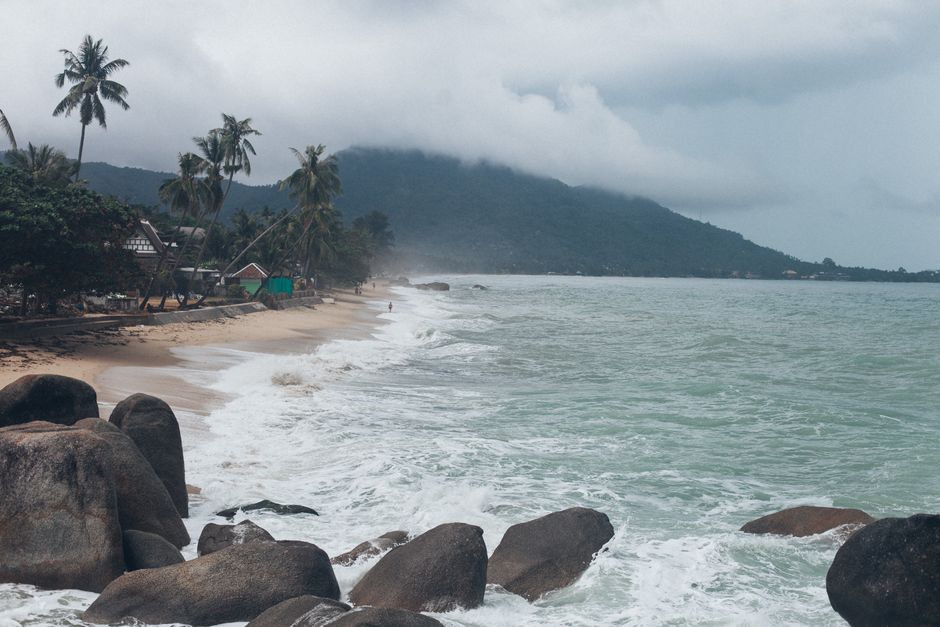 Photo: Elina Sazonova / Pexels
Samui is a ring island — a single coastal road connects every district, so location is about which beach and which pace suit you. The busy east coast holds Chaweng and Lamai; the boutique north coast runs through Bophut, Bang Rak, Maenam and the upscale Choeng Mon headland; and the quiet west coast around Lipa Noi, Taling Ngam and Nathon offers sunsets, space and the ferry ports. Use the grid below to find the part of the island that fits you.
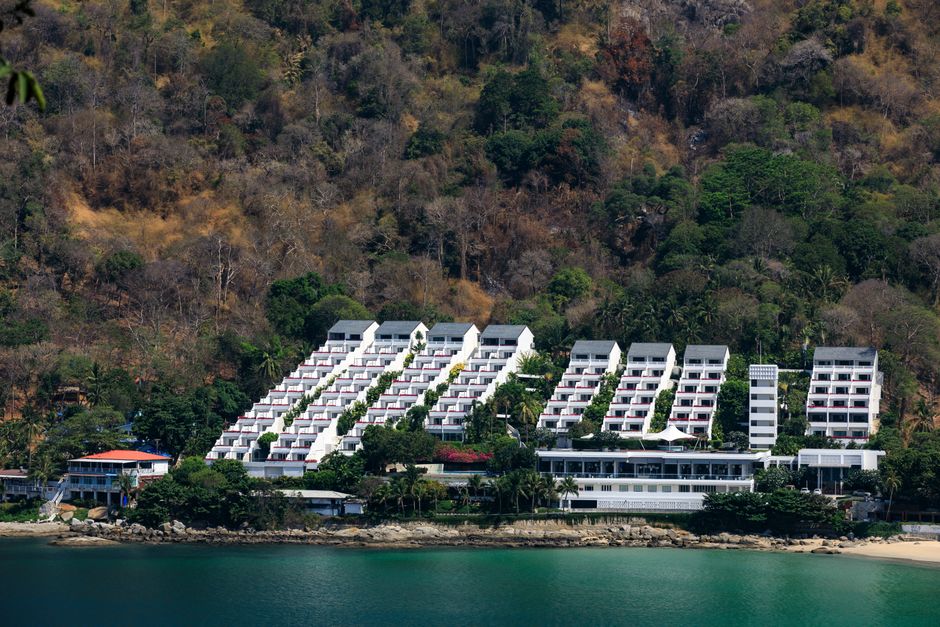 Photo: Vladyslav Dushenkovsky / Pexels
Samui has no metro or train — the island runs on its ring road. Most residents ride a scooter, the cheapest and most flexible way around, while songthaews (shared pick-ups) loop the main beaches for a small fare and ride-hailing (Bolt, Grab) and taxis fill the gaps. Samui International Airport (USM) sits in the north-east near Bophut with direct flights to Bangkok, regional hubs and seasonal international routes, and passenger and car ferries from Nathon, Lipa Noi and Bang Rak connect to Surat Thani on the mainland and to neighbouring Koh Phangan and Koh Tao.
 Photo: Hoài Nam / Pexels
Koh Samui is above all a villa market: most expats rent or buy hillside and beachfront pool villas, since foreigners cannot own land directly and typically hold houses on a registered long-term lease or through a Thai company. Foreigners can own condominium units freehold within each building's 49% foreign quota, and a growing number of branded and sea-view condos cluster around Chaweng, Bophut and Choeng Mon. BAANLYY profiles the research layer most portals skip — tenure, fees, amenities, pet and parking policy and indicative pricing.
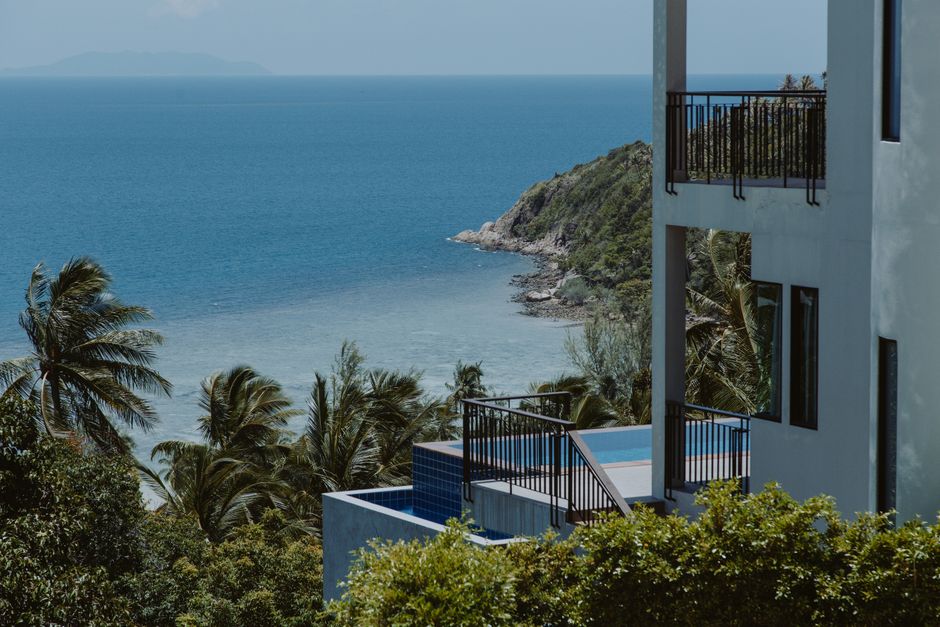 Photo: cottonbro studio / Pexels
Samui pricing is driven by sea views, beach proximity and the holiday-rental economy rather than by city fundamentals. Long-term rents run below Bangkok and Phuket for comparable space, but prime beachfront villas and managed resort residences command a premium, and many owners weigh long lets against lucrative short-term holiday yields. Demand is seasonal, peaking in the dry high season, so location and management quality matter. Use our market data and calculators to model rent, purchase costs and returns before you commit.
 Photo: Marcus Lenk / Pexels
Samui's investment case rests on tourism-led rental demand and lifestyle appeal. Pool villas and sea-view condos can earn strong holiday-rental income in season, while the airport, hospitals and steady stream of long-stay residents underpin year-round occupancy in the better locations. Returns hinge on view, access, build quality and professional management more than headline yield, and island construction and furnishing costs run higher than the mainland. Run the numbers on rent, occupancy and costs before you buy.
 Photo: enrique funes m. / Pexels
Samui is well covered for an island, with international-standard private hospitals — Bangkok Hospital Samui, Thai International (Bandon) and Samui International Hospital among them — offering English-speaking doctors and 24-hour emergency care concentrated around Chaweng and Bophut. Complex or specialist cases are sometimes referred to the mainland or Bangkok. Comprehensive private health insurance is affordable and is required for some long-stay visas.
 Photo: Pixabay / Pexels
Samui has a solid set of international schools — among them the International School of Samui (British curriculum), Panyadee (an Anglo-Singaporean school) and Greenacre — offering British and international curricula at lower fees than Bangkok. Families tend to settle on the calmer north and west coasts around Bophut, Maenam and Lipa Noi, where these schools pair with villas, gardens and gentler traffic, so school catchment and commute shape many relocation decisions.
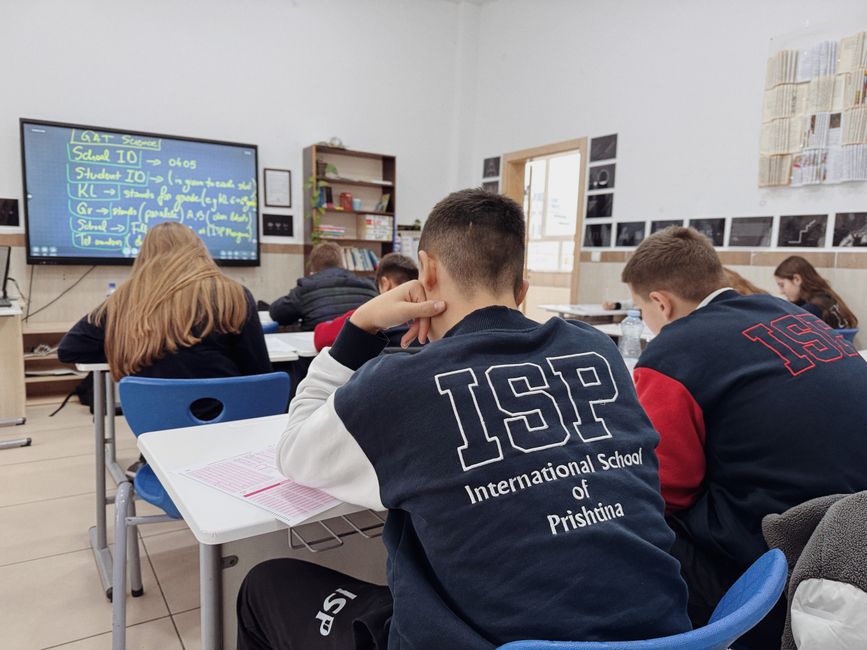 Photo: This And No Internet 25 / Pexels
Daily life on Samui is built around the beach and the outdoors: swimming, diving and island-hopping to Koh Phangan and the Ang Thong Marine Park, alongside Fisherman's Village dining, beach clubs, yoga and wellness retreats, gyms and the famous full-moon scene next door. Big-C, Tesco Lotus, Central Festival and fresh markets cover the essentials, food delivery and ride-hailing work island-wide, and a long-established, welcoming international community makes settling in easy. English is widely spoken across the tourist and expat areas.
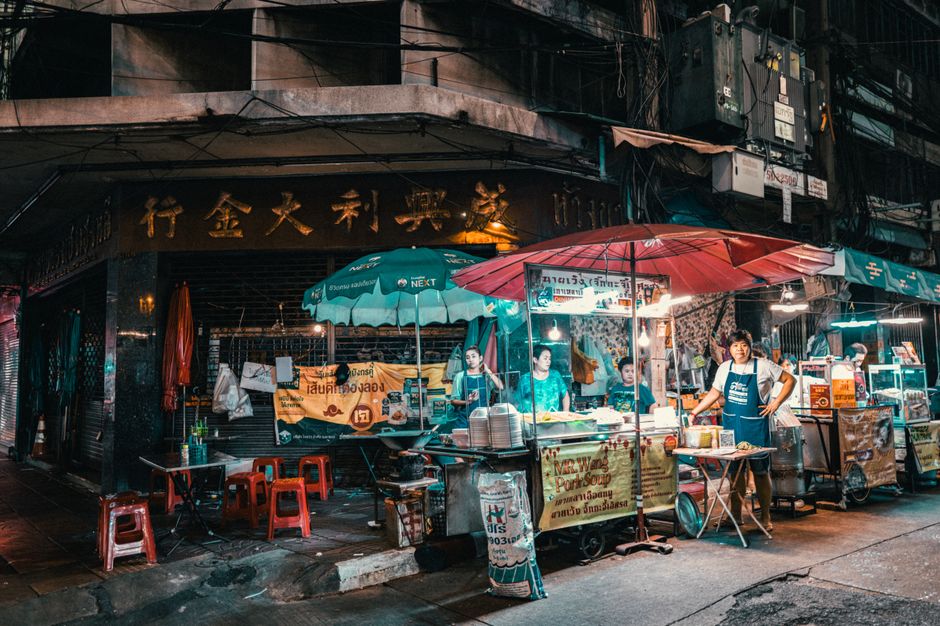 Photo: Tony Wu / Pexels
Moving to Samui means choosing a visa, a beach and a home, then sorting banking, healthcare, schooling, a scooter or car and shipping to the island. Many expats rent a villa or condo first — often in Bophut, Maenam or Chaweng — to learn the island's rhythms and seasons before buying or signing a long lease. Our relocation guides walk through it country by country and step by step.
 Photo: cottonbro studio / Pexels
There's a visa for almost every situation: the DTV for digital nomads, the LTR for high earners and retirees, retirement visas for over-50s, the Elite/Privilege membership, and marriage, education and work visas. Samui is served by its own immigration office in Maenam, so reporting and extensions can be handled on-island, and each visa carries its own income, insurance and reporting rules.
 Photo: Jakub Zerdzicki / Pexels
Samui's dining runs from beachfront seafood shacks and Thai-style BBQ to Fisherman's Village's genuinely upscale, chef-led restaurants and Bophut's Friday Walking Street food stalls. Chaweng and Lamai carry the biggest concentration of everyday options and delivery coverage, Maenam and Choeng Mon are quieter and more local, and the island has one of Thailand's largest health-food and vegan scenes outside Bangkok and Phuket. Expect island prices on imported ingredients, and reserve ahead at the better Fisherman's Village tables in high season.
 Photo: Ali Kazal / Pexels
Beyond the beach, Samui's landmarks include the Big Buddha and Wat Plai Laem temples, the Na Muang waterfalls, the Grandfather and Grandmother rocks, and boat trips out to Ang Thong Marine Park's limestone islands. Bophut's Friday Walking Street and the island's night markets make for an easy evening out, and Koh Phangan and Koh Tao are both easy day-trip ferries away. It is a genuinely family-friendly island, with enough wellness, water sports and day-trip options that residents rarely run out of weekend plans.
 Photo: cottonbro studio / Pexels
Koh Samui's island group is one of the Gulf of Thailand's best: Koh Phangan and Koh Tao are both within a couple of hours by speedboat, the limestone karst islands of Ang Thong National Marine Park make for a signature day tour with kayaking and an Emerald Lagoon hike, and Koh Tan and "Pig Island" Koh Mudsum offer an easy half-day snorkel trip close to shore. Lomprayah, Seatran and Songserm run the main ferry and speedboat services from Bophut, Maenam and Nathon piers, with day tours bookable through hotels, local agents or online platforms.
 Photo: Жанна Алимкулова / Pexels
Central Festival Samui in Chaweng is the island's mall anchor, with supermarkets and homeware for kitting out a rental, while the Friday Fisherman's Village Walking Street in Bophut and night markets in Chaweng, Lamai and Nathon cover food, souvenirs and everyday bargaining culture. Wet markets in Nathon and Maenam are the cheapest source of fresh produce. Imported and expat-specific groceries are easy to find but carry an island premium, and furniture and home-goods shopping for a new rental is concentrated around Chaweng and the ring road.
 Photo: Жанна Алимкулова / Pexels
Samui ranks among Thailand's safer island destinations for relocation, and violent crime against residents is rare. The real, everyday risks are practical: scooter accidents on the ring road (the island's leading cause of serious injury), sea hazards like rip currents and seasonal box jellyfish, and the well-known taxi, jet-ski and motorbike-deposit scams aimed at tourists. The wetter October-to-December monsoon adds its own flash-flood and driving risk. Save the local emergency numbers, wear a helmet, photograph any rental scooter before you ride it, and treat jet-ski touts with the scepticism Thai authorities themselves recommend.
 Photo: Mark Direen / Pexels
Branches of Kasikorn, Siam Commercial Bank (SCB), Bangkok Bank and Bank of Ayudhya cluster around Chaweng and Central Festival, with further branches in Nathon and Bophut. Opening a Thai account as a foreigner is straightforward with a passport, visa/entry stamp and proof of address, though exact document requirements shift by visa type (DTV, LTR, retirement or tourist) and by branch. Kasikorn's K PLUS app is popular with expats for English-language mobile banking and PromptPay transfers; expect modest international-transfer and ATM fees on top.
 Photo: Qing Luo / Pexels
Home fibre from AIS Fibre, True Online and 3BB reaches most developed parts of the island at typical Thai broadband speeds and pricing, making remote work genuinely viable outside of storm outages. For mobile, AIS, True and dtac all offer prepaid tourist and longer-stay SIMs plus eSIMs, with 4G/5G coverage strongest around Chaweng, Bophut, Lamai and Maenam and patchier in the hills and quieter west coast. SIMs and top-ups are sold at every 7-Eleven and phone shop on the island.
 Photo: MART PRODUCTION / Pexels
Save these before you need them: ambulance 1669, police 191, the English-speaking Tourist Police 1155, fire 199 and marine police 1196. Several private hospitals around Chaweng and Bophut run 24-hour emergency rooms and are the first call after a scooter crash or sea incident; complex cases are stabilised locally and, where needed, medevac'd to Bangkok or transferred to the Surat Thani mainland. Keep a printed list of these numbers and your insurer's emergency line somewhere that does not depend on a charged phone.
 Photo: Calvin Seng / Pexels
Samui's foreign community centres on a handful of active Facebook groups, sports and wellness clubs and regular business meetups, with Bophut/Fisherman's Village, Chaweng, Lamai, Maenam and Choeng Mon the areas where expats most visibly gather. The island noticeably empties in low season, which makes the community feel smaller and tighter for those who stay year-round. Retirees, remote workers and relocating families each tend to cluster in slightly different spots, so the fastest way to make friends is to pick an area first and show up to its regular meetups.
 Photo: Ahmet Kurt / Pexels
Relocating families have real options: island nurseries and daycare for ages roughly 0-5, international kindergartens feeding into Samui's international schools, and villa nannies for more flexible hours. Fees vary by tier and run from budget local daycare to premium bilingual/English-medium centres, with the widest choice clustered around Chaweng, Bophut and Choeng Mon. Enrolment generally needs the child's passport, vaccination record and a registration fee, and it is worth checking staff-to-child ratios and English-language ability directly before committing.
 Photo: cottonbro studio / Pexels
Samui runs on the opposite seasonal clock to mainland Thailand: its wettest months are October through December, driven by the northeast monsoon, rather than the mainland's May-October rains. Low-lying areas of Chaweng, Lamai and Nathon are the most flash-flood-prone when drainage is overwhelmed by heavy tropical downpours, as seen in the January 2017 and November 2020 floods. When renting, favour elevated ground floors or upper units away from known low points, and check that any villa or condo has adequate drainage and flood insurance before committing to a lease through the wet season.
Photo: Жанна Алимкулова / PexelsGetting to Samui usually means a direct flight into Samui Airport (USM) or the cheaper Surat Thani flight-and-ferry route, then a shared minibus, taxi, Grab/Bolt or a pre-booked private car out to Chaweng, Bophut, Lamai, Maenam or Choeng Mon. We break down realistic fares and journey times for each option.
 Photo: Quintin Gellar / Pexels
From Buddhist temples like Wat Phra Yai (Big Buddha) and Wat Plai Laem to the island's traditional Muslim fishing villages, a Chabad House serving the Jewish and Israeli community, and informal Christian fellowship groups, Samui has faith communities newcomers can plug into by area.
 Photo: Namfon Sasimaporn / Pexels
English-speaking vet clinics across Chaweng, Bophut, Lamai and Maenam cover vaccinations, microchipping, spay/neuter, dental and lab work, emergency care, grooming and boarding — with a full cost table in THB and USD.
 Photo: Gustavo Fring / Pexels
Hiring an English-speaking lawyer matters for villa and condo due diligence, land leases and company structures, visas and work permits, or wills — we cover typical THB fees and how to vet a firm and avoid nominee traps.
 Photo: Mikhail Nilov / Pexels
Setting up a Samui home means PEA electricity, the island's real water situation (private wells, storage tanks, dry-season shortages and water-truck deliveries), fibre internet, generator back-up, LPG gas and rubbish — plus how renters actually settle every bill.
 Photo: CX LEE / Pexels
Converting a foreign licence or testing fresh, the island's own Land Transport Office skips the trip to Surat Thani — we cover the documents, theory and practical tests, fees, and why the motorcycle licence matters most on a scooter-first island.
 Photo: Anetta Kolesnikova / Pexels
From Chaweng's Soi Green Mango bars and clubs to boutique Fisherman's Village, Coco Tam's beach fire shows, Lamai's scene and the nearby Koh Phangan Full Moon Party — plus safety, scam awareness and typical costs.
 Photo: Savio Visuals / Pexels
Is Samui tap water safe? An honest look at the island's mains, wells and storage tanks, dry-season shortages, boiling vs filters, bottled-water delivery prices, refill stations and under-sink RO filter costs.
 Photo: Rodion Kutsaiev / Pexels
International door-to-door movers vs local island removalists, sea vs air freight, the mainland-to-island vehicle ferry from Surat Thani, shipping pets, and Thai customs' used-household-effects duty exemption — with realistic costs and timelines.
 Photo: Blue Bird / Pexels
Samui stays among Thailand's cleanest air year-round, with only a rare seasonal haze window — we cover month-by-month AQI, how it compares to Bangkok, Chiang Mai and Phuket, air-purifier costs and the best AQI apps.
 Photo: Mike To / Pexels
Realistic daily and monthly rates for cars, scooters and motorbikes, licence and International Driving Permit rules, insurance and deposits, where to rent, and how to stay safe on the island ring road.
 Photo: Markus Winkler / Pexels
Self-storage facilities vs full-service warehouse storage vs mover storage, unit sizes from a locker to a garage, why climate control matters against island humidity and salt air, and realistic monthly THB rates.
 Photo: Brett Jordan / Pexels
The Maenam immigration office and the Ko Samui District Office (Amphoe) in Na Thon are the two offices most expats and foreign property owners deal with — addresses, hours, phone numbers and official links for each.
 Photo: Markus Spiske / Pexels
Rent and pool-villa pricing by area, food from market stalls to Fisherman's Village, scooters and ferries, utilities and pool upkeep, healthcare, international schooling and the island's price premium — plus three realistic monthly budgets.
 Photo: Elizabeth Dove / Pexels
English-speaking hair salons and barbershops across Chaweng, Fisherman's Village, Bophut, Lamai and Maenam cover men's cuts, women's colour and keratin treatments, plus resort and villa salons and nail bars — with typical THB price ranges and tipping guidance.
 Photo: Max Vakhtbovych / Pexels
From day spas and resort spas to the island's well-known detox and wellness retreats, Samui's spa scene spans Chaweng, Lamai, Bophut, Choeng Mon and Maenam — with Thai and oil massage price ranges in THB, tipping etiquette and booking tips.
 Photo: Diana Light / Pexels
How DTV digital nomads, LTR high-earners, retirement (O-A/O-X) and marriage (O) visa holders actually rent on Samui: villa vs condo leasing, standard lease terms and deposits, the documents landlords ask for, and the TM30, 90-day and re-entry rules handled at Maenam Immigration.
 Photo: Anetta Kolesnikova / Pexels
Samui's Gulf-coast climate runs on its own calendar — the rainy season peaks late (Oct–Dec) unlike Phuket and the Andaman coast, with a long Jan–Sep dry stretch. We cover month-by-month conditions, sea safety and the best time to visit or relocate.
Photo: Mike To / PexelsBeachside studios and retreats in Fisherman's Village, Bophut, Chaweng, Lamai and Maenam offer Hatha, Vinyasa, Yin, hot and aerial yoga alongside world-class detox retreats — with English-speaking teachers, drop-in vs monthly pricing in THB, and teacher training options.
 Photo: Jordi Costa Tomé / Pexels
Samui's Thai-language options are limited but real: language schools around Chaweng and Lamai, private tutors, and strong online alternatives — plus how the education (ED) visa works and its cautions, with realistic costs and timelines.
 Photo: Thirdman / Pexels
Bringing a dog or cat to Samui means the DLD import permit, microchip, rabies and vaccination paperwork, then getting your pet to the island via Bangkok/Samui Airport or the Surat Thani ferry — plus pet-friendly villas, island vets, and realistic monthly pet-care costs.
 Photo: Tim & Martin Klement / Pexels
Scooter and car rental, songthaews, Grab and Bolt, the island ring road, Samui Airport (USM) transfers and ferries to the mainland, Koh Phangan and Koh Tao — the practical day-to-day transport guide for anyone living on the island.
Photo: Anetta Kolesnikova / PexelsThe BAANLYY Area Score ranks every Koh Samui beach district on a transparent 100-point scale built from eight lived-experience factors — beach, dining, nightlife, value, family, transport, investment and quiet — so you can see which areas score highest overall and by category.
 Photo: Pok Rie / Pexels
Koh Samui has no reef of its own, but it is one of the Gulf of Thailand's busiest dive bases -- four PADI 5-Star centers (Discovery Divers, Silent Divers, 100 Degrees East and Easy Divers) run daily speedboats out to Sail Rock, Chumphon Pinnacle, Koh Tao and Ang Thong National Marine Park.
 Photo: Francesco Ungaro / Pexels
Conrad Properties, REMAX Island Real Estate, Samui Property Locator and Three Seasons Properties -- four real, currently-operating agencies covering everything from independent luxury villa sales to a 20-agent franchise office, plus how commission works and how to vet an agency before you sign anything.
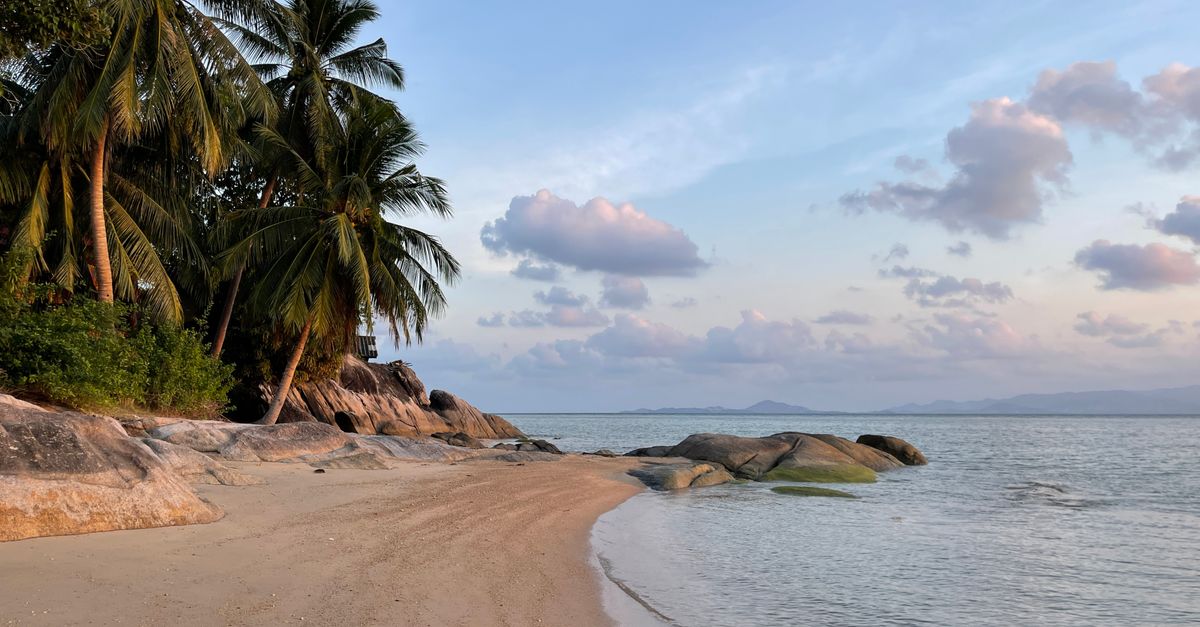 Photo: Anna Zviahina 🇺🇦 / Pexels
Editorial analysis compiled and periodically refreshed by BAANLYY’s research team — not a live data feed.
Analysis last reviewed July 2026.
A curated set of Koh Samui's best-known developments, from ultra-luxury headland estates to foreign-freehold sea-view condos. Each links to a full guide with tenure, amenities, location and indicative rent.
Samujana is Koh Samui's best-known luxury villa estate — a gated collection of around 27 architect-designed cliffside villas on the north-east headland above Choeng Mon and Plai Laem, minutes from the airport.
View the Samujana guide →The Ridge Samui is a well-regarded hillside pool-villa community in the hills above Bophut and Fisherman's Village, prized for its panoramic views across Big Buddha bay and the north coast.
View the The Ridge Samui guide →Replay Residence & Pool Villa is a resort-style branded development in Bophut, combining freehold condominium studios and apartments with private pool villas around landscaped gardens, a restaurant and communal pools.
View the Replay Residence & Pool Villa guide →Horizon Villas is a long-established Koh Samui luxury-villa brand concentrated around the upscale north-east — Choeng Mon, Plai Laem and the Bophut hills — offering contemporary two- to five-bedroom pool villas with sea and sunset views.
View the Horizon Villas guide →Wing Samui Condominium (also marketed as Wing Samui Condo) is Koh Samui's largest condominium project and its first EIA-approved development — 14 buildings across an 18,000 sqm site on Route 4169, positioned between Bophut and Chaweng, developed by Wing Samui Condo Co.
View the Wing Samui Condominium guide →Tropical Seaview Residence is a 3-floor, 36-unit low-rise hillside condominium above Lamai, completed in December 2013 (floor count, unit count and completion date confirmed on FazWaz's own structured project page), built up the slope so most units capture wide Gulf-of-Thailand sea views from private balconies.
View the Tropical Seaview Residence guide →Sunset Cove is a boutique, 10-unit sea-view pool-villa community on the quiet Plai Laem headland in Koh Samui's north-east, completed in January 2019 (unit count and completion date confirmed on Hipflat's own structured project page), near the Plai Laem temple and lagoon and a short drive from the airport, Choeng Mon and Bophut.
View the Sunset Cove guide →The Residences at W Koh Samui is an ultra-luxury beachfront villa collection in Maenam on Koh Samui's north coast, developed as a joint venture between Amburaya Hotels & Resorts and Istithmar World and completed in December 2010 under Marriott International's W brand.
View the The Residences at W Koh Samui guide →The Ville Condo is a low-rise boutique condominium on the Bo Phut/Chaweng border, close to Chaweng Beach and a short drive from Samui International Airport.
View the The Ville Condo guide →Anava Samui is a large-scale beachfront condominium under construction on Bang Rak Beach in Bo Phut, developed by Zhongfa Property (HK) Limited and expected to complete in January 2027.
View the Anava Samui guide →Samui Emerald Condominium is a low-rise, hotel-managed condominium in the Bo Phut / Plai Laem area of Koh Samui's north-east coast, completed in March 2012 with 44 units across 3 floors ranging from roughly 44 to 108-plus sqm.
View the Samui Emerald Condominium guide →The Bleu Condo is a 4-storey low-rise condominium in Tambon Bophut on Koh Samui's north-east coast, developed by Euro Thai Property Company (also behind Manhattan Park Residence in Bangkok) and completed in August 2015.
View the The Bleu Condo guide →Pahili Loft Lamai is a leasehold apartment development by Pahili Development, tucked into the hills a few minutes from Lamai Beach on Koh Samui's south-east coast.
View the Pahili Loft Lamai guide →ShaSa Resort & Residences (also listed by some aggregators under the name Casa Vela Samui) is a 5-star hillside resort and residence at Laem Set on Koh Samui's south coast, developed by Aquarius Hotel Collection and completed in 2010.
View the ShaSa Resort & Residences guide →The Terraza Samui is a low-rise, 4-building freehold condominium a few hundred metres inland from Lamai Beach in Maret, developed by Estanan Co.
View the The Terraza Samui guide →The Bay Condominium is a low-rise, 3-floor mixed-use condominium near Big Buddha Beach in Bo Phut, developed by PCC Property Co.
View the The Bay Condominium guide →Azur Samui is a mixed-use hillside development in Maenam on Koh Samui's north coast, set on a 30-rai (~12-acre) site with panoramic Gulf-of-Thailand views toward neighbouring Koh Phangan.
View the Azur Samui guide →Emerald Bay View is a hillside apartment and pool-villa complex above Lamai in Maret, developed by Premium Construction Co.
View the Emerald Bay View guide →Unique Residences is a low-rise, 4-floor mixed-use condominium near Big Buddha Beach in Bo Phut, developed by Belgian - Thai Development and completed in May 2018.
View the Unique Residences guide →Lux Neo is a hillside pool-villa estate on Soi Samnak in Bo Phut, developed by Neo Estate Corporation and completed in January 2023.
View the Lux Neo guide →Chariya Residence is a low-rise apartment residence in the foothills of Bang Por, on Koh Samui's north coast, offering uninterrupted sea views toward Koh Phangan, Koh Tao and the Angthong National Marine Park.
View the Chariya Residence guide →Palm by the Sea is a small, off-plan apartment enclave in Maenam on Koh Samui's north coast, roughly 200 metres from Maenam Beach, with a Balinese-influenced design and studio/1-bedroom units from around 30 sqm.
View the Palm by the Sea guide →Darika Residence is a private, 9-villa pool-villa project on the hillside above Bang Por Beach in Maenam, completed in January 2021.
View the Darika Residence guide →Rockwater Residences is a 10-unit hillside villa and townhouse development on Soi Thong Kaew in Bo Phut, on the hill known locally as Green Hills Samui, completed in November 2018.
View the Rockwater Residences guide →Victorian Samui Condominium is a low-rise, hotel-managed condominium in Bo Phut on Koh Samui's north-east coast, completed in December 2011 with 48 units across 4 floors (studios from 31 sqm), confirmed via FazWaz's own structured project page.
View the Victorian Samui Condominium guide →Aspira Samui is a low-rise, hotel-managed condominium in Bo Phut on Koh Samui's north coast, completed in January 2015 with 24 units across 4 floors, confirmed via FazWaz's own structured project page.
View the Aspira Samui guide →Whispering Palms Resort & Pool Villa is a private pool-villa community of just 8 units in Bo Phut, on Koh Samui's north coast, completed in 2007 and developed by Dreamscapes Development, confirmed both via FazWaz's own structured project page and independently via the developer's own site (dreamscapesdevelopment.
View the Whispering Palms Resort & Pool Villa guide →Arisara Place is a low-rise freehold condominium in Bo Phut on Koh Samui's north coast, completed in May 2009 as a single 4-floor building, confirmed consistently across FazWaz, Hipflat and Thailand-Property.
View the Arisara Place guide →Avanta Condominium is a modern low-rise condominium in Maenam on Koh Samui's north coast, completed in December 2009 as a single 4-floor building with 23 units, confirmed via FazWaz's own structured project page.
View the Avanta Condominium guide →Baan Arisara Samui is a low-rise freehold condominium in Bo Phut on Koh Samui's north coast, completed in 2012 as a single five-floor building — floor count, building count and completion year are agreed independently by DDproperty and Hipflat, two unrelated portal families.
View the Baan Arisara Samui guide →Greenheights 138 Condominium is a luxury low-rise condominium set amid nature on the hill above Bo Phut, completed in December 2021 as 5 buildings and 5 floors totalling 54 units, confirmed via Hipflat's own structured project page and developed by Samui Green Development Co.
View the Greenheights 138 Condominium guide →The Park Samui is a low-rise, hotel-managed residential development on Plai Laem Soi 8 in Bo Phut, near Choeng Mon Beach, developed by Tropiculture Co.
View the The Park Samui guide →KW Villas is a small, private pool-villa collection off Santi Thani road in Maenam on Koh Samui's north coast, completed in December 2018 and developed by SunWaySamui — the same developer behind the nearby Avanta Condominium, Bayview Estate and Sunway Villas.
View the KW Villas guide →Bangrak Apartments is a small, low-rise, owner-managed apartment building in Bo Phut, about 1km from Big Buddha Beach, completed in December 2011 as a single 3-floor building with 10 units, confirmed via FazWaz's own structured project page.
View the Bangrak Apartments guide →Oceana Residence Samui is a low-rise condominium in Plai Laem, Bo Phut, a short walk from Plai Laem Beach and about 1.
View the Oceana Residence Samui guide →Horizon Residence is a mixed-use condominium and townhouse complex on Tongsai Road in Choeng Mon, Bo Phut, about 4 minutes' drive from Choeng Mon Beach, completed in December 2015 as 2 buildings of 4 floors totalling 45 residential units, confirmed via FazWaz's own structured project page.
View the Horizon Residence guide →Verano Residence is a pool-villa community in Bo Phut, Koh Samui, developed by Samui Be.
View the Verano Residence guide →Whispering Palms Suite is a low-rise, resort-style condominium in Bo Phut on Koh Samui's north-east coast, developed by Dream Scapes Development Co.
View the Whispering Palms Suite guide →Code Samui (marketed by its developer as "CODE Luxury Hotel Suites") is a boutique branded condotel on Koh Samui's quieter north-west coast at Bang Po, developed by Kalara Developments (Kalara Code Co.
View the Code Samui guide →Chaweng Modern Villas is a low-rise, mixed-use villa-and-apartment development in Bo Phut on Koh Samui's north-east coast, developed by Chawang Modern Villas (per FazWaz's own project page; also linked to Kingston Property Co.
View the Chaweng Modern Villas guide →Beach Side Luxury Residence is a low-rise boutique condominium in Bo Phut, about 1km from Choeng Mon Beach on Koh Samui's north-east coast, developed by ROCKA GLOBAL CO.
View the Beach Side Luxury Residence guide →IO Villas is a 20-unit, 2-building pool-villa community on Tongsai Road in Bo Phut, Koh Samui's north-east coast, developed by IO LANTA CO.
View the IO Villas guide →DAO Villas is a 12-unit pool-villa community in Plai Laem, Bo Phut, on Koh Samui's north-east coast, developed by IO LANTA CO.
View the DAO Villas guide →The Saint Condo is a low-rise, 4-floor, 58-unit studio condominium in Bo Phut, about 2km from Chaweng Beach, completed in January 2018 per FazWaz's own structured project page.
View the The Saint Condo guide →Oceans Chaweng is a small sea-view pool-villa community of 9 three-bedroom villas under development in Bo Phut, about 800m from Chaweng Beach, by Palm Villas Samui — a developer led by owner Darren Green whose prior project, Ocean 180, delivered 10 completed villas nearby.
View the Oceans Chaweng guide →Madol 1 Luxury Pool Villas is a 17-villa development on the quieter west-coast Taling Ngam / Pang Ka area of Koh Samui, developed by Madol Group.
View the Madol 1 Luxury Pool Villas guide →Villa The Wave is a 30-villa, two-storey pool-villa development on the Chaweng Noi hillside above Bo Phut, developed by Saitarn Samui Company Limited (also styled Saitharn Samui Public Company Limited on the project's own FazWaz page) and completed in March 2016 — the developer's own dedicated FazWaz profile independently confirms exactly "1 Project 30 Units", matching this project's unit count.
View the Villa The Wave guide →Baansuay Namuang is a 33-unit house-and-villa community in Na Mueang on Koh Samui's south coast, developed by Baansuay Land and House Co.
View the Baansuay Namuang guide →Ficus Residence — The Leaf Collection is a 30-unit leasehold apartment development in Ang Thong on Koh Samui's northwest coast, spread across 7 low-rise buildings of 4 floors each, and developed by Dara Group Thailand — a Samui-focused developer founded in 2012 that FazWaz's own dedicated developer profile page independently credits with 2 projects and 101 units, including the neighbouring Shambala Seaview Residences.
View the Ficus Residence — The Leaf Collection guide →Iremia Residence is a 5-villa leasehold pool-villa complex on Had Chaweng 6 soi in Bo Put, developed and operated by Galex Samui, a boutique Samui developer whose portfolio also includes Sunrise Hills and Villa Majesta per the developer's own site.
View the Iremia Residence guide →Chi Samui - The Residence is a 12-apartment beachside development in Bang Rak, built and managed by Kalara Real Estate Co.
View the Chi Samui - The Residence guide →Kalara Gardens is an 11-unit hillside mews-house estate in Bang Po, on Koh Samui's northwest coast, developed and managed by Kalara Real Estate Co.
View the Kalara Gardens guide →Osho Apartments is a 4-unit beachfront boutique apartment building directly on Bophut Beach in the heart of Fisherman's Village, managed by Kalara Real Estate Co.
View the Osho Apartments guide →Panu Apartments is a 2-unit ultra-luxury beachfront duplex building directly on Bophut Beach in the heart of Fisherman's Village, managed by Kalara Real Estate Co.
View the Panu Apartments guide →Park Lane is a 6-unit gated mews-house estate near Samui International Airport, developed and managed by Kalara Real Estate Co.
View the Park Lane guide →The Gardens is a 12-unit gated mews-house estate near Samui International Airport, developed and managed by Kalara Real Estate Co.
View the The Gardens guide →B1 Beachfront Apartments is an 8-unit, low-rise condominium building directly on Bophut Beach in the heart of Fisherman's Village, developed and managed by Kalara Real Estate Co.
View the B1 Beachfront Apartments guide →Vova Village is a 15-villa single-detached pool-villa estate in Bo Phut, a short drive inland from central Chaweng, completed in December 2021.
View the Vova Village guide →ATARA Luxury Pool Villas is a small boutique pool-villa project directly on Chaweng Road in Bo Put, developed by ATARA Development Co.
View the ATARA Luxury Pool Villas guide →Prime Villa Samui is an 8-villa luxury pool-villa development in Lipa Noi on Koh Samui's quieter west coast, developed by Supalai PCL (Supalai Public Company Limited) — verified directly via the developer's own official project page (supalai.
View the Prime Villa Samui guide →Paradise Spring Villas is a 14-villa private pool-villa community set on a secluded 4-rai (6,400 sqm) rainforest plot in Maenam on Koh Samui's north coast, roughly 1km from Maenam Beach, and developed by AB Capital Co.
View the Paradise Spring Villas guide →Paradise Villas Lamai is a 16-unit (7 completed to date) boutique pool-villa investment community in Maret, a few minutes inland from Lamai Beach on Koh Samui's south-east coast.
View the Paradise Villas Lamai guide →Saneha Sea View is a boutique 4-villa seaview pool-villa development in Maret, a few minutes inland from Lamai Beach on Koh Samui's south-east coast, currently under construction (developer's own site: start November 2025, finish November 2027; FazWaz lists overall status as "Made To Order").
View the Saneha Sea View guide →Koh Samui Tower is a hotel-managed, mixed-use condominium and villa complex in Maenam on Koh Samui's north coast, about 1.
View the Koh Samui Tower guide →Samui Green Cottages is a cottage-style pool-villa community on Chaweng Noi hill above Bo Phut, a short drive from Chaweng Beach and Bangkok Hospital Samui.
View the Samui Green Cottages guide →Coconut Laguna Villas is a small beachfront pool-villa resort directly on Bang Por Beach in Maenam, on Koh Samui's quieter north coast, completed in September 2009 and hotel-managed by its developer, Coconut Laguna Resort (FazWaz's own structured Developer field for this project).
View the Coconut Laguna Villas guide →Infinity Samui is a 67-unit, 3-floor hillside condo-resort on a 10-rai plot above Bang Por Beach in Maenam, developed by Vertuz Development and completed in October 2007 (unit count, floor count and completion date per FazWaz's own structured project page).
View the Infinity Samui guide →Ocean 180 is a 10-villa boutique pool-villa resort in Bophut, developed by Palm Villas Samui and completed in August 2018 (unit count, developer and completion date per FazWaz's own structured project page).
View the Ocean 180 guide →The Seasons Bangrak Sanam Bin is a 63-unit mixed-use house-and-townhome community off Sanam Bin Road in the Bang Rak area of Bo Phut, a few minutes from Samui International Airport, completed in August 2017 (unit mix, floor areas and completion date confirmed on FazWaz's own structured project page).
View the The Seasons Bangrak Sanam Bin guide →Shambala Seaview Residences is an 11-unit hillside villa development in Ang Thong, on Koh Samui's quieter north-west coast, set in a mature hillside enclave above the Gulf of Thailand about a kilometre inland from Bang Makham Beach.
View the Shambala Seaview Residences guide →Pacific Palisade is a 30-unit hillside villa and house community above Maenam on Koh Samui's north coast, completed in December 2021 and spread across a 35,000 sqm site — unit count, site area and completion date all taken from FazWaz's own structured project header.
View the Pacific Palisade guide →Pacific Noma is a 13-villa contemporary pool-villa development off Maenam Soi 1 on Koh Samui's north coast, the third and newest project from the team behind Pacific Palisade, which is already documented in this registry roughly 7 km west.
View the Pacific Noma guide →Beach Republic sits directly on the northern end of Lamai Beach at 176/34 Moo 4, Maret, and has been one of Koh Samui's best-known beach clubs since it opened in December 2008.
View the Beach Republic guide →Saitara Peak is a 19-villa hillside pool-villa development above Chaweng Noi in Bo Phut, completed in December 2016 — unit count and completion date both taken from FazWaz's own structured project header.
View the Saitara Peak guide →Santisook Villas is a seven-villa boutique estate on the hillside above Bang Por in Maenam, on Koh Samui's quieter north-west coast, completed in October 2010.
View the Santisook Villas guide →Luxana Villas is a small hillside villa estate inland in Bo Phut, completed in June 2018.
View the Luxana Villas guide →Baan Phrae Phrao is a three-storey, single-building condominium beside Ban Maenam market on Koh Samui's quieter north coast, registered under the Condominium Act on 8 August 2012.
View the Baan Phrae Phrao guide →The nine parts of the island most expats and investors weigh up, from the lively east-coast beaches to the boutique north, the upscale headlands and the quiet sunset west. Each has its own price point, pace and crowd.
Go deeper on island life with our practical Koh Samui guides — how to get around, every major beach, and the best things to do.
Every beach district ranked on a transparent 100-point scale across beach, dining, nightlife, value, family and more.
See the rankings →English-speaking stylists, barbershops, cuts for men and women, colour, keratin, nail bars and resort salons across Chaweng, Bophut, Lamai and Maenam — with THB prices, tipping and booking tips.
Read the salons guide →How to open a Thai bank account on the island — foreigner-friendly banks, documents by visa type, where the branches are and mobile banking.
Read the banking guide →Chaweng, Lamai, Bophut, Bang Rak, Maenam, Choeng Mon, Taling Ngam and Lipa Noi compared on vibe, rent, who they suit and airport commute.
Read the where-to-live guide →The complete day-to-day relocation guide: areas, costs, visas, healthcare, schools, community and getting around the ring road.
Read the living guide →Scooters, cars, songthaews, Grab, the airport and ferries — what it costs and how long it takes.
Read the transport guide →Direct flights vs the cheaper Surat Thani ferry route, the airport minibus, taxis, Grab and private transfers — with fares to every beach.
Read the airport-transfer guide →Converting a foreign licence vs testing fresh, the island's own Land Transport office, documents, the tests, fees and the all-important motorbike licence.
Read the driving-licence guide →What scooters and cars really cost by the day and month, the licence and insurance you need, where to rent and how to ride the ring road safely.
Read the car-rental guide →What a scooter really costs by engine size, the licence, helmet and insurance rules that matter, where to rent without the passport-deposit trap and how to ride the ring road safely.
Read the motorbike-rental guide →Home fibre providers and costs, prepaid vs postpaid SIMs, eSIM and 4G/5G coverage across Chaweng, Bophut and Lamai.
Read the connectivity guide →PEA electricity, the island's water shortages and truck deliveries, home fibre, generators, cooking gas and how to pay every bill — plus what renters actually pay.
Read the utilities guide →Why nobody drinks from the tap (or a villa well), dry-season shortages and water trucks, 19-litre delivery and refill prices, RO filters and ice safety — with costs in THB.
Read the drinking water guide →Month-by-month climate, the late-year (Oct–Dec) monsoon, sea conditions and the best months to visit or move.
Read the weather guide →Why Samui’s wet season runs Oct–Dec (the reverse of the mainland), flash-flood-prone areas like Chaweng and Nathon, past floods and insurance.
Read the flood risk guide →Every major beach from Chaweng to Lipa Noi — who each suits and where to live near it.
Read the beaches guide →Rent and villas, food, transport, utilities, healthcare and schools — with three sample monthly budgets.
Read the cost-of-living guide →Average rents by area and bedroom, the big seasonal swing, leases, deposits and how foreigners rent.
Read the rental-market guide →Original-research data report: rents by area, C9 Hotelworks benchmarks, REIC's foreign-transfer surge & disclosed-methodology yield estimates.
Read the market report →Temples, waterfalls, Ang Thong Marine Park, island day trips, markets and wellness.
Read the things-to-do guide →Chaweng beach bars & clubs, Fisherman's Village, Coco Tam's fire shows, night markets and the nearby Full Moon Party — plus where to live for the right balance.
Read the nightlife guide →The island's British & bilingual schools, tuition ranges, where campuses cluster and how admissions work.
Read the schools guide →All four post-secondary institutions on the island — two SRU degree units in Bo Phut, the state vocational college at Taling Ngam and the residential foundation college at Na Mueang — and where Samui students go for other degrees.
Read the universities guide →Where digital nomads and DTV holders work — coworking hubs, cafes with wifi and the best base areas.
Read the coworking guide →Grab, LINE MAN & foodpanda on the island — where coverage is strong, grocery delivery, fees, delivery times and expat tips.
Read the food-delivery guide →Where to eat — seafood & beach BBQ, Fisherman's Village fine dining, wellness cafes, night markets, delivery apps and prices.
Read the restaurants guide →Central Festival, the island superstores, Fisherman's Village Walking Street, night & fresh markets, and where to buy furniture and imported groceries.
Read the shopping & markets guide →Villa vs condo leasing, best areas, deposits and the TM30 / 90-day rules for DTV, LTR, retirement & marriage visa holders.
Read the visa-housing guide →Scooters and the ring road, sea and box-jellyfish safety, the island's scams, the monsoon and emergency numbers.
Read the safety guide →The page to save before you need it — ambulance 1669, Tourist Police 1155, the island's 24-hour ERs, medevac to the mainland, and what to do after a scooter crash, in the water or if you lose your passport.
Read the emergency guide →Wellness & detox retreats, yoga, Muay Thai camps, CrossFit, condo gyms and the best areas to train — with membership and day-pass costs.
Read the gyms & fitness guide →Island camps in Lamai & Chaweng, drop-in / weekly / monthly THB prices, private trainers, fitness-holiday packages, women & kids classes and the visa note for training long-term.
Read the Muay Thai guide →Best day & resort spas, Thai & oil massage prices, world-class detox retreats, tipping etiquette and how to book — by area.
Read the spa & wellness guide →Importing your dog or cat to Thailand, getting them out to the island by air or ferry, pet-friendly villas, island vets, boarding and the tropical hazards to plan for.
Read the pet-relocation guide →English-speaking island clinics, emergency vets, vaccinations, microchipping, spay & neuter and grooming — with a full pet-care cost guide in baht.
Read the vets guide →The island's language schools and tutors around Chaweng & Lamai, strong online options, group vs private lessons, the ED visa, costs and timelines.
Read the language-schools guide →International door-to-door movers vs local island removalists, sea vs air freight, the Surat Thani vehicle ferry, shipping pets, Thai customs and what to ship vs buy — with costs and timelines.
Read the movers guide →Rent vs buy on an island, villa vs condo furnishing, HomePro and the superstores vs IKEA over the ferry, the secondhand market, costs, delivery and salt-air appliance care.
Read the furniture guide →Self-storage vs full-service warehouse storage, unit sizes and climate control against island salt air, monthly THB rates, contracts and how to book — for seasonal residents and between-lease gaps.
Read the self-storage guide →Where foreigners gather across the island — the big Facebook groups, sports, wellness and social clubs, business meetups and how to make friends fast.
Read the expat-community guide →Furnished, all-inclusive island stays for corporate, relocation & first-arrival bridges — costs by area, what's included and serviced vs long-term rentals.
Read the serviced-apartments guide →English-speaking island clinics & hospital dental departments, a full cost table in baht, dental tourism and visa-holder tips.
Read the dental-care guide →Visa-linked minimum coverage for O-A, O-X, LTR & DTV, which island hospitals take direct billing, real premiums by age, and why medical evacuation cover matters more on an island.
Read the health insurance guide →English-speaking lawyers for villa & condo due diligence, land leases & company structures, visas, business, marriage & wills, with typical fees in THB and how to avoid nominee traps.
Read the lawyers guide →The island office in Maenam — 90-day reporting, extensions of stay, the TM30, re-entry permits and certificates of residence for DTV, LTR, retirement & marriage visa holders.
Read the immigration guide →The Maenam immigration office and the Na Thon District Office (Amphoe) for marriage registration — address, hours, phone and official link for each.
Read the government offices guide →Ranong-Myanmar, the Malaysia land border and Penang, plus air runs via Bangkok — why island runs cost more, agency vs DIY, THB costs and the 2025 rules.
Read the visa-run guide →Boots, Watsons & independent chemists, hospital pharmacies, OTC vs prescription rules, island stock caveats and a medicine price guide in baht.
Read the pharmacy guide →Santiburi Samui Country Club — the island's championship course above Maenam — green & caddie fees in baht, cart costs, membership vs pay-and-play, booking and the best season to play.
Read the golf guide →Hiring a cleaner, villa housekeeper or nanny — villa management vs apps, rates in baht, live-in vs live-out, work-permit rules and how to vet.
Read the domestic-helpers guide →Home care agencies, hospital geriatric care at Bangkok Hospital Samui & Thai International, and when to look to the mainland — with monthly costs in baht.
Read the elderly-care guide →Island nurseries, international & bilingual kindergartens, daycare and villa nannies for ages 0–5 — fees in baht, English options by beach area and how enrolment works.
Read the childcare guide →Eye tests, prescription glasses & contact lenses on the island — optical shops in Chaweng and at Central Festival, hospital eye departments and a full cost guide in baht.
Read the opticians guide →The best work-from-cafe spots across Chaweng, Bophut & Fisherman's Village, Lamai and Maenam — strong wifi, power outlets, sea-view seating and THB prices, plus cafe etiquette for remote workers.
Read the cafes & wifi guide →Beachside studios and world-class detox retreats around Bophut, Chaweng & Lamai, styles from Hatha to hot & aerial, English-speaking teachers and drop-in, monthly & retreat THB prices.
Read the yoga guide →Island schools in Chaweng, Bophut, Lamai & Maenam — market-tour, evening & private in-villa classes, vegetarian & family options and what a class costs in THB.
Read the cooking-classes guide →Why the Gulf island has some of Thailand's cleanest air — PM2.5 month by month, the rare Feb–Mar haze window, whether you need a purifier and THB costs, the best AQI apps and health tips.
Read the air-quality guide →Best areas for retirees, realistic monthly budgets, hospitals, retirement-visa basics and the honest pros, cons and mistakes to avoid.
Read the retirement guide →Buddhist temples like Wat Phra Yai, the Bang Kao/Bantai Muslim fishing villages, a Chabad House and informal Christian fellowship groups — by area.
Read the religious-community guide →New to the country? Start with the Thailand Hub, compare the capital on the Bangkok city hub, the Andaman islands on the Phuket city hub, the Gulf coast on the Pattaya city hub and the north on the Chiang Mai city hub, find your match with the Neighborhood Finder, or read the relocation guides and visa center.
Yes — Koh Samui is one of Thailand's best islands for long-term living: it has its own international airport, international hospitals and schools, palm-fringed beaches, a ring road linking every district, fast internet and an established international community. It suits remote workers, retirees and families wanting a relaxed beach lifestyle with modern infrastructure. The trade-offs are higher island prices on imported goods and a wetter October–December monsoon.
Foreigners can own condominium units freehold within each building's 49% foreign quota, and sea-view condos are growing around Chaweng, Bophut and Choeng Mon. Samui is mainly a villa market, however, and foreigners cannot own land directly — pool villas and houses are typically held on a registered 30-year lease or through a Thai company.
Samui has no rail system; the island runs on a single ring road. Most residents ride a scooter, while songthaew shared pick-ups loop the main beaches cheaply and ride-hailing (Bolt, Grab) and taxis fill the gaps. Samui International Airport (USM) sits near Bophut, and ferries from Nathon, Lipa Noi and Bang Rak connect to the mainland and nearby islands.
First-timers and anyone wanting amenities favour Chaweng and Lamai on the east coast, while boutique Bophut and the upscale Choeng Mon headland suit those after style and quiet. Families and retirees often choose calmer Maenam and the west coast around Lipa Noi for value, space, villas and international schools.
Find your beach, browse villas and condos, and run the numbers before you move, rent, buy or invest.
Primary and official sources are cited above. Government rules, fees and procedures in Thailand change over time and vary by office; always confirm current requirements with the relevant authority before relying on them. BAANLYY never takes paid placement in editorial content.
General information, not legal, tax, immigration or financial advice. Confirm current details with official sources or licensed professionals.

Free tools for this
Answer 3 quick questions and see the Thailand city guide worth researching first.
Try it free →Build a realistic monthly budget by lifestyle tier.
Try it free →