Should I move to Thailand?
Answer a short set of questions and get a Move Score for cities we can actually back with data.
Try it free →An honest, area-by-area guide to the best places to live in southern Thailand's commercial capital — the vibe of each neighborhood, who it suits, what you will pay to rent, and the trade-offs — so you can match the right area to how you actually want to live. Rent figures are 2026 guide ranges in Thai baht (≈ THB 35–36 = USD 1).
Choosing where to live in Hat Yai comes down to one question: do you want to be in the middle of the malls and markets, or somewhere quieter and cheaper on the fringe? First-timers and remote workers who want the widest rental choice and everything walkable pick the City Centre around Lee Gardens and Niphat Uthit. Budget-conscious renters who want to be steps from legendary street food choose Kim Yong Market and the Old Town. Students, academics and anyone chasing low cost and calm head to Kho Hong near Prince of Songkla University, or further out to Klong Hae for the cheapest rents in the city. A small niche of cross-border traders base themselves along the Sadao corridor toward Malaysia. This guide walks each area in turn. For the numbers behind it, see the Hat Yai rental market guide and the cost-of-living guide.
Five areas cover where almost every foreigner ends up living in and around Hat Yai. Each card below explains the feel of the area, who it suits, indicative studio or one-bedroom rent, and the honest pros and cons. Explore any area in more depth via the Hat Yai neighborhood & areas guide.
The downtown core spanning Hat Yai Nai and Hat Yai Klang is anchored by the Niphat Uthit shopping roads, Lee Gardens Plaza and Central Festival Hat Yai. It carries the widest year-round rental stock in the city, from older downtown apartment blocks to newer condos, and is the most walkable base for anyone who wants malls, banks, the train station and a dense restaurant scene within a short walk or a quick Grab ride. Expect the highest rents in Hat Yai and more traffic and street noise than the quieter fringe areas — the trade-off for being at the centre of everything.
Built up around Hat Yai's original commercial core near the train station, this district centres on Kim Yong Market — a sprawling street-food, dried-goods and produce market that draws locals and Malaysian and Singaporean weekend shoppers alike, alongside a dense grid of Chinese-Thai shophouses. Rental stock leans toward older walk-up apartments above or beside the market streets, which keeps rents among the cheapest in the downtown area. Early-morning market noise and thinner English signage than the mall-adjacent core are the main trade-offs.
Home to Prince of Songkla University's Hat Yai campus and nearby teaching hospitals, Kho Hong has a younger, more academic feel than the malls-and-market core — student-priced rooms and apartments, cafes built around study sessions rather than tourist traffic, and a noticeably quieter pace after dark. A short scooter ride reaches Lee Gardens and Central Festival for bigger errands, though nightlife and dining choice are thinner and a scooter or car is close to essential.
On Hat Yai's southeastern fringe, Klong Hae is best known for its weekend floating market strung along the canal — wooden walkways, boat vendors and a genuinely local, semi-rural pace well outside the city's mall-and-condo core. Rental stock is thin and mostly informal, which keeps it the cheapest area in this guide, but there is little in the way of walkable amenities and a scooter or car is essential for everything from groceries to healthcare.
Sadao town sits roughly 60km south of central Hat Yai at the Bukit Kayu Hitam land crossing into Malaysia, with the Padang Besar rail crossing a little further along — genuinely outside Hat Yai city, but a small number of long-stayers with business tied to cross-border trade base themselves along this southern corridor to shorten the commute. Rental stock is basic local apartments and shophouse rooms rather than international-standard condos, and daily life runs with far less English than the city centre. Most other long-stayers are better served basing in Hat Yai's city centre, about an hour's drive from the border, and travelling down only as needed.
A side-by-side of the five areas on the things that matter most when you are deciding where to base yourself.
| Area | Best for | Typical rent | Walkable? |
|---|---|---|---|
| City Centre | First-timers, remote workers | Studio–1BR 8,000–16,000 | Yes |
| Kim Yong Market | Budget, street food | Studio–1BR 5,000–9,000 | Yes |
| Kho Hong | Students, retirees, quiet | Studio–1BR 4,500–8,000 | Partly |
| Klong Hae | Maximum quiet, lowest cost | Studio–1BR 4,000–7,000 | No |
| Sadao / Border Corridor | Cross-border trade | Studio–1BR 5,000–9,000 | No |
Start with transport. If you do not want to ride a scooter, you are choosing between the City Centre and Kim Yong Market — the two genuinely walkable, Grab- and songthaew-friendly neighborhoods, both close to the malls, the train station and the widest choice of restaurants. If you are happy on two wheels, Kho Hong and Klong Hae open up meaningfully lower rent in exchange for more distance from downtown conveniences. Next, weigh lifestyle against budget: the City Centre buys you the most infrastructure and choice at the city's highest rent, while Kim Yong Market next door buys you much of the same centrality — plus better food — at a noticeably lower price. Kho Hong suits anyone with ties to Prince of Songkla University or its teaching hospitals, and Klong Hae suits only those who specifically want the lowest possible cost and the most quiet. The Sadao border corridor is a genuine niche, worth considering only if your work depends on crossing into Malaysia regularly.
Finally, do not over-commit on day one. Hat Yai's supply of month-to-month and short-lease apartments — covered in the rental market guide — means you can base yourself centrally for a few weeks, learn the city's layout and traffic patterns, and then sign a longer lease in the area that actually fits your routine.
It depends on your priorities. First-time long-stayers and remote workers who want malls, banks and restaurants within walking distance usually pick the City Centre around Lee Gardens and Niphat Uthit. Budget-minded renters who want to be near legendary street food choose Kim Yong Market and the Old Town. Students, academics and anyone wanting calm at low cost head to Kho Hong near Prince of Songkla University. There is no single best area — match the area to how central, quiet or cheap you need your base to be.
Most remote workers base themselves in the City Centre around Lee Gardens and Central Festival, where malls double as reliable coworking-friendly spaces and reliable fibre internet is standard. Kho Hong near PSU is the budget alternative — noticeably cheaper rent with a short scooter ride back into the centre for bigger errands. Hat Yai has a smaller and less established remote-work scene than Chiang Mai or Bangkok, so expect fewer dedicated coworking spaces and a more local, less international day-to-day feel.
Families generally choose the City Centre for its schools, malls and healthcare access, or Kho Hong for a quieter, greener setting still close to PSU's teaching hospitals. Hat Yai's international schools — Bloomsbury, Southern International School and American Prep — sit within reasonable reach of both areas. A scooter or car makes daily life considerably easier once you are outside the walkable downtown core.
Not if you stay in the City Centre around Lee Gardens and Niphat Uthit or the adjacent Kim Yong Market and Old Town area — both are walkable, with songthaews and Grab covering the rest. Kho Hong, Klong Hae and the Sadao border corridor are more spread out, and a scooter or car becomes close to essential for groceries, healthcare and daily errands in those areas.
A furnished studio or one-bedroom runs roughly THB 4,000–7,000 in budget Klong Hae, THB 4,500–8,000 near PSU in Kho Hong, THB 5,000–9,000 around Kim Yong Market and the Sadao border corridor, and THB 8,000–16,000 in the mall-adjacent City Centre. See the Hat Yai rental market and cost-of-living guides for full budget tables.
Primary and official sources are cited above. Government rules, fees and procedures in Thailand change over time and vary by office; always confirm current requirements with the relevant authority before relying on them. BAANLYY never takes paid placement in editorial content.
Tell us how you want to live — a central City Centre condo or a quiet Kho Hong apartment — and BAANLYY will match you to the right area and the right rental.
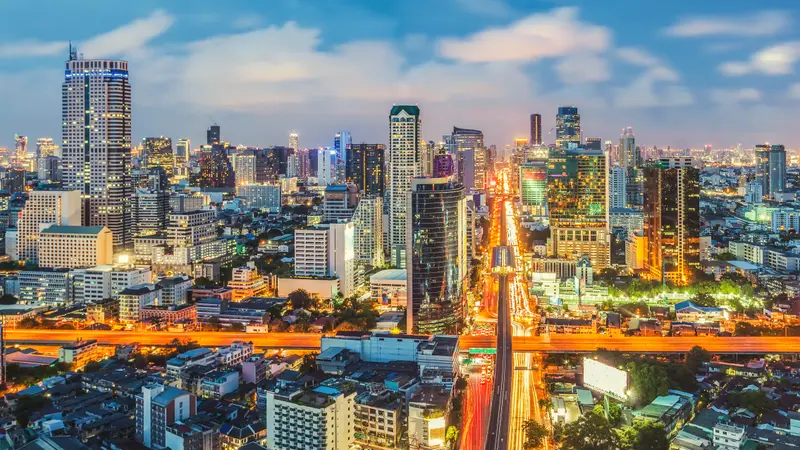
Hero photo by Worawat Li on Pexels.

Free tools for this
Answer a short set of questions and get a Move Score for cities we can actually back with data.
Try it free →
Enter an office or school address and a maximum commute to see neighbourhoods within reach.
Try it free →