Which city fits you?
Answer 3 quick questions and see the Thailand city guide worth researching first.
Try it free →The complete starting point for anyone moving to, renting in, buying in or investing in Koh Lanta — every major area, rent, cost of living, healthcare, lifestyle, investment and relocation, each linking to a deeper guide.
Tap a pin to start from there and see walking or driving reach, or open that area’s guide.
New to the island? Start with the cost breakdown below, then compare each area's vibe and rent to find your fit.
See every Koh Lanta area ranked by the BAANLYY Area Score™ →
Koh Lanta is a long, laid-back island in Krabi province on Thailand's Andaman coast — slower-paced and less developed than Phuket or Koh Samui, with a strip of beaches running down its west coast and a historic fishing village, Lanta Old Town, on the sheltered east side. It suits remote workers, retirees, budget-minded long-stayers and families who want real island life at a lower cost, with the trade-off of a pronounced low season, thinner healthcare and limited international schooling compared with the bigger islands.
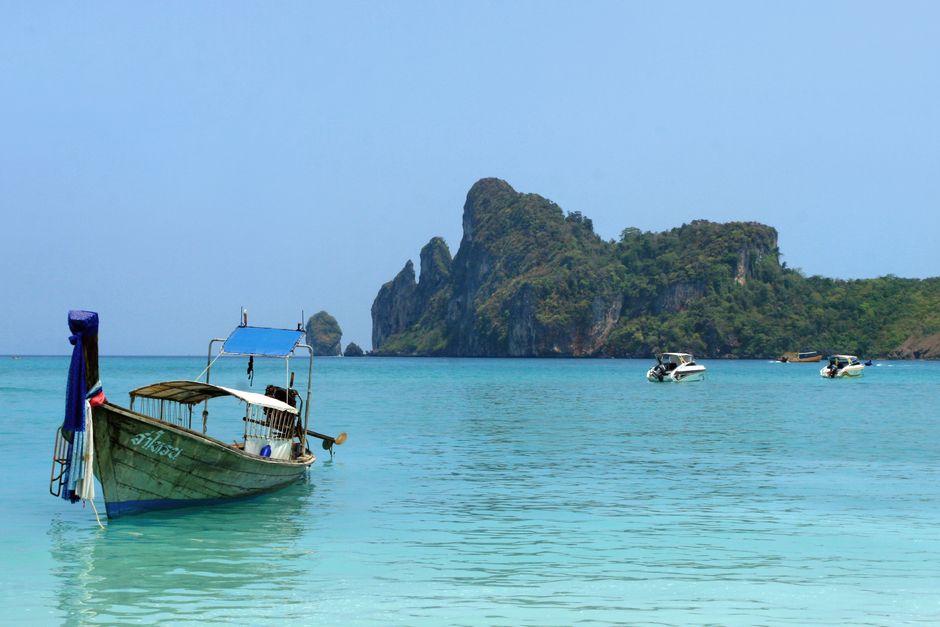 Photo: Jeffry Surianto / Pexels
Saladan at the northern tip is the practical hub — main pier, banks and the widest everyday rental stock. Long Beach (Phra Ae) is the main tourist and restaurant strip with the deepest long-stay rental market. Klong Khong is a quieter, budget-friendly community with a small yoga scene. Klong Nin has grown into a popular mid-range base with good cafes. Kantiang Bay toward the south is more scenic and upscale, with fewer crowds. Lanta Old Town on the east coast offers the cheapest rents and the most local, historic character.
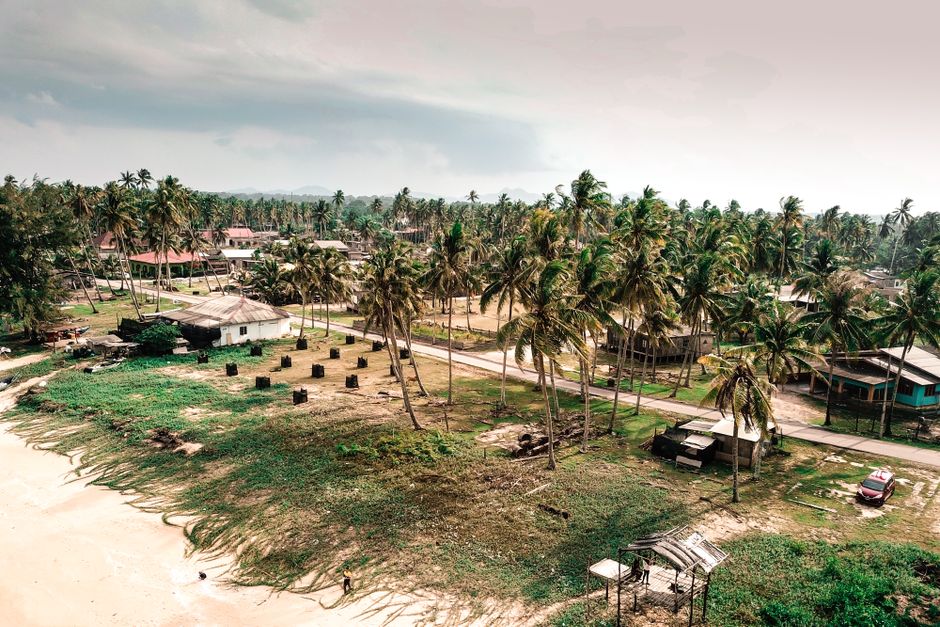 Photo: Pok Rie / Pexels
The nearest airport is Krabi (KBV); from there it's a road transfer plus a short ferry or bridge crossing onto the island. On Koh Lanta itself there is no real public transport network and ride-hailing coverage is thin to nonexistent, so a rented scooter (roughly ฿2,500–4,000/month) is the default for almost everyone. A car makes more sense for families or the rainy season, but most solo expats and nomads never need one.
 Photo: Mahmut Yılmaz / Pexels
Koh Lanta is one of Thailand's better-value islands — generally cheaper than Phuket or Koh Samui, with rents from around ฿5,000–6,000/month in Old Town and inland areas up to ฿12,000–22,000/month on the popular Long Beach, Klong Nin and Kantiang Bay strips, and small private-pool villas from roughly ฿20,000–80,000/month. The island also has a real low season (roughly May–October) when demand and prices drop and some businesses close entirely. See the full budget breakdown by lifestyle and area.
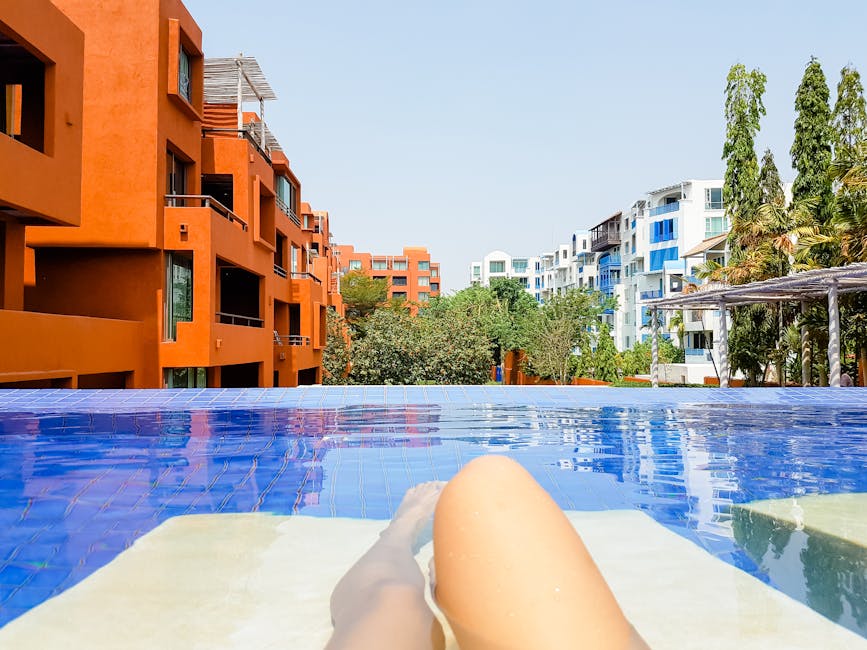 Photo: Tirachard Kumtanom / Pexels
Koh Lanta's rental market runs on two tracks: long-term 6-12 month leases where residents actually live, and a seasonal holiday market that spikes November-April and can cost several times more per month. Rents range from around THB 5,000-9,000/month in Old Town to THB 12,000-25,000+ for a one-bedroom in scenic Kantiang Bay, with private-pool villas well beyond that. Signing a full-year lease is the standard way to lock in the lower rate and skip the high-season squeeze.
Full Koh Lanta rental market guide - rents, seasons & leases →
 Photo: Maria Orlova / Pexels
Koh Lanta's property market is small and tourism-driven, with limited condominium stock, so most foreign buyers hold land through a registered lease or a Thai company structure and build or renovate a bungalow or villa. Rental demand concentrates on Long Beach, Klong Nin and Kantiang Bay, with a clear seasonal swing between high and low season. As with any resort-island market, confirm land titles and run realistic occupancy numbers — including the low-season gap — before committing capital.
 Photo: Gopinath Mohanta / Pexels
An honest overview of Koh Lanta's small condo market -- just 2 genuinely verified, small-scale developments exist island-wide (Coconut Bay near Klong Nin, Stay in Koh Lanta Service & Business near Saladan), consistent with the island's villa-dominated, low-rise character. See both, plus where to look nearby for a bigger condo-tower market.
This is the island's biggest caveat: Koh Lanta has a small government hospital plus private clinics for routine care and minor emergencies, but anything serious or specialised means a transfer to Krabi (roughly two hours by road plus a crossing) or on to Phuket or Bangkok. Comprehensive health insurance with strong evacuation and emergency cover is essential given the distance to advanced care, not optional.
Koh Lanta healthcare guide — hospitals, clinics & insurance →
 Photo: Jonathan Meyer / Pexels
Life on Koh Lanta moves at a slower pace than Phuket or Samui: long, uncrowded beaches, a small but real yoga and wellness scene around Klong Khong and Klong Nin, national parks and snorkelling at the island's southern tip, and a compact, easygoing expat community. Fewer malls and international chains than the bigger islands, and a low season when part of the island quietly shuts down — both a feature and a caveat depending on what you're looking for.
 Photo: Jordi Costa Tomé / Pexels
Moving to Koh Lanta means planning around its island rhythm: shipping, big purchases and hospital runs route through Krabi or Phuket. Most long-stayers base in or near Saladan or Old Town for practicality, or the Long Beach/Klong Nin corridor for beach access and amenities, then build out banking, insurance and a scooter. International schooling is very limited on-island, so families with school-age children typically look to Krabi town, Phuket or Koh Samui instead. Our relocation and visa guides walk through the practical steps.
 Photo: cottonbro studio / Pexels
The same national visa options apply here as anywhere in Thailand — the DTV for digital nomads, the LTR for high earners and retirees, retirement visas for over-50s, the Elite/Privilege membership, and marriage and education visas — each with its own income, insurance and reporting requirements. Routine 90-day reporting and extensions for Koh Lanta residents are handled through Krabi's immigration office.
 Photo: Jakub Zerdzicki / Pexels
Koh Lanta has no immigration office of its own — 90-day reporting, annual extensions of stay, TM30 and re-entry permits all route through Krabi Provincial Immigration on the mainland, reached via the Ban Hua Hin car ferry and the Koh Lanta Noi–Yai bridge (roughly 1.5–2.5 hours each way). Postal and online 90-day reporting spare most residents the crossing for routine filings.
 Photo: Kadir Akman / Pexels
Every major Thai bank has a branch in Saladan, the island's pier town, and it is the reliable place for long-stay foreigners to open an account — easiest with a DTV, LTR, retirement or marriage visa. The rest of the island runs on ATMs, and for trickier cases many islanders finish the process on a trip to Krabi Town.
 Photo: Steve Pancrate / Pexels
Koh Lanta has no Land Transport Office (DLT) of its own — getting or converting a Thai driving licence means crossing to the Krabi Provincial Land Transport Office via the Ban Hua Hin car ferry and the Koh Lanta Noi-Yai bridge, roughly 1.5-2.5 hours each way. Converting a valid foreign licence usually skips the practical test; a separate motorcycle licence is essential since the scooter is the default way to get around the island.
 Photo: Markus Winkler / Pexels
Koh Lanta has no airport of its own — everyone arrives via Krabi International Airport (KBV), roughly 70-90 km away, then travels overland and crosses onto the island by the Ban Hua Hin car ferry and the Koh Lanta Noi-Yai bridge. Budget 1.5-2.5 hours door to door, more in high season when ferry queues build. Van-and-ferry through-tickets, pre-booked private transfers, taxis and self-drive rentals all cover the route.
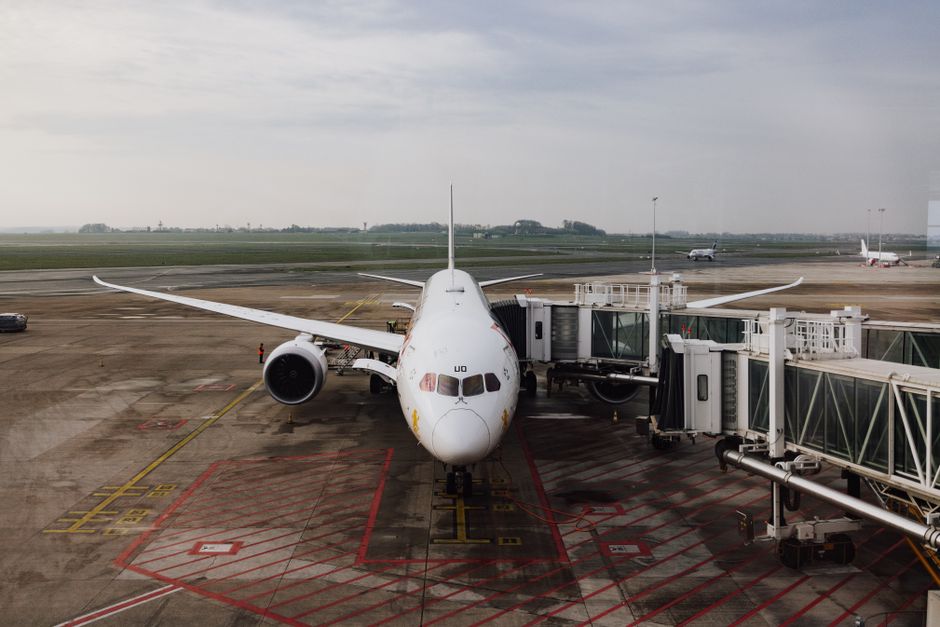 Photo: K / Pexels
Koh Lanta has no dedicated international school on-island — families rely on a small set of local bilingual/English-programme schools, a couple of English-medium kindergartens, and a genuinely active homeschool and online-schooling community. Families wanting a full British, IB or American pathway typically look to Krabi Town or, for the complete K-12 option, the established Phuket international schools.
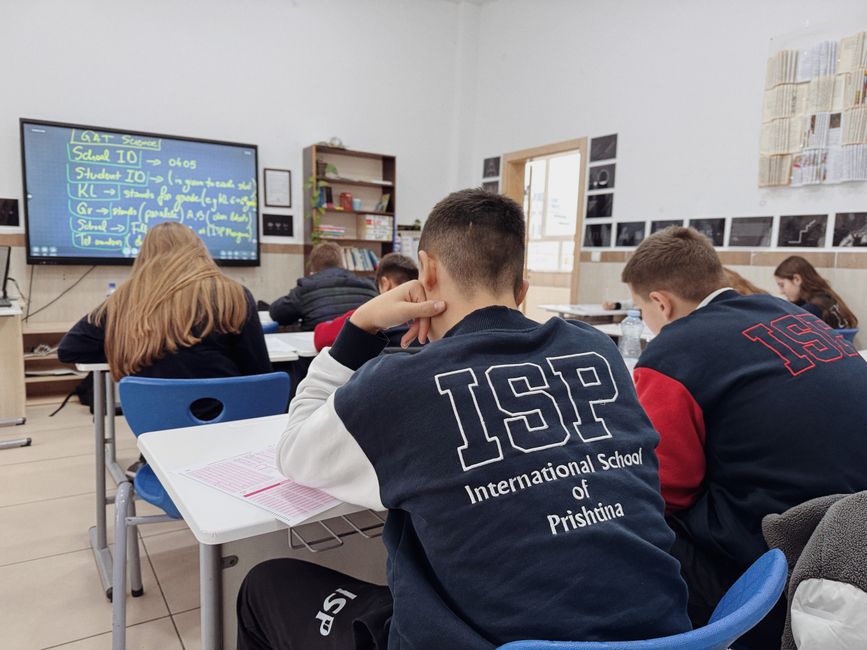 Photo: This And No Internet 25 / Pexels
Koh Lanta has one of the calmer, more family-friendly reputations among Thailand's popular islands, no Full Moon Party-style event and low violent crime. The real risks are specific: scooter accidents on the island's roads, box jellyfish and rip currents in the sea, a handful of well-known scams, and thin healthcare given the bridge-and-ferry-only access to the mainland.
 Photo: Eduardo Escalante / Pexels
Koh Lanta's foreign community is small and seasonal, split between the practical Saladan hub, the Long Beach social strip, a tighter yoga-and-nomad crowd around Klong Khong and Klong Nin anchored by KoHub co-working, and a quieter, more dispersed scene at Kantiang Bay and Old Town. It swells from November to April and thins over the May-October low season, so plan your arrival and social anchors accordingly.
 Photo: Zubair Rafiq / Pexels
Koh Lanta stands apart religiously from most of Thailand: a substantial, by many accounts majority, Thai-Muslim population and mosques concentrated around Baan Khlong Tob and Sala Dan, Buddhist temples including Wat Ko Lanta and Old Town's Chinese shrine, and the island's oldest community, the animist Chao Ley (Urak Lawoi) sea gypsies at Sangkha-U. English-language Christian options are limited compared with Phuket or Bangkok.
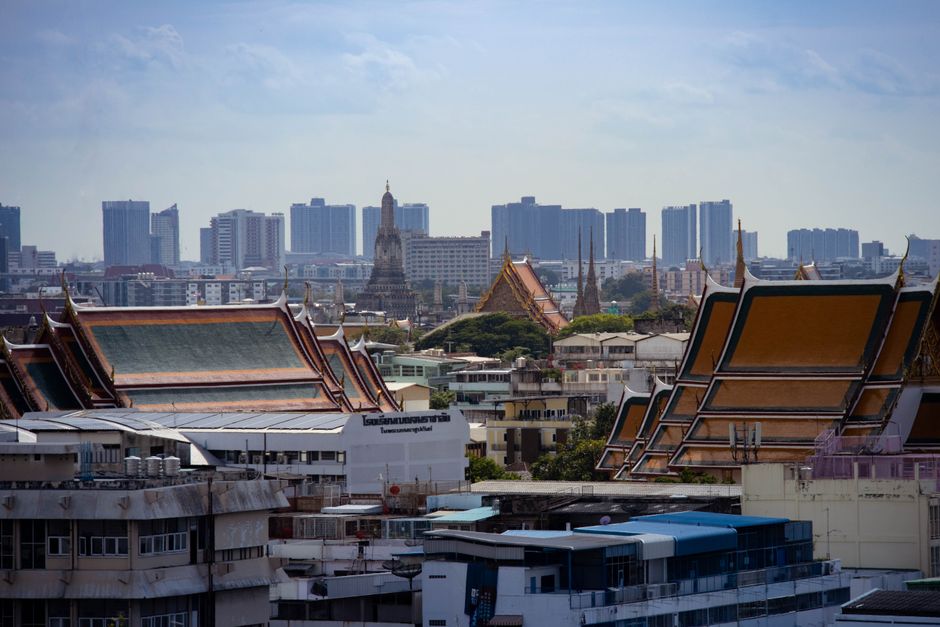 Photo: Zaonar Saizainalin / Pexels
Koh Lanta has arguably the strongest dedicated yoga and retreat scene of any Krabi-province island, centred on Oasis Yoga Bungalows in Klong Khong and the wellness-and-nomad cluster around KoHub co-working in Klong Nin, plus resort sessions on Long Beach and a handful of standalone multi-day retreat centres. Drop-in classes run roughly 250-400 THB, with the fullest timetables from November to April.
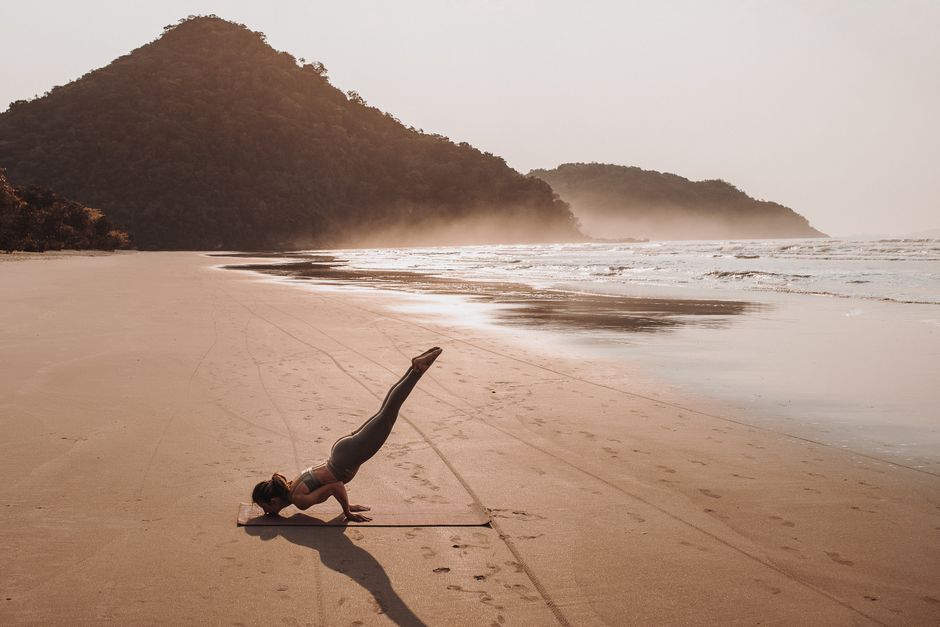 Photo: Tatiana Danelli / Pexels
Koh Lanta follows the same May-November southwest monsoon as the rest of the Andaman coast, peaking around September-October. There's no island-wide flood risk, but the tidal Saladan pier town and the stilted Lanta Old Town waterfront can take on water when heavy rain meets a high tide, and the canal-mouth beaches at Klong Khong and Klong Nin pond briefly in the heaviest storms. An upper floor removes most of the risk almost anywhere on the island.
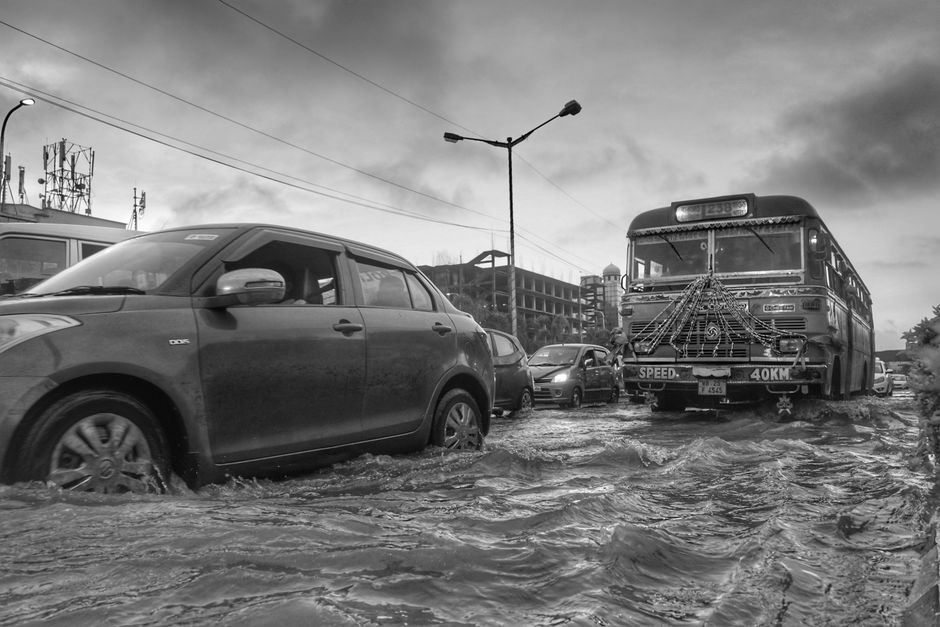 Photo: Dibakar Roy / Pexels
Beyond the beach chair: Lanta Old Town’s stilted Sino-Thai shophouses and Saturday Walking Street, the Laem Tanod lighthouse trail through Mu Ko Lanta National Park, jungle caves and waterfalls inland, and boat day trips to the Four Islands, Koh Rok and the dive sites at Koh Ha and Hin Daeng/Hin Muang. Add a growing yoga scene around Klong Khong and ethical, no-riding elephant and animal-welfare visits nearby.
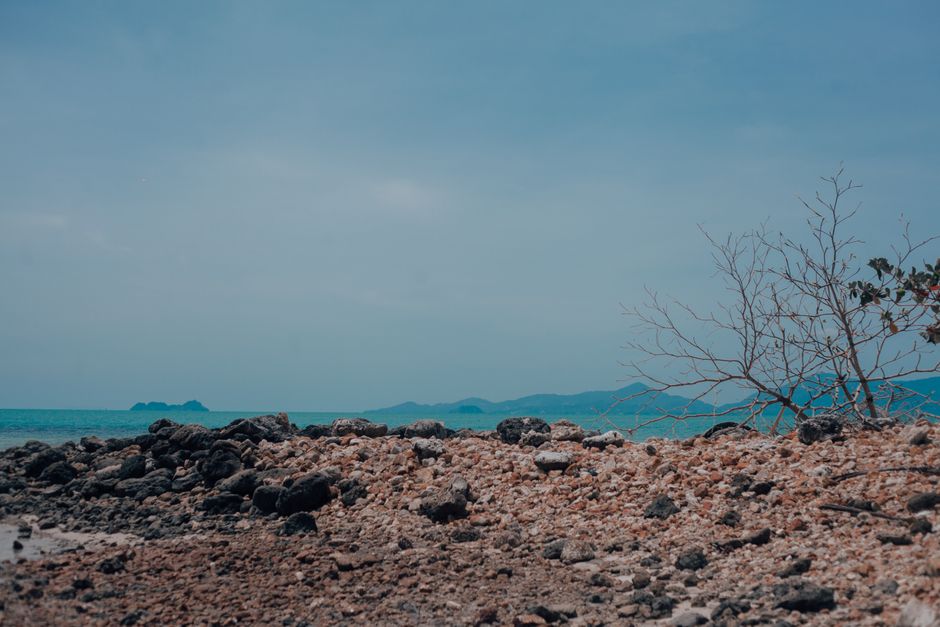 Photo: Anetta Kolesnikova / Pexels
Old Town's stilted seafood shophouses, Saladan's everyday eats, the Long Beach and Klong Dao restaurant strip, a genuinely good vegan and yoga-driven cafe scene around Klong Khong and Klong Nin, and sea-view fine dining in Kantiang Bay - plus what to know about limited delivery-app coverage and low-season closures.
 Photo: Olivier Bergeron / Pexels
A small cluster of private vet clinics around Saladan and the Long Beach/Klong Dao corridor covers routine care, and the well-known charity Lanta Animal Welfare treats and sterilizes the island's street dogs and cats and also serves everyday pet owners. Anything complex means the same Krabi crossing used for human healthcare, and bringing a pet on or off the island follows the same route through Krabi.
 Photo: Mikhail Nilov / Pexels
Private clinics in Saladan, Long Beach and Klong Nin plus Koh Lanta Hospital's basic dental department cover routine work — cleanings, fillings and simple extractions — cheaply and on-island. Anything more involved, such as a crown, root canal or implant, means the same roughly two-hour Krabi crossing used for other healthcare, with Phuket as a common next stop for bigger cosmetic or multi-visit treatment.
 Photo: SHVETS production / Pexels
Independent pharmacies cluster in Ban Koh Lanta/Old Town — KAM's Pharmacy, Sumon Pharmacy and Old Town Pharmacy — alongside clinic pharmacies at Andaman International Clinic (Long Beach) and Take Care International Clinic (Saladan and Klong Khong), plus Koh Lanta Hospital's own pharmacy. Most everyday medicine is available over the counter without a prescription; anything scarce, controlled or specialised means a Krabi mainland trip, and stock runs thinner in the May-October low season.
 Photo: cottonbro studio / Pexels
Koh Lanta punches above its weight for remote work thanks to KoHub, the island's flagship coworking space on Long Beach (Phra Ae), which anchors a genuine digital-nomad community every high season. Klong Nin has grown into a second cafe-and-cowork cluster, while Saladan, Klong Khong and Old Town fill in with laptop-friendly cafes for everyday work. See day-pass and monthly pricing, and where to base yourself.
 Photo: Kampus Production / Pexels
Together Cafe's reported 434 Mbps rivals KoHub itself, and Klong Nin pairs good wifi with real beach time at Escape Cafe & Lym's Bar and Jai-Dee Home. A companion to the coworking-spaces guide above, focused on named cafes, prices and etiquette.
 Photo: Dogan Alpaslan Demir / Pexels
Koh Lanta has very little condominium stock, so long-stay homes are almost entirely bungalows, houses and villas let directly by owners on a registered land lease or Thai company structure rather than corporate buildings. Housing pairs differently with each visa: DTV nomads cluster around Long Beach and Klong Nin for KoHub coworking and fibre, LTR and retirement holders — the island's largest long-stay group — favour quieter Kantiang Bay or Klong Khong, and marriage-visa families weigh school access against beach lifestyle. Koh Lanta has no immigration office of its own, so TM30, 90-day reporting and annual extensions all route through Krabi.
 Photo: Quang Nguyen Vinh / Pexels
AIS Fibre, True Online and 3BB cover the developed west coast from Saladan through Long Beach (Phra Ae) to Klong Nin, roughly 400-1,000 baht a month, while Kantiang Bay, Old Town and the quieter southern beaches are thinner or mobile-only. AIS has the best mobile coverage on boats and back roads; KoHub anchors the island's most reliable dedicated wifi for remote work. See prepaid vs postpaid SIMs, eSIM, coverage by area and where to buy.
 Photo: Jakub Zerdzicki / Pexels
Koh Lanta has a genuine Muay Thai scene around Saladan and Klong Dao, led by Lanta Muay Thai Complex and Lanta Gym Muay Thai, plus Fit On Lanta - the island's only dedicated CrossFit box - on Long Beach. Resort and condo gyms fill in the gaps elsewhere, while Klong Khong and Klong Nin lean more toward yoga and wellness. See training options, best areas and membership costs.
 Photo: Andrea Piacquadio / Pexels
Koh Lanta's nightlife runs on reggae bars, nightly fire shows and sand-floor lounges along Long Beach and Klong Dao, plus the atmospheric Saturday walking street in Old Town - a small, laid-back scene that contracts sharply during the May-to-October low season, when many beach bars close entirely.
 Photo: Serg Alesenko / Pexels
Is Koh Lanta tap water safe to drink? Short answer: no - PWA mains reach Saladan and Long Beach but plenty of homes and villas further south run on private wells or rain catchment instead. Here's bottled delivery, refill stations, RO filter costs and dry-season tips.
 Photo: Helena Lopes / Pexels
Koh Lanta has no airport of its own; shipments reach the island via Krabi and a final ferry or bridge crossing. Here's how that crossing affects your timeline and cost, the local moving market around Saladan with its pronounced low-season slowdown, and the customs, duty and monsoon-season storage rules that apply.
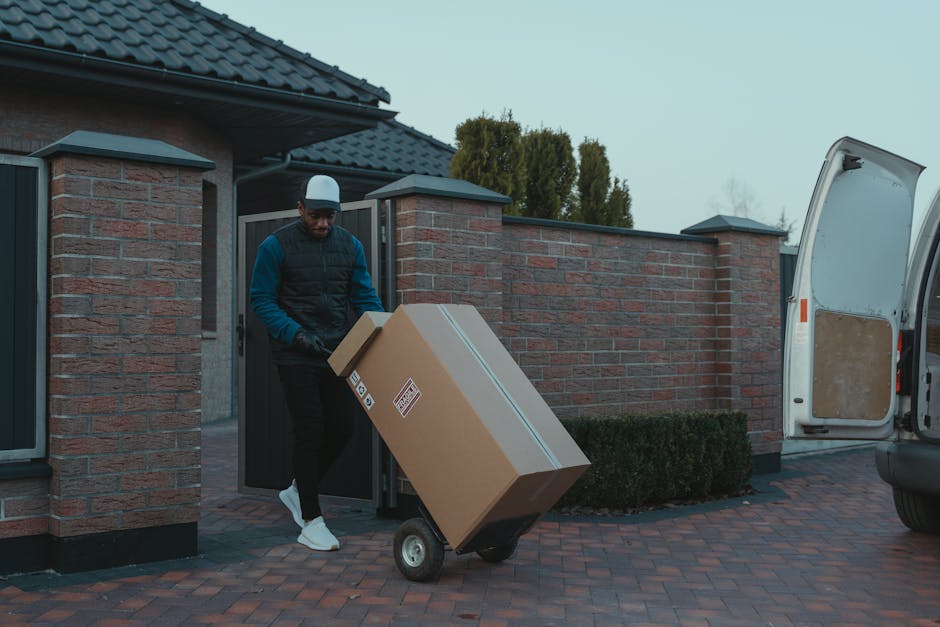 Photo: Tima Miroshnichenko / Pexels
Koh Lanta's Andaman-facing position keeps the air clean most of the year, with no local burning season. The real risk is transboundary haze from Indonesian Sumatra fires in strong El Nino dry seasons, typically August to October, the same event that affects Phuket and Krabi.
 Photo: Je Hwan Lee / Pexels
Koh Lanta has no mall or IKEA - just the Saladan pier cluster of convenience stores and a fresh market, the genuinely special Saturday Old Town Walking Street, and a Krabi-town run for anything bigger. See where to shop, where to furnish a rental, and how the low season changes things.
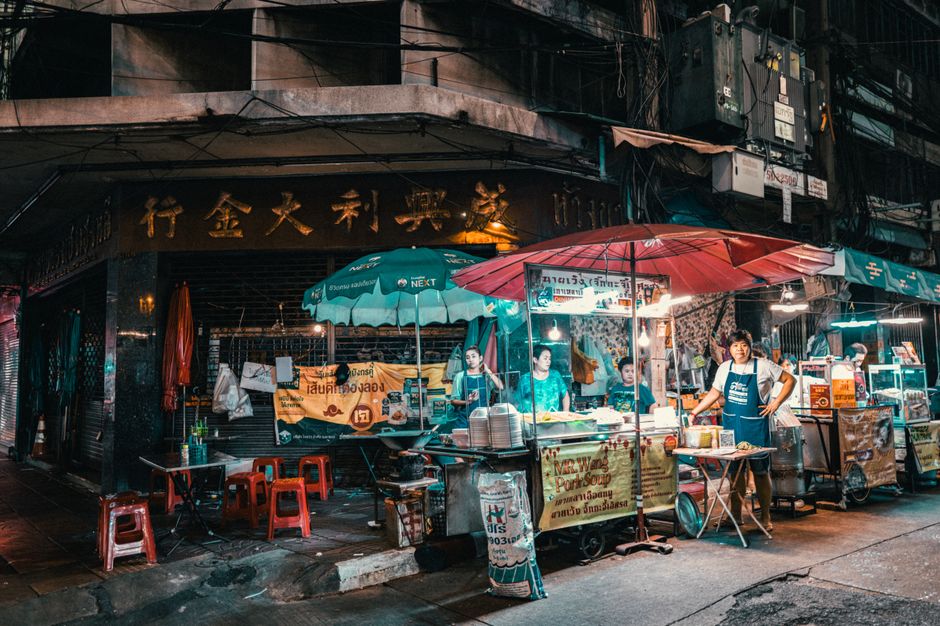 Photo: Tony Wu / Pexels
Save these before you need them: 191 police, 1669 ambulance, 199 fire, and 1155 for the English-speaking Tourist Police. Koh Lanta Hospital handles routine care; serious cases transfer to Krabi town, roughly an hour to ninety minutes away.
 Photo: RDNE Stock project / Pexels
A rented scooter or car is how almost everyone gets between Saladan, Long Beach and Old Town, with the island's bridge from Koh Lanta Noi making ownership more practical than on ferry-only islands — costs, licences, insurance and where to rent.
 Photo: Renato Rocca / Pexels
Koh Lanta has no dedicated international nursery or franchise daycare centre. What exists is a handful of local bilingual/English-programme schools with an early-years stream around Saladan and Old Town, plentiful Thai kindergartens (anuban), and a strong culture of hiring a nanny for babies and toddlers. Families wanting a branded international-style setting typically look to Krabi Town or Phuket.
 Photo: Pavel Danilyuk / Pexels
Land leases and company structures for a villa, resort or tour business, Foreign Business Act licensing, visas (Koh Lanta has no immigration office of its own -- that's handled in Krabi town), and marriage and wills, which can be filed at Koh Lanta's own district office. At least one firm keeps an actual branch on the island; typical fees and how to vet a firm before you commit.
 Photo: Andrea Piacquadio / Pexels
PEA electricity, PWA mains water around Saladan and Long Beach (private wells and rain catchment further south), AIS/True fibre on the west coast, cooking gas and how residents actually pay every bill.
 Photo: Kelly / Pexels
Koh Lanta has no branded self-storage chains -- most residents lean on trust-based arrangements with a villa caretaker or property manager between rental contracts, or truck a full household's belongings across the car ferry to a mover's warehouse in Krabi town. A handful of informal storage rooms occasionally turn up near Saladan or the main beaches by word of mouth.
 Photo: Ryan Klaus / Pexels
Ko Lanta is a district, not a province, so it has no Immigration Bureau or Land Office of its own -- those are in Krabi town. What the island does have on-island: its own District Office on Ko Lanta Noi, and the main Police Station in Saladan. Our guide covers both, with what's handled where.
 Photo: Markus Winkler / Pexels
A direct search found no dedicated residential nursing home physically on Koh Lanta itself. Koh Lanta Hospital covers general and emergency care, but for ongoing custodial nursing, dementia care or assisted living, residents typically look to Krabi town (roughly 1.5-2 hours away) or Phuket (roughly 3-4 hours away, Thailand's most developed cluster outside Bangkok and Chiang Mai). Home care agencies can arrange in-home support to help residents stay on the island longer.
 Photo: Jsme MILA / Pexels
There is no dedicated staffing agency based on Koh Lanta itself. Most expats hire through the island's Facebook and LINE groups, villa or resort management referrals, or their landlord, with a Krabi town or Ao Nang agency the realistic backup for a fully vetted live-in maid. Ferry-dependent island logistics make live-out staff commuting from further away harder to arrange than on the mainland.
A small cluster of two to three optical shops operates in Saladan, including S.K. Optik, part of a small family-run chain covering Krabi, Ao Nang, Koh Lanta and Koh Samui. Koh Lanta Hospital covers general eye complaints, but for a wider selection or specialist eye care, Krabi Nakharin International Hospital (roughly 1-1.5 hours away) runs a dedicated Eye Care service.
 Photo: Ksenia Chernaya / Pexels
Koh Lanta's salon scene centres on named, genuinely established options like Headquarters Lanta on Long Beach (foreign-owned, English/Swedish-fluent) and Lanta Salon, alongside everyday choices around Saladan and Old Town, plus in-house resort spa-salons.
Koh Lanta genuinely has its own dedicated Thai-language school -- Lanta International Language School (LILS) in Saladan -- offering group Intensive, Standard and Easy Thai courses and supporting the education (ED) visa, with extensions handled at Krabi Immigration.
No Grab, no foodpanda (which exited Thailand entirely in May 2025) -- Koh Lanta's real delivery options are Lanta365, the island's own service running since 2019, and KOHME, a newer multi-island app. Saladan's Lanta Mart covers everyday groceries; a full supermarket run means crossing to Krabi town.
Koh Lanta has built a genuine training-island reputation: Lanta Muay Thai Academy (owned by former world champion William Decha Rodraksa, 153+ independent Tripadvisor reviews), Lanta Muay Thai Complex (ED-visa support, yoga, ice-bath), Lanta Sport Complex and Nicha MuayThai Gym all offer independently reviewed training -- day rates from roughly 400 THB, without Phuket’s crowds.
No chain laundromat on the island -- coin-operated machines and wash-and-fold shops clustered around Saladan, Long Beach and Klong Dao instead, plus resort laundry and real per-kilo THB rates.
A slower-paced, better-value island retirement than Phuket or Koh Samui, best suited to retirees comfortable trading a full private hospital and an airport for island quiet -- Saladan for practical convenience, Klong Khong/Klong Nin for budget beach living, or Kantiang Bay for an upscale villa lifestyle. Realistic budgets, hospitals and the Krabi mainland transfer, visa basics and the mistakes to avoid.
Photo: Jsme MILA / PexelsFour real PADI dive centers -- Lanta Diver (PADI 5-Star CDC since 1999), Phoenix Divers Koh Lanta (PADI 5-Star IDC since 2002), Hidden Depths Diving and Andaman Dive Adventure -- nearly all based in or near Saladan, running daily boat trips to Koh Haa, Koh Bida, Koh Rok and the island's signature sites, Hin Daeng and Hin Muang.
Editorial analysis compiled and periodically refreshed by BAANLYY’s research team — not a live data feed.
Analysis last reviewed July 2026.
It depends on your priorities: Saladan for everyday practicality and the pier; Long Beach (Phra Ae) for restaurants, nightlife and the deepest rental market; Klong Khong for a quieter, budget-friendly yoga scene; Klong Nin for a growing mid-range café community; Kantiang Bay for scenic, more upscale sea views; and Lanta Old Town for the cheapest rents and local, historic character.
No. The nearest airport is Krabi (KBV). Most travellers fly into Krabi and then take a road transfer plus a short ferry or bridge crossing onto the island.
Condominium supply is very limited on the island. Foreigners cannot own land outright, so villas and bungalows are typically held through a registered long-term lease or a Thai company structure — confirm land title and structure carefully before buying.
Roughly May through October is Koh Lanta's low season: fewer tourists, lower rents, and some restaurants, bars and shops close for part of the period. It's a real factor to plan around if you're budgeting a long-term stay or considering seasonal rental income.
Pick your area, browse homes, and run the numbers.
Primary and official sources are cited above. Government rules, fees and procedures in Thailand change over time and vary by office; always confirm current requirements with the relevant authority before relying on them. BAANLYY never takes paid placement in editorial content.
General information and indicative pricing, not legal, tax, immigration or financial advice. Confirm current details with official sources, individual listings or licensed professionals.

Free tools for this
Answer 3 quick questions and see the Thailand city guide worth researching first.
Try it free →