Which city fits you?
Answer 3 quick questions and see the Thailand city guide worth researching first.
Try it free →The complete starting point for anyone moving to, renting in or relocating to Ayutthaya — Thailand's UNESCO-listed former capital, with where to live, cost of living, transport, healthcare and relocation, each linking to a deeper guide.
Tap a pin to start from there and see walking or driving reach, or open that area’s guide.
Compare each area's vibe and rent below, or see the full Ayutthaya areas guide.
Ayutthaya was the capital of the Siamese kingdom for over 400 years until 1767, and today the Historic City of Ayutthaya is a UNESCO World Heritage Site — a compact riverine "island" old town ringed by red-brick temple ruins, reclining Buddhas and the famous stone Buddha head cradled in banyan-tree roots at Wat Mahathat. It sits roughly 80km, or an hour to ninety minutes, north of Bangkok by road or rail, making it easily reachable for day trips, weekend visits and regular commuting into the capital. It suits people drawn to a quieter, history-rich, distinctly Thai town with genuinely low living costs and easy Bangkok access, more than an established international expat scene, beaches or nightlife — Ayutthaya's foreign community is small and skews toward history buffs, retirees seeking a calm base near Bangkok, and long-stay travelers rather than a large digital-nomad or corporate-relocation population.
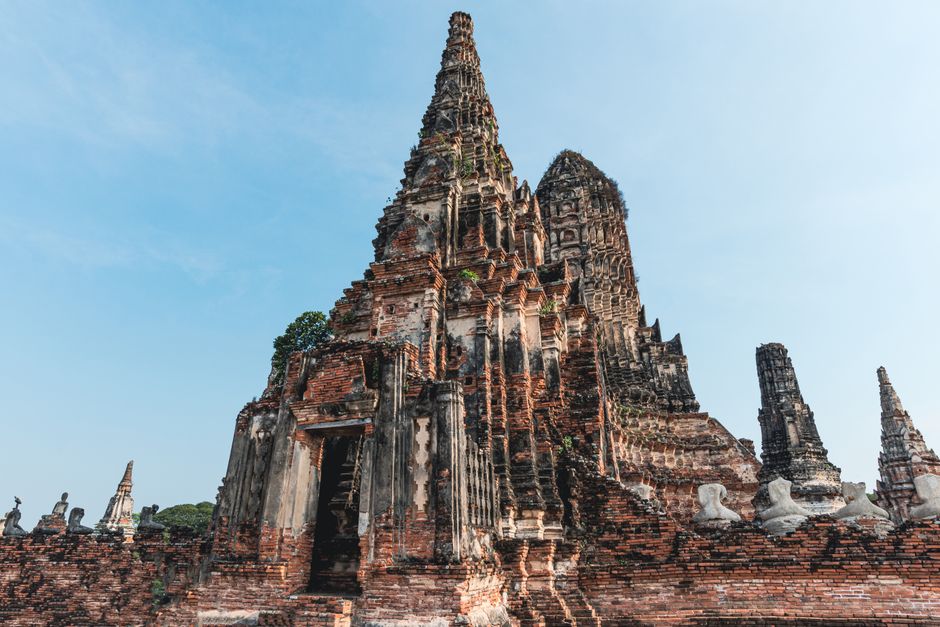 Photo: Kirandeep Singh Walia / Pexels
Most long-stayers settle on or near the historic island itself — walkable, close to the ruins, cafes and the night market, with a mix of guesthouses, small apartments and older houses — or in the newer residential areas east of the river toward the Asian Institute of Technology's original campus and the road to Bangkok, which offer more modern housing, supermarkets and easier parking. Condominiums are rare here; houses, townhouses and low-rise apartments make up most of the rental stock, and choice is far more limited than in Bangkok or the larger regional hubs.
Full Ayutthaya areas guide — Historic Island, Hua Ro, Wang Noi & Bang Pa-in →
 Photo: Markus Winkler / Pexels
Ayutthaya has no BTS or MRT — the old town is genuinely walkable and cyclable, with tuk-tuks, songthaews and rented bicycles or motorbikes covering the rest. What it does have is a working mainline railway: Bangkok is reachable by regular SRT trains from Ayutthaya station (roughly 1–2 hours depending on service), joined since 1 August 2026 by SRT Bangkok Connex (BNEX), an air-conditioned commuter service using refurbished Japanese KiHa 40/48 railcars, running six times each way on weekdays and four at weekends. That same line calls at Don Mueang, whose station is joined to the airport's Terminal 1 by a covered skywalk — so the more convenient of Bangkok's two airports for Ayutthaya residents is reachable by train as well as by the hour's drive south. Buses and vans run to Mo Chit 2 (not Victory Monument, whatever older guides say), and the Asian Highway takes about an hour to ninety minutes to Bangkok outside peak traffic.
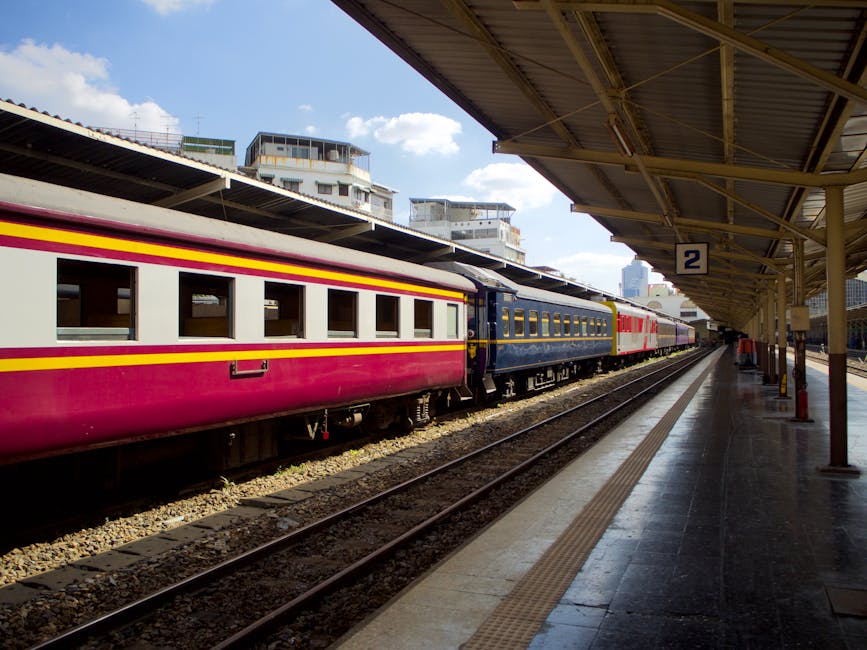 Photo: Bobby Brown / Pexels
Ayutthaya is one of the more affordable places to live within easy reach of Bangkok — meaningfully cheaper than the capital on rent, food and everyday services, reflecting its profile as a historic provincial town rather than an international hub. Furnished houses and apartments are widely available at a fraction of central-Bangkok rents, though the overall rental market is smaller and less standardized than in bigger cities. See our detailed Ayutthaya cost-of-living breakdown for category-by-category numbers.
 Photo: Optical Chemist / Pexels
Ayutthaya does not have an international school of its own. Relocating families with school-age children typically commute or board at a Bangkok international school roughly an hour to ninety minutes away, choose a local Thai private or Catholic school, or use an accredited homeschool or online curriculum — see the full breakdown for which route fits your family.
Schools in Ayutthaya — the real options for expat families →
 Photo: Ron Lach / Pexels
Ayutthaya is the seat of a national university, not just the home of a Rajabhat one. Rajamangala University of Technology Suvarnabhumi has its Office of the Rector at Hantra and two of its four campuses in the province; Mahachulalongkornrajavidyalaya University, Thailand's oldest Buddhist university, moved its main campus to Wang Noi in 2008 and teaches degrees in English there through its International Buddhist Studies College. Add Phranakhon Si Ayutthaya Rajabhat University (tracing to 1905), the private IESA institute at Wat Tum, and the technical college's vocational route. None of it is a K-12 option: Ayutthaya has no international school of its own, so relocating families typically look to Bangkok for school-age children.
Ayutthaya higher education — RMUT Suvarnabhumi, ARU, MCU Wang Noi & IESA →
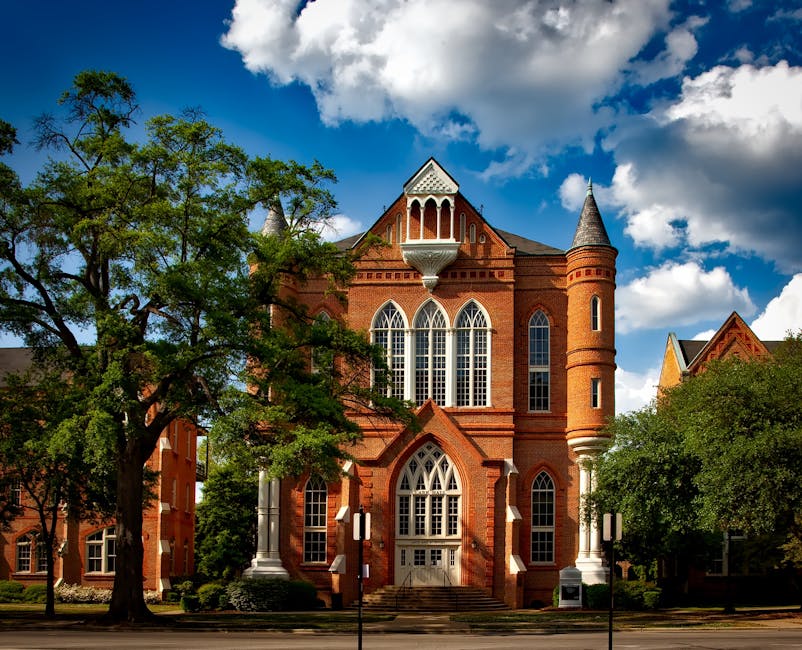 Photo: Pexels / Pexels
Ayutthaya is served by Phra Nakhon Si Ayutthaya Hospital, the main government facility, along with private hospitals including Rajthanee Hospital near the historic island and Ratchathani Rojana Hospital toward Bang Pa-in, offering routine and urgent care. For complex or highly specialized treatment, most residents travel to Bangkok's private hospital network, about an hour to ninety minutes away by road, which is straightforward given the proximity. Arranging private health insurance before you move is worth doing, particularly for retirement-visa applicants.
Full Ayutthaya healthcare guide — hospitals, costs & insurance →
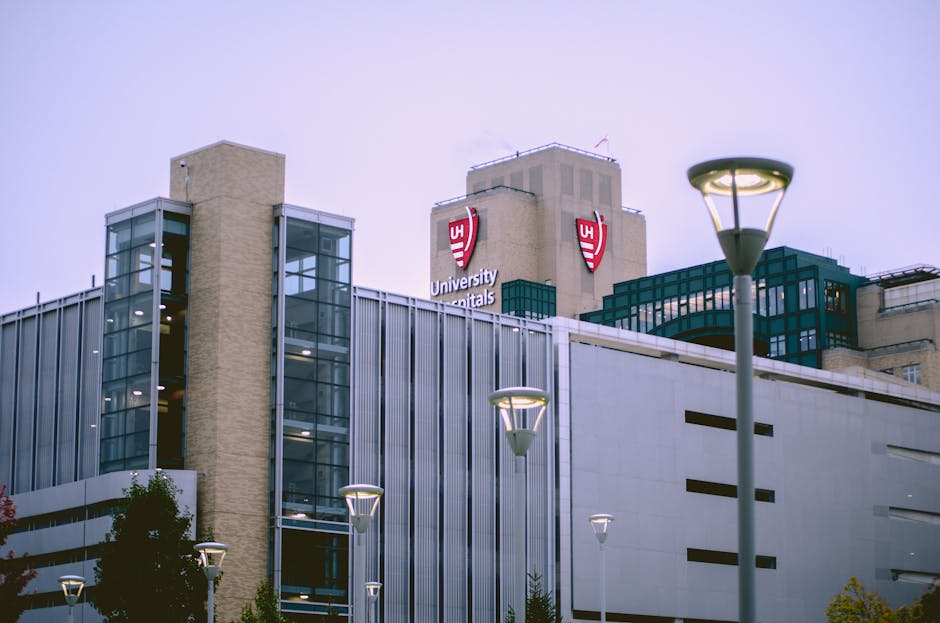 Photo: Jonathan Meyer / Pexels
Ayutthaya's foreigner-friendly banking centres on Krungsri (Bank of Ayudhya) and Kasikornbank branches inside Ayutthaya City Park, plus Bangkok Bank along U Thong Road on the historic island. Retirement-visa, LTR and work-permit holders (including Rojana Road industrial-estate staff) open accounts routinely; DTV holders see more variation between branches. Bring your passport, visa and proof of address, and expect PromptPay and mobile banking set up the same day.
Full Ayutthaya banking guide — opening an account, visa documents & digital banking →
 Photo: Steve Pancrate / Pexels
Moving to Ayutthaya typically means choosing between the historic island for walkability and atmosphere or the newer areas toward the Bangkok road for more modern housing, then sorting banking, healthcare and utilities — most of which is straightforward given the short distance to Bangkok for anything the local market doesn't cover. Long-stayers here commonly rely on retirement, marriage, DTV or LTR visas, and Ayutthaya's proximity to the capital makes it easy to combine with regular trips to Bangkok for immigration, banking, healthcare or shopping.
 Photo: cottonbro studio / Pexels
Ayutthaya City Park, at the junction of Highway 32 and Rojana Road, is the province's only large mall, with a Robinson department store, a Lotus's hypermarket and a cinema. For daily life, the historic island runs on the Hua Ro riverside night market, the Chao Phrom day market and a Saturday-evening walking street on Bang Lan Road, with HomePro and Global House on the outskirts covering furniture and appliances for a rental.
 Photo: Markus Winkler / Pexels
Ayutthaya punches above its size for food: boat noodles, once served from boats on the river and now simmered in dedicated alleys around Hua Ro, giant river prawns grilled riverside near Bang Pa-in, a genuine Japanese restaurant scene around the Rojana Road industrial estates, and Roti Sai Mai souvenir stalls near the train station. See the full guide for the best dining areas, signature dishes and practical details.
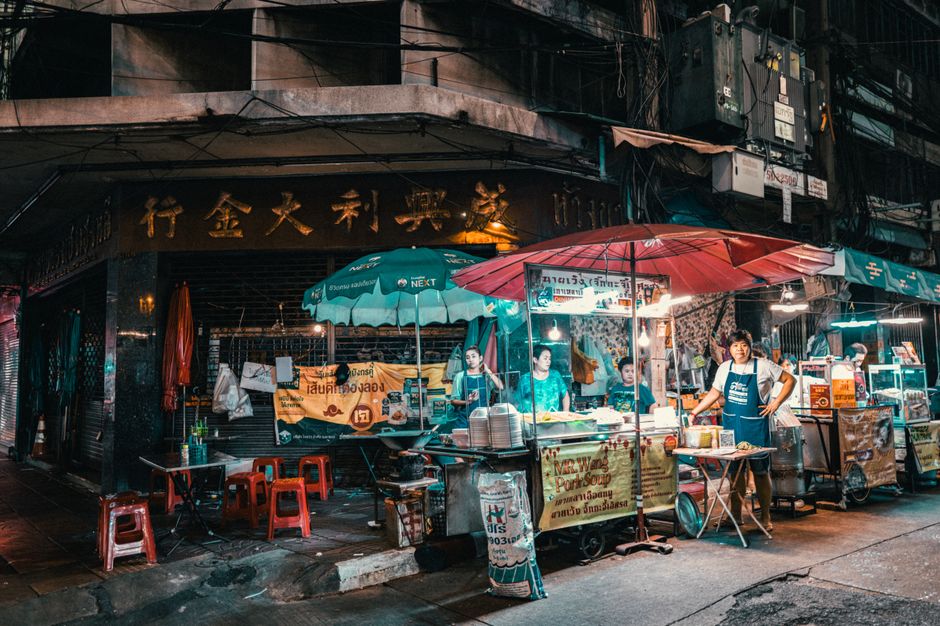 Photo: Tony Wu / Pexels
Ayutthaya has no international border of its own, and the nearest land crossing to Cambodia (Aranyaprathet/Poipet) has been closed since mid-2025 with no reopening date announced — so a visa or border run here is best done by air via Don Mueang Airport, about 40 minutes away. Most long-stay residents on a retirement, marriage, DTV or LTR visa don't need a run at all: a re-entry permit from the Ayutthaya Immigration Office before you travel is what protects your status.
 Photo: Jakub Zerdzicki / Pexels
Ayutthaya Provincial Immigration sits at 134 U Thong Road on the historic island and handles 90-day address reporting, annual extensions of stay for retirement, marriage and Rojana Road industrial-estate work permits, the TM30 address notification, re-entry permits and certificates of residence. It is far quieter than Bangkok's offices but runs a similar process, so budget documents, copies and a morning queue.
Full Ayutthaya immigration office guide — 90-day reporting, extensions, TM30 & re-entry permits →
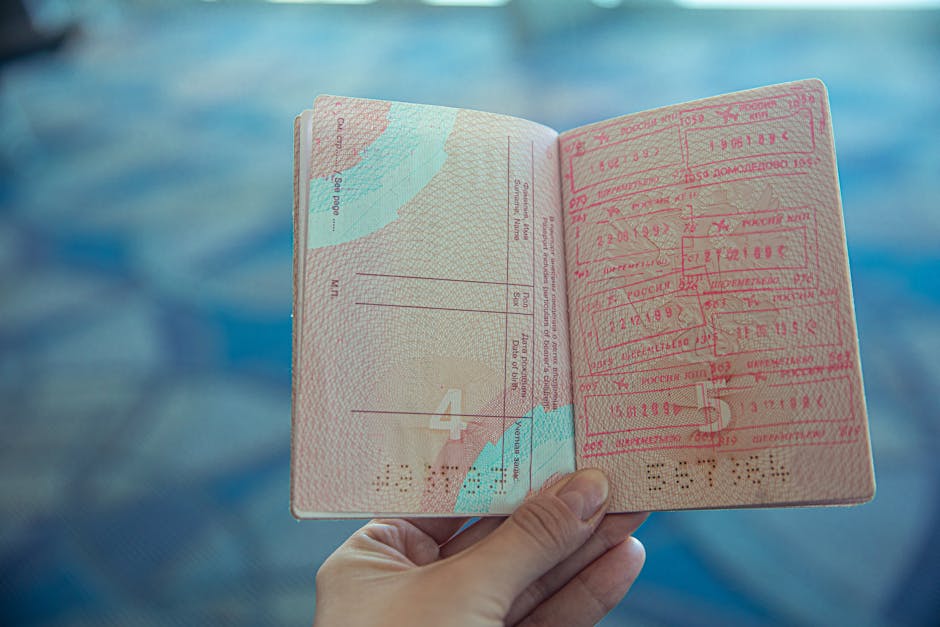 Photo: Ekaterina Belinskaya / Pexels
Ayutthaya's foreign community is small and quiet compared with Bangkok, Phuket or Chiang Mai — a few hundred long-stayers rather than thousands, built around the historic island's guesthouse cafes, St Joseph's Church, evening cycling tours of the temple ruins and history and photography circles. With Bangkok only an hour to ninety minutes away, most residents treat the two cities as one extended community, tapping the capital's much bigger scene when they want more.
Full Ayutthaya expat community guide — Facebook groups, St Joseph's Church & how to make friends →
 Photo: Hào Nguyễn / Pexels
Ayutthaya draws a small but genuine retirement crowd -- history buffs and long-stayers who want a quieter, historic base an hour to ninety minutes from Bangkok rather than a beach or a big expat scene. Rent is low, hospitals cover routine care with Bangkok's private network a short trip away, and the retirement, LTR, marriage or DTV visa options work the same as elsewhere -- the trade-offs are a very small foreign community and real flood risk near the rivers each October-November.
Full Ayutthaya retirement guide — areas, THB budget, hospitals & visa basics →
 Photo: dumitru B / Pexels
Ayutthaya's historic island sits at the confluence of the Chao Phraya, Pa Sak and Lopburi rivers with no continuous flood wall, and the 2011 flood — which submerged the historical park and shut down five industrial estates — remains the reference event. Targeted flood levees and dykes built since then have protected the hardest-hit sites, but the island and outer rural districts flooded again as recently as October–December 2025. Risk peaks in October and November.
 Photo: Pok Rie / Pexels
The historic island is walkable and cyclable enough that many residents never drive, but a Thai driving licence still doubles as handy photo ID and becomes genuinely useful once you look beyond the island — to City Park mall, Bang Pa-in, Wang Noi or the regular run into Bangkok. The Phra Nakhon Si Ayutthaya Provincial Land Transport Office (DLT) handles conversions for foreign licence holders and full testing for everyone else.
Full Ayutthaya driving licence guide — DLT office, documents, tests & fees →
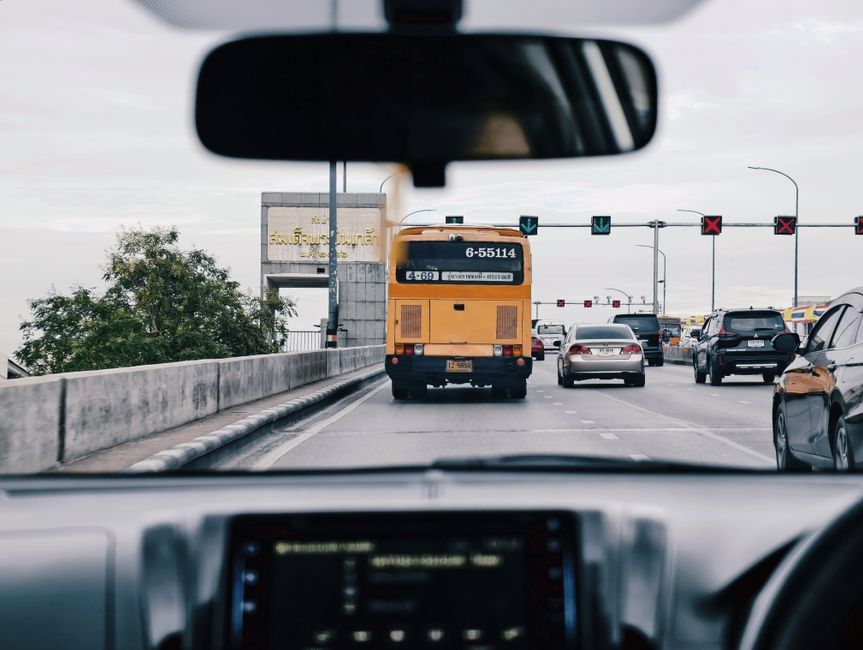 Photo: lee starry / Pexels
Nobody drinks Ayutthaya's tap water straight from the faucet - treated municipal PWA supply is fine for washing and cooking, but ageing pipes, building storage tanks and seasonal river flooding around the historic island mean drinking water comes from 18.9L delivered bottles, cheap coin-operated refill machines (about 1 baht a litre) or a home RO filter instead. See the full guide for exactly how it works and what it costs.
Full Ayutthaya drinking water guide — tap safety, delivery, refill stations & filter costs →
 Photo: Tito Zzzz / Pexels
Ayutthaya's rental market runs almost entirely on studios, serviced apartments, townhouses and houses rather than condos, and it's one of the cheapest markets within easy reach of Bangkok. With very few licensed rental agents, most tenants deal with landlords directly through local Facebook groups or a “ให้เช่า” (for rent) sign on the building rather than an agency.
Full Ayutthaya rental market guide — average rents, leases, deposits & how it works →
 Photo: Juan Pablo Daniel / Pexels
A rented car covers Wang Noi, Bang Pa-in and the newer areas east of the river, while a scooter suits the historic island itself — costs, licences, insurance, deposits and where to rent.
Full Ayutthaya car & motorbike rental guide — costs, licences, insurance & providers →
 Photo: Renato Rocca / Pexels
Ayutthaya's UNESCO-listed Historical Park is the main draw: Wat Mahathat's tree-cradled Buddha head, the soaring prangs of Wat Chaiwatthanaram at sunset, and Wat Phra Si Sanphet's three royal chedis are the essential stops, best toured by rented bicycle or a hired tuk-tuk before the midday heat. Bang Pa-in Royal Palace, the Ayutthaya Elephant Palace & Royal Kraal, and a river cruise past the old European trading quarters round out a weekend, while the Hua Ro night market and Chao Phrom day market are the best way to eat and shop like a local rather than a day-tripper.
Full Ayutthaya things-to-do guide — temples, elephants, floating market & day trips →
 Photo: Yavuz Solgun / Pexels
Ayutthaya is a low-crime, low-hassle place to live by Thai standards — petty theft and traffic are the realistic risks rather than violent crime, and the historic island's temple-hopping tourist crowds see the same tuk-tuk overcharging and photo-op scams found anywhere in Thailand. The bigger practical risks are seasonal: October–November river flooding around the historic island, and scooter accidents on the busier roads toward Wang Noi and the Bangkok highway. The usual precautions — an insured scooter, a helmet, and caution around dark or unlit temple grounds after hours — cover most of it.
Full Ayutthaya safety guide — crime, roads, flooding & emergency numbers →
 Photo: K-Na Jaa / Pexels
Save these before you need them: 191 police, 1669 ambulance, 199 fire, and 1155 for the English-speaking Tourist Police, who keep a post near the historic island for visitor incidents. Phra Nakhon Si Ayutthaya Hospital runs the province's main emergency room, with Rajthanee Hospital and Ratchathani Rojana Hospital handling private urgent care; anything needing a trauma centre or specialist ICU means a transfer to Bangkok, an hour to ninety minutes away by road.
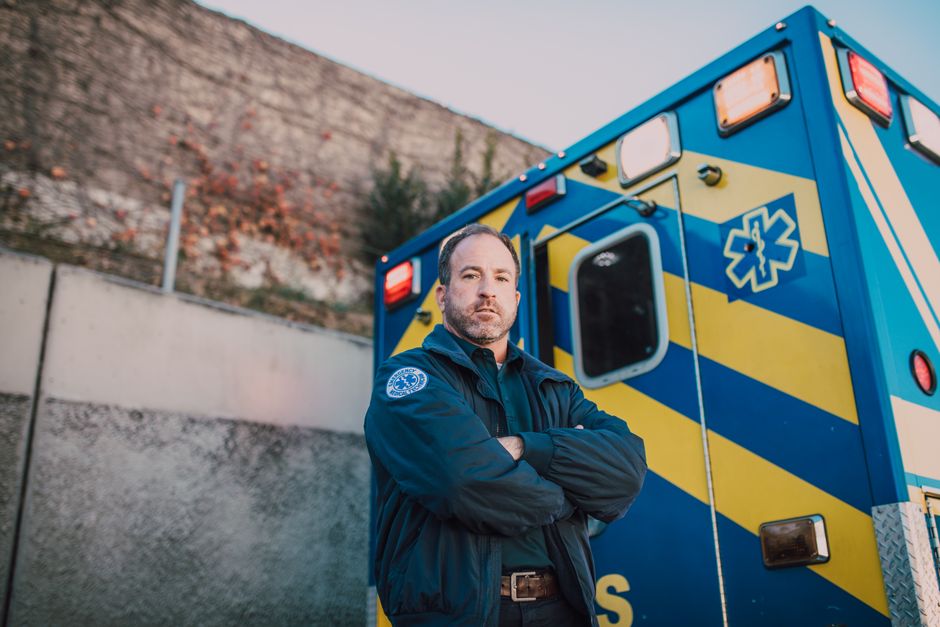 Photo: RDNE Stock project / Pexels
Ayutthaya's Provincial Immigration Office sits on U Thong Road on the historic island — the office most long-stay foreigners deal with for 90-day reporting, extensions of stay and TM30 address notifications. Ayutthaya Provincial Hall on Asia Road and the Provincial Land Office, also on U Thong Road, handle broader civic and land-title matters. See the full directory for address, hours and official links for each.
Ayutthaya government & immigration offices — addresses, hours & official links →
 Photo: VS N / Pexels
AIS Fibre and True Online cover most of the built-up Historic Island, Hua Ro and City Park mall corridor, with 3BB as a value alternative and state-owned NT reaching some outlying addresses toward Wang Noi and Bang Pa-in that the private ISPs skip. For mobile, AIS, True and dtac all deliver solid 4G/5G across the historic island and the Bang Pa-in and Rojana industrial estates; a standard prepaid SIM with a monthly data package works out far cheaper than repeat tourist-SIM top-ups for anyone staying more than a few weeks.
Full Ayutthaya internet & SIM card guide — fibre providers, prepaid vs postpaid & eSIM →
 Photo: Nothing Ahead / Pexels
Ayutthaya sits on the central plains, so its air quality follows a sharp seasonal pattern: clean, monsoon-washed air from roughly June through October, then rising crop-burning haze from December through the March peak, when regional field-clearing smoke from Ayutthaya and neighboring provinces settles over the flat terrain with little to disperse it. Sensitive groups should watch AQI readings closely from January to April and plan around a HEPA purifier and N95 masks for the worst weeks.
Full Ayutthaya air quality guide — month-by-month AQI, burning season & purifiers →
 Photo: Quý Hoàng / Pexels
Ayutthaya has no dedicated international nursery of its own -- relocating families instead rely on Thai kindergartens (anuban), a handful of small private nurseries, or nannies and home care, with some looking to Bangkok for a bilingual early-years option roughly an hour to ninety minutes away. It is a genuine limitation worth factoring into any decision to settle here with very young children, though older school-age families have more workable options.
 Photo: Pavel Danilyuk / Pexels
Veterinary clinics cluster around U Thong Road, the Historic Island and City Park mall, covering vaccinations, microchipping, spay/neuter, dental work, grooming and boarding for Ayutthaya's expat and retiree pet owners. English-speaking vets exist but the scene is smaller and less consistently fluent than Bangkok, Phuket or Chiang Mai, and flood-season precautions and a plan for referring serious cases to Bangkok are both worth having in place.
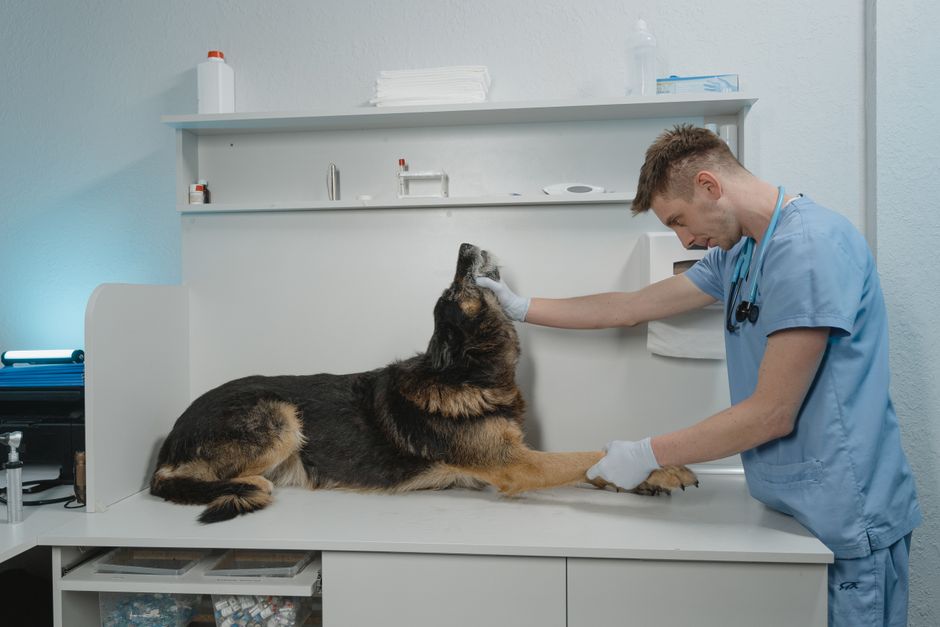 Photo: Tima Miroshnichenko / Pexels
Ayutthaya has local Thai Bar-registered lawyers, but no cluster of dedicated foreigner-focused law firms the way Bangkok, Phuket or Chiang Mai do -- most expats instead use an English-speaking Bangkok firm, a straightforward trip given the roughly one-to-ninety-minute drive or train, or a local provincial lawyer with basic English or a bilingual assistant for routine matters like condo and house conveyancing, visas, company setup, marriage and wills.
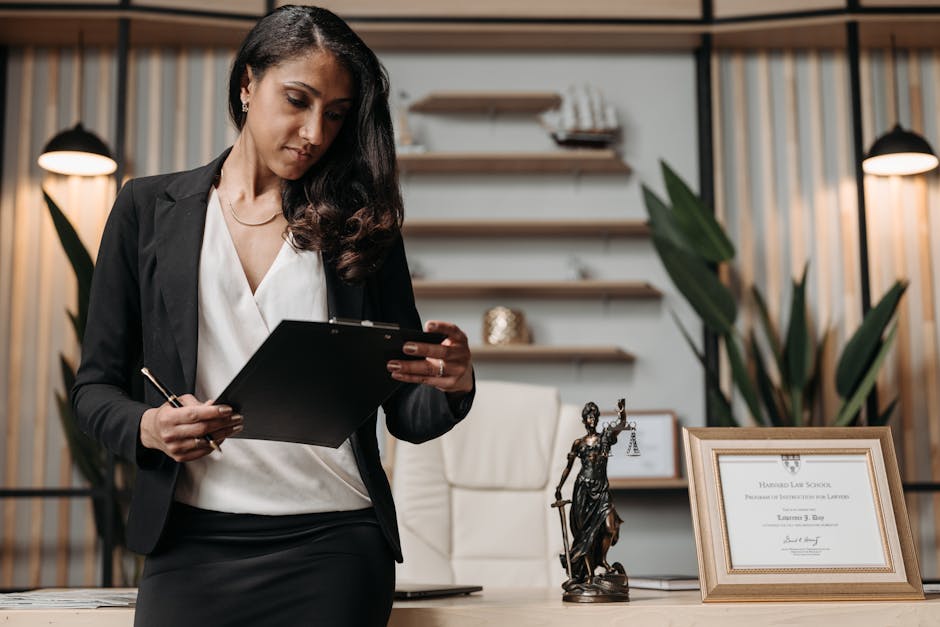 Photo: Pavel Danilyuk / Pexels
Private dental clinics cluster around the historic island and City Park, alongside dental departments at Rajthanee Hospital and Ratchathani Rojana Hospital -- and prices run well below Western rates: a porcelain crown costs roughly THB 10,000-20,000 and a single implant with crown about THB 42,000-82,000, against USD 3,000-5,000 or more for an equivalent implant in the US, UK, Australia or Europe. Dentures, a common need in a retiree-heavy town, are similarly far cheaper than at home -- always get an itemised written quote first, since price depends on materials and case complexity.
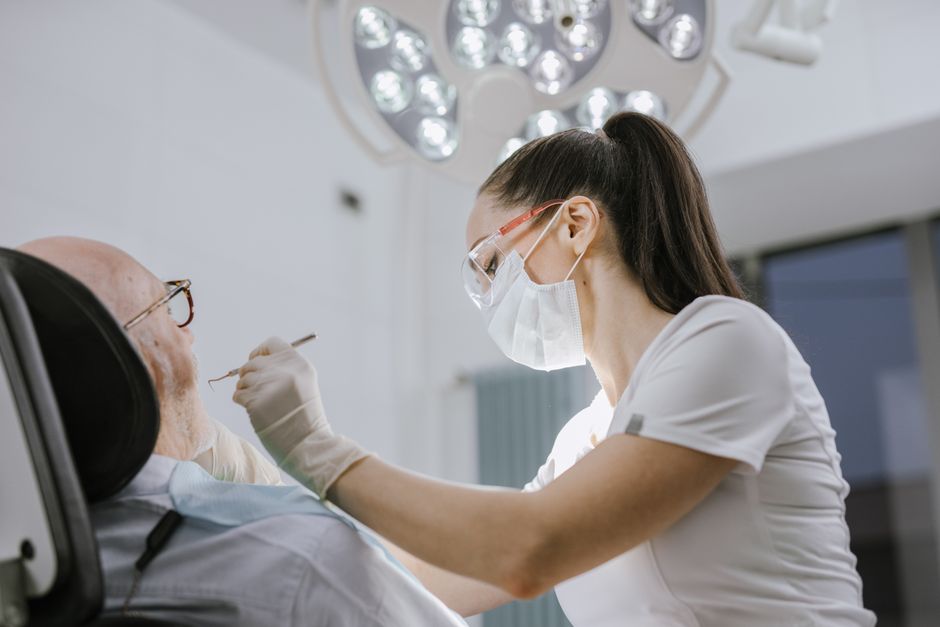 Photo: SHVETS production / Pexels
Ayutthaya has no dedicated multi-desk coworking operator the way Bangkok, Chiang Mai or Phuket do -- what passes for coworking here is HQ's serviced and virtual offices, laptop-friendly cafes at Ayutthaya City Park mall, historic-island guesthouse cafes, or simply a Bangkok day trip for anyone needing a proper coworking floor. It is a realistic constraint for digital nomads and DTV visa holders to plan around rather than assume away.
 Photo: Ivan S / Pexels
Ayutthaya shares Bangkok's cool, hot and rainy seasons -- November to February is the most comfortable window for touring the Historical Park, March to May is hot and increasingly hazy, and May to October is the rainy season. What sets Ayutthaya apart is its setting at the confluence of the Chao Phraya, Pa Sak and Lopburi rivers: flood risk peaks not at September's rainfall high but in October and November, the pattern behind the city's defining 2011 flood. This covers the full month-by-month temperature and rainfall picture, flood-season timing and the best time to visit.
Photo: Pok Rie / PexelsAyutthaya has no dedicated local self-storage chain of its own -- branded operators cluster in Bangkok, roughly 80 km south -- so most residents use full-service warehouse storage collected and redelivered by a moving company. And the packing consideration that matters most here is not coastal humidity but flood risk from the Chao Phraya, Pa Sak and Lopburi river confluence, which flooded the island again as recently as October-December 2025.
 Photo: Steve A Johnson / Pexels
Ayutthaya splits into two religious worlds: the UNESCO-listed ruins tourists photograph, and the living temples, mosque and church where residents actually worship. Wat Yai Chai Mongkhon and Wat Na Phra Men still have resident monks, a historic Muslim quarter surrounds Kudi Cho Fah mosque, and St Joseph's Church has served an unbroken Catholic parish since 1666.
Full Ayutthaya religious community guide — active temples, the mosque quarter & St Joseph's Church →
 Photo: Zaonar Saizainalin / Pexels
Watsons has two branches in Ayutthaya -- inside Central Ayutthaya and at Ayutthaya Park 2 on Asia Road -- alongside independent local pharmacies around the Historic Island, Hua Ro and Ayutthaya City Park. For prescriptions and controlled medicines, Phra Nakhon Si Ayutthaya Hospital (public) and Rajthanee Hospital (private) both run in-house pharmacies. No Boots branch could be confirmed in Ayutthaya at the time of writing.
 Photo: BYB BYB / Pexels
Cook It Thailand runs a dedicated Ayutthaya branch offering half-day classes, private lessons and child-friendly workshops. Separately, several Bangkok-based operators combine a cooking class with a guided temple tour of the historical park as a full-day trip -- a popular option for day-trippers. Prices run roughly THB 1,000-2,000 per person for a standalone half-day class.
 Photo: Miguel Cuenca / Pexels
GrabFood, LINE MAN and foodpanda all serve Ayutthaya, concentrated around Central Ayutthaya, Big C and the newer commercial area along Asia Road, with thinner coverage on the Historic Island itself where guesthouses and temple-adjacent restaurants are less set up for app delivery. Full breakdown of apps, grocery delivery, fees and coverage.
 Photo: Kampus Production / Pexels
Sky Hair Studio Ayutthaya, near the historic old-town gates, is a verified, well-rated salon, alongside BB Beauty Salon and a genuine cluster of independent hair salons scattered through the old town near Chao Phrom Market.
Don Mueang Airport, roughly an hour's drive south, is the more convenient airport for most Ayutthaya residents than Suvarnabhumi -- Grab, minivans, the SRT conventional train and private transfers all connect Ayutthaya to both airports.
Very Clean Wash & Dry in Khlong Suan Plu is the best-reviewed option (279 reviews, 4.6 stars), alongside multiple Otteri Wash & Dry branches and old-town guesthouse laundry near Chao Phrom Market and the train station.
Editorial analysis compiled and periodically refreshed by BAANLYY’s research team — not a live data feed.
Analysis last reviewed July 2026.
Practical, in-depth guides to daily life in Ayutthaya.
Learn the budget, then talk to us about relocating.
Primary and official sources are cited above. Government rules, fees and procedures in Thailand change over time and vary by office; always confirm current requirements with the relevant authority before relying on them. BAANLYY never takes paid placement in editorial content.
General information and indicative pricing, not legal, tax, immigration or financial advice. Hero photograph via Pexels. Confirm current details with official sources, individual listings or licensed professionals.

Free tools for this
Answer 3 quick questions and see the Thailand city guide worth researching first.
Try it free →Build a realistic monthly budget by lifestyle tier.
Try it free →