Which city fits you?
Answer 3 quick questions and see the Thailand city guide worth researching first.
Try it free →The complete starting point for anyone moving to, renting in or relocating to Ubon Ratchathani — the lower-Mekong capital of eastern Isaan, with where to live, cost of living, transport, healthcare and relocation, each linking to a deeper guide.
Tap a pin to start from there and see walking or driving reach, or open that area’s guide.
Compare each area's vibe and rent below, or see the full Ubon Ratchathani where-to-live guideLiving in Ubon Ratchathani — Relocation GuideAreas, monthly budget, healthcare, transport, visas, community & mistakes to avoid.
Ubon Ratchathani sits in the far eastern corner of Isaan, close to where Thailand, Laos and Cambodia meet, on the Mun River near its confluence with the Mekong. It's one of Thailand's larger provinces by population and best known internationally for the spectacular Ubon Ratchathani Candle Festival each July, when giant carved-wax sculptures parade through Thung Si Mueang Park to mark the start of Buddhist Lent. Beyond the festival, it's a genuine working provincial capital — a university, a major public hospital, modern malls and easy access to two international land borders (Chong Mek to Laos and Chong Chom to Cambodia) — making it a natural base for cross-border business, visa runs and lower-Mekong exploration rather than a beach or resort town.
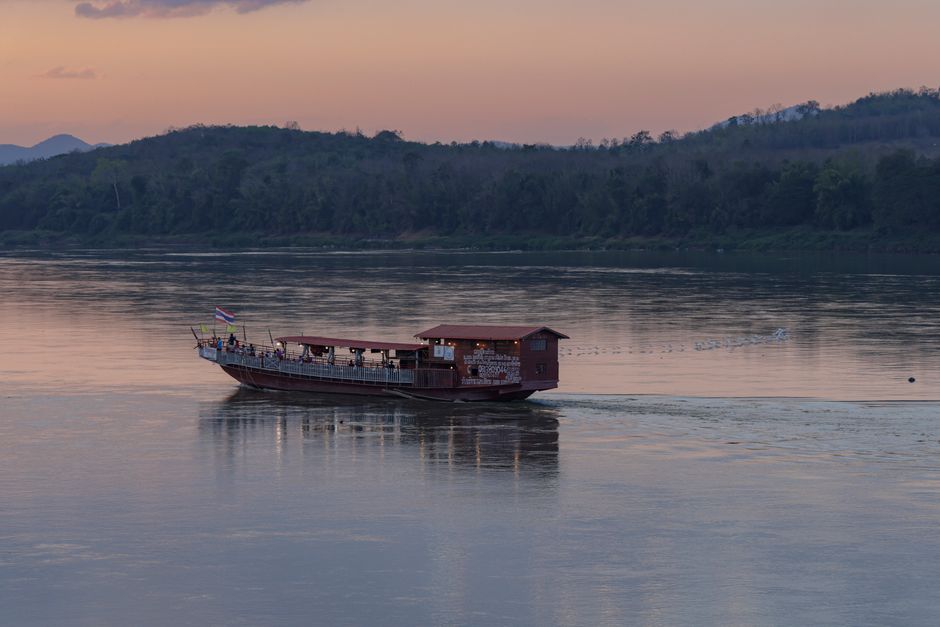 Photo: Frank van Dijk / Pexels
Most long-stayers choose between the city centre around Sunee Tower, Thung Si Mueang Park and the Ratchathani department-store district for the widest choice of rentals, restaurants and malls, or the quieter university district near Ubon Ratchathani University (UBU) for a younger, more affordable feel. Budget-conscious long-stayers look across the Mun River to Warin Chamrap, home to the train station and the cheapest local rents. Housing stock leans toward houses, townhouses and low-rise apartments rather than high-rise condos — modern condominium supply is thin even by Isaan standards, so most foreigners rent a house or serviced apartment rather than a tower unit.
 Photo: Tony Wu / Pexels
There is no rail-transit network in Ubon Ratchathani — most residents get around by car, motorbike or songthaew (shared truck), with the centre around Thung Si Mueang and Sunee Tower walkable in parts. Ubon Ratchathani Airport (UBP) has frequent daily flights to Bangkok's Suvarnabhumi and Don Mueang airports, around an hour and fifteen minutes each way, making it one of the better air-connected Isaan cities despite the roughly 630km, eight-to-nine-hour road trip. The Chong Mek border crossing to Laos (for Pakse and the Bolaven Plateau) is about 85km away, and the Chong Chom crossing into Cambodia is a few hours further south — both popular for visa runs and regional day or weekend trips.
 Photo: 27 Percentss / Pexels
Ubon Ratchathani is one of the more affordable provincial capitals in Thailand for a foreigner to live well, broadly in line with other secondary Isaan cities and well below Khon Kaen, Udon Thani or Korat. A lean, local lifestyle for a single person runs roughly 18,000–28,000 THB a month; a comfortable mid-expat or retiree lifestyle runs roughly 30,000–48,000 THB; and a premium or family lifestyle with a car and international-standard housing starts around 65,000 THB and climbs well beyond that. Furnished houses and apartments are inexpensive by national standards, though the thin condo market means less choice than in the region's bigger hubs.
 Photo: YL Lew / Pexels
Sappasitthiprasong Hospital, the province's large public referral hospital, anchors medical care in the city, alongside Ubonrak Thonburi Hospital and Ratchathani Hospital offering private, English-assisted care for routine and urgent needs. As a regional referral centre for far-eastern Isaan and the lower-Mekong area, Ubon Ratchathani is reasonably well served for its size, though for highly specialised or complex treatment many residents still travel toward Bangkok, roughly an hour and fifteen minutes by air. Comprehensive private health insurance is worth arranging before you move, particularly for retirement-visa requirements.
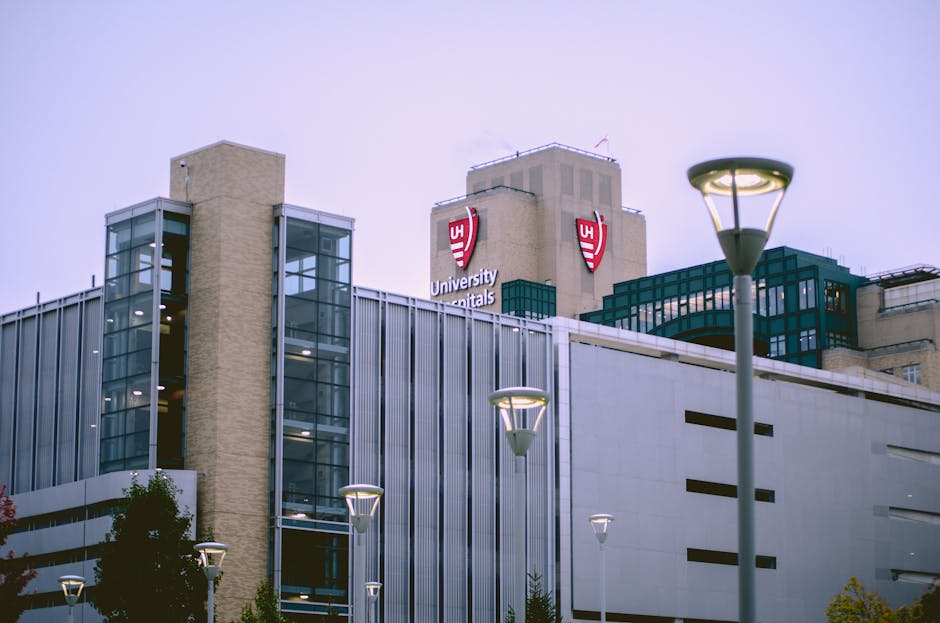 Photo: Jonathan Meyer / Pexels
Ubon Ratchathani's international-school options are limited compared with Bangkok, Chiang Mai or even Udon Thani, reflecting its profile as a provincial capital rather than an established expat hub. Five English-medium options serve relocating families, but they are segmented by age rather than by curriculum, and only one covers the full range: Ubon Adventist International Mission School (UAIMS), an American-curriculum Seventh-day Adventist school running Preschool through Grade 12. Begins International School (British EYFS, trilingual, ages 2–5) and Satit RTU International School (Cambridge early years, to about age 6) stop before primary; the government-run Narinukun International Programme starts at Year 7; and Assumption College Ubonratchathani is a Thai private Catholic school with English-medium streams covering primary and secondary. A family arriving with a primary-age child and a requirement for an international curriculum has exactly one choice. Families needing a broader choice of international curricula typically look toward Bangkok or the larger northern cities instead, while Ubon Ratchathani University (UBU) and Ratchathani University anchor a sizeable student population that keeps cafés and mid-range dining well supplied around the university district.
 Photo: Ron Lach / Pexels
Ubon Ratchathani's dining scene centres on Sunee Tower, Thung Si Mueang Park and the Ratchathani department-store district, where authentic Isaan cooking carries a distinct Lao and Cambodian border influence alongside standard Thai dishes and a modest but growing range of Western options. Night markets and street-food stalls around the city centre, Warin Chamrap and the UBU campus serve some of the best-value meals in the province, with typical mains running just a few dozen baht. Prices stay well below Bangkok or the beach provinces even at the handful of hotel and mall restaurants aimed at visitors.
 Photo: Tony Wu / Pexels
Foreigners open Thai bank accounts at branches around Central Plaza, Sapphasit Road and Chayangkun Road, with the major banks generally accepting a passport, visa and proof of address -- requirements vary somewhat by visa type, so retirement (O-A/O-X), LTR and DTV holders should confirm the exact document list with the branch beforehand. Mobile banking apps and PromptPay cover most day-to-day transfers and bill payments, and ATMs are widespread through the city centre, though the standard foreign-card withdrawal fee applies as everywhere in Thailand. Moving money across the nearby Chong Mek border into Laos is straightforward for residents who travel there regularly for visa runs or business.
 Photo: Mariusz / Pexels
Ubon Ratchathani's crime rate is low by international standards and broadly in line with the rest of provincial Thailand, so the realistic everyday risk for residents is traffic -- particularly Highway 24 and Chayangkun Road, where motorbike accidents are the most common cause of serious injury. Border-crossing areas near Chong Mek and the crowds during the July Candle Festival warrant ordinary caution rather than special concern, and seasonal Mun River and Mekong-linked flooding is a bigger practical risk than crime for anyone renting in low-lying or Warin Chamrap areas. Residents should save the standard Thai emergency numbers (191 police, 1669 medical) on arrival.
 Photo: Optical Chemist / Pexels
Ubon Ratchathani has one of the smallest foreign communities among Thailand's provincial capitals, but newcomers plug in through the Ubon Expats Facebook group, the ASEAN Now forum, and informal meetups at the Wrong Way Café. Ubon Ratchathani University (UBU) brings a steady stream of international students and visiting academics who add to the social mix, and golf at Wing 21 or Sirindhorn Dam, the July Candle Festival and Chong Mek border runs to Laos give regulars a shared calendar of things to do together. It suits people happy to build a smaller, closer-knit circle rather than a large expat scene.
 Photo: Thirdman / Pexels
Ubon Ratchathani sits on the Mun River near its confluence with the Mekong, and low-lying riverside districts and parts of Warin Chamrap have flooded in recent years -- including notable events in 2019, 2022 and 2023 -- during the June-to-October monsoon when both rivers run high simultaneously. Renters can reduce exposure by choosing elevated ground, upper floors, or areas set back from the immediate riverbank, and by checking a building's flood history before signing a lease. Contents and flood-specific insurance is worth arranging given the area's periodic exposure, even though most of the city outside the riverside districts is not materially at risk.
 Photo: Valeria Drozdova / Pexels
Ubon Ratchathani Airport (UBP) sits close to the city centre, with a taxi coupon counter in the arrivals hall offering fixed fares into Sunee Tower, Thung Si Mueang and the university district, alongside growing Grab coverage for on-demand rides. Hotels and serviced apartments can arrange pre-booked private transfers for a smoother arrival, and self-drive rental is a practical option for anyone planning regular trips onward to the Chong Mek border with Laos or the roughly eight-to-nine-hour road route to Bangkok. Journey times into the city centre from the airport are short, typically under 20 minutes.
 Photo: Nothing Ahead / Pexels
Moving to Ubon Ratchathani means choosing a visa, an area and a home, then arranging banking, healthcare and utilities — most newcomers start near Sunee Tower or Thung Si Mueang for services and rental choice before deciding whether the university district or outer suburbs suit them better. Plan around the punishing March–May heat and the roughly two-week window in late July when the Candle Festival fills the city's hotels. Long-stayers typically rely on retirement, marriage, DTV or LTR visas; the Chong Mek border and frequent Bangkok flights make Ubon Ratchathani easier than many rural Isaan provinces to combine with regular immigration, banking or family trips.
 Photo: cottonbro studio / Pexels
Ubon Ratchathani's biggest draw is the world-famous Candle Festival each July, alongside genuine cultural and natural sights: Wat Nong Bua's Bodh Gaya-style chedi, Wat Thung Si Muang's stilted scripture library, prehistoric cliff paintings at Pha Taem National Park, the Sam Phan Bok rock formations on the Mekong, and the Chong Mek border crossing to Laos.
 Photo: Thanapat Kamparn / Pexels
Ubon Ratchathani's evenings run on Thung Si Mueang Park and the Sunee Tower dining scene rather than a big bar strip -- a small Phichitrangsan Road cluster (Ubon Tap Taste House, EscoBar, The Closet Cocktail Bar), a scattering of other named bars, and a cheaper, younger student scene near UBU in Warin Chamrap cover the rest. Honest, university-town nightlife, not a party-tourism destination.
 Photo: Faheem Ahamad / Pexels
Ubon Ratchathani's Buddhist heart is Wat Thung Si Mueang's stilted ho trai scripture hall and Wat Supattanaram's Thammayut ordination hall, but the city also has a working mosque on Upalisan Road, a Sikh gurdwara on Ubonkit Road, and the Diocese of Ubon Ratchathani's Catholic community -- a genuinely practical starting point for foreign residents seeking their own faith community here.
 Photo: lbyphoto / Pexels
Veterinary clinics cluster around Sunee Tower, the University District and Warin Chamrap, covering routine consultations, vaccinations, spay/neuter and microchipping at typical Isaan-provincial prices, plus emergency care, grooming, boarding and pet-import rules for relocating families bringing an animal with them.
 Photo: Gustavo Fring / Pexels
English-speaking lawyers in Ubon Ratchathani handle the cross-border and retiree essentials: retirement (O-A/O-X) and DTV visa extensions through Ubon Ratchathani Immigration, house-and-land purchases and usufruct structures for Thai-foreign couples, marriage registration and Thai wills -- worth lining up before you need one urgently rather than after. LTR visas are not handled provincially: the BOI routes LTR holders to the One Stop Service Center for Visa and Work Permit in Bangkok, and the second five-year permission to stay requires a BOI qualification endorsement letter applied for 120 to 60 days before the current permission expires (ltr.boi.go.th, read 14 September 2026).
 Photo: Kaboompics.com / Pexels
Getting a Thai driving licence in Ubon Ratchathani means a trip to the Provincial Land Transport Office (DLT), with the process differing depending on whether you're converting an existing foreign licence or testing fresh -- documents, a medical certificate, a certificate of residence, and theory and practical tests are all part of the process, with fees set by the DLT.
 Photo: Faheem Ahamad / Pexels
Everyday shopping runs through Central Plaza Ubon Ratchathani (Robinson, Tops, Major Cineplex) and the older Robinson Ubon Ratchathani near Sunee Tower, with the Warin Chamrap market across the river, daily fresh markets and the Chong Mek border market rounding out the picture -- including where residents typically go to furnish a rental.
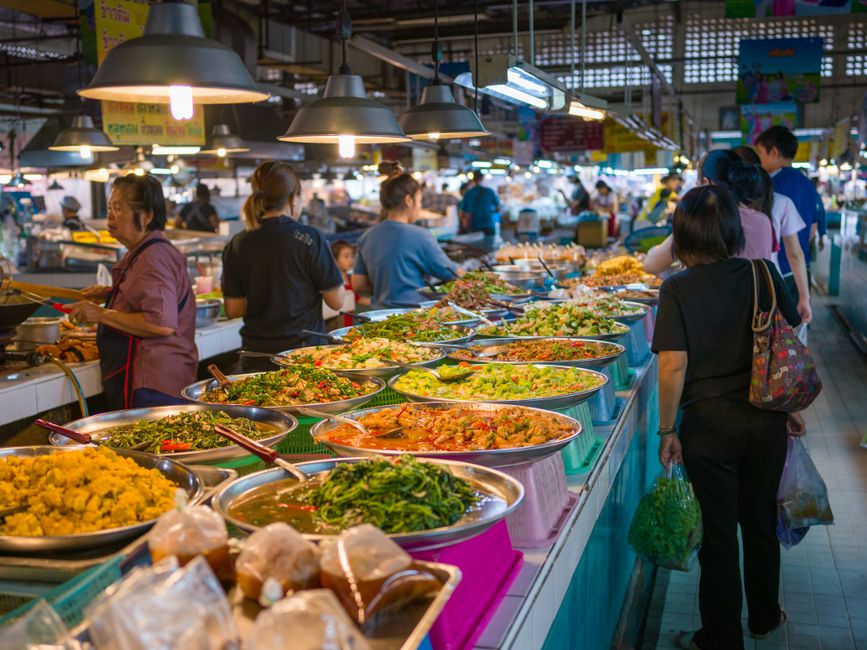 Photo: Mineia Martins / Pexels
Home fibre from AIS Fibre, True Online, 3BB and NT covers Sunee Tower, Ubon Ratchathani University (UBU), Warin Chamrap and the Central Ubon Ratchathani mall area at typical Isaan-city speeds and pricing, alongside the usual prepaid vs postpaid SIM choice from AIS, dtac and True for day-to-day mobile data.
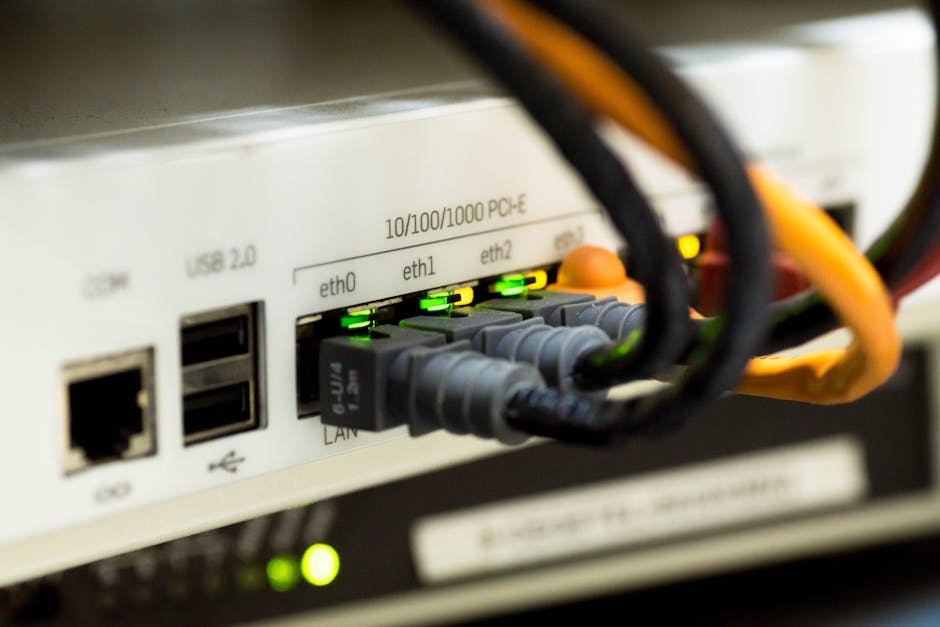 Photo: Pixabay / Pexels
Most shipments reach Ubon Ratchathani, the lower-Mekong capital of eastern Isaan, via Bangkok, though a niche overland route through the Chong Mek border with Laos exists too. Local movers cluster around Sunee Tower, and Thai customs and duty rules apply to shipped household goods, same as anywhere else in the country.
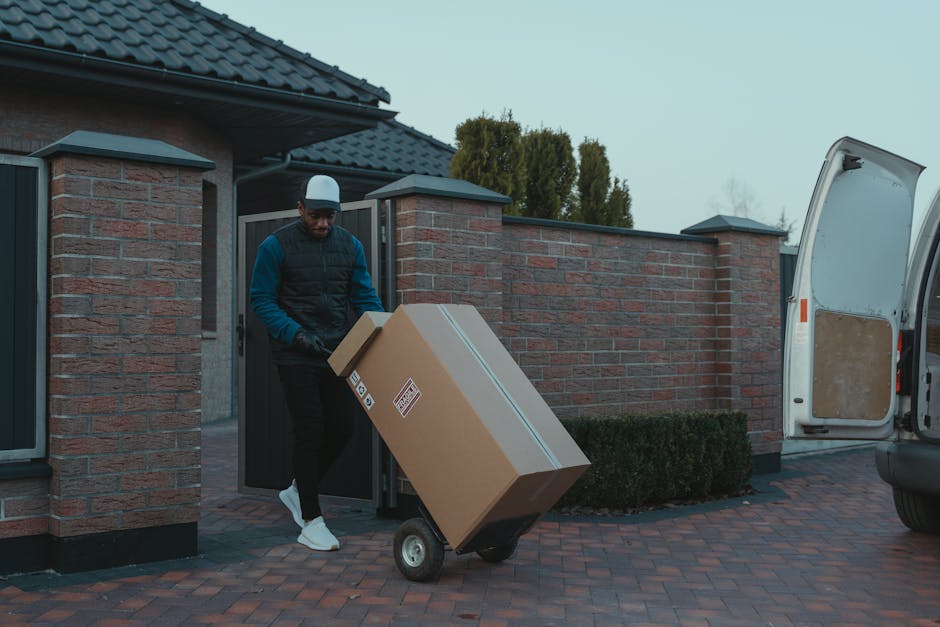 Photo: Tima Miroshnichenko / Pexels
Save these numbers before you need them: 191 police, 1669 medical/ambulance, 199 fire and 1155 for the English-speaking Tourist Police. There is a 24-hour emergency option in the city, and it's worth knowing exactly what to do for an accident, a theft or a lost-passport emergency before one happens.
 Photo: RDNE Stock project / Pexels
Renting a car, scooter or motorbike in Ubon Ratchathani comes with realistic daily and monthly rates, licence and International Driving Permit requirements, insurance and deposit terms, and options both at UBP airport and in the city centre -- handy for the Chong Mek border run or getting around during the crowded Candle Festival period.
Photo: Faheem Ahamad / PexelsChildcare options for relocating families span nurseries, bilingual and Thai kindergartens, and daycare for ages 0-5, with honest monthly fees in both THB and USD, a sense of which areas have the most options, and what to check before committing to a spot.
 Photo: Kampus Production / Pexels
Ubon Ratchathani has no boutique, climate-controlled self-storage chain yet -- the real alternatives are movers who store belongings as an add-on, negotiated warehouse space with a local landlord, and informal condo or house arrangements between leases, university breaks or long trips away.
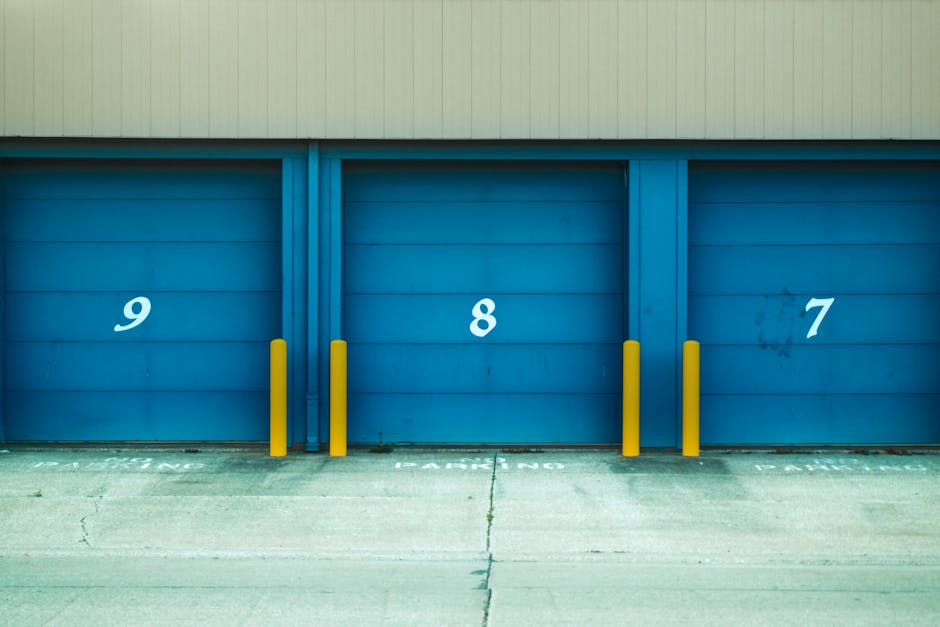 Photo: Steve A Johnson / Pexels
Baan Lalisa's Ubon branch, near the city centre in green grounds, is the most established elder-care option, part of the same multi-location group operating in Khon Kaen and Chiang Rai. Siri Arun Care and iCare Nursing Home also serve the area, alongside geriatric services through Sappasit Prasong Hospital.
 Photo: Jsme MILA / Pexels
Electricity comes from the Provincial Electricity Authority (PEA) and water from the Provincial Waterworks Authority (PWA), the standard providers across Ubon Ratchathani. AIS Fibre, True Online and 3BB all offer home fibre in Ubon Ratchathani City -- most condos arrive pre-connected, while landed houses need a new account opened in the tenant or owner's name.
 Photo: Kelly / Pexels
Mall salon chains like ToB1 Hair Station at Central Plaza Ubon Ratchathani, city-centre salons around Chayangkul Road and Sunee, and a budget cluster near Ubon Ratchathani University in Warin Chamrap -- plus typical prices for cuts, color and nails.
Jay Jay Car and Motorcycles Hire on Nakhonban Road (English-speaking owner, daily/weekly rates), Ubon Scooter Rental, and Legacy Gym Thailand's monthly automatic-scooter rate for longer stays -- typical daily rates run around THB 250.
Ubon Ratchathani has no dedicated walk-in Thai-for-foreigners school -- the real path is via one of two verified ED-visa agencies (Ubon Visa and Education Visa Thailand) that enrol students with a partner institution, UBU's academic Thai program in Warin Chamrap, or an online tutor.
Where to find a maid, cleaner, housekeeper or nanny in Ubon Ratchathani, what it costs by the hour or month, live-in vs live-out, and the work-permit rules that matter before you hire.
An honest guide to the real, bookable Isan farm-to-table cycling and cooking day tour near Ubon Ratchathani, and realistic expectations for a city without Chiang Mai's cluster of dedicated cooking schools.
At least seven confirmed Otteri Wash & Dry branches span Chayangkun Road, Warin Chamrap, Nong Bua and near the airport, alongside named independent shops like Code Clean and BuddyWash near the university -- with honest notes on the pricing gaps we couldn't verify.
Ubon Homes is the city's one established, dedicated local agency -- beyond that, a handful of independent DDproperty-verified agents and nationwide portals (DDproperty, Hipflat, FazWaz) do most of the work, plus how to verify an agent or title deed before you pay anything.
Editorial analysis compiled and periodically refreshed by BAANLYY’s research team — not a live data feed.
Analysis last reviewed July 2026.
Practical, in-depth guides to daily life in Ubon Ratchathani.
Learn the budget, then talk to us about relocating.
Primary and official sources are cited above. Government rules, fees and procedures in Thailand change over time and vary by office; always confirm current requirements with the relevant authority before relying on them. BAANLYY never takes paid placement in editorial content.
General information and indicative pricing, not legal, tax, immigration or financial advice. Hero photograph via Pexels. Confirm current details with official sources, individual listings or licensed professionals.

Free tools for this
Answer 3 quick questions and see the Thailand city guide worth researching first.
Try it free →Build a realistic monthly budget by lifestyle tier.
Try it free →