Which city fits you?
Answer 3 quick questions and see the Thailand city guide worth researching first.
Try it free →The complete starting point for anyone moving to, renting in or retiring to Lampang -- Thailand's horse-carriage city and gateway to Lanna heritage, with where to live, cost of living, transport, schools, healthcare and relocation, each linking to a deeper guide.
Tap a pin to start from there and see walking or driving reach, or open that area’s guide.
Lampang (Nakhon Lampang) is the third-largest city in northern Thailand, capital of Lampang province, sitting 101 km southeast of Chiang Mai and 601 km north of Bangkok. It is best known as the only city in Thailand where horse-drawn carriages still operate as a genuine local transport tradition -- introduced in 1916 when the railway reached the city -- and for its kaolin-clay ceramics industry, centred on the famous “chicken bowl” motif. Late-1800s and early-1900s teak logging, driven by British trading companies, left the city with colonial-era shophouses and Burmese-style temples along the Wang River at Kad Kong Ta, once the commercial heart of the northern teak trade. Life here is quieter, slower and considerably cheaper than Chiang Mai, with a very small foreign community -- it suits retirees, long-stay travellers and value-focused expats seeking authentic Lanna heritage over nightlife or nomad infrastructure.
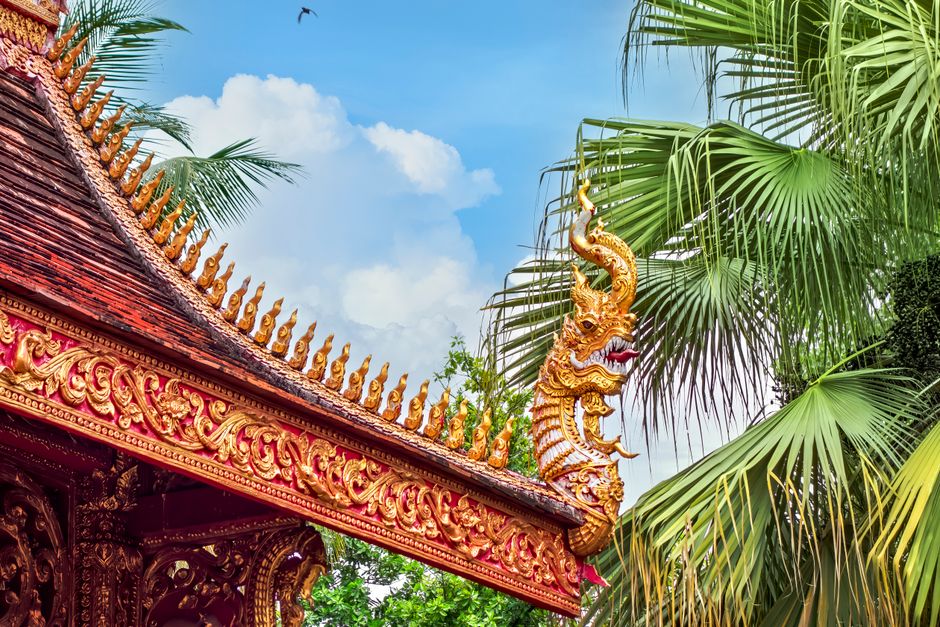 Photo: Walter Lange / Pexels
Lampang has no purpose-built condominium market of the kind found in Bangkok, Chiang Mai or Phuket -- most rentals are apartments, townhouses and single houses. The historic city centre, around Kad Kong Ta and the Wang River, offers the most walkable option, with weekend walking-street markets, cafes and colonial-era architecture. Newer, more suburban housing sits toward the ring road and out past the university areas, trading atmosphere for space and quiet. Because the rental market here is thin and largely informal compared with Thailand’s bigger expat hubs, most long-stay foreigners work through a local agent or direct landlord contact rather than large listing portals.
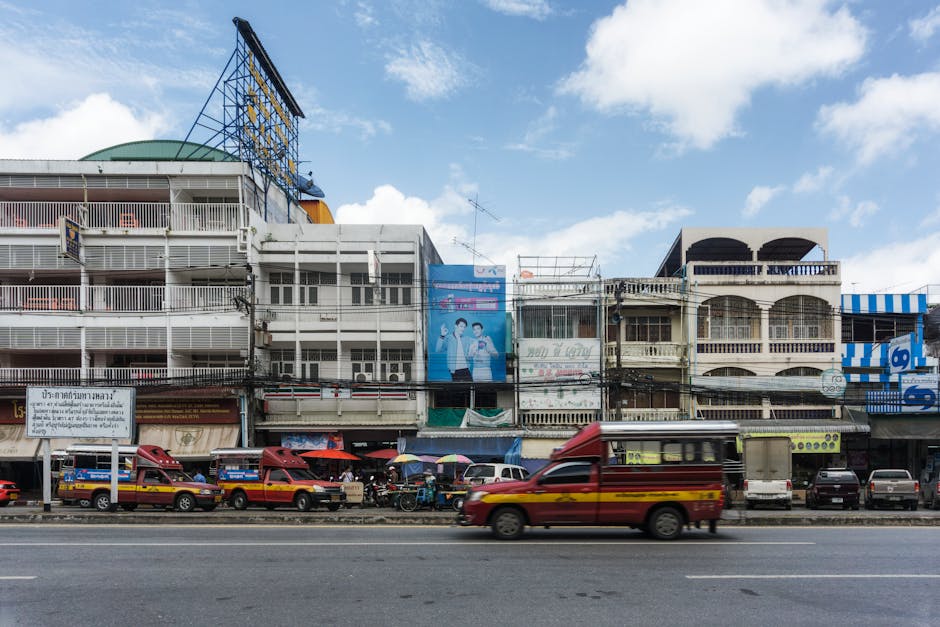 Photo: 龚 月強 / Pexels
Lampang’s 1916 railway station is one of the most photographed in Thailand and sits on the main Bangkok–Chiang Mai line, roughly 10 hours from Bangkok and under 2 hours on to Chiang Mai by train. Lampang Airport (LPT) sits just 2-3 km from the city centre, one of the closest-in airports in Thailand, served by Thai AirAsia's daily nonstop flight to Bangkok's Don Mueang (about 1 hour 10-15 minutes) -- see the full airport transfer guide for taxi, tuk-tuk and Grab options. Within the city, horse-drawn carriages are a genuine (if now largely tourist-oriented) local transport option -- around 200 licensed carriages operate, from about 150 THB for 15 minutes to 300 THB for an hour -- alongside songthaews, motorbikes, cars and ride-hailing apps for everyday use. Chiang Mai is about 1.5 hours away by road or rail, making Lampang a realistic day-trip base.
 Photo: jhon alexis / Pexels
Lampang has no established cost-of-living index of its own yet, but as a smaller, lower-rent northern city with a much thinner foreign community than Chiang Mai or even Chiang Rai, a lean, local lifestyle is realistically achievable well under 25,000 THB a month, and a comfortable mid-range lifestyle typically runs roughly 30,000–45,000 THB -- directional estimates, not a verified statistic, until BAANLYY publishes a dedicated Lampang cost-of-living study. Housing, transport and dining are all notably cheaper than in Chiang Mai, consistent with the broader pattern across Thailand’s inland northern cities.
 Photo: Optical Chemist / Pexels
Lampang has three international schools — Cranberry International School (founded 2013, English-immersion, nursery through primary), St. Helier-Brelade International School (2021, Early Childhood to Lower Secondary) and the British International School of Northern Thailand (2003) — though BISN and St. Helier-Brelade share leadership, so they are not three independent choices, and none of the three is documented to teach to eighteen. That upper-secondary gap is the clearest trade-off of basing a family here rather than a larger northern hub, and it is worth planning around before committing to a long-term move with children; Chiang Mai is about 1.5 hours away. What the school count hides is that most of Lampang's English-medium teaching is public: Bunyawat Witthayalai, the province's oldest and largest secondary school, has run an English Program since 2003, and Lampang Kanlayanee runs both a Mini English Program and an Intensive English Program. Both select by examination in Thai and lead to a Thai qualification, at a small fraction of international-school cost.
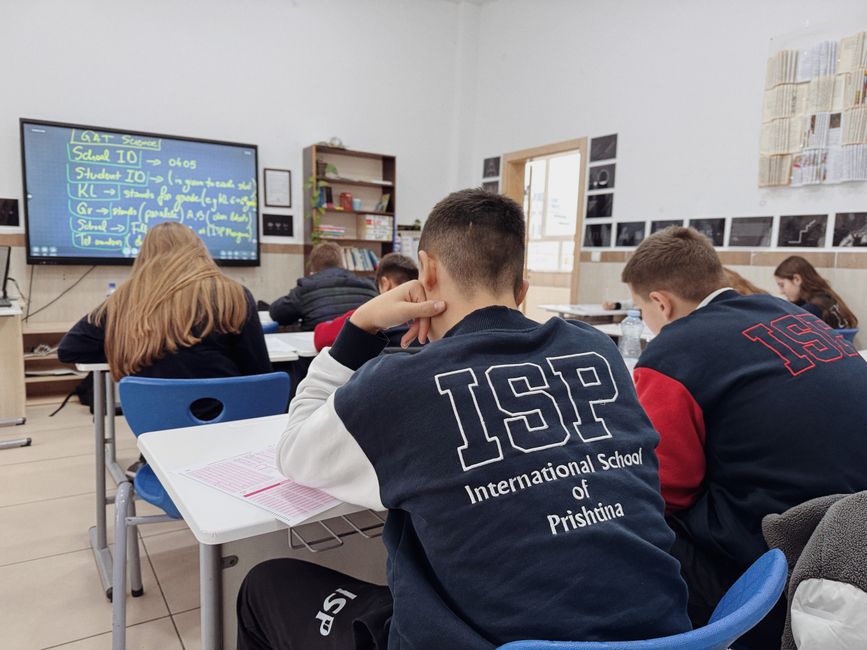 Photo: This And No Internet 25 / Pexels
Lampang Hospital is the province’s main public regional hospital, with 743 beds including 82 intensive-care beds (2022 figures), serving Lampang and the neighbouring Phrae and Nan provinces with emergency, surgical and diagnostic care. It is also one of Thailand’s seven designated regional cancer hospitals, marking its 25th anniversary in 2024 and meeting WHO-standard population-based cancer registry requirements. Private hospital options are more limited than in Chiang Mai, so residents needing specialist or high-acuity private care commonly travel the roughly 1.5 hours to Chiang Mai’s larger private hospital networks.
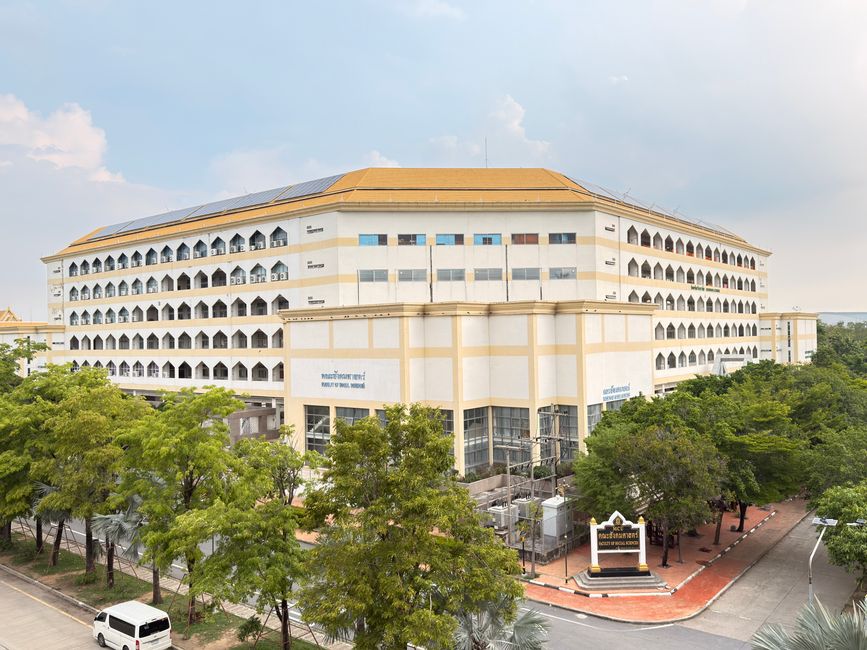 Photo: VS N / Pexels
Moving to Lampang means choosing a visa, an area near the city centre or ring road, and a home, then arranging banking, healthcare and utilities largely through local, in-person channels rather than large expat-oriented services common in bigger hubs. Long-stayers typically rely on retirement, marriage, DTV or LTR visas, and Chiang Mai’s larger immigration and expat-services infrastructure is a short trip away for anything Lampang itself doesn’t offer. The trade-off for this quieter, more local pace of life is a genuinely small foreign community and thinner international schooling and private healthcare than the bigger northern hubs.
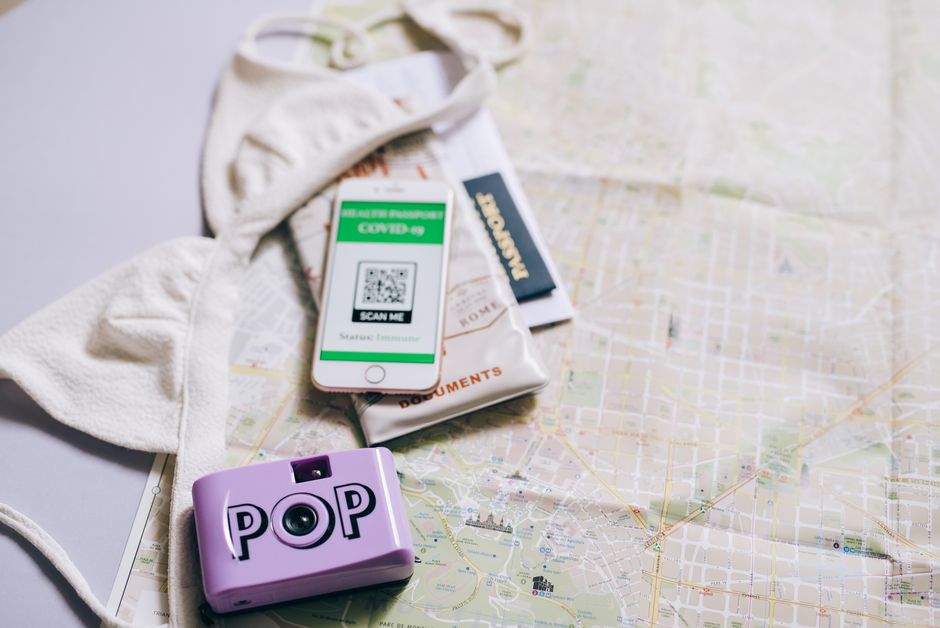 Photo: Leeloo The First / Pexels
Lampang is a quiet, low-crime provincial capital -- violent crime against foreigners is rare, and the pace of life is markedly slower than Chiang Mai or Bangkok. The main practical risks are ordinary ones common across provincial Thailand: road safety on motorbikes and rural highways, and standard precautions around cash and valuables at markets and the weekend walking street. Lampang sits in the same general northern-Thailand air-quality zone affected by the regional February–April burning season, though with less intensive tourism and traffic than Chiang Mai.
 Photo: Stephen Leonardi / Pexels
Lampang has branches of Thailand's major banks -- Kasikornbank keeps a branch on Thanon Rob Wiang in the city centre, and Bangkok Bank, Siam Commercial Bank (SCB) and Krungsri all maintain a presence in this provincial capital, though the branch network is naturally thinner than in Chiang Mai or Bangkok. Opening a Thai account as a foreigner needs a passport, visa/entry stamp and proof of address, with exact requirements varying by branch and visa type. Mobile banking (K PLUS, SCB Easy) and PromptPay work the same here as anywhere else in the country.
 Photo: Qing Luo / Pexels
Lampang is covered by Thailand's national mobile networks -- AIS, True (merged with dtac) and the smaller state-owned NT -- with the same prepaid, postpaid and eSIM options available as anywhere in the country, though as a smaller provincial capital its 5G build-out lags the bigger tourist cities. Home fibre from AIS Fibre, True Online and 3BB reaches the city centre at standard Thai broadband pricing. SIMs and top-ups are sold at convenience stores and phone shops throughout town.
 Photo: MART PRODUCTION / Pexels
Save these before you need them: police 191, medical/ambulance 1669, the English-speaking Tourist Police 1155 and fire 199. Lampang Hospital is the province's main public referral hospital; for anything beyond routine or emergency-stabilisation care, patients are sometimes referred on to the larger private and university hospitals in Chiang Mai, roughly 100km to the northwest.
 Photo: Calvin Seng / Pexels
Lampang's shopping centres on Central Lampang, a modern mall on Phahonyothin Highway with fashion, a food court and a cinema, alongside Big C and a smaller Lotus's Go Fresh branch for everyday groceries. The city's real local flavour is Kad Kong Ta, a historic weekend walking street along the Wang River in century-old shophouses, running Saturday and Sunday evenings only.
 Photo: Ahmet Cigsar / Pexels
Lampang shares Chiang Mai's cool-hot-rainy calendar but runs drier and hotter, sitting in its own inland valley. February is bone-dry (6mm, one rainy day) and April is genuinely hot (35-36°C), while the same February-April burning-season haze that affects Chiang Mai settles over Lampang too, with far less tourism-driven awareness or purifier retail around it.
 Photo: Anton Ivanov / Pexels
OWNDAYS runs a full-service branch at Central Lampang stocking over 1,500 frame styles with Japanese-brand lenses and same-day service. Khelang Nakorn Ram Hospital (private) and Lampang Hospital (public) both run eye clinics, with Chiang Mai's larger specialist network under two hours away for complex cases.
 Photo: Ksenia Chernaya / Pexels
Central Plaza Lampang (anchored by Robinson Department Store) hosts fixed-price mall salon chains, while Kad Kong Ta old town and the wider city centre have the widest, cheapest everyday choice of independent salons and barbershops.
A scooter covers Lampang's flat city streets easily. The two things worth real attention are the roughly February-April dry-season burning haze, which can cut visibility, and the narrow, pedestrian-heavy streets around Kad Kong Ta old town, especially during the Saturday walking street market.
Commercial gyms, condo and hotel fitness centres, and outdoor training options in Lampang — plus what a membership costs and where to find it.
Lanna Mover covers Lampang as part of its wider northern Thailand network, alongside local operators Tee Kon Song and Teemove, plus nationwide platforms and a Chiang Mai-based backup bench for bigger household moves.
Lampang has no dedicated walk-in Thai-for-foreigners school -- the real path is via Lampang Visa and Translation Services, a verified local agency that handles ED-visa paperwork, LPRU's international programs, or an online tutor.
Lampang Provincial Immigration, in Kluai Phae sub-district, handles 90-day address reporting, annual extensions of stay for retirement, marriage and work, the TM30 address notification your landlord must file, re-entry permits and certificates of residence for the city's long-stay foreign residents. See the full guide for the confirmed address, hours and how each errand works.
Lampang draws retirees to genuine Lanna heritage -- horse-drawn carriages, the kaolin-ceramics industry and Wat Phra That Lampang Luang -- at some of the lowest rents in northern Thailand, backed by Lampang Hospital's regional referral role and its co-located regional cancer hospital. See the full guide for best areas, a realistic monthly budget (directional estimate), hospitals and retirement visa basics.
An honest look at Lampang after dark: the weekend Kad Kong Ta walking street market on Talad Gao Road's century-old shophouses, Wang River riverside live music at spots like The Riverside Restaurant, and realistic timing for a calm heritage-town scene that closes earlier than Chiang Mai.
A self-drive market smaller than Chiang Mai's but genuinely useful for reaching Wat Phra That Lampang Luang and other outlying sights that songthaews barely cover. National chains and local operators both list Lampang pickup, with an International Driving Permit for cars required unless your home licence is already in English.
Editorial analysis compiled and periodically refreshed by BAANLYY’s research team — not a live data feed.
Analysis last reviewed July 2026.
Learn the budget, then talk to us about relocating.
Primary and official sources are cited above. Government rules, fees and procedures in Thailand change over time and vary by office; always confirm current requirements with the relevant authority before relying on them. BAANLYY never takes paid placement in editorial content.
General information and indicative pricing, not legal, tax, immigration or financial advice. Hero photograph via Pexels. Confirm current details with official sources, individual listings or licensed professionals.

Free tools for this
Answer 3 quick questions and see the Thailand city guide worth researching first.
Try it free →Build a realistic monthly budget by lifestyle tier.
Try it free →