Which city fits you?
Answer 3 quick questions and see the Thailand city guide worth researching first.
Try it free →The complete starting point for anyone moving to, renting in or relocating to Hat Yai — southern Thailand's commercial and food capital, with where to live, cost of living, healthcare, transport and relocation, each linking to a deeper guide.
Tap a pin to start from there and see walking or driving reach, or open that area’s guide.
Compare each area's vibe and rent below, or see the full Hat Yai areas guide.
Hat Yai is southern Thailand's undisputed commercial capital — bigger and busier than the provincial seat Songkhla just down the road, and the transport, trade and shopping hub for the entire South. It is a genuine working city rather than a resort town: dense malls at Central Festival and Lee Gardens, a legendary food scene shaped by Chinese-Thai, southern Thai and Malaysian influences, and a major university (Prince of Songkla University) that keeps the city young and well served by cafés and coworking. Its proximity to Malaysia — about an hour to the Sadao and Padang Besar border crossings — brings a steady flow of Malaysian and Singaporean weekend shoppers and a genuinely multicultural feel. Hat Yai suits long-stayers who want real city infrastructure and southern Thai food culture without beach-town prices, plus anyone with business ties to the Malaysia border trade.
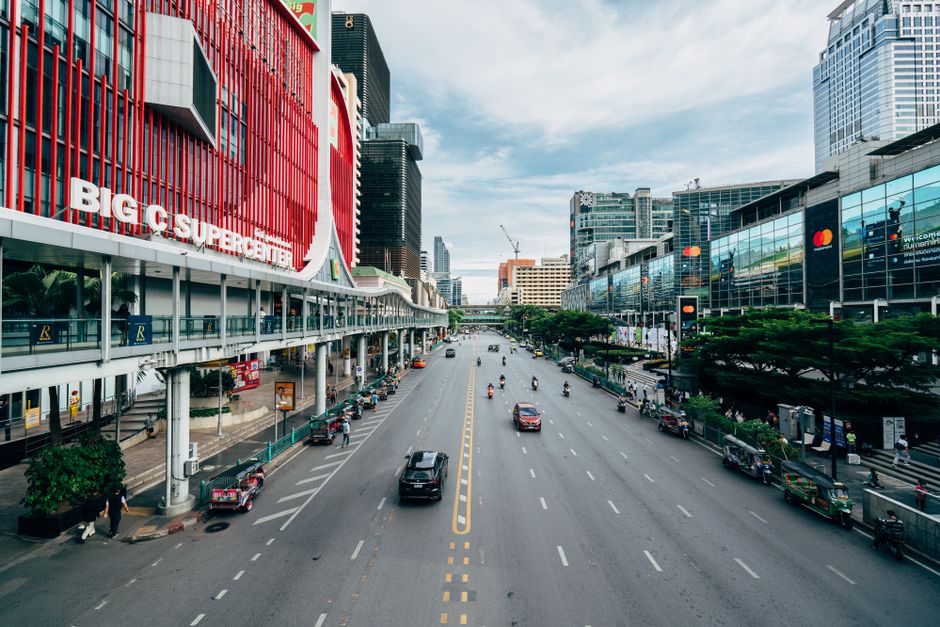 Photo: Markus Winkler / Pexels
Most long-stayers gravitate to the city centre around Niphat Uthit roads, Lee Gardens and Central Festival for walkability, malls and the widest choice of condos and apartments, or to Kho Hong near Prince of Songkla University for a quieter, younger, student-and-academic feel with lower rent. Budget-local sois around the edges of downtown offer the cheapest housing for those comfortable without much English signage. For sea air and a slower pace, coastal Songkhla town — with Samila Beach and its landmark mermaid statue — sits about 30 minutes away and is a popular alternative base or weekend escape.
 Photo: Mariia V / Pexels
Hat Yai has no BTS or MRT — the compact centre around Lee Gardens and Central Festival is walkable, and songthaews (shared trucks), motorbike taxis and Grab cover the rest. Hat Yai International Airport (HDY) sits just outside the city with a direct flight of roughly one hour twenty minutes to Bangkok, plus regional and some international routes. Hat Yai's train station is also southern Thailand's rail gateway, with services north to Bangkok and a historic line south across the Malaysia border via Padang Besar. The Sadao and Padang Besar land crossings, about an hour by road, make Penang and northern Malaysia an easy weekend trip or visa run.
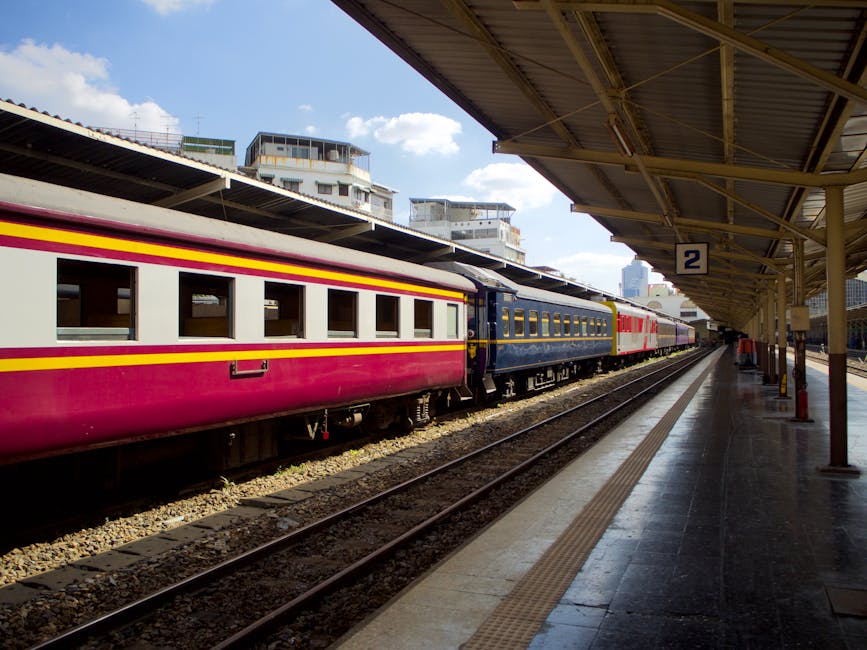 Photo: Bobby Brown / Pexels
Hat Yai is one of the cheapest large cities in Thailand for a foreigner to live well in — running at or just below Udon Thani, comfortably under Chiang Mai on rent and dining, and a fraction of Phuket or Bangkok. A lean, local lifestyle for a single person runs roughly 18,000–30,000 THB a month; a comfortable mid-expat or remote-worker lifestyle runs roughly 32,000–52,000 THB; and a premium or family lifestyle with international school and a car starts around 70,000 THB and climbs from there. Furnished one-bedrooms range from about 5,000 THB in budget-local and student areas to 8,000–14,000 THB near Central Festival and Lee Gardens — rent and, for families, school fees drive most of the spread between tiers.
 Photo: wutthichai charoenburi / Pexels
As the South's largest city, Hat Yai has the region's strongest private healthcare, anchored by Bangkok Hospital Hat Yai and other regional private hospitals with English-speaking staff and a steady flow of medical visitors from Malaysia and Singapore. Routine care, health screenings and most urgent and specialist needs are well covered locally; for the most complex cases, Bangkok is about ninety minutes away by air. Comprehensive private health insurance is affordable here and worth arranging before you move, particularly for retirement or long-stay visa requirements.
Hat Yai healthcare & hospitals guide - Bangkok Hospital, Songklanagarind & costs →
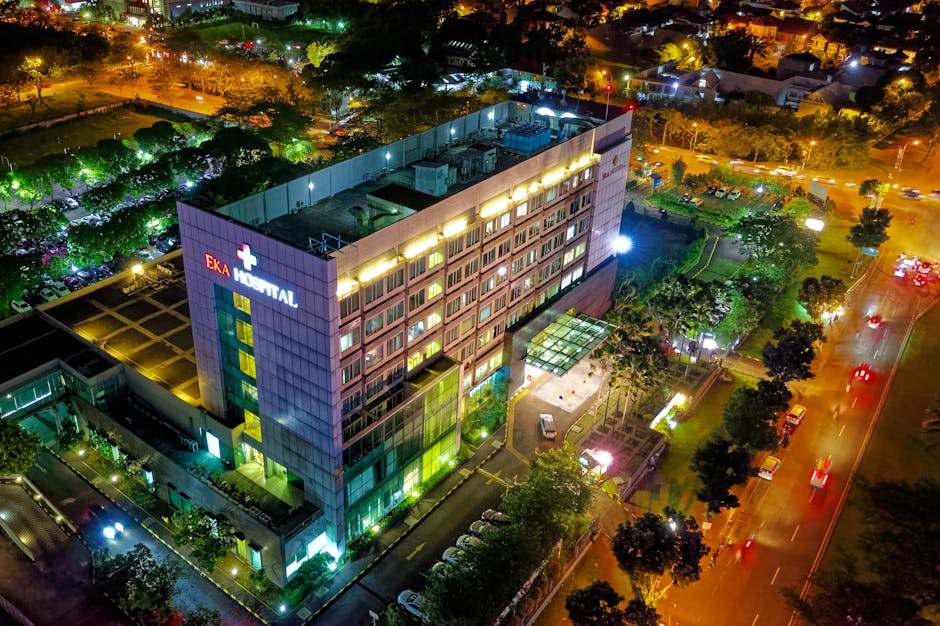 Photo: Tom Fisk / Pexels
Daily life in Hat Yai centres on food — Kim Yong Market and the surrounding night-market streets for southern Thai curries, Hat Yai fried chicken, dim sum houses and Chinese-Thai shophouse cooking that ranks among the best in the country — plus Central Festival and Lee Gardens for shopping, cinema and air-conditioned downtime. The city's role as a border-trade hub gives it a distinct Malaysian and Chinese-Thai flavour you don't find in Bangkok or the North, and Prince of Songkla University adds a younger, café-and-coworking energy. Weekend options range from Samila Beach in nearby Songkhla to day trips or shopping runs across the Malaysia border. As with any city near Thailand's far southern border provinces, it's worth checking current travel advisories — most flag the provinces further south (Yala, Pattani, Narathiwat) specifically rather than Hat Yai or Songkhla, but staying informed is sensible.
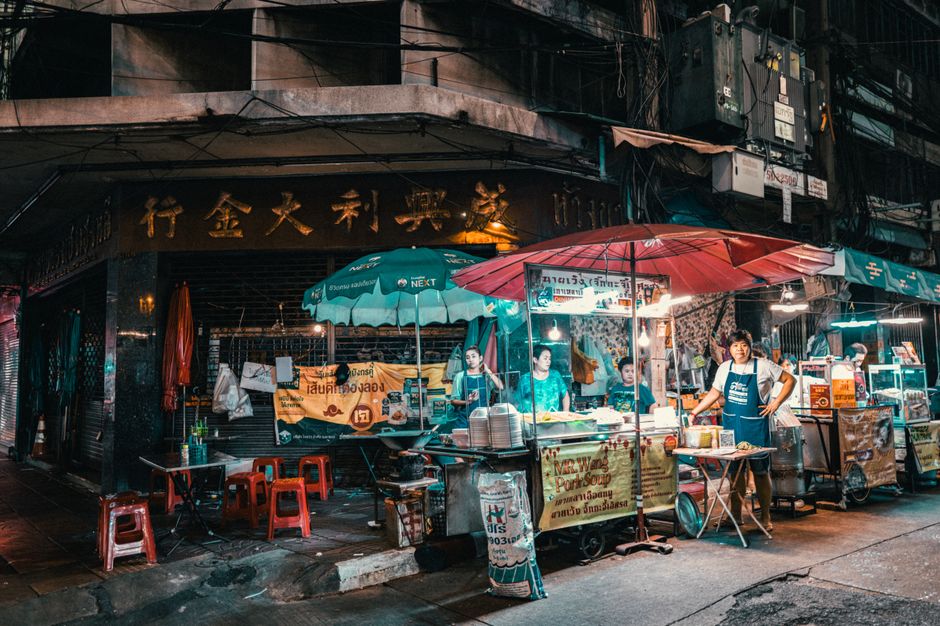 Photo: Tony Wu / Pexels
Moving to Hat Yai means choosing a visa, an area and a home, then setting up banking, healthcare and utilities — most newcomers start in or near the city centre for services and rental choice before deciding whether Kho Hong, a quieter soi, or coastal Songkhla suits them better. International schooling is limited compared with Bangkok, Phuket or Chiang Mai, so families with school-age children should check options early or plan a different base. Long-stayers typically rely on retirement, marriage, DTV or LTR visas, and the nearby Malaysia border crossings make visa runs and Penang trips straightforward.
 Photo: cottonbro studio / Pexels
Hat Yai is home to Prince of Songkla University's (PSU) flagship Kho Hong campus, southern Thailand's oldest and largest, and the private Hatyai University in the city centre — a genuine student population that shapes rental demand and everyday amenities around both campuses. Four more bodies award degrees inside the district and are easy to miss because they are named for the province or for a college: Ramkhamhaeng's Songkhla regional campus and an MCU teaching unit, both in Tambon Khuan Lang; Mahapanya Vidayalai, an English-medium Mahayana Buddhist college on Thamnoonvithi Road; and the Institute of Vocational Education: Southern Region 3, which awards the Bachelor of Technology taught at Hat Yai Technical College. See the full guide for locations, levels taught and official links.
 Photo: Min An / Pexels
Hat Yai's food scene is one of southern Thailand's best: Kim Yong Market and the night-market food streets serve the city's famous fried chicken alongside Chinese-Thai shophouse cooking, and the large Muslim community means genuinely widespread, easy-to-find halal food. Lee Gardens Plaza and Central Festival both have reliable food courts for a quick, air-conditioned meal. Prices run noticeably lower than Bangkok or the islands for comparable quality.
 Photo: Dr. John Taskinsoy / Pexels
The giant reclining Buddha at Wat Hat Yai Nai and the cable car up Hat Yai Municipal Park are the city's signature sights, alongside Central Festival and Lee Gardens malls for an easy day out. Ton Nga Chang waterfall gives a nearby nature escape, and neighbouring Songkhla's Samila Beach, Golden Mermaid statue and Old Town make for a classic half-day trip. Cross-border day trips to Padang Besar in Malaysia are also a popular weekend option given how close the border sits.
 Photo: Travel Oyo / Pexels
Central Festival and Lee Gardens Plaza cover mainstream mall shopping, while the legendary Kim Yong market is the go-to for dry goods, snacks and gifts, and the Sanehanusorn/Plaza night market covers everyday street shopping. The Asian Trade Center is the spot for electronics, and cross-border Malaysian shoppers are a visible part of the city's retail economy. Furniture, home goods and imported groceries for a new rental are easiest to find around the malls.
 Photo: Thang Nguyen / Pexels
Hat Yai is generally safe for day-to-day expat life, with petty theft and scams the more realistic concern than violent crime. Given its position near the Malaysia border, prospective residents often ask about the southern Thailand insurgency: that conflict is concentrated in Thailand's three southernmost provinces and rarely affects Hat Yai or Songkhla directly, though it is worth staying informed via travel advisories rather than dismissing it outright. Ordinary road safety -- scooters and city traffic -- is the more relevant daily risk.
Photo: Travel Oyo / PexelsForeigner-friendly bank branches cluster around Lee Gardens, Central Festival and Niphat Uthit roads, and opening an account needs a passport, visa/entry stamp and proof of address, with exact requirements shifting by visa type (DTV, LTR, retirement or work permit). Mobile banking and PromptPay are standard, and the city's role in Malaysia border trade means currency exchange is easy to find alongside the usual modest ATM and international-transfer fees.
 Photo: Pixabay / Pexels
Home fibre from AIS Fibre, True Online, 3BB and NT covers City Centre, Lee Gardens and Kho Hong at typical Thai broadband speeds and pricing. AIS, dtac and True all sell prepaid tourist and longer-stay SIMs plus eSIMs for new arrivals, and coworking spaces and cafes around the city centre offer reliable backup wifi. Coverage is strong through the urban core and out toward the Malaysia border; SIMs and top-ups are sold at convenience stores and phone shops citywide.
 Photo: Silvie Lindemann / Pexels
Save these before you need them: police 191, medical/ambulance 1669, the English-speaking Tourist Police 1155 and fire 199. The city's private hospitals run 24-hour emergency departments and are generally the fastest option after an accident or sudden illness. Know in advance what to do after a road accident, a theft or a lost passport, since Hat Yai's role as a regional hub means help is close by but still needs the right number dialled quickly.
 Photo: Mikhail Nilov / Pexels
Hat Yai's foreign community is smaller and more practical than Thailand's islands or Chiang Mai, built around Prince of Songkla University's international staff and students, cross-border Malaysian and Singaporean business ties, medical-tourism visitors, and the city's established Muslim community. It suits people who want a working city life over a resort scene. Regular meetups exist but take a bit more seeking out; university and business-network circles are the fastest way in.
 Photo: Ron Lach / Pexels
Relocating families have nurseries, bilingual and Thai kindergartens, and daycare for ages roughly 0-5, with honest monthly fees running lower than Bangkok or the islands for a comparable bilingual option. Choice is more limited than in a bigger expat hub, so it's worth confirming enrolment steps, staff-to-child ratios and English-language ability directly before committing, and checking which areas of the city actually have options nearby.
 Photo: Yan Krukau / Pexels
Hat Yai sits on a low-lying basin around Khlong U-Tapao and has a real, well-documented flood history, most recently a significant flood in November 2025. Like the rest of the Gulf-facing south, its monsoon runs the reverse of the mainland: wettest October through December. Certain low-lying areas see standing water after heavy rain more than others, so it is worth checking a building's flood history and floor level, and confirming renters' insurance actually covers flood damage, before signing a lease.
 Photo: Connor Scott McManus / Pexels
Baan Phu Hong, close to Songklanagarind Hospital (PSU's teaching hospital), is the most transparently priced nursing home in the area, with published rates from roughly THB 24,000/month for a shared room up to THB 46,000/month for a single room, plus day care from THB 800/day. Several other local nursing homes and Hat Yai Hospital's own geriatric services round out the options.
 Photo: Jsme MILA / Pexels
Central Festival Hat Yai concentrates almost every named optical shop in the city -- OWNDAYS and Top Charoen Optical on Floor 1, Eye Class, KT Optic and Optic Square on Floor 4 -- plus Bangkok Hospital Hat Yai's dedicated Eye Clinic for medical eye care.
Household help is affordable and mostly hired directly or via word-of-mouth given Hat Yai's small, trade-focused foreign community -- apps and agencies have thinner coverage than in Bangkok or Phuket. Part-time cleaners run roughly THB 250-400/hour, with full-time live-in help from about THB 9,000-16,000/month plus room and board.
The honest picture: no dedicated cooking school was found in Hat Yai, but private guided food tours through Kim Yong Market and marketplace-booked private sessions are genuinely bookable.
Hat Yai's active agencies run mostly through Facebook rather than English websites -- houses, townhouses and land dominate over condo towers, and vetting (company registration, years active, an office visit) is on the buyer since Thailand has no single real estate broker license.
Editorial analysis compiled and periodically refreshed by BAANLYY’s research team — not a live data feed.
Analysis last reviewed July 2026.
Deeper guides to daily life in Hat Yai.
Learn the budget, then talk to us about relocating.
Primary and official sources are cited above. Government rules, fees and procedures in Thailand change over time and vary by office; always confirm current requirements with the relevant authority before relying on them. BAANLYY never takes paid placement in editorial content.
General information and indicative pricing, not legal, tax, immigration or financial advice. Hero photograph via Pexels. Confirm current details with official sources, individual listings or licensed professionals.

Free tools for this
Answer 3 quick questions and see the Thailand city guide worth researching first.
Try it free →Build a realistic monthly budget by lifestyle tier.
Try it free →