← PattayaPattaya · Rental MarketHow the Pattaya rental market really works.
Average long-term condo rents by area and bedroom, why Pattaya is Thailand's value beach market, the cool-season demand bump, lease terms, deposits and advance rent, furnished norms and how foreigners rent, the practical guide before you sign. Figures are 2026 guide ranges in Thai baht (≈ THB 35–36 = USD 1).
OverviewThailand's value beach rental market
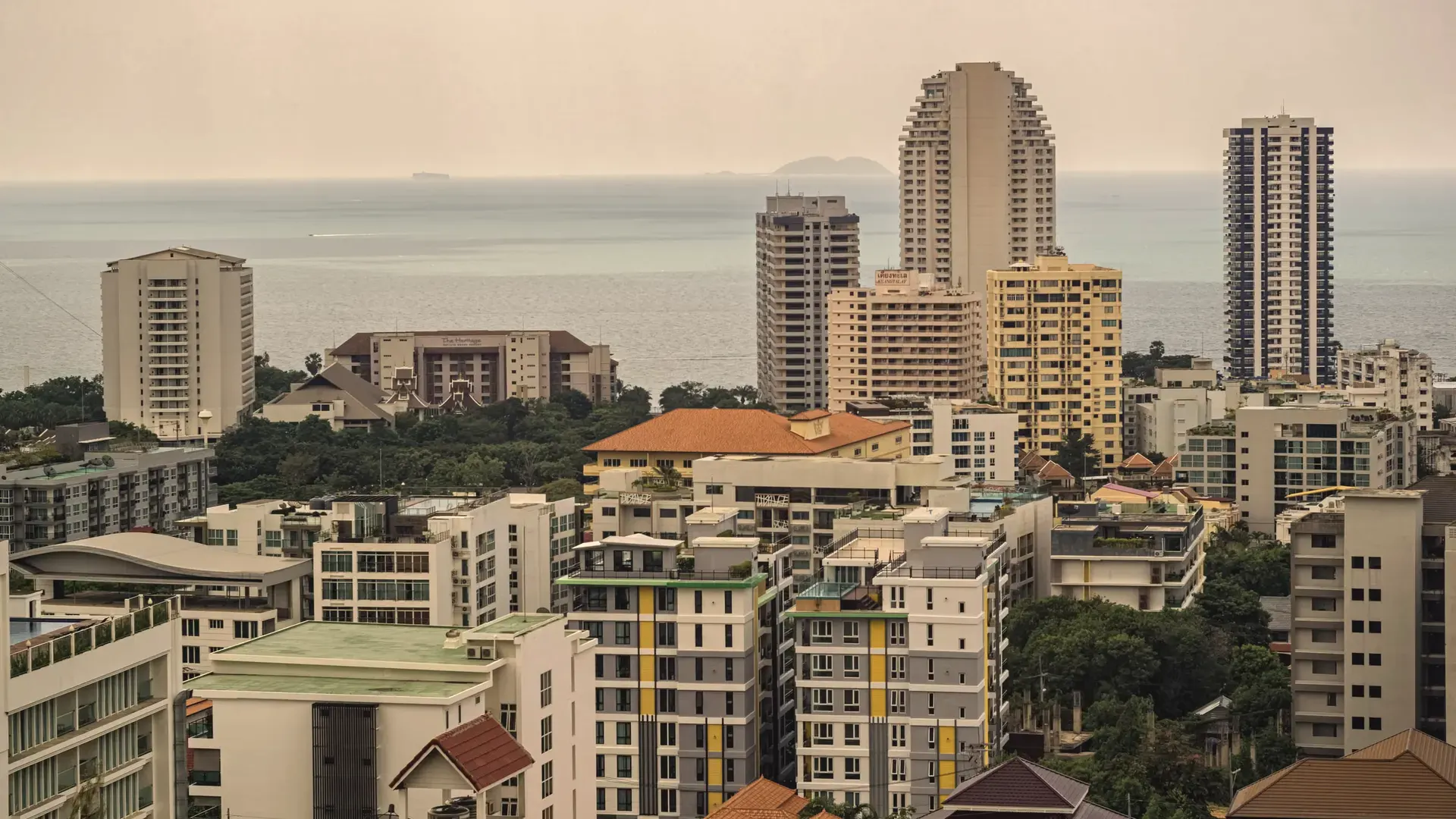
Pattaya is the country's deepest and most affordable beach rental market. Two hours from Bangkok with its own airport, international hospitals and one of Thailand's largest expat and retiree communities, the city has built an enormous supply of condos, and that supply keeps long-term rents soft and negotiable in a way the scarcer markets of Bangkok and Phuket rarely match. As with any holiday city, Pattaya runs two rental markets side by side: the long-term residential market of 6- to 12-month leases where retirees, remote workers, couples and families actually live, and the short holiday market of nightly and seasonal lets aimed at tourists. The same unit can advertise one nightly price for a December week and a far lower monthly figure on an annual lease. This page is about the first market, what it costs to live in Pattaya, and how to avoid paying holiday rates for a home. For everyday running costs once you're in, see the Pattaya cost-of-living guide.
Average long-term rents by area
Monthly rent on a 6–12 month lease for modern, furnished condos with a pool and gym. Older buildings and inland studios sit lower; sea-view branded residences and large pool houses go higher. Area and building age are the biggest levers on price, and Pattaya's value runs from inland East Pattaya up to the premium northern and southern beachfronts.
| Area | 1-bed condo | 2-bed condo | House / pool villa (3-bed) |
|---|
| East Pattaya (Huay Yai / Nong Prue, value & houses) | 8,000–14,000 | 14,000–26,000 | 28,000–65,000 |
| Central Pattaya (convenience & nightlife) | 9,000–16,000 | 15,000–28,000 | 28,000–55,000 |
| Jomtien (family beach & condos) | 9,000–17,000 | 15,000–30,000 | 30,000–65,000 |
| Pratumnak Hill (upscale & central) | 12,000–22,000 | 20,000–40,000 | 40,000–95,000 |
| Naklua / Wong Amat (quiet premium north) | 13,000–26,000 | 22,000–48,000 | 50,000–130,000 |
| Na Jomtien (luxury beachfront south) | 14,000–28,000 | 25,000–55,000 | 55,000–160,000+ |
Browse every Pattaya area guide for live ranges →
Seasonal demand, gentler than the islands
Because Pattaya has a huge year-round resident base and a deep condo supply, its seasonal price swing is softer than a pure holiday island. Rates still firm up in the cool season as tourists and winter snowbirds arrive, but a 12-month lease that runs through both seasons remains the cheapest way to live here.
| How you rent | Relative cost | What to expect |
|---|
| Long-term (12-month) condo lease | Best monthly rate | Baseline, huge condo supply keeps Pattaya soft and competitive year-round |
| Low / green season monthly (May–Oct) | Low | Best discounts; landlords compete for an off-season tenant |
| High / cool season monthly (Nov–Feb) | Higher | Snowbird and tourist demand lifts monthly rates, typically 15–40% over green season |
| Peak weeks (Christmas, New Year, Songkran) | Highest | Sea-view and short-stay units spike; minimum stays apply |
| Short holiday let (nightly) | Premium | Daily pricing for tourists, not a true rental rate, not comparable to a lease |
Practical takeaway: if you're staying six months or more, sign a long lease and you'll pay the baseline rate year-round. If you arrive in December on a three-month plan, expect a cool-season premium, and consider arriving in the green season instead, when landlords compete hardest for tenants.
Lease terms, deposits & advance rent
A standard Pattaya long-term lease asks for two months' deposit plus one month in advance, so budget roughly three months' rent to move in. Here's the typical structure and who pays what.
| Item | Typical norm |
|---|
| Typical long-term lease length | 12 months (6-month leases common; 12 unlocks the best rate) |
| Security deposit | 2 months' rent (refundable, less damages) |
| Advance rent on signing | 1 month upfront (so move-in ≈ 3 months' rent) |
| Short / seasonal lease deposit | 1–2 months, sometimes higher over the cool-season peak |
| Electricity | Tenant pays, metered. Pattaya is on the Provincial Electricity Authority (PEA) grid; the regulator's average tariff on bills from September 2026 is about THB 3.86 per unit before VAT. A landlord with 3+ rental units may not bill more than the utility charges them |
| Water | Tenant pays (modest), supplied by the Provincial Waterworks Authority. The same no-markup rule applies to landlords with 3+ units; sometimes included in houses and small blocks |
| Deposit refund | Landlords with 3+ units: within 7 days of hand-back if there's no damage, or 14 days with itemised deductions. Private one-unit owners: whatever the lease says, so write a date in |
| Internet / common fees | Landlord usually pays the building common fee; fiber often included |
| Notice to vacate | Commonly 30–60 days; check the contract |
Electricity is the line to watch: Pattaya is on the PEA grid, and the regulator's average tariff on bills from September 2026 is about THB 3.86 per unit before VAT, yet some leases quote a flat per-unit rate well above that. Since September 2025 a landlord with three or more rental units may not charge more than the utility bills them (see the rules below); a private one-unit owner can, so check the rate before you sign. Heavy AC use in Pattaya's heat can add THB 1,500–3,500 a month. Always get the deposit terms and an inventory list in writing, model your true move-in cost with the move-in cost calculator.
The 2025 tenant-protection rules, and who they actually cover
Renting homes to individuals is a "contract-controlled business" under Thailand's Consumer Protection Act. The Contract Committee's notification B.E. 2568, dated 30 May 2025 and in force 90 days after its Royal Gazette publication (September 2025), replaced the 2019 version. It puts hard limits on deposits, utility charges and refunds. The catch for Pattaya is scope: it binds landlords with three or more rental units. An apartment-block operator, or an owner letting several condos, is covered. An individual letting the one condo they own is not, so on a one-unit lease the deposit and utility terms are whatever you negotiate. Ask the landlord or agent how many units they let before you sign.
| Rule | What it means for a tenant |
|---|
| Who it covers | Any landlord renting homes to individuals with three or more rental units, in one building or across several (the 2019 rules started at five). Dormitories and hotels are excluded. A private owner letting the one or two condos they own is outside it |
| Deposit + advance rent | Combined, no more than three months' rent on a lease of up to 3 years; no more than one year's rent on a long lease of 3–30 years |
| Electricity & water | May not be billed above the rate the electricity and water providers charge the landlord |
| Rent rises | Rent and service charges can't be raised before the lease expires |
| Deposit refund | Within 7 days of the lease ending and the unit being handed back if there's no damage; within 14 days where costs are deducted. Normal wear and tear can't be deducted |
| The contract | Must contain clear Thai text and follow the official standard form (short-term form for leases up to 3 years). Ask for a bilingual copy so you can read what you sign |
| Older leases | The rules aren't retroactive: a lease signed before September 2025 moves onto them when it is renewed or changed |
Disputes with a covered landlord go to the Office of the Consumer Protection Board (OCPB, hotline 1166). This is a plain-English summary, not legal advice; the official notification text is listed in the sources further down this page.
Furnished norms & what's included
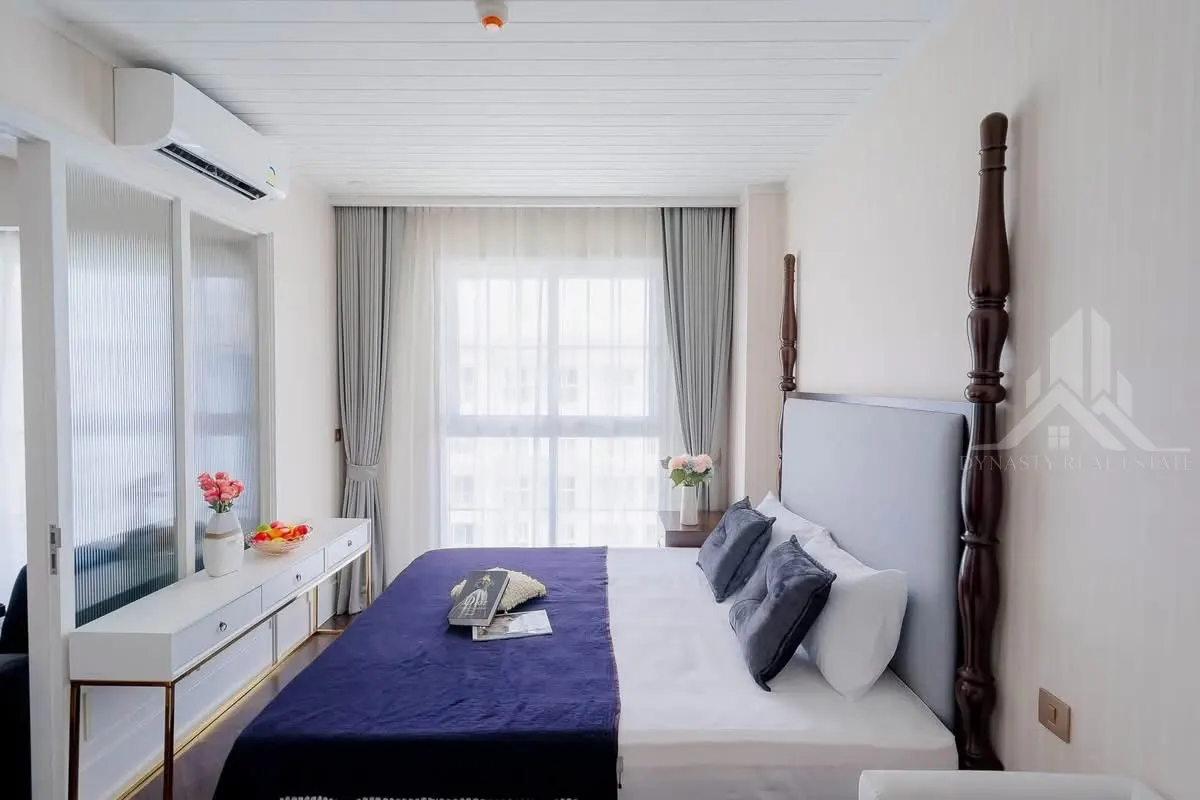
The Pattaya expat condo market is overwhelmingly furnished. A typical unit comes with a bed, wardrobe, sofa, dining set, a kitchen with hob, fridge, microwave and washing machine, air conditioning in every room, a TV and usually kitchenware, linens and towels, so you can genuinely arrive with a suitcase. Houses in East Pattaya are more mixed: gated pool villas aimed at expats are often furnished, while local-market houses can come bare. Whatever you take, insist on a written inventory list attached to the lease so the deposit return is clean, and check whether pool and garden upkeep on a house is included in the rent, it's a real monthly saving worth negotiating.
Condo vs house, which rental suits you
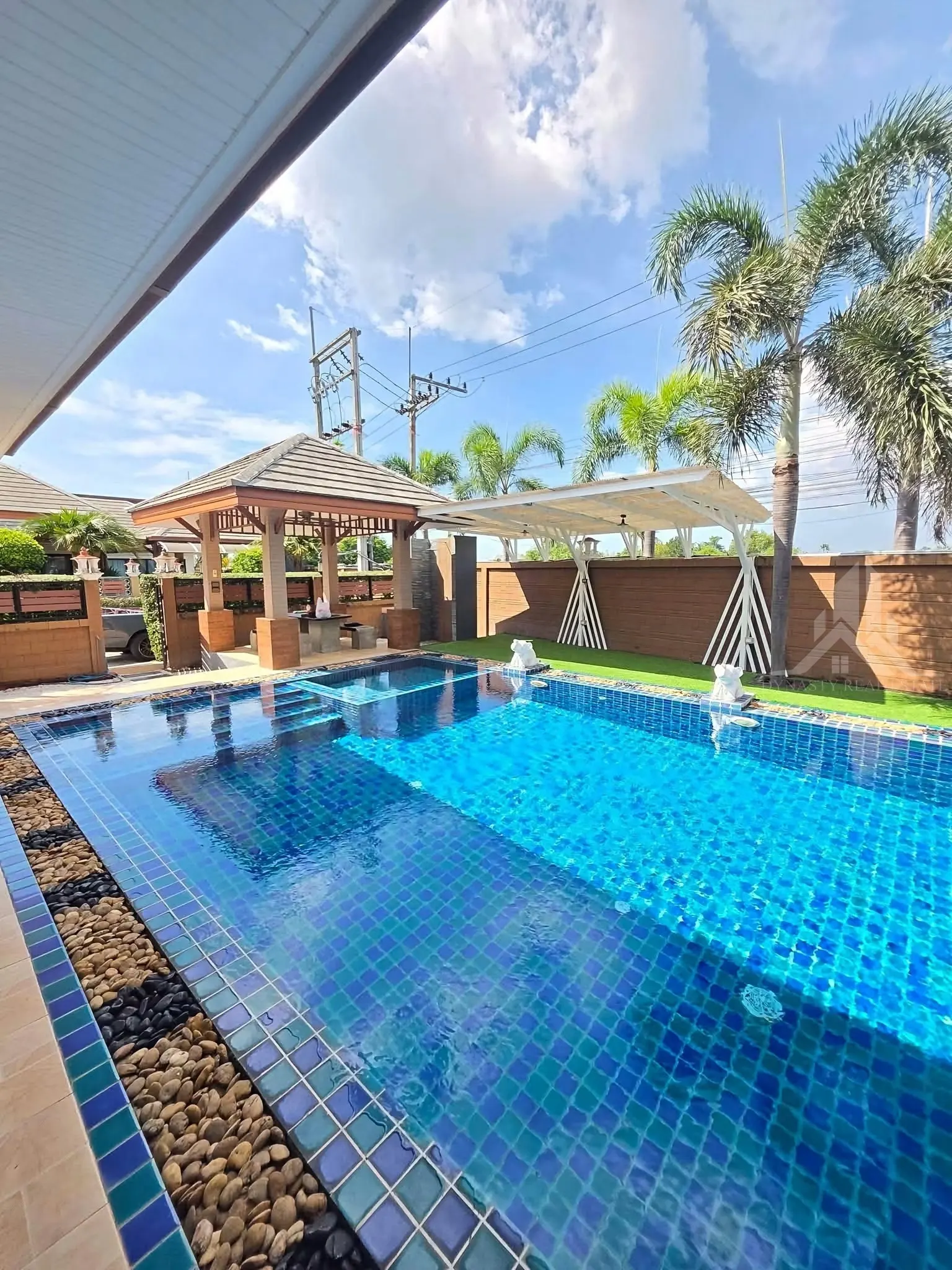
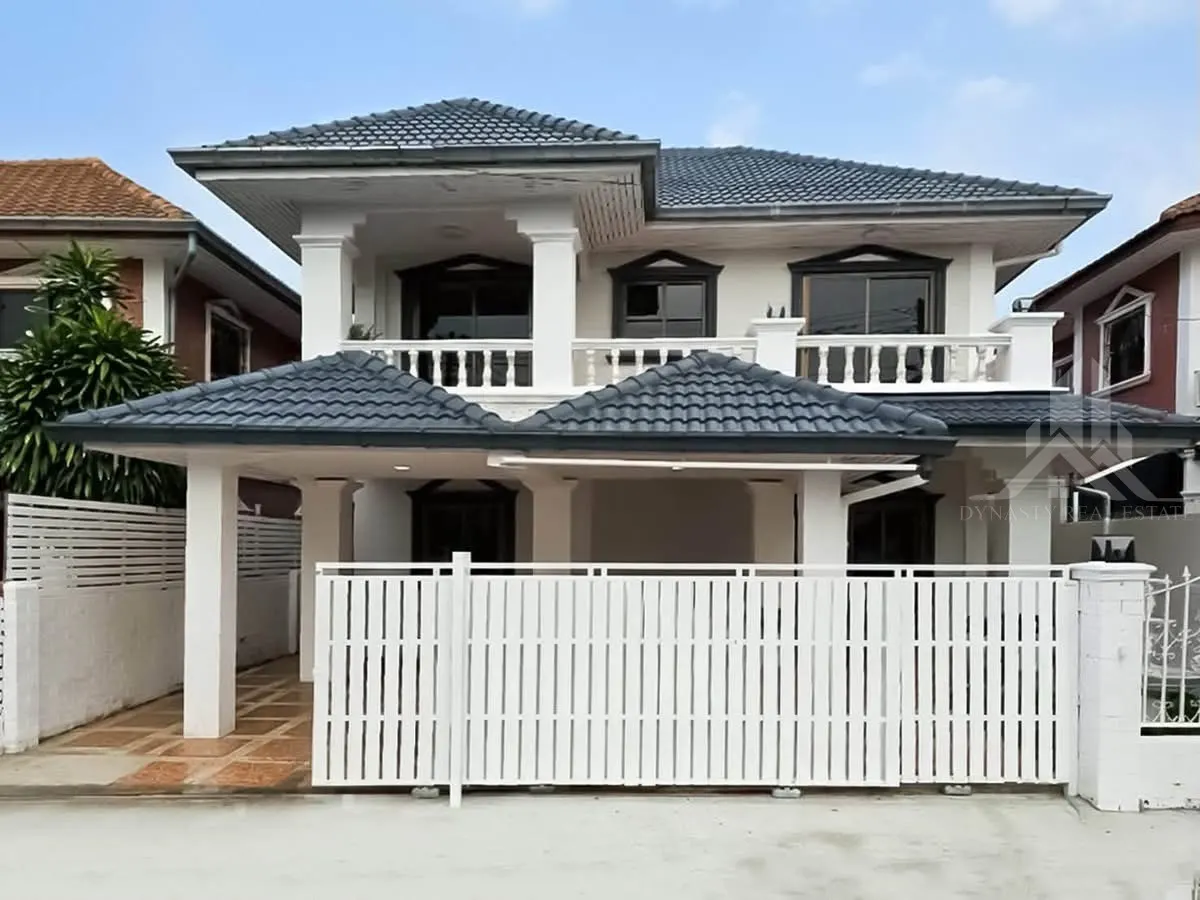
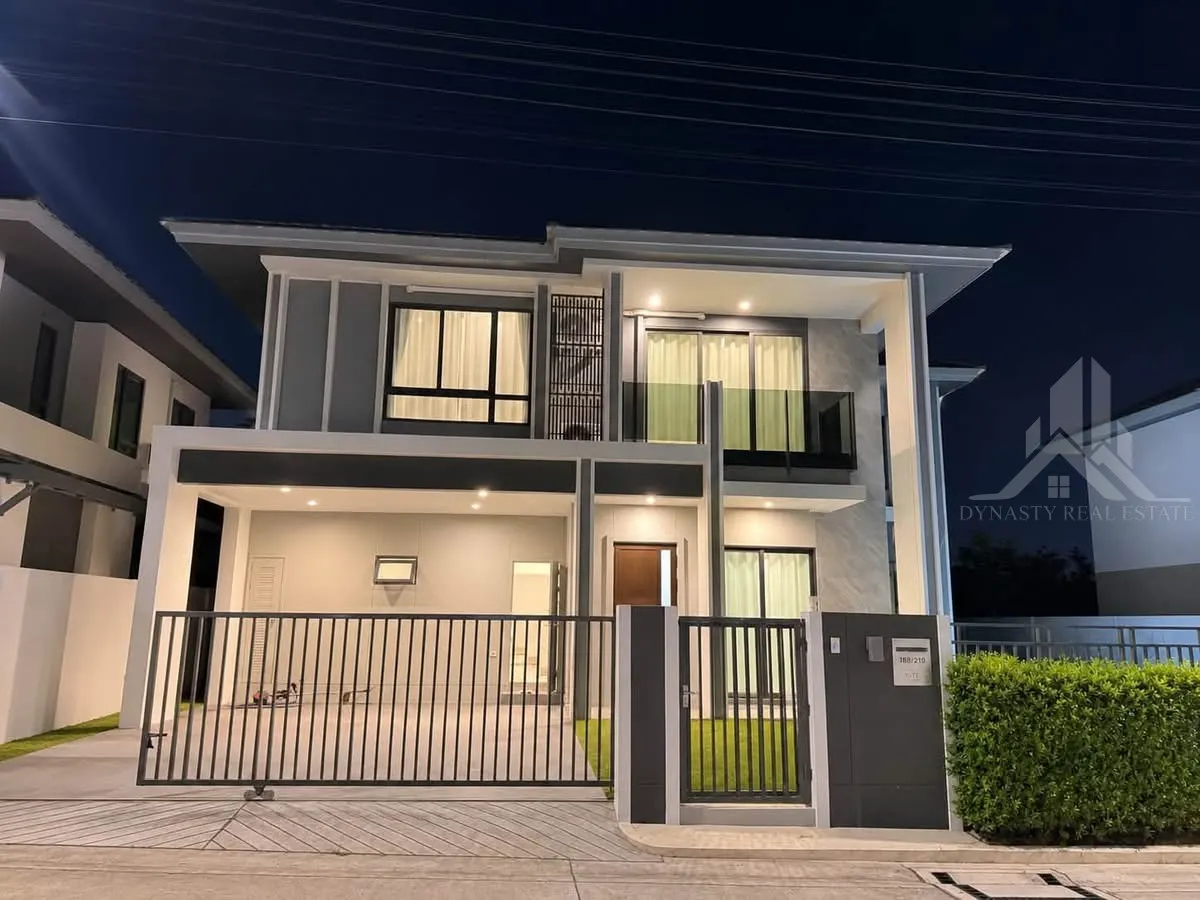
Condos are the easy entry point and Pattaya's deepest market: lock-up-and-leave security, a shared pool and gym, building management to handle problems, and lower running costs, which suits singles, couples and remote workers, and they cluster along the beaches in Jomtien, Central Pattaya, Pratumnak, Wong Amat and Na Jomtien. Houses give you space, privacy, a private pool and room for a family or pets, but come with higher running bills and upkeep to budget or negotiate into the lease. As a rule, condos dominate the beach strip and the under-THB-30,000 market, while gated pool homes take over inland in East Pattaya around Huay Yai and Nong Prue. Match the choice to your area: see the Jomtien, Pratumnak Hill and Na Jomtien guides for what each delivers.
What foreigners can rent & the process
Good news: there are no restrictions on foreigners renting in Thailand. Anyone can lease a condo, apartment or house long-term or seasonally on any visa, the 49% condo quota and the no-foreign-freehold-land rules apply only to buying, not renting. The process is fast and informal compared with the West: view, agree terms, sign a contract, pay deposit plus first month, and move in, often within days.
| Step / item | What to know |
|---|
| Tenant agent fee (long-term) | Usually FREE, the landlord pays the agent |
| Tenant agent fee (short / seasonal) | Sometimes a booking or service fee applies |
| Landlord agent commission | Typically ~1 month for a 12-month lease (paid by owner) |
| Documents you'll need | Passport; for long stays, visa / immigration details |
| Reservation / holding deposit | 1 booking deposit to take a unit off-market, rolled into the deposit |
| Lease registration | Leases over 3 years should be registered at the Land Office |
One reassuring point on cost: for a normal long-term lease the landlord pays the agent, so a good agent costs the tenant nothing. Leases of three years or more should be registered at the Land Office to be enforceable for the full term. If you're matching a visa to a home, our visa-holder housing guides walk through the documentation.
How the Pattaya rental market got here
Growth TrajectoryPattaya Rental Market: Growth Trajectory
Pre-2020
Retiree and tourist rental market
Pattaya's rental stock grew up around beachfront tourism and retirement, with condo towers along Jomtien and Pratumnak leased mainly to seasonal visitors and long-stay retirees rather than working professionals.
2020–2021
One of the hardest-hit tourism markets
As one of Thailand's most tourism-dependent cities, Pattaya saw among the steepest rent declines and vacancy spikes of any rental market nationally during border closures, with landlords cutting rates sharply to hold tenants.
2022–2023
Recovery through long-stay retirees and remote workers
Recovery was driven less by returning tourists and more by long-stay retirees and remote workers discovering Pattaya's lower cost base compared with Bangkok, stabilizing occupancy in Na Jomtien and Pratumnak first.
2024–2026
Diversifying beyond the tourist rental
Growth from Eastern Economic Corridor industrial and infrastructure investment is pulling in corporate and family tenants alongside retirees, gradually diversifying Pattaya's rental base beyond its traditional holiday-and-retirement core.
Where Pattaya rentals are listed, and what to check before you sign
Most long-term Pattaya rentals are advertised on the national property portals and through local agencies, with Facebook rental groups as a cheaper, messier third channel. The same unit often appears from several agents at different prices, so compare the building, floor and view rather than the photos. Our Pattaya condo tower guides help you check a building before you view.
| Where to look | What it's good for |
|---|
| DDproperty | One of Thailand's biggest listings portals; filter Pattaya rentals by area, bedrooms and price |
| FazWaz | Strong on Pattaya and Jomtien condos, with building pages and English-language listings |
| Hipflat | Condo-by-condo listings with building data, useful for comparing rents inside one tower |
| Dot Property | Large Pattaya condo-for-rent inventory from agents and owners |
| Local agencies | Long-term leases are usually free to the tenant; see our Pattaya agencies guide below |
- Know who owns it. Ask to see the owner's ID and the unit's condominium title deed (อ.ช. 2), or a written authorization if an agent signs for them.
- Count the landlord's units. Three or more brings the 2025 deposit, utility and refund rules into play; one or two leaves them to the contract.
- Read the utility clause. A per-unit electricity rate far above the PEA tariff adds up fast in a hot city.
- Ask the building's rules. The condo juristic office sets key-card registration, pet and visitor rules, which bind tenants too.
- Sort your address report. Whoever houses a foreigner has to notify immigration of the address (the TM30); see our TM30 and 90-day reporting guide.
- Photograph everything at check-in. A dated photo inventory is your best protection when the deposit comes back.
Prefer an agent? Our Pattaya real-estate agencies guide lists established local firms.
FAQPattaya rental market questions
How much is rent in Pattaya per month?
For a modern, furnished one-bedroom condo, expect roughly THB 8,000–16,000 a month in value areas like East Pattaya and Central Pattaya, THB 9,000–22,000 in popular Jomtien and upscale Pratumnak Hill, and THB 13,000–28,000 in the quieter premium north (Naklua, Wong Amat) and luxury Na Jomtien beachfront. Two-bedroom units and pool houses run higher. These are long-term (6–12 month) rates, short seasonal lets cost more.
Is Pattaya cheaper to rent than Bangkok or Phuket?
Generally yes. Pattaya is Thailand's value beach market, long-term condo rents typically sit below both Bangkok and Phuket for a comparable furnished unit, thanks to an enormous condo supply across the city. You can rent a modern beach-area one-bedroom in Pattaya for what an inland condo costs in central Bangkok, and well under high-season Phuket. The trade-off is depth of supply over scarcity-driven prestige pricing.
Does Pattaya rent change with the season?
Some. Pattaya has a large year-round resident and retiree base and a deep condo supply, so the seasonal swing is gentler than on a pure holiday island like Phuket. Even so, cool-season demand from November to February, tourists plus winter 'snowbirds', lifts monthly rates roughly 15–40% over the green season, and peak weeks around New Year and Songkran cost more again. A 12-month lease signed for the whole year gets you the lowest monthly rate.
How much deposit do I need to rent in Pattaya?
A standard long-term lease asks for two months' rent as a refundable security deposit plus one month's rent in advance, so you typically need about three months' rent to move in. Shorter seasonal leases often take one to two months' deposit. The deposit is refundable at the end of the lease, less any damage or unpaid bills.
Can foreigners rent property in Pattaya?
Yes. There is no restriction on foreigners renting in Thailand, anyone can rent a condo, apartment or house long-term or seasonally regardless of visa type, and you don't need to own anything to live there. Renting is how most of Pattaya's large expat and retiree community lives. Ownership rules (the 49% condo quota, no foreign freehold land) apply to buying, not renting.
Are Pattaya rentals furnished?
Almost all condos marketed to expats and long-stay residents come fully furnished, bed, sofa, kitchen appliances, washing machine, AC and usually kitchenware and linens, so you can move in with a suitcase. Houses in East Pattaya are more mixed: some come furnished, others bare. Always confirm the inventory list in the lease so the deposit return is clean.
Can my Pattaya landlord charge more than the PEA rate for electricity?
Not if they let three or more units. Since September 2025, the Contract Committee's residential-lease notification (B.E. 2568) bars landlords with three or more rental units from billing electricity or water above what the utility charges them. A private owner letting a single condo is outside that rule, so read the per-unit rate in the lease before you sign. For reference, the regulator's average tariff on bills from September 2026 is about THB 3.86 per unit before VAT.
How quickly must a rental deposit be returned in Thailand?
Under the 2025 rules, a landlord with three or more rental units must return the deposit within 7 days of the lease ending and the unit being handed back if there's no damage, or within 14 days where costs are deducted, and normal wear and tear can't be deducted. One-unit private landlords aren't bound by those deadlines, so write a return date into the contract and keep a dated photo inventory from check-in.
Want the everyday running costs too? See the Pattaya cost-of-living guide and the long-form 2026 budget tables in the Learn library.
Questions people asked here
Find the right Pattaya rental.
Match your budget and season to the right area and home, then run the move-in maths before you commit. Tell us what you need and we'll line up matching condos and houses.
Hero photo by Andreas Maier on Pexels. Figures are indicative 2026 guide ranges, not quotes or legal, tax or immigration advice.
B
Last updated 21 November 2026 · Last reviewed 10 November 2026