OverviewThe short version
Bangkok pairs a genuinely low cost of living with big-city options. Eat Thai, ride the BTS and rent outside the most prime towers and a single person lives well on THB 45,000–65,000 a month; a couple on THB 80,000–120,000; a family of four on THB 180,000–320,000 once a car and international schooling enter the picture. Rent is the biggest lever, school fees the biggest swing factor for families. Everything below is a current guide range, for live rent by neighborhood and tower, use the BAANLYY area scores and Bangkok hub.
Healthcare, insurance & schools
A private GP visit runs about THB 800–1,500 and Bangkok's JCI-accredited hospitals (Bumrungrad International, Bangkok Hospital, Samitivej and others) deliver international-standard care far below Western prices. For insurance, the names that come up repeatedly in the Bangkok expat market are AXA Thailand, Allianz Ayudhya, Pacific Cross, AIA and Cigna Global, each sets its own premium by age and plan tier, so published "typical" annual costs vary widely by source (rough broker estimates run from the low thousands of USD a year for someone in their 30s–40s on a budget plan to well over USD 10,000 for an older applicant on a premium worldwide plan); get a quote from a licensed broker for your own age and cover level rather than relying on a single average. Some long-stay visas set a minimum required level of health cover.
For families, international-school tuition is the largest single cost, and it varies by school far more than a single "mid-tier vs. top-tier" range suggests. Three of Bangkok's best-known names: Harrow International School Bangkok publishes current 2026/27 fees reported in the roughly THB 250,000–1,040,000 a year range across nursery through senior years (sources disagree on the exact top and bottom figures, see note below), plus a separate application fee, admission fee and a refundable deposit; NIST International School and the International School Bangkok (ISB) are both reported at roughly THB 650,000–1,200,000 a year for upper grades. These figures come from a third-party schools-comparison guide, not each school's own published fee schedule, and the guide itself flags that entrance fees, capital levies, buses and lunch can add significantly more, confirm current numbers directly with each school's admissions office before budgeting.
FAQBangkok cost-of-living questions
How much does it cost to live in Bangkok per month?
A single person living comfortably in a well-connected area typically spends THB 45,000–65,000 (about USD 1,250–1,850) a month, a couple THB 80,000–120,000, and a family of four THB 180,000–320,000 once a car and international schooling are included. The single biggest variable is rent, which swings with area and tower, followed by international-school fees for families.
Is Bangkok cheaper than Western cities?
For most expats, yes: clearly. Eating local food, using the BTS/MRT and renting outside the most prime towers, day-to-day costs run well below an equivalent lifestyle in London, Sydney or major US cities. The gap narrows if you insist on imported groceries, Western dining, a car and a branded-residence address, all of which Bangkok also offers.
How much is rent for a condo in Bangkok?
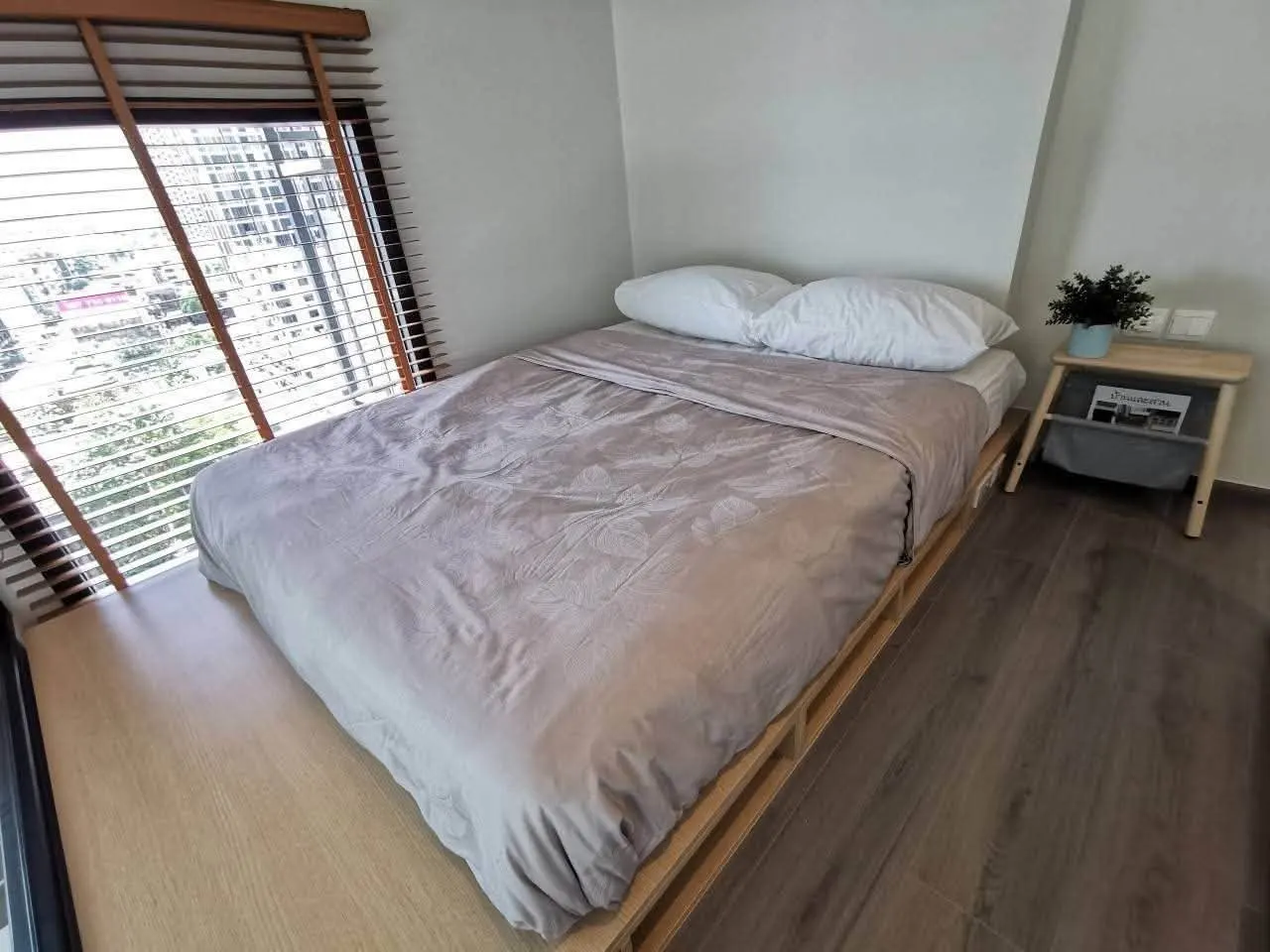
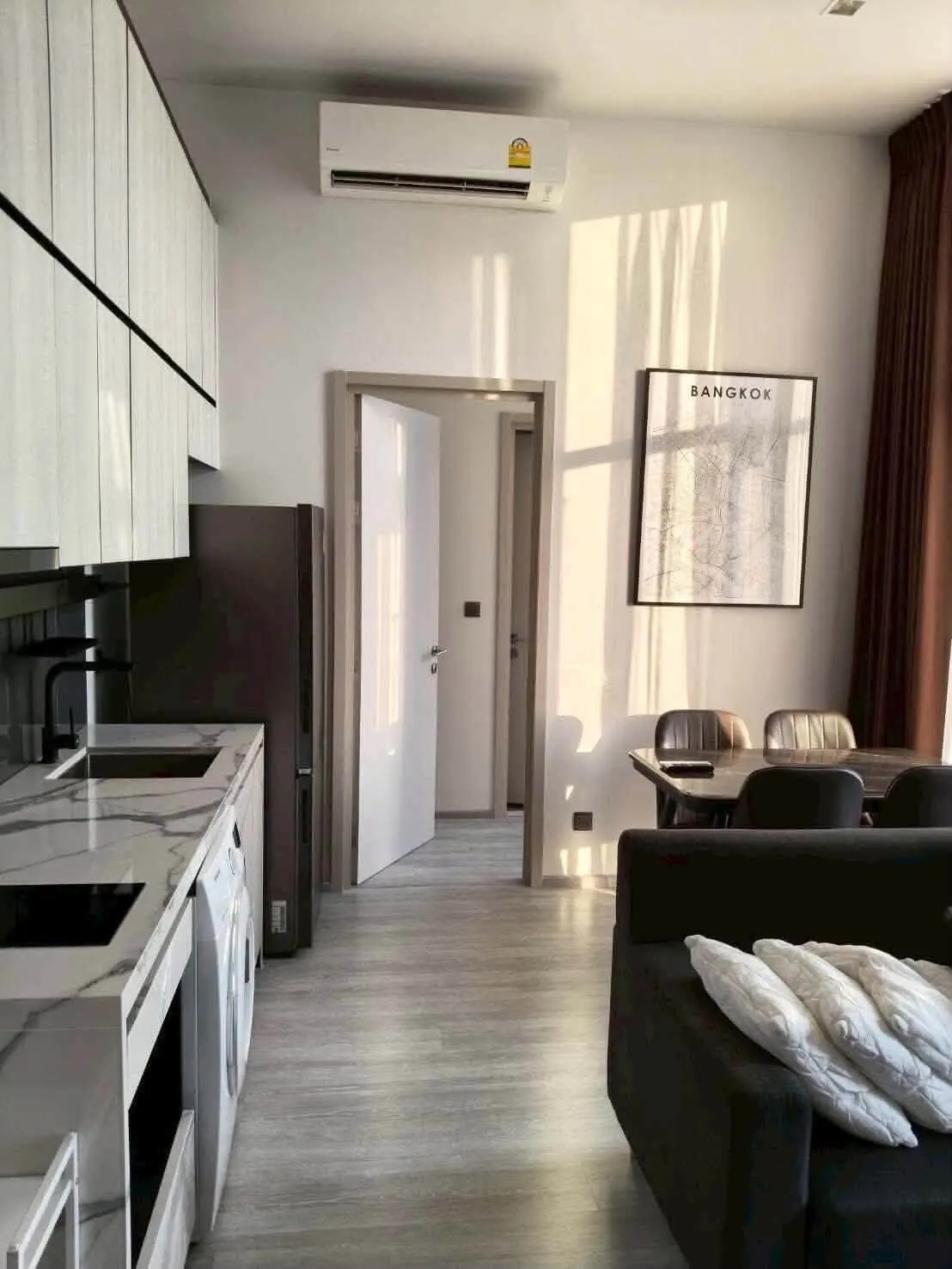
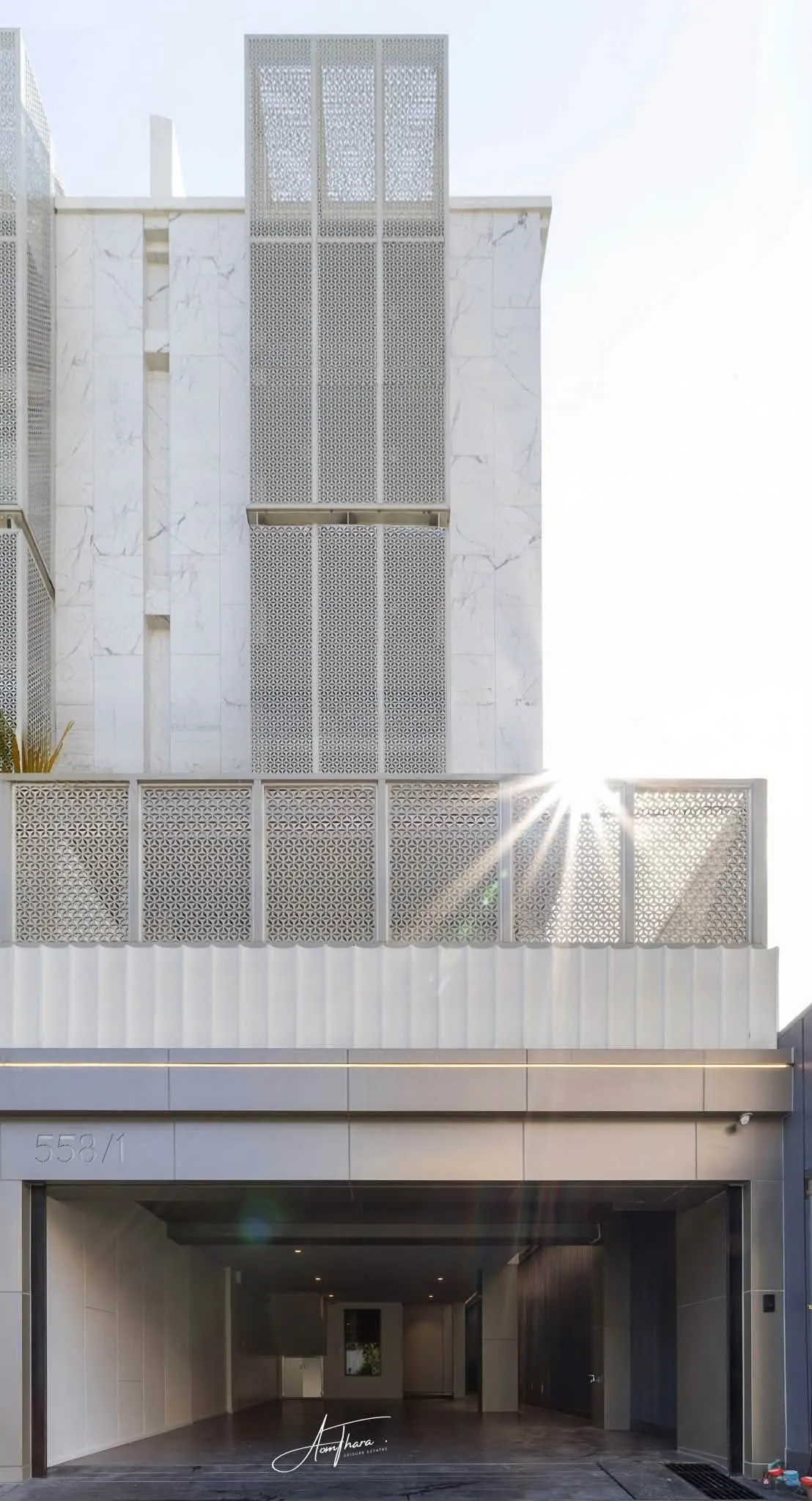
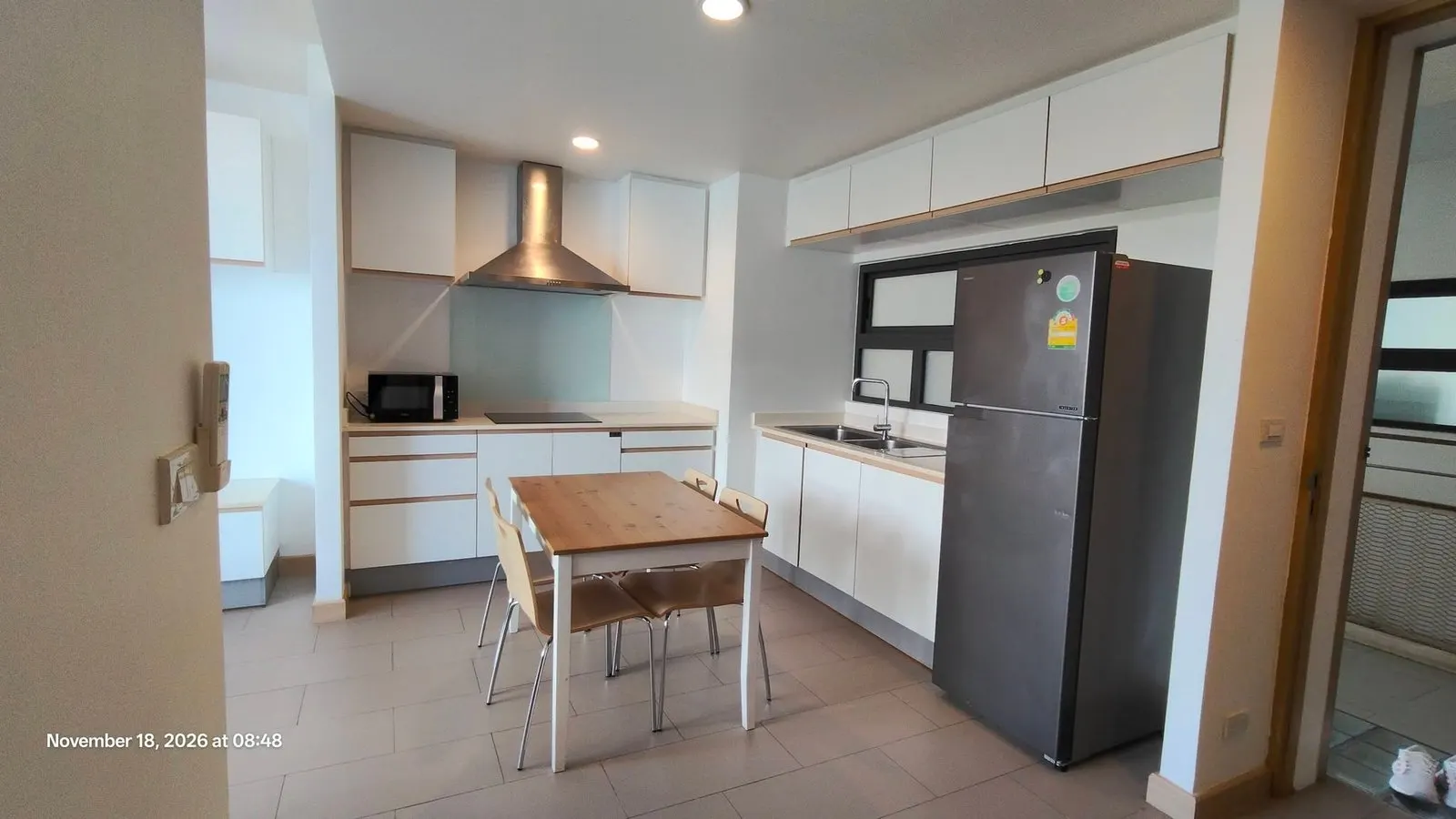
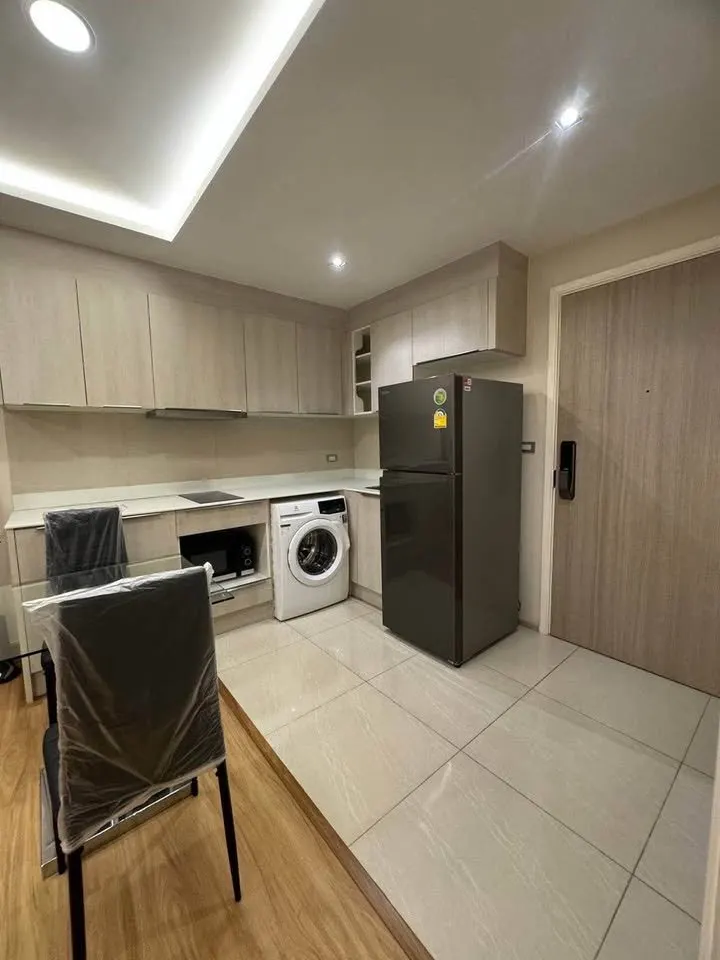
A modern one-bedroom condo runs roughly THB 11,000–18,000 a month in budget outer districts, THB 15,000–26,000 in mid-tier connected areas, and THB 25,000–45,000 in prime central districts like Asoke, Phrom Phong, Thonglor and Sathorn. Branded and luxury residences start higher again. Each BAANLYY area page lists current studio-to-three-bedroom ranges.
What does food cost in Bangkok?
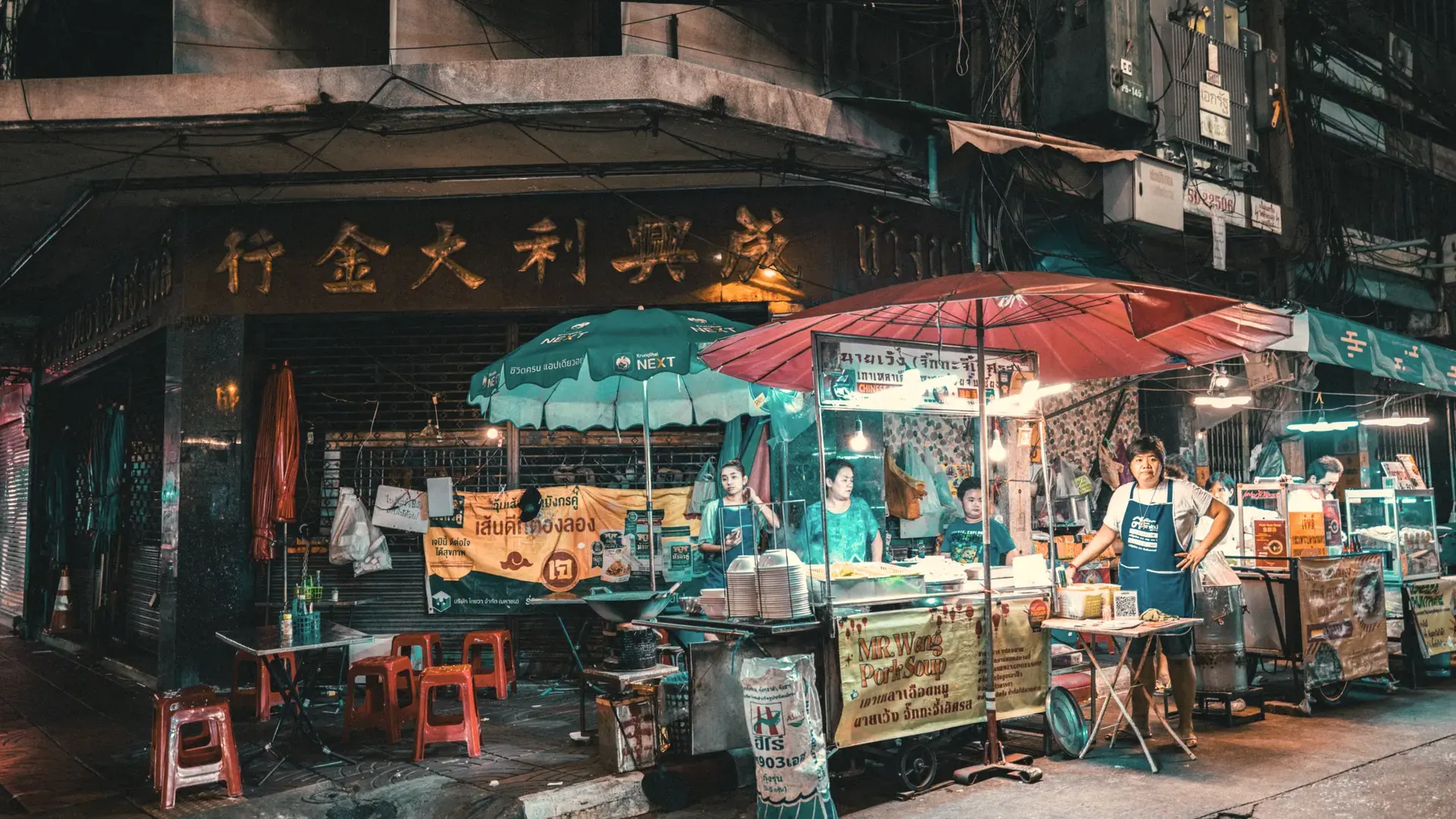
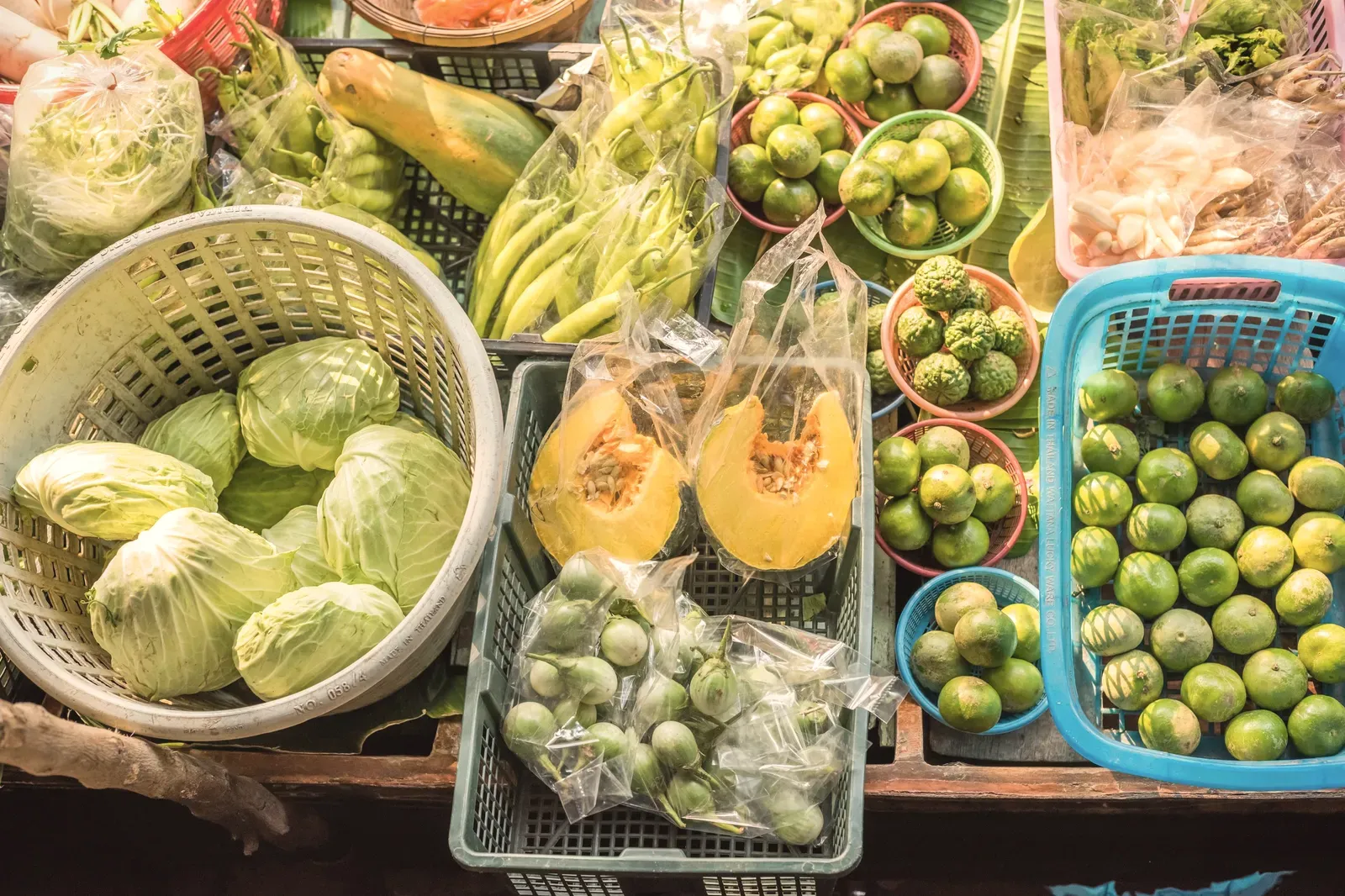
A local Thai meal at a street stall or food court is THB 50–90, a casual restaurant THB 120–250, and a mid-range dinner for two THB 600–1,200. Cooking at home and eating Thai keeps a couple's food bill around THB 9,000–16,000 a month; leaning on imported groceries and Western restaurants can easily double it.
Do I need a car in Bangkok?
No. Bangkok's BTS Skytrain, MRT subway, Airport Rail Link, river boats and cheap, plentiful Grab and motorbike taxis make car-free living easy, especially along the central condo belt. Families and those living away from a rail line often choose a car for the school run and weekends, which adds roughly THB 8,000–15,000 a month in running costs.
How much does an international school cost in Bangkok?
It varies far more by school than a single average suggests. Harrow International School Bangkok's reported 2026/27 fees run roughly THB 250,000–1,040,000 a year depending on year group (sources disagree on the exact figures), plus a separate application fee, admission fee and refundable deposit. NIST International School and the International School Bangkok (ISB) are both reported at roughly THB 650,000–1,200,000 a year for upper grades. These are third-party guide figures, not each school's own published schedule, confirm directly with admissions, and budget extra for entrance fees, buses and lunch on top.
Sources & References
Primary and official sources are cited above. Government rules, fees and procedures in Thailand change over time and vary by office; always confirm current requirements with the relevant authority before relying on them. BAANLYY never takes paid placement in editorial content.