Which city fits you?
Answer 3 quick questions and see the Thailand city guide worth researching first.
Try it free →The complete starting point for Ratchaburi — a central-plains province just west of Bangkok on the Mae Klong River — with an overview, where to live, transport, heritage and relocation.
Ratchaburi — the name means "land of the king" — is a central-plains province on the Mae Klong River, just west of Bangkok on the road and rail routes toward Kanchanaburi and the southern peninsula. It is one of central Thailand's oldest settled areas, with the Dvaravati-era ruins of Khu Bua and the Khmer-style prang of Wat Mahathat, and it is nationally famous for two very different things: its dragon-water-jar ceramics (the glazed "ong" jars produced in the riverside city) and the Damnoen Saduak Floating Market in its canal country. To the west, the province rises into the Suan Phueng mountains on the Myanmar border — a booming weekend-getaway and second-home belt. For relocators it offers a genuine urban core, strong Bangkok connections, and a real spread of settings from riverside city to canal country to cool mountain resort, without the price or crowds of the capital.
 Photo: Quang Nguyen Vinh / Pexels
Ratchaburi's living options split into four broad choices. Mueang Ratchaburi and the Mae Klong riverside is the walkable, amenity-dense provincial capital — Wat Mahathat, the national museum, the dragon-jar workshops, the main hospital and the railway station are all here. Ban Pong and Photharam, on the eastern side toward Nakhon Pathom, are the province's busiest, most Bangkok-connected towns, built around the Ban Pong rail junction. Damnoen Saduak and the southeastern canal country is quiet, green, orchard-and-khlong living near the famous floating market. And the western mountain belt around Suan Phueng and Chom Bung is resort and second-home country on the Myanmar border. The full where-to-live guide compares all four.
 Photo: Valeria Drozdova / Pexels
Ratchaburi's biggest practical advantage is how close it is to Bangkok. The provincial capital sits on the State Railway's Southern Line, roughly two hours from Bangkok by train, and Ban Pong is a major junction where the Namtok (Kanchanaburi / "Death Railway") branch leaves the main line. By road, Highway 4 (Phetkasem) runs straight to Bangkok and on toward Phetchaburi and the south, Highway 323 heads north to Kanchanaburi, and the Rama II corridor via neighbouring Samut Songkhram gives a second fast route to the capital. There is no commercial airport in the province — Bangkok's Suvarnabhumi and Don Muang serve it. Locally there is no mass transit; residents rely on cars, motorbikes, songthaews and tuk-tuks, and a vehicle is the practical default outside the city centre.
 Photo: Quang Nguyen Vinh / Pexels
Ratchaburi wears a long history lightly. South of the modern city, Khu Bua is a moated Dvaravati-era town dating back more than a thousand years, and in the city itself Wat Phra Si Rattana Mahathat (Wat Mahathat) carries a Khmer-style prang from the Lopburi/Angkorian period. The Ratchaburi National Museum tells that story, while the city's living heritage is its ceramics — the glazed dragon-water-jars ("ong"), most famously from the Tao Hong Tai kilns, that made Ratchaburi "the city of the dragon jar." Add the Damnoen Saduak Floating Market, the limestone caves and reliefs of Khao Ngu Stone Park, and the mountain scenery of Suan Phueng, and the province rewards far more than the quick floating-market day trip most visitors give it.
 Photo: Pixabay / Pexels
Ratchaburi suits long-stayers who want to be close to Bangkok — under two hours by road or rail — without living in it, and who value an authentically Thai provincial setting over a resort or a large expat enclave. The standard Thai long-stay visa routes apply (retirement, marriage, DTV, education and LTR); the province has a land border with Myanmar in its western hills but no ordinary international crossing for travellers. Visa extensions, 90-day reporting and re-entry permits route through the Ratchaburi Immigration Office. The rental market is real but modest and locally run: a small apartment and condo supply in the city and the Ban Pong corridor, houses across the canal country, and resort-style villas in the Suan Phueng belt. For day-to-day detail, see the guides below.
 Photo: Marta Branco / Pexels
Ratchaburi is an inexpensive provincial province by any national measure — a working agricultural and light-industrial economy keeps everyday food, rooms and transport well below Bangkok, even though the capital is close. Community-contributed cost data for the province is genuinely thin, so our cost-of-living guide is explicit about which figures are Ratchaburi-specific and which are indicative regional benchmarks, rather than inventing precise numbers. With no mass transit, a motorbike or car is a real budget line for anyone living outside the walkable riverside city — and the Suan Phueng resort belt can run noticeably higher on the weekend-getaway premium.
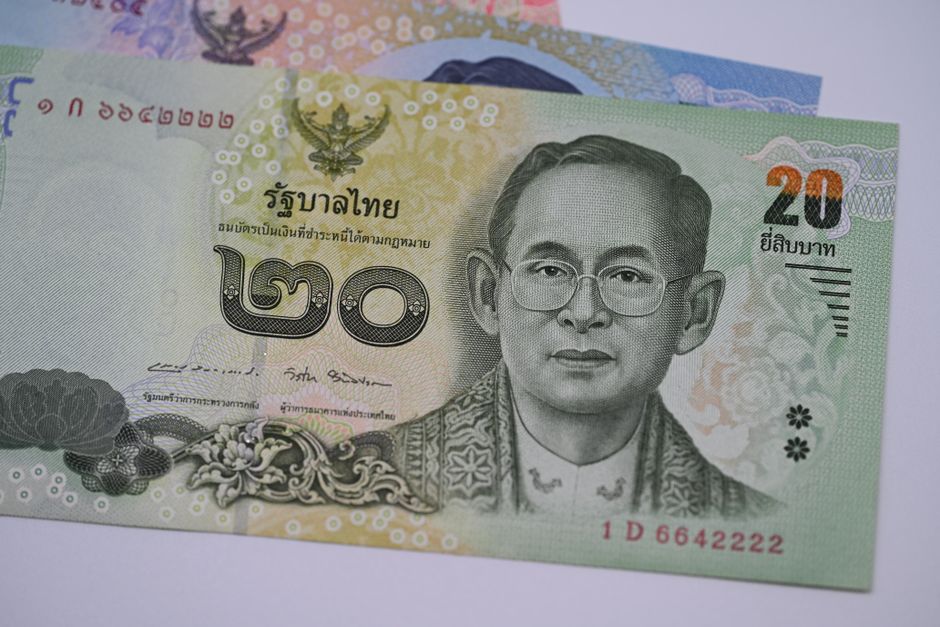 Photo: Qing Luo / Pexels
Ratchaburi's public healthcare is a genuine strength. Ratchaburi Hospital, in the provincial capital, is a large public regional hospital and the main referral centre for the province, backed by district general hospitals in Ban Pong, Photharam and Damnoen Saduak. Private options in the city offer faster, more English-friendly outpatient care. Being close to Bangkok is a further safety net — the capital's flagship hospitals are under two hours away for the most specialised procedures. The healthcare guide covers what is confirmed locally and how the network fits together.
 Photo: RDNE Stock project / Pexels
Ratchaburi has six degree-awarding institutions, not the single university it is usually credited with. Muban Chombueng Rajabhat University (founded 1954 on the Turkish Village Institute model) and its faculty-equivalent College of Muay Thai Studies and Thai Traditional Medicine sit in Chom Bung, alongside King Mongkut's University of Technology Thonburi's 1,200-rai residential engineering campus in the same district; the Ministry of Public Health runs two royally named nursing colleges here, Boromarajonani Ratchaburi in the county town and Boromarajonani Chakriraj at Ban Pong; Mahachulalongkornrajavidyalaya University has its Ratchaburi Buddhist College at Damnoen Saduak; and both Ratchaburi and Photharam technical colleges award the Bachelor of Technology through the Institute of Vocational Education: Central Region 4. Nakhon Pathom and Bangkok widen the options further. At school level the province has strong Thai government schools, including real English Programs at Ratchaborikanukroh and Anuban Ratchaburi — but it has no international school at all, at any age, so a family needing an international track is looking at Salaya, southwest Bangkok or Hua Hin. The schools guide names each institution and says what each of those three alternatives cannot do.
 Photo: Tima Miroshnichenko / Pexels
Ratchaburi has a thin condominium market — most stock is houses and townhouses, with a modest apartment and small-condo supply in the provincial capital and the Ban Pong corridor, plus resort-style villas in the Suan Phueng belt. Rather than publish a building directory with unverified developers, years, floor counts or coordinates, BAANLYY populates its Ratchaburi building records only as each one is verified, and the condos overview is honest about what is confirmed versus still being catalogued.
 Photo: Pixabay / Pexels
Ratchaburi's foreign community is small and dispersed rather than a single organised scene — a mix of retirees and mixed Thai-foreign families in and around the city, plus a distinct weekend and second-home crowd (many of them Bangkok-based, Thai and foreign) in the Suan Phueng mountains. It is not a large expat enclave like Chiang Mai's or Hua Hin's, and BAANLYY flags honestly what community infrastructure is and isn't verifiable rather than overstating it.
Editorial analysis compiled and periodically refreshed by BAANLYY’s research team — not a live data feed.
Analysis last reviewed August 2026.
The core Ratchaburi relocation guides are below, with more being added. In the meantime, see the general Thailand visa and relocation guides too.
Ratchaburi neighbourhood & areas guide →
Ratchaburi Area Score — every area ranked & rated →
Cost of living in Ratchaburi →
Condos & housing in Ratchaburi →
See our Thailand visa guides, then talk to us about relocating.
Primary and official sources are cited above. Government rules, fees and procedures in Thailand change over time and vary by office; always confirm current requirements with the relevant authority before relying on them. BAANLYY never takes paid placement in editorial content.
General information and indicative pricing, not legal, tax, immigration or financial advice. Hero photograph via Pexels. Confirm current details — especially train schedules, which change — with official sources, individual listings or licensed professionals.

Free tools for this
Answer 3 quick questions and see the Thailand city guide worth researching first.
Try it free →Build a realistic monthly budget by lifestyle tier.
Try it free →