Which city fits you?
Answer 3 quick questions and see the Thailand city guide worth researching first.
Try it free →The complete starting point for Prachinburi — an inland Eastern-Thailand industrial province adjacent to the EEC — with an overview, where to live, transport, heritage and relocation.
Prachinburi is an inland Eastern-Thailand province about two hours east of Bangkok, best understood as a working industrial and agricultural province rather than a tourist or expat destination. Its economy runs on the 304 Industrial Park corridor around Kabin Buri and Si Maha Phot — electronics, paper, food processing and logistics — which sits just outside the Eastern Economic Corridor (EEC) provinces and shares much of their industrial character. It is also a genuinely historic province: the Dvaravati-era ancient town of Si Mahosot, the Prachinburi National Museum, and the Chao Phraya Abhaibhubejhr Hospital, a nationally famous centre of Thai herbal medicine in a landmark 1909 building. To the north, the province climbs into the green Khao Yai and Thap Lan foothills. For relocators it offers real industrial-economy infrastructure and an honest, worker-driven rental market at a low cost, close to Bangkok.
 Photo: Pixabay / Pexels
Prachinburi's living options split into four broad choices. Mueang Prachinburi, the riverside provincial capital, is the most walkable and services-dense — the Abhaibhubejhr hospital, the government offices, the museum and the old town are all here. Kabin Buri, the largest commercial and industrial town at the Highway 33 / 304 crossroads, holds the province's deepest rental belt of worker and staff apartments and its largest share of small condominium stock. Si Maha Phot pairs the Rojana and 304 estates with the Dvaravati Si Mahosot ancient town and family housing. And the northern districts of Prachantakham and Na Di are green, quiet, resort-home and lifestyle-farm country on the Khao Yai / Thap Lan fringe. The full where-to-live guide compares all four.
 Photo: Pixabay / Pexels
Prachinburi is a road and rail province rather than an air one — there is no commercial airport, so most travel is by car, bus or train. It sits on the State Railway's Eastern Line, with stations at Prachinburi and Kabin Buri on the route from Bangkok toward Aranyaprathet on the Cambodian border. By road it is anchored by Highway 33 (the east–west Bangkok–Aranyaprathet route through Kabin Buri) and Highway 304 (north from Kabin Buri through Khao Yai to Nakhon Ratchasima), making Kabin Buri a genuine regional road junction. Bangkok is roughly two hours west by car or bus, and the nearest airports are Suvarnabhumi and U-Tapao. Locally there is no mass transit — residents rely on cars, motorbikes, songthaews and factory shuttle buses, and a car or motorbike is the practical default across the province.
 Photo: Quang Nguyen Vinh / Pexels
Prachinburi's heritage runs unusually deep for an industrial province. The Muang Si Mahosot Historical Park in Si Maha Phot district preserves the laterite ruins, moats and sacred ponds of a Dvaravati-era town that flourished more than a thousand years ago — one of eastern Thailand's most important early-historic sites — and the finds are displayed at the Prachinburi National Museum in the capital. The city's other landmark is the Chao Phraya Abhaibhubejhr Hospital: its ornate 1909 European-style building, once a governor's residence, now houses a museum and anchors a hospital nationally renowned for Thai traditional and herbal medicine, with an on-site herbal spa and product range. Add the green national-park fringe to the north and Prachinburi rewards more attention than its industrial reputation suggests.
 Photo: Quang Nguyen Vinh / Pexels
Prachinburi suits people whose reason to be here is concrete — a job or business tied to the 304 Industrial Park, a Thai family, or a quiet green base near Khao Yai within reach of Bangkok — rather than those looking for a resort or a large expat enclave. The standard Thai long-stay visa routes apply (retirement, marriage, DTV, work and LTR); there is a provincial immigration office for extensions, 90-day reporting and re-entry permits, and the Cambodian border crossings lie further east in Sa Kaeo, not in Prachinburi itself. The rental market is real but industrial and locally run: the deepest apartment supply is around Kabin Buri and the estates, while family houses are rented directly from owners across the province. For day-to-day detail, see the guides below.
 Photo: Marta Branco / Pexels
Prachinburi is an inexpensive province by any national measure — it is a working industrial and agricultural economy rather than a tourist or expat-premium market, which keeps everyday food, rooms and transport competitively priced and well below Bangkok or the beach provinces. Community-contributed cost data for the province is genuinely thin, so our cost-of-living guide is explicit about which figures are Prachinburi-specific and which are indicative regional benchmarks, rather than inventing precise numbers. With no mass transit, a motorbike or car is a real budget line for almost everyone living here.
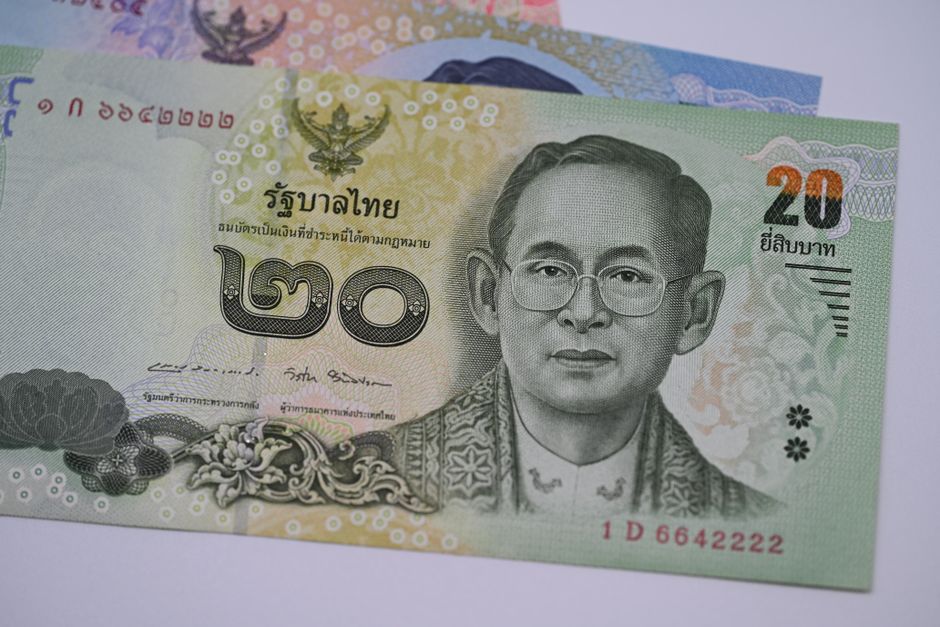 Photo: Qing Luo / Pexels
Healthcare is one of Prachinburi's genuine points of interest. The Chao Phraya Abhaibhubejhr Hospital is a large public provincial hospital nationally famous as a centre of Thai traditional and herbal medicine, alongside its modern clinical departments — an unusual profile for a provincial hospital. Prachinburi Hospital and district hospitals cover the wider public network, and private clinics and hospitals in the capital and around Kabin Buri serve the industrial workforce. For the most complex specialist care, Bangkok's flagship hospitals are about two hours west. The healthcare guide covers what each facility does and where to go for what.
 Photo: RDNE Stock project / Pexels
Prachinburi's education is deeper than its reputation, and it has names. King Mongkut's University of Technology North Bangkok runs a large campus at Noen Hom with three faculties based there; the Praboromarajchanok Institute's Abhaibhubejhr College of Thai Traditional Medicine at Mai Khet has taught its own applied-Thai-medicine degree in the province since the 2023 intake; Prachinburi Technical College and Burapaprachin Technical College award bachelor of technology degrees as well as certificates under the Institute of Vocational Education Central Region 3; and Ramkhamhaeng has an open-admission campus here. What the province does not have is a full international track: KRIS in Kabin Buri, the only international school, publishes fees for early years only, and the furthest English-medium route beyond that is a Mini English Programme to M.3. Families needing an international secondary should read the schools guide and weigh Bangkok or the Eastern Seaboard.
 Photo: Tima Miroshnichenko / Pexels
Prachinburi has a real, industrial-demand-driven housing market — worker dormitories, staff apartments and modest condominium stock concentrated around the 304 Industrial Park at Kabin Buri and the Si Maha Phot estates, plus houses rented directly from owners across the province. Rather than publish a building directory with unverified developers, years, floor counts or coordinates, BAANLYY populates its Prachinburi building records only as each one is verified, and the condos overview is honest about what is confirmed versus still being catalogued.
Photo: Pixabay / PexelsPrachinburi's foreign community is small and practical rather than social — built around the industrial parks (engineers, technical staff and managers on assignment, some from Japan and other manufacturing bases) and mixed Thai-foreign families, rather than a retiree or nomad scene. It is not an organised expat community like Chiang Mai's or the Eastern Seaboard's, and BAANLYY flags honestly what community infrastructure is and isn't verifiable rather than overstating it.
Editorial analysis compiled and periodically refreshed by BAANLYY’s research team — not a live data feed.
Analysis last reviewed August 2026.
The core Prachinburi relocation guides are below, with more being added. In the meantime, see the general Thailand visa and relocation guides too.
Where to live in Prachinburi →
Prachinburi neighbourhood & areas guide →
Prachinburi Area Score — every area ranked & rated →
Cost of living in Prachinburi →
Condos & housing in Prachinburi →
See our Thailand visa guides, then talk to us about relocating.
Primary and official sources are cited above. Government rules, fees and procedures in Thailand change over time and vary by office; always confirm current requirements with the relevant authority before relying on them. BAANLYY never takes paid placement in editorial content.
General information and indicative pricing, not legal, tax, immigration or financial advice. Hero photograph via Pexels. Confirm current details — especially train schedules, which change — with official sources, individual listings or licensed professionals.

Free tools for this
Answer 3 quick questions and see the Thailand city guide worth researching first.
Try it free →Build a realistic monthly budget by lifestyle tier.
Try it free →