Which city fits you?
Answer 3 quick questions and see the Thailand city guide worth researching first.
Try it free →The complete starting point for Kamphaeng Phet — a small central-northern historical province on the Ping River, home to a UNESCO World Heritage old town — with an overview, where to live, transport, heritage and relocation.
Kamphaeng Phet — the name means "Diamond Wall," for the formidable laterite ramparts of its old city — is a small, quiet historical province in central-northern Thailand, built along the Ping River roughly between Nakhon Sawan and Tak. Its headline draw is heritage: the Kamphaeng Phet Historical Park, a UNESCO World Heritage site of temple ruins inscribed alongside Sukhothai and Si Satchanalai, with the walled old town on the east bank and the atmospheric Aranyik forest-monastery zone just to the north. It is a genuinely rural, agricultural province — famous nationwide for its kluai khai (egg bananas) — with a provincial general hospital, Kamphaeng Phet Rajabhat University in Nakhon Chum, and Highway 1 as its road spine. For relocators it is a low-cost, authentically-Thai heritage base rather than an expat hub or a condo market — closer in feel to its heritage neighbour Sukhothai than to a rail-and-air city like Phitsanulok.
 Photo: Quang Nguyen Vinh / Pexels
Kamphaeng Phet's living options split into four broad choices. The city centre and old town (Nai Mueang), on the east bank of the Ping, is the most walkable and amenity-dense — the Historical Park, the fresh market, the hospital and the Robinson mall are all within a short radius. Nakhon Chum and the western riverbank, across the Ping, is the older market town and the home of Kamphaeng Phet Rajabhat University, giving it the province's closest thing to a rental corridor. The Highway 1 corridor and eastern estates are newer detached-house territory for families, car-oriented and quieter. And the outer districts — Khlong Khlung, Khlong Lan, Sai Ngam and beyond — are rural district towns and national-park country, the cheapest and quietest of all. The full where-to-live guide compares all four.
 Photo: Valeria Drozdova / Pexels
Kamphaeng Phet is a road province. Unlike Phitsanulok or Nakhon Sawan, it has no passenger railway and no scheduled commercial flights — the Northern rail line runs east of here, through Nakhon Sawan and Phichit. What it does have is Highway 1 (Phahonyothin Road), the country's original northern trunk road, which threads straight through the province and puts Nakhon Sawan about two hours south and Tak and Sukhothai to the north. Intercity buses and vans run frequently along it, and the nearest airports with scheduled flights are Sukhothai and Phitsanulok. Locally there is no mass transit — residents rely on cars, motorbikes, songthaews and tuk-tuks, and a car or motorbike is the practical default for anyone based outside the compact old-town core.
 Photo: Quang Nguyen Vinh / Pexels
Kamphaeng Phet's historic heart is the Kamphaeng Phet Historical Park, a UNESCO World Heritage site inscribed in 1991 as part of the Historic Town of Sukhothai and Associated Historic Towns. Inside the old city walls stand the ruins of Wat Phra Kaeo and Wat Phra That; just north, in the forested Aranyik zone, are some of the finest monastic ruins in Thailand — Wat Phra Si Iriyabot with its four great Buddha images and Wat Chang Rop with its elephant-buttressed chedi, all built from the local reddish laterite. Across the Ping, Nakhon Chum preserves an even older settlement and its own temples and riverside market. Add the province's banana heritage and its annual Kluai Khai (egg-banana) festival, and Kamphaeng Phet rewards a longer, slower stay than the transit traffic on Highway 1 suggests.
 Photo: Pixabay / Pexels
Kamphaeng Phet suits long-stayers who want a genuinely rural, inexpensive, authentically-Thai base with real heritage on the doorstep — and who are happy in a small provincial town rather than a resort, a big city or an expat enclave. The standard Thai long-stay visa routes apply (retirement, marriage, DTV, education and LTR), and there is no international border in the province. Visa extensions, 90-day reporting and re-entry permits route through the Kamphaeng Phet Immigration Office. The rental market is thin and locally run — overwhelmingly houses rented directly from owners, with the only real apartment cluster around the Rajabhat University in Nakhon Chum — so expect to deal with local owners rather than expat-facing agencies. For day-to-day detail, see the guides below.
 Photo: Marta Branco / Pexels
Kamphaeng Phet is one of Thailand's more inexpensive provinces — a small, rural, agricultural economy with a student population around the Rajabhat University keeps everyday food, rooms and transport low, well below Chiang Mai or the beach provinces. Community-contributed cost data for a province this size is genuinely thin, so our cost-of-living guide is explicit about which figures are Kamphaeng Phet-specific and which are indicative regional benchmarks, rather than inventing precise numbers. With no rail, no scheduled flights and no mass transit, a motorbike or car is a real budget line for anyone living outside the walkable old-town core.
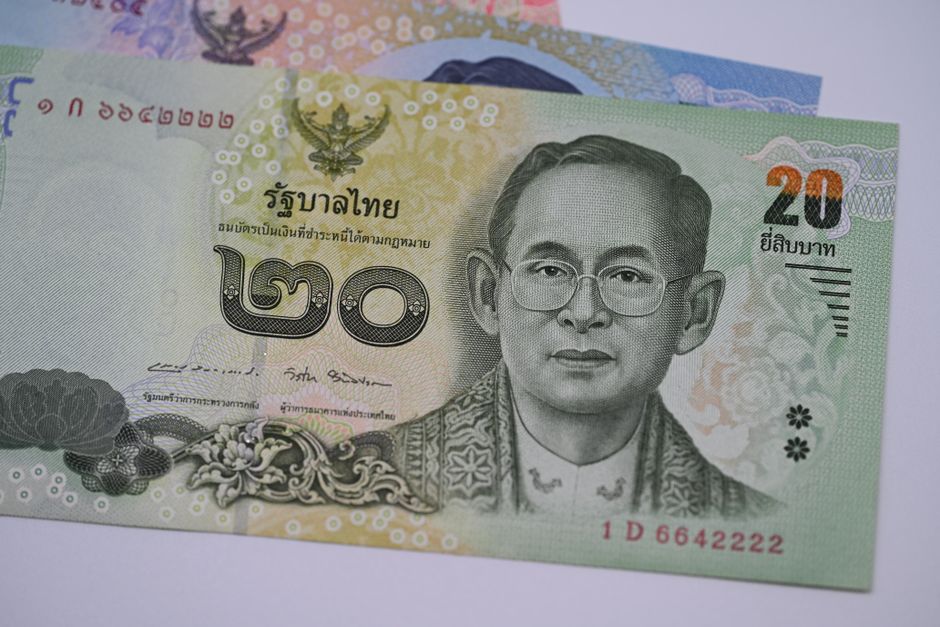 Photo: Qing Luo / Pexels
Kamphaeng Phet Hospital is the province's main public general hospital, the regional referral centre in Mueang district handling everyday and much specialist care for the province, complemented by district hospitals in Khlong Khlung, Khanu Woralaksaburi and the other districts, plus local clinics and private options in town. It is a solid provincial-level network rather than a major tertiary hub: for the most complex care, patients are referred onward to the larger university and tertiary hospitals in Phitsanulok or Nakhon Sawan, both a manageable drive along Highway 1. The healthcare guide sets out what is handled locally and where the nearest higher-tier care sits.
 Photo: RDNE Stock project / Pexels
Kamphaeng Phet's higher-education anchor is Kamphaeng Phet Rajabhat University (KPRU), whose main campus is in Nakhon Chum, with a second campus at Mae Sot in neighbouring Tak province. It shapes the local rental market and café culture on the western side of the river — but it is not the province's only degree: MCU's Kamphaeng Phet Buddhist College teaches in the same sub-district, and Kamphaeng Phet Technical College teaches a Bachelor of Technology through the Institute of Vocational Education: Northern Region 4. At school level the province has strong Thai government schools, a named demonstration school at Ban Wang Yang run jointly by KPRU and the primary education area office, and — since 2023 — the Princess Chulabhorn Science High School at Nong Pling, a fully-boarding state science school entered by national exam. Genuine full international-curriculum schools are absent here, so families needing an international track should read the schools guide carefully and weigh Phitsanulok or Chiang Mai. The schools guide covers what is confirmed locally and where the nearest fuller options sit.
 Photo: Tima Miroshnichenko / Pexels
Kamphaeng Phet is a house-and-apartment market, not a condominium one. Its real housing supply is detached houses in the estates along Highway 1, older town houses in the old town, and student apartments and rooms around the Rajabhat University in Nakhon Chum — with essentially no meaningful condominium stock the way a rail-and-air city like Phitsanulok has. Rather than publish a building directory with unverified developers, years, floor counts or coordinates, BAANLYY populates its Kamphaeng Phet records only as each one is verified, and the condos-and-housing overview is honest about what the real supply is versus what is still being catalogued.
 Photo: Pixabay / Pexels
Kamphaeng Phet's foreign community is very small — a scattering of long-term retirees, mixed Thai-foreign families and university-linked visitors, rather than any organised expat scene. It is a Thai provincial town first and foremost, with social life centred on the market, the riverside and the university side. BAANLYY flags honestly what community infrastructure is and isn't verifiable rather than overstating it, and points anyone wanting a larger organised foreign community toward Phitsanulok or Chiang Mai.
Editorial analysis compiled and periodically refreshed by BAANLYY’s research team — not a live data feed.
Analysis last reviewed August 2026.
The core Kamphaeng Phet relocation guides are below, with more being added. In the meantime, see the general Thailand visa and relocation guides too.
Where to live in Kamphaeng Phet →
Kamphaeng Phet neighbourhood & areas guide →
Kamphaeng Phet Area Score — every area ranked & rated →
Cost of living in Kamphaeng Phet →
Kamphaeng Phet rental market →
Condos & housing in Kamphaeng Phet →
Getting around Kamphaeng Phet →
Healthcare in Kamphaeng Phet →
Schools & universities in Kamphaeng Phet →
See our Thailand visa guides, then talk to us about relocating.
Primary and official sources are cited above. Government rules, fees and procedures in Thailand change over time and vary by office; always confirm current requirements with the relevant authority before relying on them. BAANLYY never takes paid placement in editorial content.
General information and indicative pricing, not legal, tax, immigration or financial advice. Hero photograph via Pexels. Confirm current details — especially bus schedules and opening hours, which change — with official sources, individual listings or licensed professionals.

Free tools for this
Answer 3 quick questions and see the Thailand city guide worth researching first.
Try it free →Build a realistic monthly budget by lifestyle tier.
Try it free →