Which city fits you?
Answer 3 quick questions and see the Thailand city guide worth researching first.
Try it free →The complete starting point for Chanthaburi — Thailand's eastern gem-trade and fruit province on the Gulf — with an overview, where to live, transport, heritage and relocation.
Chanthaburi — the "City of the Moon" (chan means moon) — is one of eastern Thailand's most distinctive provinces, an unusual blend of gem trade, tropical fruit, Gulf coast and deep history that sits roughly 245km southeast of Bangkok. It is one of the world's leading trading centres for rubies and sapphires, its weekend gem market on Si Chan Road drawing dealers from across the globe; it is Thailand's leading fruit province, famous above all for durian; and it carries a rich heritage — King Taksin the Great rallied his army here after the fall of Ayutthaya in 1767, the restored Chanthaboon Waterfront preserves a 300-year-old riverside community, and the Cathedral of the Immaculate Conception is the largest Catholic cathedral in Thailand. For relocators it offers an authentically Thai provincial city, a Gulf coastline at Laem Sing and Kung Krabaen, and a real if modest rental market, well away from the resort crowds.
 Photo: Valeria Drozdova / Pexels
Chanthaburi's living options split into four broad choices. The city centre and Chanthaburi riverside (Mueang) is the most walkable and amenity-dense — the Chanthaboon Waterfront, the gem market, the Cathedral, King Taksin's shrine and the main hospitals are all within a short radius. The Rambhai Barni University area and eastern suburbs hold the city's densest student rental belt and much of its small condominium and apartment stock. The Laem Sing, Chao Lao Beach and Kung Wiman coast is the province's beach belt, home to its sea-view condos and holiday homes. And the Tha Mai and Kung Krabaen Bay area is quiet orchard country between the two, family-oriented and rural. The full where-to-live guide compares all four.
 Photo: Pixabay / Pexels
Chanthaburi is a road province: it has no passenger railway and no commercial airport of its own, so almost everyone arrives by car or bus. Highway 3 (Sukhumvit Road) and Highway 316 run the coast and connect the province to Rayong, Trat and — via the eastern motorway network — Bangkok, roughly 3.5–4 hours away. The nearest airports are U-Tapao (Rayong–Pattaya), about two hours west, and Trat Airport, about 1.5 hours east. Long-distance buses and vans run frequently from the Chanthaburi bus terminal to Bangkok's Ekkamai and Mo Chit and across the eastern seaboard. Locally there is no mass transit — residents rely on songthaews, motorbikes, tuk-tuks and cars, and a car or motorbike is the practical default for anyone based outside the walkable city centre.
 Photo: Quang Nguyen Vinh / Pexels
Chanthaburi's heritage is unusually layered for a provincial city. The Chanthaboon Waterfront Community is a restored 300-year-old riverside street of Sino-Thai and Vietnamese heritage shophouses, and just across the river stands the Cathedral of the Immaculate Conception — the largest Catholic cathedral in Thailand, a Gothic church rooted in the town's Vietnamese-Catholic history. The King Taksin the Great shrine and Taksin Camp mark where the future king regrouped his forces in 1767. The province wears its French chapter too, at the Laem Sing headland where the red-brick Tuk Daeng and old customs house survive from the 1893–1905 occupation. Add the weekend gem market on Si Chan Road — a genuine window on the world ruby and sapphire trade — and Chanthaburi rewards a far longer stay than most visitors give it.
 Photo: Quang Nguyen Vinh / Pexels
Chanthaburi suits long-stayers who want an authentically Thai eastern province — gem trade, fruit orchards, heritage streets and a Gulf coast — rather than a resort or a large expat enclave, at a low cost of living. The standard Thai long-stay visa routes apply (retirement, marriage, DTV, education and LTR). The province does have an international land border with Cambodia at the Ban Pakkard crossing in Pong Nam Ron district, opposite Pailin, used for trade and border runs. Visa extensions, 90-day reporting and re-entry permits route through the Chanthaburi Immigration Office. The rental market is real but modest and locally run: the deepest apartment supply is around Rambhai Barni University, sea-view stock sits on the Laem Sing coast, and family houses are rented directly from owners in the suburbs and orchard districts. For day-to-day detail, see the guides below.
 Photo: Marta Branco / Pexels
Chanthaburi is an inexpensive provincial city by any national measure — an agricultural and trading economy, a university student population and abundant local produce keep everyday food, rooms and transport competitively priced, and it runs well below Chiang Mai or the beach resort provinces. Community-contributed cost data for the province is genuinely thin, so our cost-of-living guide is explicit about which figures are Chanthaburi-specific and which are indicative regional benchmarks, rather than inventing precise numbers. With no mass transit, a motorbike or car is a real budget line for anyone living outside the walkable downtown core, and sea-view coastal housing carries a premium over the city.
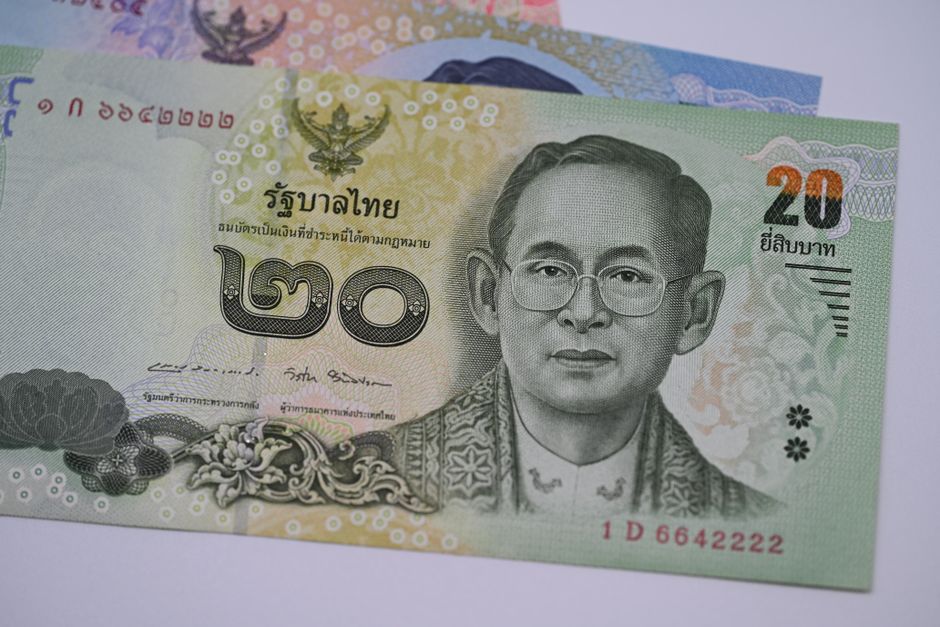 Photo: Qing Luo / Pexels
Healthcare is a genuine strength for a province this size. Phra Pokklao Hospital (Prapokklao Hospital) is the large public regional and tertiary referral hospital in the city, one of the main hospitals of the eastern seaboard and the reason patients from surrounding districts and provinces travel here for complex care. Bangkok Hospital Chanthaburi adds a modern private option, part of the national Bangkok Hospital group, favoured by many foreigners for faster, English-friendlier outpatient care. Between them the city handles far more locally than smaller eastern provinces, with Rayong, Pattaya and Bangkok within reach for the most specialised procedures.
 Photo: RDNE Stock project / Pexels
Chanthaburi is a genuine education town for the eastern region. Rambhai Barni Rajabhat University, named after Queen Rambai Barni, is the city's main public university, and Burapha University also runs a Chanthaburi campus in the province, with the region's gemology and applied-science teaching among its strengths. At school level, the province has strong Thai government and demonstration (satit) schools; genuine full international-curriculum schools are limited compared with Rayong, Pattaya or Bangkok, so families needing an international track should read the schools guide carefully before committing. The schools guide covers what is confirmed locally and where the nearest fuller international options sit.
 Photo: Tima Miroshnichenko / Pexels
Chanthaburi has a real, if modest, housing market — student apartments around Rambhai Barni University, a small but now-named cluster of condominiums in and near the city (including the 247-unit tower at the Central Chanthaburi mixed-use development, opened May 2022, and the smaller, independent Grand River Suite in Talat), and a small stock of sea-view condominiums and holiday homes on the Laem Sing coast, with detached houses across the suburbs and orchard districts. Rather than publish a formal building directory with unverified developers, years, floor counts or coordinates, BAANLYY populates its Chanthaburi building records only as each one is fully verified, and the condos overview is honest about what is confirmed versus still being catalogued.
Photo: Pixabay / PexelsChanthaburi's foreign community is small but genuine — a scattering of long-term retirees and mixed Thai-foreign families in and around the city, some coastal second-home owners near Laem Sing, and a niche of gem-trade dealers who have long given the town an international thread. It is not a large, organised expat scene like Pattaya's or Chiang Mai's, and BAANLYY flags honestly what community infrastructure is and isn't verifiable rather than overstating it.
Editorial analysis compiled and periodically refreshed by BAANLYY’s research team — not a live data feed.
Analysis last reviewed August 2026.
The core Chanthaburi relocation guides are below, with more being added. In the meantime, see the general Thailand visa and relocation guides too.
Where to live in Chanthaburi →
Chanthaburi neighbourhood & areas guide →
Chanthaburi Area Score — every area ranked & rated →
Cost of living in Chanthaburi →
Condos & housing in Chanthaburi →
See our Thailand visa guides, then talk to us about relocating.
Primary and official sources are cited above. Government rules, fees and procedures in Thailand change over time and vary by office; always confirm current requirements with the relevant authority before relying on them. BAANLYY never takes paid placement in editorial content.
General information and indicative pricing, not legal, tax, immigration or financial advice. Hero photograph via Pexels. Confirm current details — especially bus and border-crossing schedules, which change — with official sources, individual listings or licensed professionals.

Free tools for this
Answer 3 quick questions and see the Thailand city guide worth researching first.
Try it free →Build a realistic monthly budget by lifestyle tier.
Try it free →