Which city fits you?
Answer 3 quick questions and see the Thailand city guide worth researching first.
Try it free →The complete starting point for Nakhon Sawan — the upper-central river-junction city where the Ping and Nan rivers form the Chao Phraya at Pak Nam Pho — with an overview, where to live, transport, heritage and relocation.
Nakhon Sawan — universally known by its old name Pak Nam Pho, the "river-mouth" town — is the great river-junction city of upper-central Thailand, the point where the Ping and Nan rivers merge to form the Chao Phraya, the river that flows on through Ayutthaya and Bangkok to the sea. Positioned where the central plains give way to the north, it is nicknamed the "Gateway to the North" and has long been a trade, transport and services hub: a Northern-Line rail station, the Phahonyothin (Highway 1) and Asian-Highway road junction, the large Sawanpracharak regional hospital, Nakhon Sawan Rajabhat University, and a genuine — if modest — rental market. It is also famous for two things: Bueng Boraphet, the largest freshwater lake in Thailand, and one of the country's biggest and oldest Chinese New Year celebrations. For relocators it offers real infrastructure and an authentically Thai provincial city at a fraction of Bangkok's cost.
 Photo: Valeria Drozdova / Pexels
Nakhon Sawan's living options split into four broad choices. Pak Nam Pho and the city centre, at the river confluence, is the most walkable and amenity-dense — the Chinese shrine, Sawan Park, the malls and Sawanpracharak Hospital are all within a short radius, though the railway station is not — it sits out at Nong Pling to the north. Nakhon Sawan Tok and the western city, anchored by Nakhon Sawan Rajabhat University, holds the city's densest rental belt of student apartments and the bulk of its condominium stock. The Nong Pling northern corridor along the Phahonyothin highway is newer detached-house territory for families. And the eastern city toward Bueng Boraphet offers a quieter, greener, lakeside residential feel. The full where-to-live guide compares all four.
 Photo: Pixabay / Pexels
Nakhon Sawan is one of central Thailand's great road-and-rail junctions — the reason it is called the Gateway to the North. Nakhon Sawan station sits on the State Railway's Northern Line about 245 km from Bangkok, with day and overnight services between the capital and Chiang Mai — note it is at Nong Pling, not in the Pak Nam Pho centre, and that a separate station actually named Pak Nam Pho is now a freight yard rather than the one to book. The Northern Line through the province was double-tracked in stages during 2025. The city is also a major hub on Phahonyothin Road (Highway 1) and the parallel Asian Highway (Highway 32), where traffic between Bangkok and the north funnels through, and long-distance buses run frequently in every direction from the terminal on Phahonyothin Road a few kilometres out of the centre. There is no scheduled commercial air service — the nearest is Phitsanulok, about two hours north — and no BTS or MRT — locally, residents rely on cars, motorbikes, songthaews and tuk-tuks, and a car or motorbike is the practical default for anyone based out toward the university, the northern estates or the lakeside east.
 Photo: Quang Nguyen Vinh / Pexels
Nakhon Sawan's identity is bound up with its river confluence and its Thai-Chinese heritage. Pak Nam Pho grew into a major upcountry river-trade port, and the Chao Pho-Chao Mae Pak Nam Pho Chinese shrine anchors what is now one of Thailand's largest and oldest Chinese New Year celebrations — a multi-day festival of dragon and lion dances and a golden-dragon procession that draws visitors from across the country. Above the city, the hilltop temple on Khao Kop (Wat Woranat Banphot) gives a sweeping view over the confluence and the plains. Add the great Bueng Boraphet wetland with its birdlife and aquarium, the Uttayan Sawan lake park in the city, and the karst caves at Khao Nor and Khao Kaeo, and the province rewards a longer stay than most travellers give it.
 Photo: Quang Nguyen Vinh / Pexels
Nakhon Sawan suits long-stayers who want a genuinely Thai upper-central city with real infrastructure — a regional hospital, a university, rail and highway links, malls — without Bangkok's cost or crowds, and who are happy in a working provincial capital rather than a resort or a large expat enclave. The standard Thai long-stay visa routes apply (retirement, marriage, DTV, education and LTR), and there is no international border in the province. Visa extensions, 90-day reporting and re-entry permits route through the Nakhon Sawan Immigration Office. The rental market is real but modest and locally run: the deepest apartment and condominium supply is around Nakhon Sawan Rajabhat University, while family houses are rented directly from owners across the northern and eastern suburbs. For day-to-day detail, see the guides below.
 Photo: Marta Branco / Pexels
Nakhon Sawan is an inexpensive provincial city by any national measure — a working central-plains town with a student population around the Rajabhat University keeps everyday food, rooms and transport competitively priced, and it runs well below Bangkok or the beach provinces. Community-contributed cost data for the city is genuinely thin, so our cost-of-living guide is explicit about which figures are Nakhon Sawan-specific and which are indicative regional benchmarks, rather than inventing precise numbers. With no BTS or MRT, a motorbike or car is a real budget line for anyone living outside the walkable downtown core.
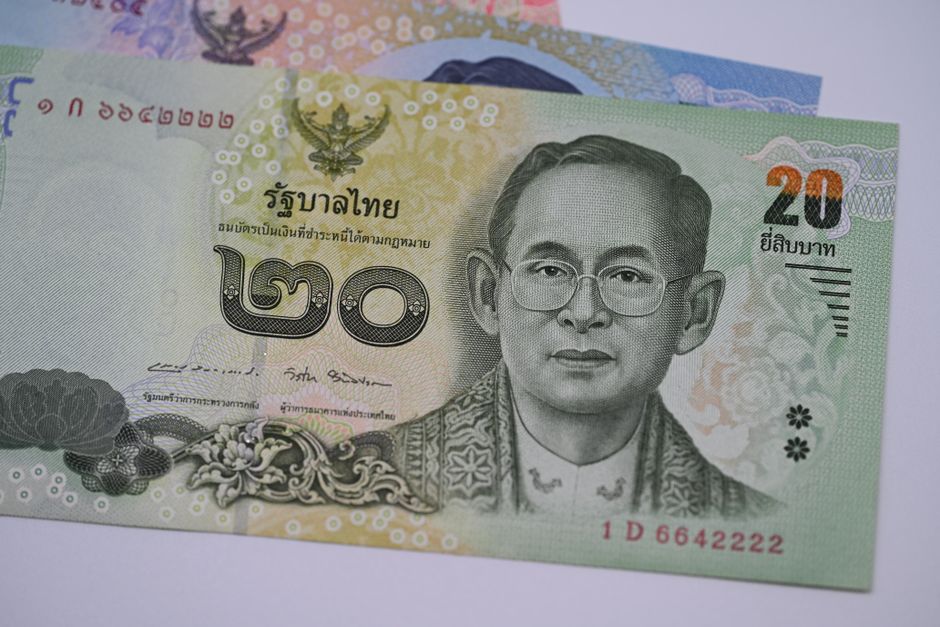 Photo: Qing Luo / Pexels
Healthcare is one of Nakhon Sawan's genuine strengths and a big reason the city serves as an upper-central regional hub. Sawanpracharak Hospital is classified by the Ministry of Public Health as a regional hospital — the top tier in the provincial system, where most provinces this size have an ordinary general hospital — and it teaches: its CPIRD medical education centre takes 32 medical students a year, with the Faculty of Medicine of the Praboromarajchanok Institute since the 2023 academic year, and the Boromarajonani College of Nursing sits beside it. Private care is covered by Srisawan Hospital and Ruamphat Nakhon Sawan Hospital. There is no dedicated international hospital in the city, and no Bangkok Hospital or BDMS-group branch; for the most specialised procedures Bangkok is still 3–4 hours south. Even so, the city handles far more complex care locally than smaller provinces nearby, whose residents frequently travel here for treatment.
 Photo: RDNE Stock project / Pexels
Nakhon Sawan is a genuine education centre for the upper-central region, and a deeper one than this hub said until September 2026. Nakhon Sawan Rajabhat University anchors higher education across two campuses — the in-town site on Sawanwithi Road and a second campus 14 km out at Yan Matri. Mahidol University runs a regional campus at Khao Thong in Phayuha Khiri district. Chao Phraya University, a private university, is headquartered in Mueang Nakhon Sawan; Mahachulalongkornrajavidyalaya University holds a full campus on the east side; the Boromarajonani College of Nursing awards a nursing degree beside Sawanpracharak Hospital; and the vocational institute that confers degrees for six colleges across four provinces has its head office in this city. At school level the province has strong Thai government and demonstration (satit) schools, but we could not verify a single full international-curriculum school here, so families needing an international track should read the schools guide before committing. It names every institution above with a source, and says where the nearest fuller international options sit.
 Photo: Tima Miroshnichenko / Pexels
Nakhon Sawan has a real, if modest, condominium and apartment market — driven largely by the student and investor demand around Nakhon Sawan Rajabhat University, with more scattered stock in the city centre. Rather than publish a building directory with unverified developers, years, floor counts or coordinates, BAANLYY populates its Nakhon Sawan building records only as each one is verified, and the condos overview is honest about what is confirmed versus still being catalogued.
Photo: Pixabay / PexelsNakhon Sawan's foreign community is small but genuine — built around the university (language teachers and academics), a handful of long-term retirees and mixed Thai-foreign families, centred on the riverside and downtown. It is not a large, organised expat scene like Chiang Mai's, and BAANLYY flags honestly what community infrastructure is and isn't verifiable rather than overstating it.
Editorial analysis compiled and periodically refreshed by BAANLYY’s research team — not a live data feed.
Analysis last reviewed August 2026.
The core Nakhon Sawan relocation guides are below, with more being added. In the meantime, see the general Thailand visa and relocation guides too.
Where to live in Nakhon Sawan →
Nakhon Sawan neighbourhood & areas guide →
Nakhon Sawan Area Score — every area ranked & rated →
Cost of living in Nakhon Sawan →
Condos & housing in Nakhon Sawan →
Schools & universities in Nakhon Sawan →
See our Thailand visa guides, then talk to us about relocating.
Primary and official sources are cited above. Government rules, fees and procedures in Thailand change over time and vary by office; always confirm current requirements with the relevant authority before relying on them. BAANLYY never takes paid placement in editorial content.
General information and indicative pricing, not legal, tax, immigration or financial advice. Hero photograph via Pexels. Confirm current details — especially train schedules, which change — with official sources, individual listings or licensed professionals.

Free tools for this
Answer 3 quick questions and see the Thailand city guide worth researching first.
Try it free →Build a realistic monthly budget by lifestyle tier.
Try it free →