Which city fits you?
Answer 3 quick questions and see the Thailand city guide worth researching first.
Try it free →The complete starting point for Nakhon Pathom — a Bangkok-adjacent university province built around the world's tallest stupa — with an overview, where to live, transport, heritage and relocation.
Nakhon Pathom is one of Bangkok's closest and most distinctive neighbouring provinces — a Central-region city roughly 56km west of the capital, built around the Phra Pathom Chedi, at 120.45m the tallest Buddhist stupa in the world and traditionally held to mark where Buddhism first reached Thailand. Unlike a resort or a remote upcountry town, Nakhon Pathom is a genuine university and commuter province: Mahidol University's main campus at Salaya, Silpakorn University's historic Sanam Chandra Palace campus in the city, and Kasetsart University's large Kamphaeng Saen campus all sit within its bounds, alongside the Tha Chin River and the country's dairy and pomelo belt. For relocators it offers real infrastructure, a modest but real rental market concentrated around Salaya, and Bangkok within commuting reach — at a fraction of the capital's cost.
 Photo: Quang Nguyen Vinh / Pexels
Nakhon Pathom's living options split into four broad choices. Mueang Nakhon Pathom and the Phra Pathom Chedi city centre is the most walkable and amenity-dense — the great chedi, the railway station, Sanam Chan Palace and Silpakorn's campus are all within a short radius. Salaya and the Mahidol University belt, in Phutthamonthon district on the Bangkok-facing edge, holds the province's densest rental market of student apartments and the bulk of its condominium stock, and is closest to the capital. Sam Phran and Nakhon Chai Si, along the Tha Chin River, are the riverside commuter belt of newer family housing estates. And Kamphaeng Saen and the western districts, around the Kasetsart campus, are quieter, rural and the best value. The full where-to-live guide compares all four.
 Photo: Valeria Drozdova / Pexels
Nakhon Pathom's biggest practical asset is its closeness to Bangkok. The Nakhon Pathom railway station is a busy stop on the State Railway's Southern Line, with frequent trains east into Bangkok and south toward the Kanchanaburi branch and the far south. Vans and buses run constantly from Bangkok's Southern (Sai Tai Mai) terminal along Highway 4 (Phetkasem) and Highway 338 (Borommaratchachonnani/Pinklao–Nakhon Chai Si), and the Salaya side is the quickest hop to the capital's western edge. There is no airport in the province — Suvarnabhumi and Don Muang are the gateways. Locally there is no BTS or MRT, so residents rely on cars, motorbikes, songthaews and tuk-tuks, and a car or motorbike is the practical default outside the walkable city core.
 Photo: Quang Nguyen Vinh / Pexels
Nakhon Pathom's spiritual and historic heart is the Phra Pathom Chedi — a vast orange-tiled stupa that, at 120.45m, is the tallest in the world, rebuilt by King Mongkut (Rama IV) from 1853 over an ancient Dvaravati-era ruin and completed under King Chulalongkorn (Rama V). The city was a centre of the Mon Dvaravati culture more than a thousand years ago, and is traditionally regarded as the place where Buddhism first arrived in what is now Thailand. Add Sanam Chan Palace, King Vajiravudh's early-20th-century country residence; Wat Rai Khing and the Don Wai riverside market in Sam Phran; the Sampran Riverside cultural park; and the Jesada Technik Museum in Nakhon Chai Si, and the province rewards far more than a day trip.
 Photo: Pixabay / Pexels
Nakhon Pathom suits long-stayers who want to be within commuting reach of Bangkok without the capital's cost or congestion — university-linked residents, families near the international demonstration school at Salaya, and anyone who values an authentically Thai provincial city with genuine services. The standard Thai long-stay visa routes apply (retirement, marriage, DTV, education and LTR), and there is no international border crossing in the province. Visa extensions, 90-day reporting and re-entry permits route through the Nakhon Pathom Immigration Office. The rental market is real but concentrated: the deepest apartment and condominium supply is around Mahidol at Salaya, while family houses are rented directly from owners across the riverside and western districts. For day-to-day detail, see the guides below.
 Photo: Marta Branco / Pexels
Nakhon Pathom is markedly cheaper than Bangkok while sitting right beside it — a large student population around Mahidol, Silpakorn and Kasetsart keeps everyday food, rooms and transport competitively priced. Salaya, being the closest to the capital and the most developed, sits at the higher end of the province; the city centre and the western districts run lower. Community-contributed cost data for the province specifically is thin, so our cost-of-living guide is explicit about which figures are Nakhon Pathom-specific and which are indicative regional benchmarks, rather than inventing precise numbers. With no BTS or MRT, a motorbike or car is a real budget line for anyone living outside the walkable core.
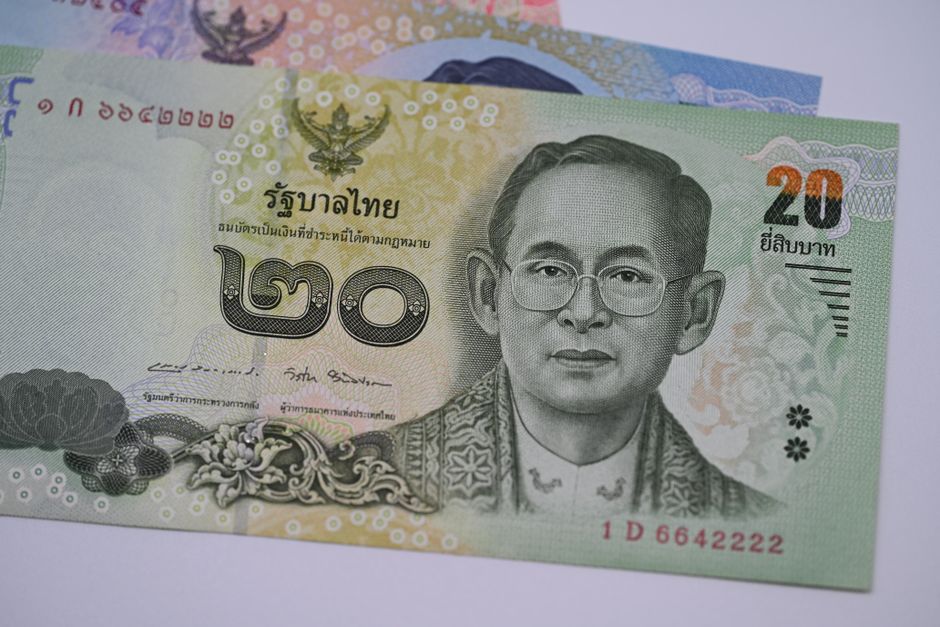 Photo: Qing Luo / Pexels
Healthcare is a genuine strength, helped by the province's university medicine. Nakhon Pathom Hospital is the province's 860-bed public regional hospital in the city, and Mahidol University's Golden Jubilee Medical Center at Salaya — run directly by Siriraj since 2017 — adds a teaching hospital with specialist departments. Metta Pracharak (Wat Rai Khing) Hospital in Sam Phran is a well-known public eye-care specialist, and two private hospitals on Petchkasem Road in the city centre, JCI-accredited Bangkok Hospital Sanamchan (BDMS network, 400 beds) and the newer Synphaet Nakhon Pathom (100 beds), cover faster private care. On top of the local network, some of the finest hospitals in the country — including Mahidol's Bangkok teaching hospitals — are within easy reach in the capital, an advantage few provinces this affordable can match.
 Photo: RDNE Stock project / Pexels
Nakhon Pathom is a major education province — twelve degree-granting institutions, nine of them with their principal site here. Mahidol anchors Salaya with Mahidol University International College (MUIC), alongside Rajamangala University of Technology Rattanakosin, Mahamakut Buddhist University's national headquarters and the Bunditpatanasilpa Institute, all in the same corner of Phutthamonthon district; Suan Sunandha's Nakhon Pathom campus and the private Kantana Institute sit just west at Khlong Yong. Silpakorn's Sanam Chandra Palace campus, Nakhon Pathom Rajabhat University, the private Christian University of Thailand and the Institute of Vocational Education: Central Region 4 are in or beside the city; the Royal Police Cadet Academy is at Sam Phran; and Kasetsart's Kamphaeng Saen campus anchors the west. At school level the province has one structural fact that overrides everything else: both of its significant schools — the international-curriculum MUIDS and Thailand's first specialised science school, Mahidol Wittayanusorn — admit at Grade 10 and teach nothing below it. Below Grade 10 the province has no international-curriculum school at all, and the province's own private-school register lists 43 private schools and not one international school. The schools guide names the real bilingual and English-Programme alternatives and is explicit about the Bangkok commute.
 Photo: Tima Miroshnichenko / Pexels
Nakhon Pathom has a real, if modest, condominium and apartment market — concentrated overwhelmingly around Mahidol University at Salaya, where student, staff and Bangkok-commuter demand supports the province's densest supply, with more scattered stock in the city centre and houses across the riverside and western districts. Rather than publish a building directory with unverified developers, years, floor counts or coordinates, BAANLYY populates its Nakhon Pathom building records only as each one is verified, and the condos overview is honest about what is confirmed versus still being catalogued.
 Photo: Pixabay / Pexels
Nakhon Pathom's foreign community is small but genuine and university-linked — centred on Mahidol at Salaya (visiting academics, international students and teachers), the international demonstration school families, and a scattering of long-term residents and mixed Thai-foreign families, many of whom also draw on Bangkok's much larger expat infrastructure a short hop east. It is not a large, organised expat enclave, and BAANLYY flags honestly what community infrastructure is and isn't verifiable rather than overstating it.
Editorial analysis compiled and periodically refreshed by BAANLYY’s research team — not a live data feed.
Analysis last reviewed August 2026.
The core Nakhon Pathom relocation guides are below, with more being added. In the meantime, see the general Thailand visa and relocation guides too.
Where to live in Nakhon Pathom →
Nakhon Pathom neighbourhood & areas guide →
Nakhon Pathom Area Score — every area ranked & rated →
Cost of living in Nakhon Pathom →
Condos & housing in Nakhon Pathom →
Getting around Nakhon Pathom →
Schools & universities in Nakhon Pathom →
Every degree-granting institution in Nakhon Pathom →
See our Thailand visa guides, then talk to us about relocating.
Primary and official sources are cited above. Government rules, fees and procedures in Thailand change over time and vary by office; always confirm current requirements with the relevant authority before relying on them. BAANLYY never takes paid placement in editorial content.
General information and indicative pricing, not legal, tax, immigration or financial advice. Hero photograph via Pexels. Confirm current details — especially train schedules, which change — with official sources, individual listings or licensed professionals.

Free tools for this
Answer 3 quick questions and see the Thailand city guide worth researching first.
Try it free →Build a realistic monthly budget by lifestyle tier.
Try it free →