Which city fits you?
Answer 3 quick questions and see the Thailand city guide worth researching first.
Try it free →The complete starting point for Nakhon Si Thammarat — one of Thailand's oldest cities and the historic capital of the Tambralinga kingdom — with an overview, where to live, transport, local economy and relocation.
Tap a pin to start from there and see walking or driving reach, or open that area’s guide.
New to the city? Compare each area's vibe and rent below.
Nakhon Si Thammarat is one of the oldest cities in Thailand, capital of the province of the same name on the Gulf of Thailand coast of the Malay Peninsula, roughly 610km south of Bangkok. Long before Bangkok or Ayutthaya, it was the seat of the Tambralinga kingdom and, from the 13th century, a major centre of Theravada Buddhism built around Wat Phra Mahathat Woramahawihan — a status recognised today by the temple's place on Thailand's UNESCO World Heritage Tentative List. It suits long-stayers drawn to genuine Thai history, Buddhist culture and southern-Thai identity rather than resort or digital-nomad life: retirees, academics linked to Walailak University, and residents who want authentic provincial-capital living within reach of Khao Luang, southern Thailand's highest peak, and the Gulf coast. The foreign community here is smaller and less visible than in Phuket, Chiang Mai or Bangkok.
 Photo: Follow Fauzia / Pexels
Nai Mueang, the city's largest subdistrict, is the walkable historic core around Wat Phra Mahathat and the old city walls. Tha Wang, next door, is the practical everyday neighbourhood anchored by a Big C hypermarket and a Tuesday-to-Friday night market. Central Nakhon Si, which opened in 2016 at the south end of town, brought the city's first cinema and Starbucks and now anchors its newest condo stock, while Pak Phun, home to Nakhon Si Thammarat Airport, is the quieter, cheaper side of the city for those who prioritise budget and air access. As in most Thai provincial capitals, houses and shophouses outnumber condo towers outside the newer south-end pocket.
 Photo: Thien Phuoc Phuong / Pexels
Nakhon Si Thammarat has no BTS or MRT. Locals get around by car, motorbike, songthaew (shared pickup trucks running fixed routes) and increasingly ride-hailing apps, with motorbike taxis — identifiable by their colourful driver vests — a common short-hop option. Nakhon Si Thammarat Airport (NST) took its first commercial flight in December 1998 and sits in Pak Phun subdistrict, about 14km from the city centre; today it's served by Nok Air, Thai AirAsia, Thai Lion Air and Thai VietJet Air, all domestic routes to Bangkok's Don Mueang and Suvarnabhumi airports. Nakhon Si Thammarat Railway Station connects the city to the Southern Line toward Bangkok and further south toward the Malaysian border.
 Photo: Tony Wu / Pexels
Nakhon Si Thammarat's province is a major agricultural region — rice, coconuts, fruit and rubber plantations underpin much of the rural economy — and the province was designated a first-tier tourism province by the Thai government, drawing an estimated 4 million visitors in 2019 (about 80% domestic), the great majority pilgrims and visitors to its temples and religious sites, contributing more than 11 billion baht to the provincial economy that year. Culturally, the city is closely associated with Nang Talung, the traditional southern-Thai shadow-puppet theatre, with a cultural market area in front of Wat Phra Mahathat celebrating the craft. Education is another pillar: Walailak University, one of the largest university campuses in Thailand by area, sits just outside the city and anchors a small academic community.
 Photo: Yrj / Pexels
Nakhon Si Thammarat draws far fewer long-stay foreigners than Thailand's resort or expat-hub cities, so it suits those who specifically want an authentic, historic southern Thai provincial capital over beach-town or digital-nomad life — retirees, Walailak University-linked academics, and religious or cultural visitors drawn to Wat Phra Mahathat. As elsewhere in Thailand, retirement, marriage, DTV, education and LTR visas are the common long-stay routes; there is no international airport or land border crossing here, so most visa-related business routes through Bangkok. Foreigners can own condominium units freehold within each building's 49% foreign-ownership quota, though the city's condo supply is modest and concentrated around Central Nakhon Si and the historic core.
 Photo: Marta Branco / Pexels
Nakhon Si Thammarat is noticeably cheaper than Phuket, Chiang Mai or Bangkok across rent, food and everyday services, reflecting its status as a provincial capital with a modest foreign-resident population rather than a resort or major expat hub. Local Thai food, markets and transport costs are low by Thai standards; imported goods, international-standard healthcare and the newer condo stock around Central Nakhon Si carry more typical urban pricing. Most long-stayers find their budget goes considerably further here than in Thailand's better-known expat destinations.
 Photo: cottonbro studio / Pexels
Nakhon Si Thammarat's main public hospital is Maharaj Nakhon Si Thammarat Hospital, a large regional referral centre, alongside several private hospitals serving the city and surrounding province. Care here is solidly provincial-capital standard -- adequate for most everyday and emergency needs -- but residents dealing with complex or specialist treatment often still travel to Hat Yai, Surat Thani or Bangkok for the widest range of specialists and English-speaking staff. Health insurance that covers care outside the immediate province is worth budgeting for as a result.
 Photo: RDNE Stock project / Pexels
Maharaj Nakhon Si Thammarat Hospital anchors public care for the city and province, with a handful of private hospitals offering shorter wait times and more English-language service for those who can pay out of pocket or carry private insurance. As with healthcare generally, residents facing anything beyond routine or moderately complex treatment commonly plan a trip to a larger regional hub -- Hat Yai, Surat Thani or Bangkok -- rather than expecting the full range of specialist care locally.
 Photo: Pixabay / Pexels
Settling into Nakhon Si Thammarat means adjusting to a genuine provincial-capital pace rather than an expat-oriented one: fewer English-speaking services, a smaller foreign community, and daily life built around Nai Mueang's historic core, Tha Wang's markets, or the newer Central Nakhon Si area. Long-stayers typically start with a motorbike or car, a Thai bank account, and a local SIM, then build out routines around Wat Phra Mahathat, the night market and Walailak University's orbit. It suits residents who specifically want an authentic, unhurried southern Thai city over resort or digital-nomad living.
 Photo: Jakub Zerdzicki / Pexels
Big C anchors everyday shopping in Tha Wang, while Central Nakhon Si -- which opened in 2016 at the south end of the city -- brought the city's first cinema, Starbucks and a wider mix of retail and dining under one roof. Selection is modest compared with Phuket, Chiang Mai or Bangkok, so residents needing specialty goods, larger electronics selections or bigger-brand retail sometimes plan trips to Hat Yai or Surat Thani.
 Photo: Kim Villanueva / Pexels
Houses and shophouses outnumber condo towers in Nakhon Si Thammarat outside the newer Central Nakhon Si pocket at the south end of the city, which anchors most of the modest condo stock available to renters. Rents run well below Phuket, Chiang Mai or Bangkok levels, reflecting the smaller foreign-resident demand pool. Foreigners can own condominium units freehold within each building's 49% foreign-ownership quota, though supply is limited enough that renting -- particularly a house or shophouse through a local agent -- is the more common route for long-stayers.
 Photo: Irina Berdzenishvili / Pexels
International schooling options are very limited in Nakhon Si Thammarat compared with Phuket or Chiang Mai, so most foreign families here are either short-term (academics or researchers linked to Walailak University) or choose Thai-curriculum schools and homeschooling for their children. Families specifically prioritising a wide choice of international curricula and a larger expat school-parent community typically look toward Phuket, Chiang Mai or Bangkok instead of basing long-term in Nakhon Si Thammarat.
 Photo: Hoàng Tiến Anh / Pexels
Walailak University, a district north of the city in Tha Sala, is the largest single university campus in Thailand by land area -- 3,600 acres, roughly 14,900 students and about 3,400 staff on the university's own figures -- and it is the biggest single driver of rental demand anywhere in the province outside the city centre. But it is not the whole picture, and the province is not a two-university province: ten degree-awarding sites operate here across six districts, including Nakhon Si Thammarat Rajabhat University in Mueang, three separate Rajamangala Srivijaya sites (Thung Yai, Sai Yai at Thung Song, and the Khanom college on the Gulf coast), campuses of both national Buddhist universities, the Boromarajonani nursing college in the old town, Ramkhamhaeng's open-admission regional campus at Phra Phrom, and the private Southern College of Technology at Thung Song. Pick the campus first: 'near the university' does not narrow a housing search here the way it does in Bangkok.
 Photo: Min An / Pexels
Nakhon Si Thammarat sits on the Gulf of Thailand side of the southern peninsula, giving it a rainfall pattern that catches newcomers off guard: October to December is the wet season here, with November the wettest month, at exactly the time Phuket and Krabi on the Andaman side enjoy their driest weather. February through August is the more settled window for house-hunting and moving in. This covers the full month-by-month climate picture and what each season means for relocating long-term.
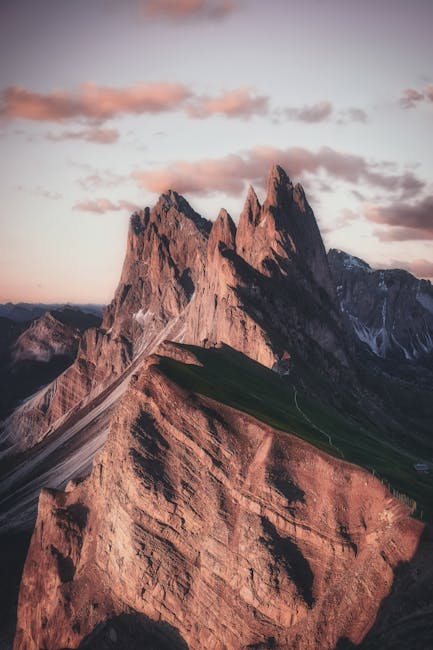 Photo: Tom Fisk / Pexels
Nakhon Si Thammarat sits on the Gulf coast of the Malay Peninsula, where onshore sea breezes and a long monsoon calendar keep air quality generally good year-round -- there is no equivalent to the severe crop-burning season that affects Chiang Mai or the northeast. The one thing worth watching is an occasional transboundary haze episode, typically August to October, when smoke from peatland and forest fires in Sumatra, Indonesia can drift across southern Thailand on the southwest wind in years when the fires are severe. It is inconsistent year to year rather than an annual certainty. Check Thailand's official Air4Thai (PCD) service or IQAir during that window if you want a live reading.
 Photo: Olivier Bergeron / Pexels
Watsons at Central Nakornsri covers the international-chain pharmacy experience, family-run green-cross pharmacies handle everyday needs across the city centre, and Maharaj Nakhon Si Thammarat Hospital and Nakharin Hospital both run full dispensing pharmacies -- Maharaj is the reliable 24-hour option.
 Photo: cottonbro studio / Pexels
BAANLYY could not verify a physically Nakhon Si Thammarat-based English-speaking law firm -- the realistic routes are nationwide firms like Siam Legal International serving the province remotely, or Thailand Island Lawyers in Surat Thani (about 2 hours by road) for in-person needs. Full breakdown of fees, structures and an honest note on local availability below.
 Photo: Andrea Piacquadio / Pexels
Wat Phra Mahathat Woramahawihan, a roughly 1,700-year-old relic chedi and UNESCO Tentative List site, anchors the city's Theravada Buddhist identity. The province's Muslim community, around 10% of the population, is served by the golden-domed Central Mosque, while Bethlehem Church -- southern Thailand's first Christian church, active since 1896 -- and YWAM Nakhon Si Thammarat serve Christian residents.
BAANLYY could not verify a dedicated self-storage facility physically located in Nakhon Si Thammarat -- Thailand's major self-storage chains concentrate their branches in Bangkok, with secondary locations only in Pattaya and Phuket. For moving house, nationwide dispatch services such as Teemove and Ti Transport send a truck and driver to NST on request, and a genuine informal local market of pickup-truck-for-hire (rot rap jang) drivers handles most in-province moves.
 Photo: Ketut Subiyanto / Pexels
Police 191, ambulance 1669, Tourist Police 1155 (English-speaking), fire 199 -- plus Maharaj Nakhon Si Thammarat Hospital's 24-hour emergency department, and exactly what to do in a medical emergency, road accident or lost passport.
No international mover is headquartered in NST itself -- Bangkok-based operators serve it from their main office. Genuine local dispatch movers Teemove and Ti Transport (both already cited on this hub's own self-storage guide) explicitly cover NST for domestic moves, alongside a genuine informal market of pickup-truck-for-hire drivers.
GrabFood, LINE MAN and foodpanda for restaurant delivery, plus GrabMart and pandamart for quick grocery top-ups — coverage, fees, delivery times and where it thins out in Nakhon Si Thammarat.
From mall-adjacent options to independent city salons, Nakhon Si Thammarat has a full range of everyday hair and beauty services.
Commercial gyms, condo and hotel fitness centres, and outdoor training options in Nakhon Si Thammarat — plus what a membership costs and where to find it.
Scooter rental rates by engine size, licence and IDP rules, where shops cluster around Ratchadamnoen Road, Central Nakhon Si and Robinson Lifestyle, and riding tips for the old town near Tha Wang and Wat Phra Mahathat.
OWNDAYS at Central Nakhon Si mall alongside locally-run Ratchadamnoen Road clinics -- Siwilai Vision Center, Eye Style Clinic and Monde Eyewear -- cover eye exams and everyday glasses needs in Nakhon Si Thammarat.
Walailak University Language Institute (WULI, Tha Sala district) and Nakhon Si Thammarat Rajabhat University’s Language Center (Mueang district) are the two university-run language institutes we can confirm teach the public, both primarily English-focused. They are not the only university language units in the province — Rajamangala Srivijaya’s Sai Yai site at Thung Song lists a Department of Language and International Affairs, and BAANLYY has not been able to establish whether it runs courses open to non-students, so treat that as unverified rather than absent. For foreigners specifically wanting to learn Thai, private tutors remain the realistic route here.
Importing a dog or cat follows the national DLD process at Suvarnabhumi or Don Mueang, then an onward domestic leg to Nakhon Si Thammarat since the local airport does not clear international animal imports -- plus pet-friendly housing and vet care once you land.
Where to find a maid, cleaner, housekeeper or nanny in Nakhon Si Thammarat, what it costs by the hour or month, live-in vs live-out, and the work-permit rules that matter before you hire.
Genuine Thai history and Buddhist culture centred on Wat Phra Mahathat, among the lowest living costs of any major Thai city, and Maharaj Hospital as a serious regional public medical referral centre -- a good fit for retirees who prioritise authenticity and value over an established expat enclave.
An honest look at Nakhon Si Thammarat after dark: the Saturday-evening Phrathat Night Market at Wat Phra Mahathat, a genuine handful of bars in the Mueang district, and realistic expectations for southern Thailand's historic cultural capital rather than a resort party town.
The honest picture: no dedicated cooking school was found in Nakhon Si Thammarat, but the city's real southern-Thai food culture -- khao yam, khanom jeen namya koei, morning breakfast shops and the Chian Yai Riverside Market -- is genuinely worth seeking out.
Two distinct risk patterns: low-lying canal-side communities along the Saothong Canal and Khlong Na Pa, both named in DDPM overflow warnings, and the far more severe Khao Luang foothill districts of Phrom Khiri, Lan Saka and Phipun -- site of Thailand's catastrophic November 1988 landslide disaster. Risk peaks October through December, worst in November.
Otteri Wash & Dry runs confirmed 24-hour coin-laundry branches in the city itself, plus independent wash-dry-iron drop-off shops -- but no dedicated dry-cleaner was confirmed locally, so genuine dry-clean-only items are best planned for on a Hat Yai or Bangkok trip.
Wat Phra Mahathat Woramahawihan and the Suchart Subsin shadow-puppet museum in the old city, Krung Ching and Karom waterfalls plus Kiriwong eco-village in Khao Luang National Park, and the Khanom coast's wild pink dolphins and beaches about 1.5hr away.
Costs and named airport providers (Budget, Avis, Dollar, Thai Rent A Car, Thrifty at NST Airport) for renting a car, licence and IDP rules, and where to drive for Khanom, Khao Luang National Park and Hat Yai.
Real named camps -- Legend Muay Thai in the city, the family-run Chor Sukmayims Gym nearby, and the decorated Parunchai Muay Thai Gym about 50 minutes away in Thung Song -- plus how training here can qualify for the DTV soft-power visa.
Government and municipal anubaan schools, the municipality's own foreign-teacher-led Mini English Program kindergarten track, named local nurseries Suphaiwan and Baan Mae Dok Sano, and why "Nakhon International City School" is a public system, not a private international campus.
Editorial analysis compiled and periodically refreshed by BAANLYY’s research team — not a live data feed.
Analysis last reviewed July 2026.
In-depth Nakhon Si Thammarat guides covering where to live, costs, transport, healthcare and schools -- plus the general Thailand visa and relocation guides below.
Nakhon Si Thammarat Area Score -- every district ranked & rated →
Cost of living in Nakhon Si Thammarat -- rent, food, transport & sample budgets →
Banking in Nakhon Si Thammarat -- which banks, how to open an account →
Nakhon Si Thammarat rental market guide →
Nakhon Si Thammarat condos & towers guide →
Nakhon Si Thammarat Rental Market Report 2026 (province data) →
Getting around Nakhon Si Thammarat →
Healthcare & hospitals in Nakhon Si Thammarat →
Health insurance in Nakhon Si Thammarat →
Elderly & nursing care in Nakhon Si Thammarat →
Utilities setup in Nakhon Si Thammarat →
Nakhon Si Thammarat tap & drinking water guide →
Internet & SIM cards in Nakhon Si Thammarat →
Spa & massage in Nakhon Si Thammarat →
Schools & international education in Nakhon Si Thammarat →
Universities in Nakhon Si Thammarat →
Malls & markets in Nakhon Si Thammarat →
Government & immigration offices in Nakhon Si Thammarat →
Immigration office guide: 90-day reporting, extensions & TM30 →
Lawyers & legal services for Nakhon Si Thammarat →
Vets & pet care in Nakhon Si Thammarat →
Dental care in Nakhon Si Thammarat →
Opticians & eyewear in Nakhon Si Thammarat →
Living in Nakhon Si Thammarat -- the complete relocation guide →
Is Nakhon Si Thammarat safe? →
Visa run & border run guide for Nakhon Si Thammarat →
Thailand visa guides -- DTV, LTR, retirement, marriage & education routes →
Religion & faith communities in Nakhon Si Thammarat →
Self-storage & moving services in Nakhon Si Thammarat -- the honest guide →
Getting a Thai driving licence in Nakhon Si Thammarat →
Laptop-friendly cafes & wifi in Nakhon Si Thammarat →
Restaurants & dining in Nakhon Si Thammarat →
Relocation services -- talk to us about moving to Nakhon Si Thammarat →
Learn the budget, then talk to us about relocating.
Primary and official sources are cited above. Government rules, fees and procedures in Thailand change over time and vary by office; always confirm current requirements with the relevant authority before relying on them. BAANLYY never takes paid placement in editorial content.
General information and indicative pricing, not legal, tax, immigration or financial advice. Hero photograph via Pexels. Confirm current details with official sources, individual listings or licensed professionals.

Free tools for this
Answer 3 quick questions and see the Thailand city guide worth researching first.
Try it free →Build a realistic monthly budget by lifestyle tier.
Try it free →