Which city fits you?
Answer 3 quick questions and see the Thailand city guide worth researching first.
Try it free →The complete starting point for Phitsanulok — lower-northern Thailand's transport, healthcare and education hub on the Nan River — with an overview, where to live, transport, heritage and relocation.
Phitsanulok — often shortened to "Philok" and historically called Song Khwae, the "two rivers" city — is the practical capital of lower-northern Thailand, straddling the Nan River roughly halfway between Bangkok and Chiang Mai. Unlike its quiet heritage neighbour Sukhothai an hour west, Phitsanulok is a genuine working hub: a major railway junction on the Northern Line, a domestic airport, a large regional hospital network, a CentralPlaza mall, and Naresuan University, the lower north's flagship public research university. It is also a deeply historic city — the birthplace of King Naresuan the Great and home to Wat Phra Si Rattana Mahathat and its revered Phra Phuttha Chinnarat Buddha image. For relocators it offers something Sukhothai cannot: real infrastructure and a real, if modest, rental market, at a fraction of Chiang Mai's cost.
 Photo: Quang Nguyen Vinh / Pexels
Phitsanulok's living options split into four broad choices. The city centre and Nan riverside (Nai Mueang) is the most walkable and amenity-dense — Wat Yai, the railway station, the Night Bazaar and the main hospitals are all within a short radius. The Naresuan University and Tha Pho corridor, about 10km south on Highway 117, holds the city's densest rental belt of student apartments and the bulk of its condominium stock. Aranyik and the eastern city, around the airport and CentralPlaza, is newer detached-house territory for families. And the western riverbank suburbs around Ban Khlong offer a quieter, settled residential feel near Pibulsongkram Rajabhat University. The full where-to-live guide compares all four.
 Photo: Valeria Drozdova / Pexels
Phitsanulok is one of lower-northern Thailand's best-connected cities. Its railway station is a major junction on the State Railway's Northern Line, with frequent day and overnight services between Bangkok and Chiang Mai, and Phitsanulok Airport (PHS) runs domestic flights to Bangkok. The city sits at the crossroads of Highway 12 (the east–west "Green Route" toward Lom Sak and Khon Kaen) and Highway 117 south to Nakhon Sawan, making it a natural road hub for the region. Locally there is no BTS or MRT — residents rely on cars, motorbikes, songthaews and tuk-tuks, and a car or motorbike is the practical default for anyone based out toward the university or the eastern estates.
 Photo: Quang Nguyen Vinh / Pexels
Phitsanulok's spiritual and historic heart is Wat Phra Si Rattana Mahathat, universally known as Wat Yai ("the big temple"), on the east bank of the Nan River. It houses Phra Phuttha Chinnarat, a late-Sukhothai-period bronze widely regarded as one of the most beautiful and most revered Buddha images in Thailand — copied nationwide, including at Bangkok's Marble Temple. The city was also the birthplace of King Naresuan the Great (born 1555), whose Chan Royal Palace (Phra Racha Wang Chan) site survives as an archaeological park and museum. Add the Sergeant Major Thawee Folk Museum and Buranathai Buddha foundry, the riverside Night Bazaar and its "flying vegetable" restaurants, and Phitsanulok rewards a longer stay than most visitors give it.
 Photo: Pixabay / Pexels
Phitsanulok suits long-stayers who want real regional infrastructure — hospitals, a university, rail and air links, a modern mall — without Chiang Mai's cost or crowds, and who are happy in an authentically Thai provincial city rather than a resort or a large expat enclave. The standard Thai long-stay visa routes apply (retirement, marriage, DTV, education and LTR), and there is no international border crossing in the province. Visa extensions, 90-day reporting and re-entry permits route through the Phitsanulok Immigration Office. The rental market is real but modest and locally run: the deepest apartment and condominium supply is around Naresuan University, while family houses are rented directly from owners across the eastern and western suburbs. For day-to-day detail, see the guides below.
 Photo: Marta Branco / Pexels
Phitsanulok is an inexpensive provincial city by any national measure — a large student population around Naresuan University keeps everyday food, rooms and transport competitively priced, and it runs well below Chiang Mai or the beach provinces. Community-contributed cost data for the city is genuinely thin, so our cost-of-living guide is explicit about which figures are Phitsanulok-specific and which are indicative regional benchmarks, rather than inventing precise numbers. With no BTS or MRT, a motorbike or car is a real budget line for anyone living outside the walkable downtown core.
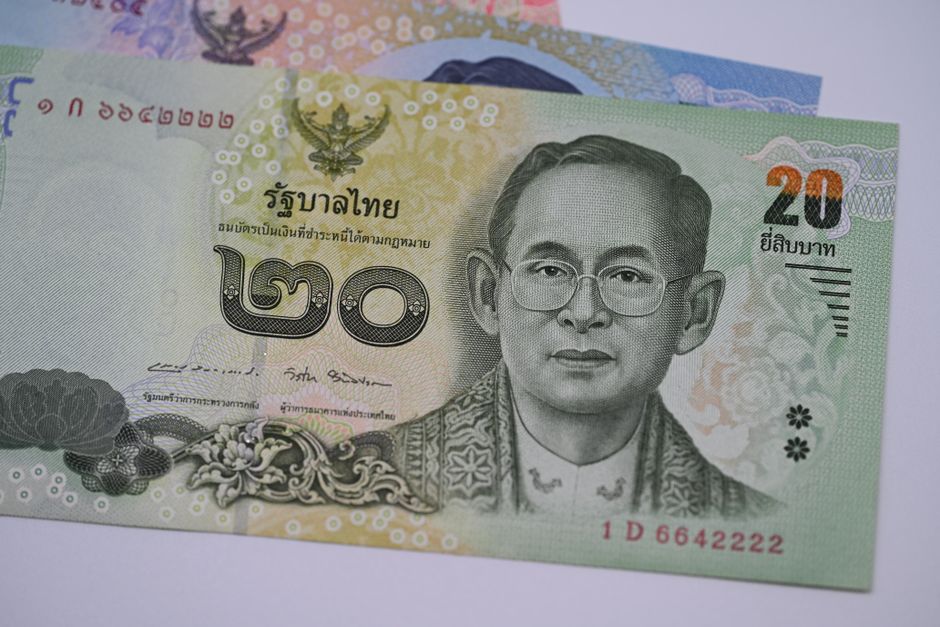 Photo: Qing Luo / Pexels
Healthcare is one of Phitsanulok's genuine strengths and a big reason the city serves as the lower north's regional hub. Buddhachinaraj Phitsanulok Hospital is a large public tertiary referral hospital — one of the biggest in the lower north — and Naresuan University Hospital adds a modern university teaching hospital with specialist departments. Private options include Pitsanuvej Hospital and Phitsanulok Hospital. Between them, the city handles far more complex care locally than smaller provinces like Sukhothai, whose residents frequently travel here for treatment.
 Photo: RDNE Stock project / Pexels
Phitsanulok is a major education city. Naresuan University, with roughly 20,000+ students, anchors the lower north for higher education and medical training, alongside Pibulsongkram Rajabhat University in the city. At school level, the province has strong Thai government and demonstration (satit) schools; genuine full international-curriculum schools are limited compared with Chiang Mai or Bangkok, so families needing an international track should read the schools guide carefully before committing. The schools guide covers what is confirmed locally and where the nearest fuller international options sit.
 Photo: Tima Miroshnichenko / Pexels
Phitsanulok has a real, if modest, condominium and apartment market — unusual for a city this size and driven largely by the student and investor demand around Naresuan University, with more scattered stock in the city centre. Rather than publish a building directory with unverified developers, years, floor counts or coordinates, BAANLYY populates its Phitsanulok building records only as each one is verified, and the condos overview is honest about what is confirmed versus still being catalogued.
 Photo: Pixabay / Pexels
Phitsanulok's foreign community is small but genuine and more settled than tourism-driven Sukhothai's — built around the university (visiting academics, language teachers and students), a handful of long-term retirees and mixed Thai-foreign families, centred on riverside cafés and the downtown area. It is not a large, organised expat scene like Chiang Mai's, and BAANLYY flags honestly what community infrastructure is and isn't verifiable rather than overstating it.
Editorial analysis compiled and periodically refreshed by BAANLYY’s research team — not a live data feed.
Analysis last reviewed August 2026.
The core Phitsanulok relocation guides are below, with more being added. In the meantime, see the general Thailand visa and relocation guides too.
Where to live in Phitsanulok →
Phitsanulok neighbourhood & areas guide →
Phitsanulok Area Score — every area ranked & rated →
Cost of living in Phitsanulok →
Condos & housing in Phitsanulok →
See our Thailand visa guides, then talk to us about relocating.
Primary and official sources are cited above. Government rules, fees and procedures in Thailand change over time and vary by office; always confirm current requirements with the relevant authority before relying on them. BAANLYY never takes paid placement in editorial content.
General information and indicative pricing, not legal, tax, immigration or financial advice. Hero photograph via Pexels. Confirm current details — especially train and flight schedules, which change — with official sources, individual listings or licensed professionals.

Free tools for this
Answer 3 quick questions and see the Thailand city guide worth researching first.
Try it free →Build a realistic monthly budget by lifestyle tier.
Try it free →