Which city fits you?
Answer 3 quick questions and see the Thailand city guide worth researching first.
Try it free →The complete starting point for Lopburi — central Thailand's ancient Lavo capital and army town, with King Narai's Palace, the monkeys, an easy Bangkok train and the Pa Sak dam — plus an overview, where to live, transport, heritage and relocation.
Lopburi is one of Thailand's oldest and most singular cities — an ancient Lavo-kingdom capital layered with Dvaravati and Khmer monuments, King Narai the Great's 17th-century second capital, and, in the modern era, the country's premier army and special-forces town. It splits neatly into two halves: the compact, walkable Old Town (Mueang Kao) wrapped around King Narai's Palace, the Khmer "monkey temple" Phra Prang Sam Yot and the celebrated troop of resident macaques; and the mid-century New Town (Mueang Mai) that Field Marshal Phibunsongkhram laid out as a planned military city. It is not a resort or an expat enclave — it is a working central-plains city with a large garrison, government offices, Thepsatri Rajabhat University and, crucially for relocators, an easy Northern-Line commuter-rail run down to Bangkok. Add the Pa Sak Jolasid dam and its cool-season sunflower fields, and Lopburi rewards a longer look than the day-trippers give it.
 Photo: Quang Nguyen Vinh / Pexels
Lopburi's living options split into four broad choices. The Old Town (Mueang Kao) is the walkable, amenity-dense heritage core — King Narai's Palace, Phra Prang Sam Yot, the monkeys, the railway station and Thepsatri University are all within a short radius. The New Town and military district (Tha Sala), a few kilometres east around the Sa Kaeo roundabout, is Phibun's planned mid-century city and carries the deepest modern-housing demand, driven by the special-forces and artillery garrisons, government offices and malls. Khok Kathiam and the northern city edge, around the air-force base on Highway 1, is newer detached-house territory for families. And the outer districts — Phatthana Nikhom by the Pa Sak dam, Chai Badan, Khok Samrong and Ban Mi — are rural and house-led. The full where-to-live guide compares all four.
 Photo: Valeria Drozdova / Pexels
Lopburi's headline advantage is rail. Its station is a major stop on the State Railway's Northern Line, with frequent day services — including commuter trains — running the roughly 150km down to Bangkok via Ayutthaya, plus long-distance trains north toward Chiang Mai. There is no commercial airport in the province; the nearest is Bangkok's Don Mueang, about 2 to 2.5 hours south by road or rail. Lopburi sits on Highway 1 (Phahonyothin) and is well served by buses and vans to Bangkok, Ayutthaya, Saraburi and the northeast. Locally there is no BTS or MRT — residents rely on cars, motorbikes, songthaews and Lopburi's distinctive tuk-tuks — and a car or motorbike is the practical default for anyone based out in the New Town, Khok Kathiam or the outer districts.
 Photo: Quang Nguyen Vinh / Pexels
Few Thai cities carry as many historical layers as Lopburi. The Khmer-era Phra Prang Sam Yot and Prang Khaek date back centuries before the Thai kingdoms; King Narai the Great made Lopburi his second capital in the 1660s, building Phra Narai Ratchaniwet (King Narai's Palace) and receiving French embassies through his famous Greek minister Constantine Phaulkon, whose residence (Ban Wichayen) still stands. The Somdet Phra Narai National Museum sits within the palace walls. Overlaying it all is Lopburi's celebrated troop of crab-eating macaques, honoured each November with the Monkey Buffet Festival, and the King Narai Reign Fair each February, when the Old Town lights up in period dress. It is one of the richest heritage cities in central Thailand.
 Photo: Pixabay / Pexels
Lopburi suits long-stayers who want an authentically Thai central-plains city — history, low costs and an easy train to Bangkok — rather than a resort or a large expat enclave. It is a garrison and government town first, so daily life is genuinely local. The standard Thai long-stay visa routes apply (retirement, marriage, DTV, education and LTR), and there is no international border in the province. Visa extensions, 90-day reporting and re-entry permits route through the Lopburi Immigration Office. The rental market is real but modest and locally run: the deepest apartment and townhouse supply is in the New Town and military district, with houses rented directly from owners across Khok Kathiam and the outer districts. For day-to-day detail, see the guides below.
 Photo: Marta Branco / Pexels
Lopburi is an inexpensive provincial city by any national measure — a garrison, government and student economy keeps everyday food, rooms and transport competitively priced, well below Bangkok and far below the beach or northern tourist provinces. Community-contributed cost data for the city is genuinely thin, so our cost-of-living guide is explicit about which figures are Lopburi-specific and which are indicative regional benchmarks, rather than inventing precise numbers. With no BTS or MRT, a motorbike or car is a real budget line for anyone living outside the walkable Old Town — though the cheap Bangkok commuter train offsets some of that for rail-based residents.
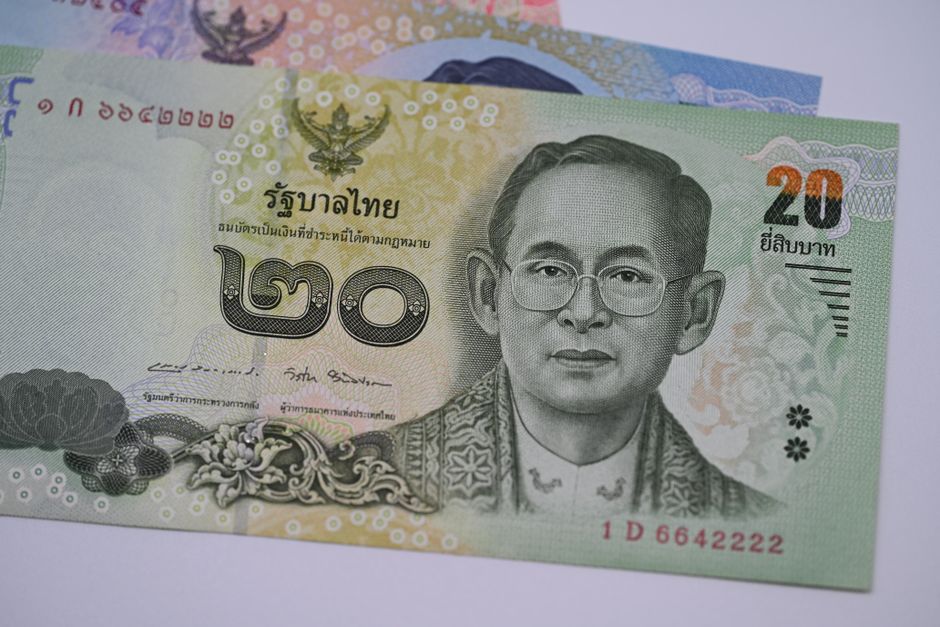 Photo: Qing Luo / Pexels
Lopburi's healthcare is solid for a central-plains city and boosted by its military role. King Narai Hospital (Phra Narai Maharat Hospital) is the main public provincial general hospital, and Lopburi is also home to Ananda Mahidol Hospital, one of the Royal Thai Army's largest and most historic hospitals, up at Khok Kathiam — an unusual depth of public capacity for a province this size. Private hospital and clinic options cover routine and outpatient care in the city. For the most specialised procedures, Bangkok's flagship hospitals are about two hours south by road or rail, which keeps Lopburi practical rather than isolated.
 Photo: RDNE Stock project / Pexels
Lopburi is an established education and training city, with two civilian degree-awarding sites rather than one: Thepsatri Rajabhat University anchors the Old Town, and Ramkhamhaeng University has run a regional campus at Tambon Pa Tan since 2000. The vocational route is unusually well served — the Institute of Vocational Education: Central Region 2, which confers the continuing bachelor of technology, is headquartered in Lopburi itself. The province's army centres — Special Warfare, Artillery and Army Aviation — run major military training schools that shape the city's character; the Cavalry Centre, often assumed to be here, is at Camp Adisorn in neighbouring Saraburi. At school level, Lopburi has strong Thai government and demonstration (satit) schools, including the well-known Phibulwitthayalai School. Genuine full international-curriculum schools are limited compared with Bangkok, so families needing an international track should read the schools guide carefully and weigh the nearer options down the rail line toward the capital.
 Photo: Tima Miroshnichenko / Pexels
Lopburi has a real, if modest, apartment and housing market — driven by the garrison, government and university population rather than by tourism, and concentrated in the New Town and military district with more scattered stock in the Old Town. Rather than publish a building directory with unverified developers, years, floor counts or coordinates, BAANLYY populates its Lopburi building records only as each one is verified, and the condos overview is honest about what is confirmed versus still being catalogued.
 Photo: Pixabay / Pexels
Lopburi's foreign presence is small, and it is three separate cohorts rather than one scene: long-stay retirees and mixed Thai-foreign families, English teachers working in Thai government and private schools, and a thin rotational layer of staff attached to NMB-Minebea's Lopburi plant at Nikhom Sang Ton-eng, running since 1988 as part of the Japanese MinebeaMitsumi group. The garrison adds a temporary international influx — Camp Erawan is a recurring venue for the Cobra Gold multinational exercise — but that is a rotation, not neighbours. The province has its own immigration office for 90-day reporting and extensions; it has no consulate, national association chapter or foreign-curriculum school past the elementary years that we could verify. BAANLYY flags honestly what is and isn't verifiable rather than overstating it.
Editorial analysis compiled and periodically refreshed by BAANLYY’s research team — not a live data feed.
Analysis last reviewed August 2026.
The core Lopburi relocation guides are below, with more being added. In the meantime, see the general Thailand visa and relocation guides too.
Lopburi neighbourhood & areas guide →
Lopburi Area Score — every area ranked & rated →
Schools & universities in Lopburi →
See our Thailand visa guides, then talk to us about relocating.
Primary and official sources are cited above. Government rules, fees and procedures in Thailand change over time and vary by office; always confirm current requirements with the relevant authority before relying on them. BAANLYY never takes paid placement in editorial content.
General information and indicative pricing, not legal, tax, immigration or financial advice. Hero photograph via Pexels. Confirm current details — especially train schedules, which change — with official sources, individual listings or licensed professionals.

Free tools for this
Answer 3 quick questions and see the Thailand city guide worth researching first.
Try it free →Build a realistic monthly budget by lifestyle tier.
Try it free →