Which city fits you?
Answer 3 quick questions and see the Thailand city guide worth researching first.
Try it free →The complete starting point for Saraburi — central Thailand's industrial and logistics gateway to the Northeast on the Pa Sak River — with an overview, where to live, transport, heritage and relocation.
Saraburi is central Thailand's industrial and logistics gateway — the pivot point where the Central Plains meet the Northeast. Just ~108km northeast of Bangkok on the Pa Sak River, it is where the Friendship Highway (Mittraphap Road, Route 2) branches off toward Nakhon Ratchasima and Isan, and where the Kaeng Khoi railway junction splits the Northeastern Line. It is also Thailand's cement heartland, ringed by limestone quarries and major works, with busy industrial estates at Nong Khae feeding the Bangkok manufacturing corridor. For relocators it is not a resort or a big expat city; it is a genuinely working province with strong regional infrastructure, low costs, the deeply sacred Wat Phra Phutthabat, and — up in Muak Lek — a cool, green upland face on the fringe of Khao Yai. Housing demand here is real but practical: staff apartments near the estates and city, modest condos in town, and resort homes in the hills.
 Photo: Quang Nguyen Vinh / Pexels
Saraburi's living options split into five broad choices. Mueang Saraburi, the compact provincial capital on the Pa Sak, is the most service-dense — the regional hospital, Robinson, the markets and most of the city's apartments and small condos. Kaeng Khoi, east toward the limestone hills, is cement-and-rail country with cheap, practical staff housing. Nong Khae, on the Bangkok side, holds the modern industrial estates and the freshest apartment stock, closest to the capital. Phra Phutthabat is the quiet, deeply traditional pilgrimage town in the northwest. And Muak Lek, in the southeast uplands on the Khao Yai fringe, is dairy country and the resort/weekend-home belt. The full where-to-live guide compares all five.
 Photo: Pixabay / Pexels
Saraburi's connectivity is its defining feature. It sits at the meeting of Phahonyothin Road (Highway 1) and the start of the Friendship Highway (Highway 2), making it the road gateway between Bangkok, the North and the Northeast, and the Kaeng Khoi junction is one of the busiest points on the State Railway's Northeastern Line toward Nakhon Ratchasima and Nong Khai. A station on the Bangkok–Nakhon Ratchasima high-speed railway is under construction nearby. There is no airport and no BTS or MRT — locally, residents rely on cars, motorbikes, songthaews and buses, and a car or motorbike is the practical default across this spread-out, industrial province.
 Photo: Quang Nguyen Vinh / Pexels
Saraburi's spiritual heart is Wat Phra Phutthabat, the temple enshrining a revered natural impression of the Buddha's footprint discovered in the Ayutthaya period — one of Thailand's most sacred pilgrimage sites, celebrated each year with the Ngan Phra Phutthabat flower-offering festival. The province is also famous for its seasonal sunflower fields, which blaze gold across the Saraburi–Lopburi countryside from November to January, and for the Muak Lek Waterfall and dairy country on the Khao Yai fringe. Add the Pa Sak Jolasid Dam — the largest reservoir in the central region — and the riverside old market at Sao Hai, and Saraburi rewards more than a drive-through on the way to Isan.
 Photo: Pixabay / Pexels
Saraburi suits long-stayers with a practical reason to be here — a job in the cement, manufacturing or logistics sector, a Thai family, or a wish for a low-cost, authentically Thai base within easy reach of Bangkok — rather than those chasing a resort or a big expat enclave. The standard Thai long-stay visa routes apply (retirement, marriage, DTV, education and LTR), and there is no international border in the province. Visa extensions, 90-day reporting and re-entry permits route through the Saraburi Immigration Office. The rental market is real but industry-led and locally run: staff apartments near Nong Khae and Kaeng Khoi, modest condos and houses in the city, and resort homes up in Muak Lek. For day-to-day detail, see the guides below.
 Photo: Marta Branco / Pexels
Saraburi is an inexpensive provincial city by any national measure — a working, industrial economy rather than a tourist one keeps everyday food, rooms and transport competitively priced, and it runs well below Bangkok or the beach provinces. Community-contributed cost data for the city is genuinely thin, so our cost-of-living guide is explicit about which figures are Saraburi-specific and which are indicative regional benchmarks, rather than inventing precise numbers. With no BTS or MRT and a spread-out province, a motorbike or car is a real budget line for almost everyone living here.
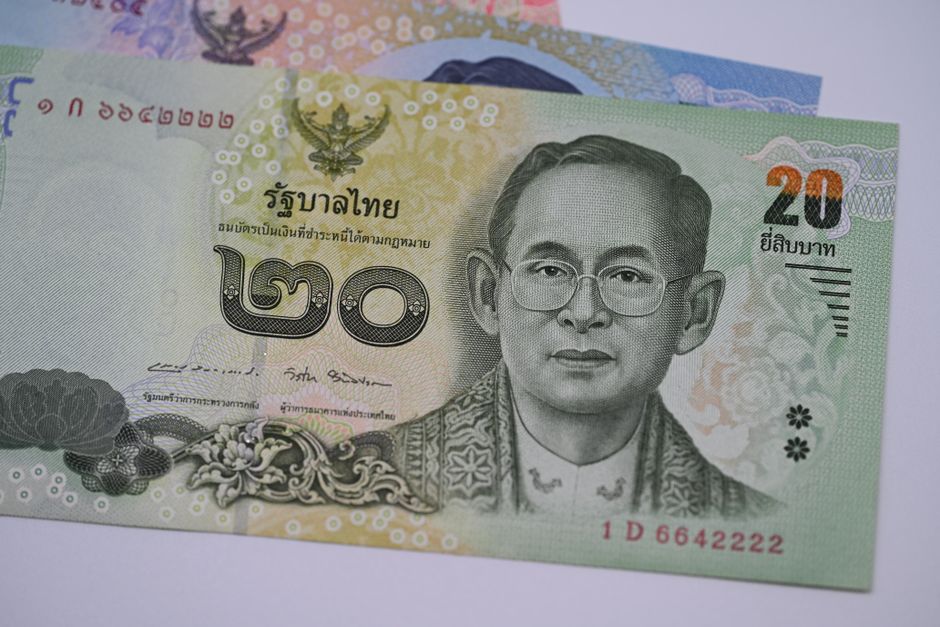 Photo: Qing Luo / Pexels
Healthcare in Saraburi is anchored by Saraburi Hospital, a public regional referral centre under the Ministry of Public Health that is also a teaching site — it has trained Thammasat University medical students through their clinical years since 1993 and hosts a CPIRD Medical Education Center — alongside district hospitals at Phra Phutthabat, Kaeng Khoi and elsewhere. On the private side, Kasemrad Saraburi Hospital on Mittraphap Road is the founding hospital of the Bangkok Chain Hospital group, open since 1984 and running 24 hours. For the most specialised procedures, Bangkok's flagship hospitals are about 1.5 hours away by road — but for a province this size, everyday and much complex care is handled well locally.
 Photo: RDNE Stock project / Pexels
Saraburi is better provisioned than its reputation suggests, and it moved recently. Four international schools operate in the province — Saint John Mary in Mueang Saraburi and California Prep at Kaeng Khoi (both American curriculum), the Adventist International Mission School at Muak Lek, and a John Wyatt Montessori campus at Nong Don — and three of the four are reported to board. Higher education runs to six institutions, not the one or two usually named: Asia-Pacific International University at Muak Lek (private, primarily English-medium); the Navaminda Kasatriyadhiraj Royal Air Force Academy, which relocated from Bangkok to Muak Lek in 2023 and teaches seven engineering and science degrees, though by cadet selection rather than open admission; two royally named Boromarajonani nursing colleges, at Mueang Saraburi and Phra Phutthabat; the Institute of Vocational Education: Central Region 1, which awards a Bachelor of Technology through Saraburi Technical College and Saraburi Vocational College; and a Chulalongkorn University learning and research site at Kaeng Khoi that is land rather than a teaching campus. What the province does not have is an IB or British-curriculum school, or a conventional public university on open admission; for either of those, Bangkok is roughly 1.5 hours away.
 Photo: Tima Miroshnichenko / Pexels
Saraburi's housing market is driven by industry rather than a big condo scene — staff apartments and townhouse estates around Nong Khae and Kaeng Khoi, modest apartments and a handful of small condominiums in the city, and detached and resort homes up in Muak Lek. Rather than publish a building directory with unverified developers, years, floor counts or coordinates, BAANLYY populates its Saraburi building records only as each one is verified, and the condos overview is honest about what is confirmed versus still being catalogued.
Photo: Pixabay / PexelsSaraburi's foreign community is small and practical — built around the industrial estates and cement sector (engineers, managers and technical staff, often on company postings), a scattering of long-term retirees and mixed Thai-foreign families, and a distinct weekend-and-second-home crowd up in the Muak Lek/Khao Yai uplands. It is not a large, organised expat scene like Chiang Mai's, and BAANLYY flags honestly what community infrastructure is and isn't verifiable rather than overstating it.
Editorial analysis compiled and periodically refreshed by BAANLYY’s research team — not a live data feed.
Analysis last reviewed August 2026.
The core Saraburi relocation guides are below, with more being added. In the meantime, see the general Thailand visa and relocation guides too.
Saraburi neighbourhood & areas guide →
Saraburi Area Score — every area ranked & rated →
Condos & housing in Saraburi →
See our Thailand visa guides, then talk to us about relocating.
Primary and official sources are cited above. Government rules, fees and procedures in Thailand change over time and vary by office; always confirm current requirements with the relevant authority before relying on them. BAANLYY never takes paid placement in editorial content.
General information and indicative pricing, not legal, tax, immigration or financial advice. Hero photograph via Pexels. Confirm current details — especially train schedules and the status of the high-speed rail project, which change — with official sources, individual listings or licensed professionals.

Free tools for this
Answer 3 quick questions and see the Thailand city guide worth researching first.
Try it free →Build a realistic monthly budget by lifestyle tier.
Try it free →