Which city fits you?
Answer 3 quick questions and see the Thailand city guide worth researching first.
Try it free →The complete starting point for Suphan Buri — central Thailand's rice-plain province on the Tha Chin River, about 100km northwest of Bangkok — with an overview, where to live, transport, heritage and relocation.
Suphan Buri is one of central Thailand's great rice provinces — 5,358 km² of flat, irrigated paddy on the Tha Chin River (known locally as the Suphan River), about 101km north-northwest of Bangkok, with a provincial population of roughly 850,000 but a municipal town of only tens of thousands. It is a genuinely Thai province rather than an expat destination: history-dense, agriculturally prosperous, and unusually well-built for its size thanks to the late Banharn Silpa-archa, a Suphan Buri native who served as prime minister in 1995–96 and directed decades of public works at his home province. The result is a small town with wide boulevards, a 123-metre observation tower, and a level of civic infrastructure most provinces this size never see. For relocators, the appeal is proximity — you are inside a comfortable Bangkok day-trip radius — combined with a very low cost of living and deep heritage. The trade-off is an equally real one: almost no foreign community, a thin rental market, and no full international-curriculum school — though the state system does run English Program classrooms and an International Program room in Mueang district, which is more English-medium provision than the province is usually credited with.
 Photo: Pixabay / Pexels
Suphan Buri's living choices split four ways. The city centre and Suphan riverside in Mueang district is the walkable core — the hospital, the museums, the City Pillar Shrine, the markets and the tower. Tha Rahat and the Highway 340 corridor on the edge of town is the modern face: the Robinson Lifestyle mall, big-format retail, new gated estates and the province's small stock of modern low-rise condominiums. U Thong and the western districts, about 30km southwest, trade services for history and the lowest costs in the province, with limestone hills toward Kanchanaburi. And the northern river districts around Sam Chuk offer rural Tha Chin living beside a UNESCO-recognised centenary market. The full where-to-live guide compares all four.
 Photo: Valeria Drozdova / Pexels
Suphan Buri is a road province, and that is the single most important practical fact about living here. Highway 340 (the Bang Bua Thong–Suphan Buri road) is the artery south to Bangkok and north to Chai Nat; Highway 321 runs west and south to Nakhon Pathom, Highway 329 east toward Bang Pahan in Ayutthaya, and Highway 3195 northeast to Ang Thong. Intercity buses and minivans to Bangkok's northern and southern terminals are frequent. There are no scheduled passenger flights — Bangkok's Don Mueang and Suvarnabhumi are the airports. Rail is nominal: Suphan Buri sits at the end of a State Railway branch from Nong Pladuk Junction, and its station is the only one still operating on that line, served by a single pair of commuter trains that reporting indicates now run on selected days only, from a station well outside the town centre. There is no local mass transit — a car or motorbike is not optional outside the walkable centre.
 Photo: Quang Nguyen Vinh / Pexels
Few provinces this size carry as much history. U Thong, southwest of the town, was a moated Dvaravati-period settlement associated with the old Suphannaphum polity and with the name Suvarnabhumi, and now anchors a national museum and a field of archaeological sites. In 1593 the plains at Nong Sarai northwest of town saw the elephant duel in which King Naresuan killed the Burmese crown prince — the event that secured Ayutthaya's independence, and which the Don Chedi monument and its January memorial commemorate. Sam Chuk's riverside market of century-old wooden shophouses won an Award of Merit in the 2009 UNESCO Asia-Pacific Heritage Awards. The province is also the home of Thai country music: Suphan Buri is sometimes called the Nashville of Thailand, and the luk thung superstar Pumpuang Duangjan is buried here.
 Photo: Quang Nguyen Vinh / Pexels
Be clear-eyed about who this province suits. Suphan Buri works for people with a Thai family connection, for anyone who wants a very low-cost rural or small-town base inside easy reach of Bangkok, and for long-stayers who actively want to live in a Thai-speaking environment rather than an expat one. It does not work as a soft landing: the foreign community is minimal, English is not widely spoken outside the hospital and the mall, and while the state system offers English Program classrooms and an upper-secondary International Program room, there is no full international-curriculum school running to Year 13. The standard Thai long-stay routes apply (retirement, marriage, DTV, education, LTR), and there is no international border in the province. Immigration matters route through the Suphan Buri provincial immigration office — confirm current jurisdiction and hours before travelling. Renting is done directly with local owners; there is effectively no foreign-facing agency layer.
 Photo: Marta Branco / Pexels
Suphan Buri is inexpensive even by Thai provincial standards — an agricultural economy with almost no tourism premium, no expat pricing layer and a strong local food market keeps everyday costs low. Published, city-specific cost data is genuinely thin, so our cost-of-living guide gives clearly-labelled indicative ranges typical of an inexpensive Central-region province rather than inventing precise figures. The two real budget lines to plan for are housing, which swings widely between a shophouse room and a new-build house on the 340 corridor, and a vehicle — with no mass transit and long distances between districts, a car or motorbike is a fixed cost here rather than a convenience.
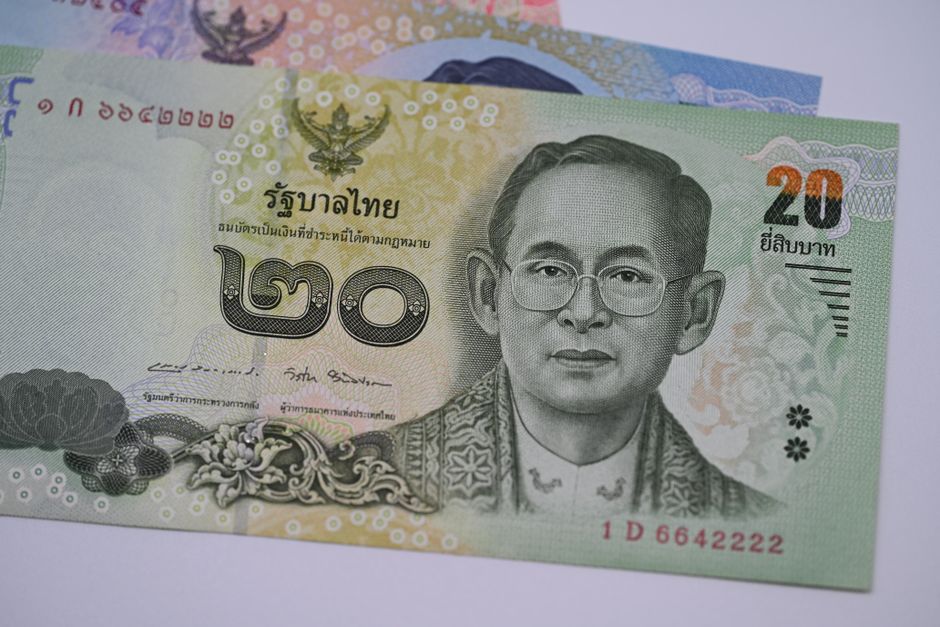 Photo: Qing Luo / Pexels
Healthcare is considerably better than the province's size suggests. Chao Phraya Yommarat Hospital in Mueang district, founded in 1926, is not a provincial general hospital but a Ministry of Public Health regional hospital classified Level A — the top tier of the public network — and its own strategic plan commits it to advanced tertiary care; bed count is reported at 634 to 680 depending on the source. It became a main teaching hospital for Kasetsart University's Faculty of Medicine in 2024, bringing a clinical medical education centre and additional specialist capacity into the province. Every district has a Ministry of Public Health community hospital, and the province has four private hospitals — Supamitr in Mueang, plus Pornchai, Vibhavadi–Piyarat and Thonburi–U Thong. Bangkok's flagship hospitals are roughly a two-hour drive as a backstop for rare sub-specialties and internationally-accredited private care, rather than the default for anything serious.
 Photo: RDNE Stock project / Pexels
Suphan Buri has solid Thai-medium schooling — including a well-known cluster of schools built under Banharn Silpa-archa's provincial public-works programme — and, less well known, real English-medium provision inside the state system: English Program classrooms at Kannasoot Suksalai School and Sa-nguan Ying School at secondary level and at Anuban Suphanburi School at primary, plus a special International Program classroom at Sa-nguan Ying's upper secondary. Higher education is larger than the province's profile suggests and it is split across two districts: Suan Dusit University's Suphan Buri campus in Mueang district; a Rajamangala University of Technology Suvarnabhumi campus centre about 27 km north at Sam Chuk, with its own resource administration division; Mahachulalongkornrajavidyalaya University's Suphan Buri Sri Suwannaphum Buddhist College inside Wat Pa Lelai in Mueang, which awards a master's in public administration as well as bachelor's degrees; six Bachelor of Technology programmes across the province's two government vocational colleges under the Institute of Vocational Education, Central Region 4; and the Kasetsart Faculty of Medicine clinical education centre at Chao Phraya Yommarat Hospital. Kanchanaburi Rajabhat University is sometimes credited with a campus here but publishes none in its own list of units, and Ramkhamhaeng University has no regional campus in the province — the nearest is Kanchanaburi. The province is also home to a well-regarded sports school feeding Suphanburi FC and national programmes. What it does not have is a full international-curriculum school running to Year 13. Families needing an IB, British or American track should plan on Bangkok or Nakhon Pathom and read the schools guide before committing.
 Photo: Tima Miroshnichenko / Pexels
Suphan Buri is a house market, not a condo market. The overwhelming majority of housing is detached Thai family homes, townhouses and shophouse rooms, let directly by owners; a small number of modern low-rise condominium buildings have appeared on the Highway 340 retail corridor near the mall, aimed at local professionals rather than foreign buyers. Rather than publish a building directory with unverified developers, years, floor counts or coordinates, BAANLYY populates its Suphan Buri building records only as each one is verified, and the condos overview is honest about what is confirmed versus still being catalogued.
 Photo: Pixabay / Pexels
There is no organised expat scene in Suphan Buri, and we will not invent one. The foreign residents here are overwhelmingly people married into Thai families, a handful of retirees and occasional English teachers, spread across the districts rather than concentrated in any quarter. That is a genuine feature for some people and a dealbreaker for others — the expat-community guide sets out honestly what exists, what doesn't, and where the nearest larger foreign communities are.
Editorial analysis compiled and periodically refreshed by BAANLYY’s research team — not a live data feed.
Analysis last reviewed August 2026.
The core Suphan Buri relocation guides are below, with more being added. In the meantime, see the general Thailand visa and relocation guides too.
Where to live in Suphan Buri →
Suphan Buri neighbourhood & areas guide →
Suphan Buri Area Score — every area ranked & rated →
Cost of living in Suphan Buri →
Condos & housing in Suphan Buri →
See our Thailand visa guides, then talk to us about relocating.
Primary and official sources are cited above. Government rules, fees and procedures in Thailand change over time and vary by office; always confirm current requirements with the relevant authority before relying on them. BAANLYY never takes paid placement in editorial content.
General information and indicative pricing, not legal, tax, immigration or financial advice. Hero photograph via Pexels. Confirm current details — especially train timetables and immigration office jurisdiction, which change — with official sources, individual listings or licensed professionals.

Free tools for this
Answer 3 quick questions and see the Thailand city guide worth researching first.
Try it free →Build a realistic monthly budget by lifestyle tier.
Try it free →