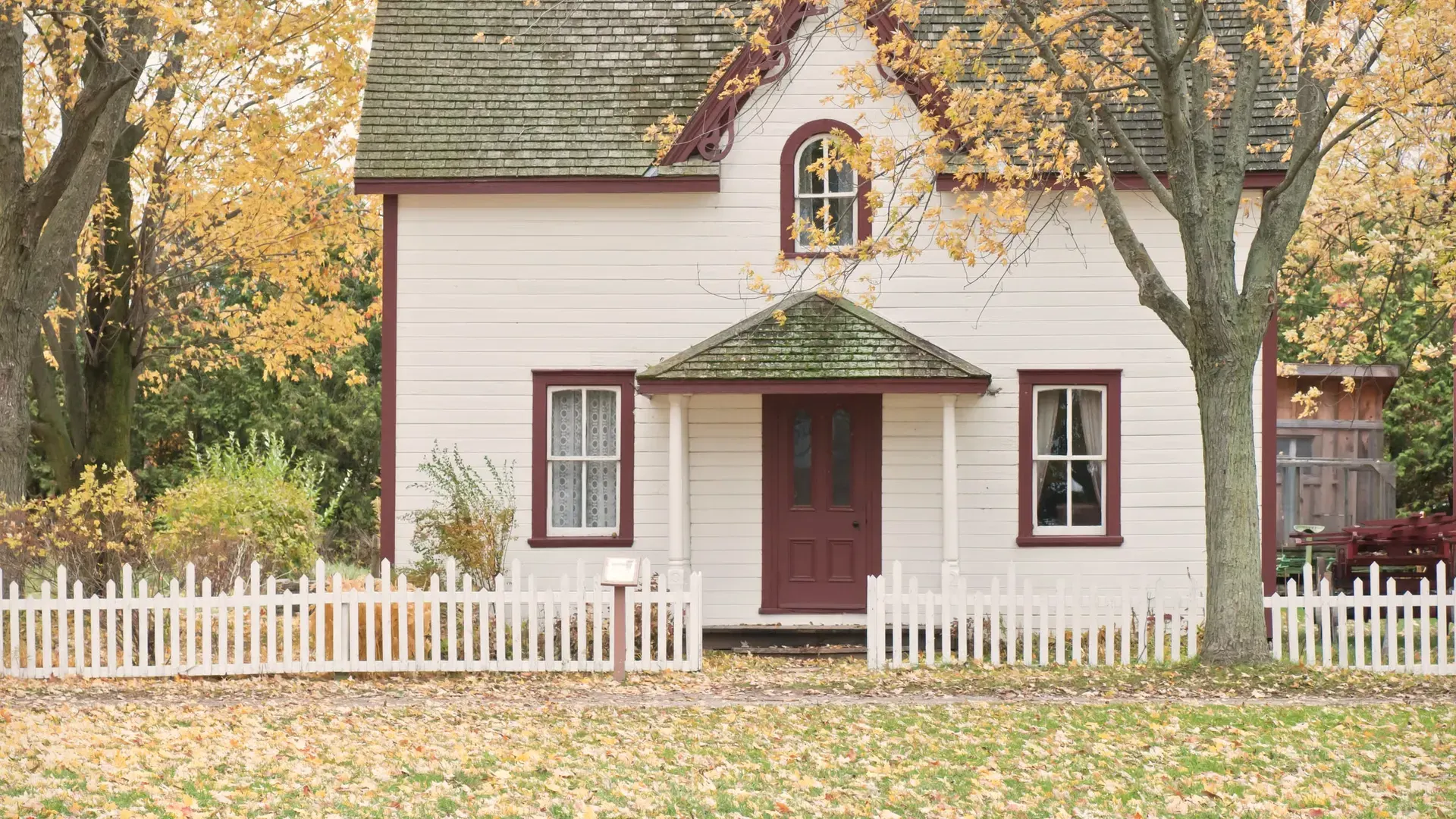
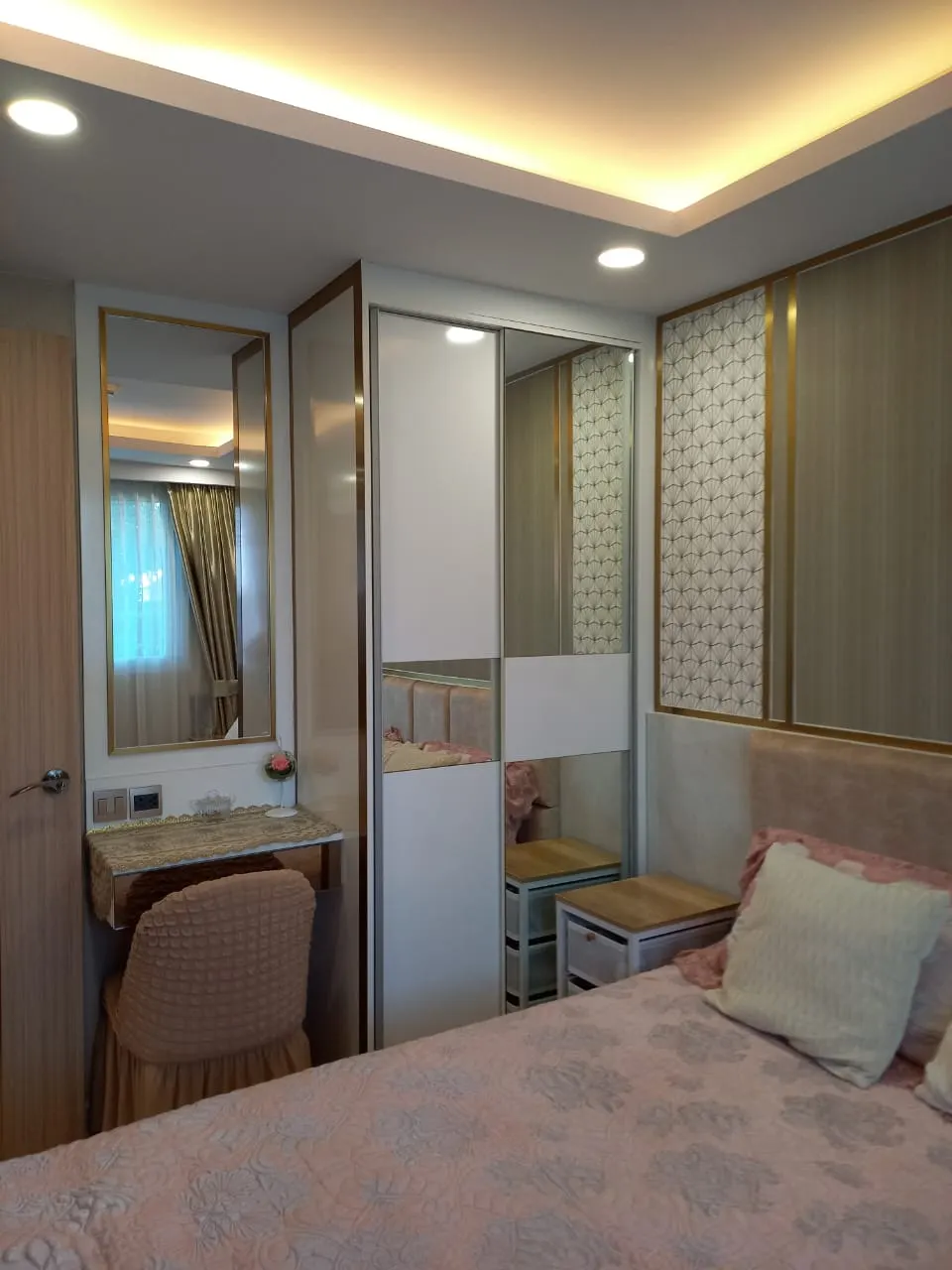
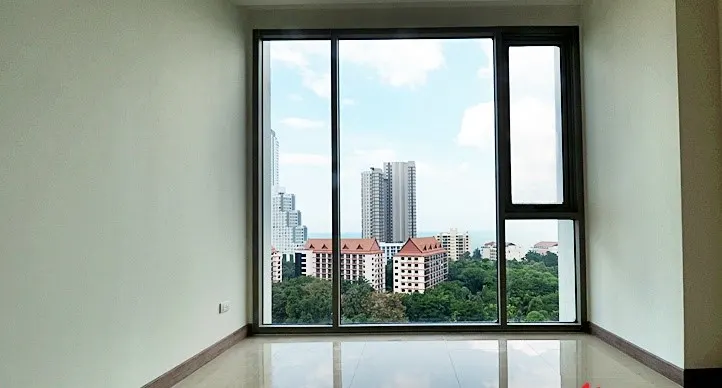
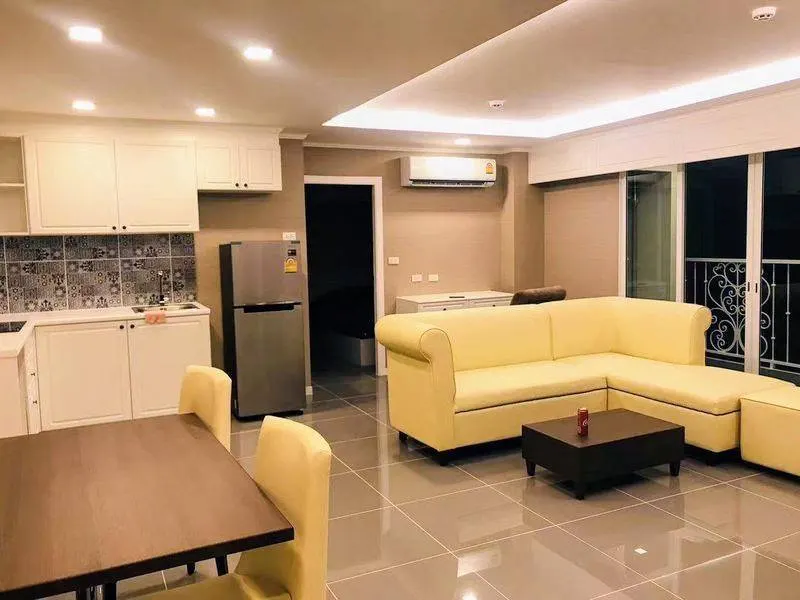
An owner-let market of apartment rooms, townhouses and detached houses, no condominium supply, no agencies, no listings portal. Here are honest indicative rents, the standard nationwide lease terms, and what to actually expect.
Share
Overview
An owner-let market, not an agency market
Phichit has rental housing but not a rental market in the way the word usually implies. Real estate accounts for roughly 3.8% of provincial output; there is no university campus generating student demand, no investor stock, and no confirmed registered condominium anywhere in the province. What exists is apartment rooms above shophouses in Phichit town and Taphan Hin, townhouses in the town center, and detached houses let directly by the families who own them across the districts. There is no meaningful agency layer, so places are found by asking rather than by searching, and figures below are honest indicative ranges rather than an official index. For the wider picture, see the province hub, the where-to-live guide and the cost-of-living guide.
Rent, indicative ranges by type & area
These are guide ranges based on what an inexpensive rural lower-northern province typically asks, not a confirmed Phichit-specific index, because none exists. Confirm current asking rents directly for the exact town and property.
Property type
Indicative rent
Note
Apartment room / small unit, Phichit town or Taphan Hin
฿3,000–6,000/mo
Mostly above shophouses and in small local blocks
Townhouse or 1–2 bed unit, Phichit town center
฿4,000–10,000/mo
The most serviced part of the province, so the top of the market
2–3 bed detached house, Bueng Si Fai / old city
฿4,000–12,000/mo
Garden and parking usually included; let directly by owners
House, Bang Mun Nak & the southern districts
฿3,000–9,000/mo
The cheapest housing in the province; rural, car essential
Where supply actually sits, area by area
Phichit's rental stock doesn't spread evenly, it clusters around the same four places the where-to-live guide covers, each for a different reason.
Phichit town centre (Nai Mueang)
The deepest stock in the province, because it is the only place with real services: apartment rooms above shophouses and in small blocks along and near Phichit–Kamphaeng Phet Road, where Phichit Pittayakom School and Phichit Technical College sit at numbers 31 and 33, plus townhouses on the surrounding lanes toward the station and Sa Luang Road, where the private Chaiaroon Vechagarn Hospital is based. This is also the one pocket of the province with a recurring institutional tenant: Phichit Hospital runs Naresuan University's Clinical Medical Education Centre, so a trickle of rotating medical students, interns and posted staff looks for short and medium lets within walking or motorbike distance of the hospital each year, worth knowing if you're an owner as much as a tenant.
Bueng Si Fai & the old city (Mueang Kao)
Almost entirely houses let directly by their owners around the lake and the historical park, quiet, green, and a short ride rather than a walk from the hospital and station. Apartment stock here is negligible; if you want a garden over a commute, this is the trade.
Taphan Hin
The province's cheapest meaningful rental stock after Bang Mun Nak: apartments above shophouses and modest townhouses around Chomtheerawet Road and the Taphan Hin station, roughly 28 rail-kilometers south of the capital. Taphanhin Crown Prince Hospital (90 beds) and Taphan Hin School cover the basics locally, so this works as a genuine base rather than only a cheaper satellite of Phichit town.
Bang Mun Nak & the southern districts
The least rental stock and the lowest prices, mostly houses, let directly, with essentially no apartment-style supply. This is the choice for someone with a specific reason to be in the far south (family, farmland, work) rather than a general relocator comparing areas on price alone.
Lease terms & deposits, the nationwide norm, loosely applied
Thailand's standard lease structure applies in Phichit as anywhere else, but expect it to be applied informally: a great deal of provincial letting here runs on a short written agreement or a handshake with a local owner. Ask for the terms in writing regardless.
Item
Typical norm
Typical long-term lease length
12 months nationwide norm (shorter informal arrangements are common with local owners here)
Security deposit
2 months' rent (refundable, less damages), standard across Thailand
Advance rent on signing
1 month upfront, so move-in typically runs about 3 months' rent
Electricity
Tenant pays, metered, sometimes at a small markup in apartment blocks
Water
Tenant pays (modest); often included in houses and small blocks
Notice to vacate
Commonly 30–60 days; always check the individual contract
Furnished norms & what's included
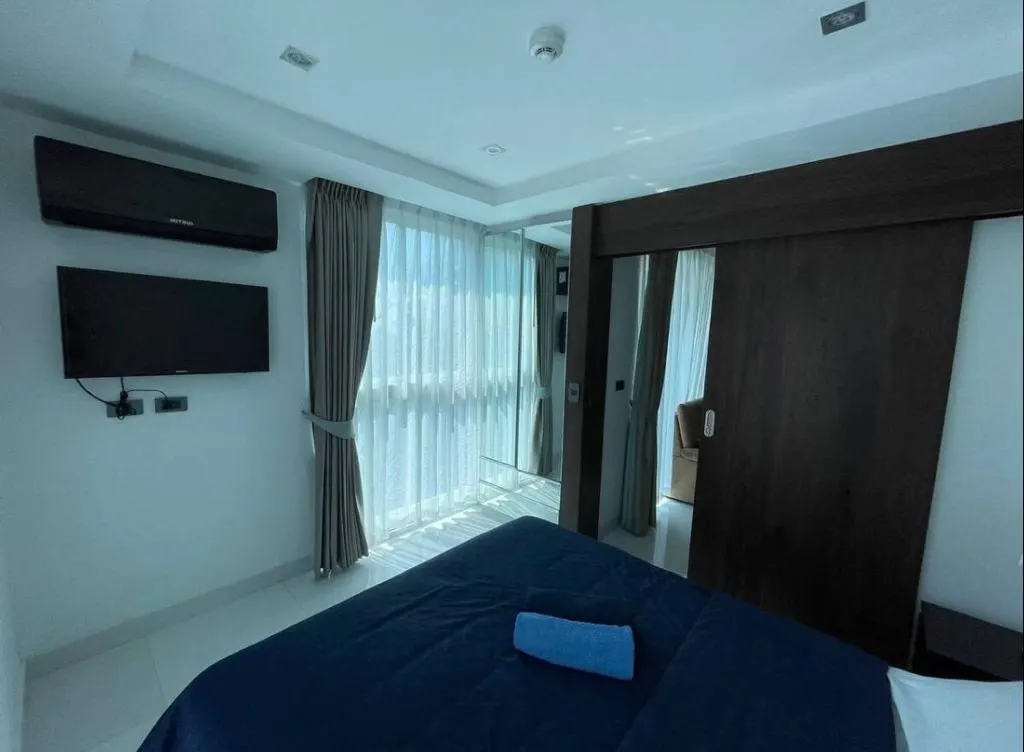
Apartment rooms are typically furnished to a basic standard, bed, wardrobe, air-con or fan, sometimes a small kitchenette. Houses are far more variable and often come unfurnished or part-furnished, since they are aimed at local families rather than short-stay tenants. Whichever you take, insist on a written inventory list attached to the agreement so the deposit return is clean.
What foreigners can rent & the process
There are no restrictions on foreigners renting anywhere in Thailand, on any visa, this applies equally in Phichit. The 49% condo foreign-ownership quota and the ban on foreign freehold land ownership apply only to buying, not renting.
Step / item
What to know
Tenant agent fee (long-term)
Rarely applicable, there is effectively no agency market in Phichit; you deal with owners
Documents you'll need
Passport; for long stays, visa/immigration details
Language
Expect Thai. Contracts, negotiation and viewings are almost always conducted in Thai
Lease registration
Leases over 3 years should be registered at the Land Office to be enforceable for the full term
The practical reality is that renting in Phichit is a local, Thai-language, in-person process. There is no expat-facing agency infrastructure because there is no expat population to support one. Anyone moving here without Thai should plan to have a Thai friend, partner or paid local helper handle the search and the paperwork.
FAQ
Phichit rental market questions
Does Phichit have a rental market?
It has rental housing, but not a market in the sense of listings, agencies and comparable stock. Real estate is roughly 3.8% of provincial output, there is no university-campus or investor demand, and no confirmed condominium supply exists anywhere in the province. The one recurring source of tenant demand worth knowing about is institutional rather than speculative: Phichit Hospital is a Level S general hospital that teaches the clinical years of Naresuan University's medical degree, so the town center carries a steady trickle of medical students, trainees and posted staff looking for short and medium lets near the hospital. What there is: apartment rooms above shophouses in Phichit town and Taphan Hin, townhouses, and detached houses let directly by their owners. Finding a place means asking locally, at the market, at a temple, through a neighbor, rather than browsing online.
How much is rent in Phichit?
Indicatively, an apartment room in Phichit town or Taphan Hin runs roughly ฿3,000–6,000/month, a townhouse or small unit in the town center ฿4,000–10,000/month, and a detached house ฿4,000–12,000/month depending on where in the province. These are guide ranges rather than an official index, Phichit-specific structured rent data does not exist, so confirm current asking rents directly for the exact town and property.
Are there condos to rent in Phichit?
Not that BAANLYY has verified. Phichit has no confirmed registered condominium building, and we will not list one we have not confirmed. Anyone who specifically wants a modern condominium unit with a pool and gym should look at Phitsanulok, about an hour north, where the market around Naresuan University is genuinely deep.
How much deposit do I need to rent in Phichit?
The nationwide Thai norm applies where a formal lease is used: two months' rent as a refundable security deposit plus one month in advance, so budget roughly three months' rent to move in. Informal owner arrangements in the districts are often lighter, but get whatever is agreed in writing.
Can foreigners rent property in Phichit?
Yes: there is no restriction on foreigners renting anywhere in Thailand, on any visa. Ownership restrictions (the 49% condo foreign-ownership quota, no foreign freehold land) apply only to buying, not renting. In practice, renting in Phichit means dealing directly with a Thai owner, usually in Thai, and having someone local help is a genuine advantage.
Primary and official sources are cited above. Government rules, fees and procedures in Thailand change over time and vary by office; always confirm current requirements with the relevant authority before relying on them. BAANLYY never takes paid placement in editorial content.