Which city fits you?
Answer 3 quick questions and see the Thailand city guide worth researching first.
Try it free →The complete starting point for Lamphun — northern Thailand's oldest city, the Mon capital of Hariphunchai, half an hour south of Chiang Mai — with an overview, where to live, transport, heritage and relocation.
Lamphun is northern Thailand's oldest city and one of its smallest provinces — a moated Mon town on the Kuang River that was the capital of Hariphunchai, founded in the eighth century and ruled by the legendary Queen Chamadevi some five hundred years before Chiang Mai was built. Today its defining fact is geography: Lamphun town sits roughly 26km south of Chiang Mai, close enough that Chiang Mai's international airport, tertiary hospitals and international schools are a short drive away, far enough that rents, traffic and pace are markedly lower. Layered on top of that heritage is a genuinely industrial economy — the Northern Region Industrial Estate at Ban Klang has drawn electronics and components manufacturing, and significant Japanese investment, since 1983 — and an agricultural one: Lamphun is Thailand's longan capital. For relocators it is the quiet, cheaper, deeply historic alternative to living inside Chiang Mai itself.
 Photo: Quang Nguyen Vinh / Pexels
Lamphun's living options split into four broad choices. The old town and Kuang riverside is the moated historic core — Wat Phra That Hariphunchai, the morning market, Lamphun Hospital and the railway station — and the only genuinely walkable part of the province. Ban Klang and the Northern Region Industrial Estate is the working belt, with the deepest supply of purpose-built staff apartments. Ban Thi and the northern corridor along Highways 11 and 106 is effectively a Chiang Mai commuter belt of newer housing estates. And Pa Sang, Wiang Nong Long and the southern longan country are the cheapest, quietest and most rural. The full where-to-live guide compares all four.
 Photo: Valeria Drozdova / Pexels
Lamphun has its own station on the State Railway's Northern Line — 729km from Bangkok and only about 22km from Chiang Mai station — and the province also contains Khun Tan station in Mae Tha district, the highest railway station in Thailand at 578 metres, reached through the 1,362-metre Khun Tan Tunnel, the longest rail tunnel in the country. By road, Highway 11 (the Chiang Mai–Lampang superhighway) skirts the province and the older Highway 106 runs into Chiang Mai beneath its avenue of century-old yang na trees. There is no airport in Lamphun and no mass transit: Chiang Mai International Airport (CNX) is the practical air gateway, and a car or motorbike is the default for daily life anywhere outside the old town.
 Photo: Quang Nguyen Vinh / Pexels
Lamphun's historic weight is out of all proportion to its size. Wat Phra That Hariphunchai, whose golden chedi appears on the provincial seal, is one of the most important temples in northern Thailand; Wat Chamathewi — better known as Wat Ku Kut — preserves the stepped Suwan Chang Kot chedi in a Dvaravati-influenced style found almost nowhere else in the country. The old town's moat still traces the outline of the Mon capital, and the Hariphunchai National Museum sits opposite the main temple. Beyond the capital, Pa Sang's Nong Chang Khuen villages are known nationally for handwoven cotton, and the Karen Buddhist community around Phra Bat Huai Tom in Li district is one of the most distinctive settlements in the north.
 Photo: Pixabay / Pexels
Lamphun suits long-stayers who want Chiang Mai's services without Chiang Mai's prices, traffic or crowds, and who are content in a small, authentically Thai provincial town. The standard Thai long-stay visa routes apply — retirement, marriage, DTV, education and LTR — and there is no international border in the province. Practically, many foreigners living in Lamphun still handle bigger errands, specialist medical care and international schooling in Chiang Mai, half an hour up the road. The rental market is real but shallow and locally run: purpose-built apartment supply clusters around the industrial estate, while most other housing is Thai family homes and townhouses rented directly from owners. For day-to-day detail, see the guides below.
 Photo: Marta Branco / Pexels
Lamphun is inexpensive even by northern-Thai standards — it is a small province with no tourist-premium pricing, and rents sit below Chiang Mai's for comparable space. Community-contributed cost data for a province this size is genuinely thin, so our cost-of-living guide is explicit about which figures are Lamphun-specific and which are indicative northern-regional benchmarks, rather than inventing precise numbers. With no mass transit and services spread across eight rural districts, a motorbike or car is a real and unavoidable budget line for almost everyone.
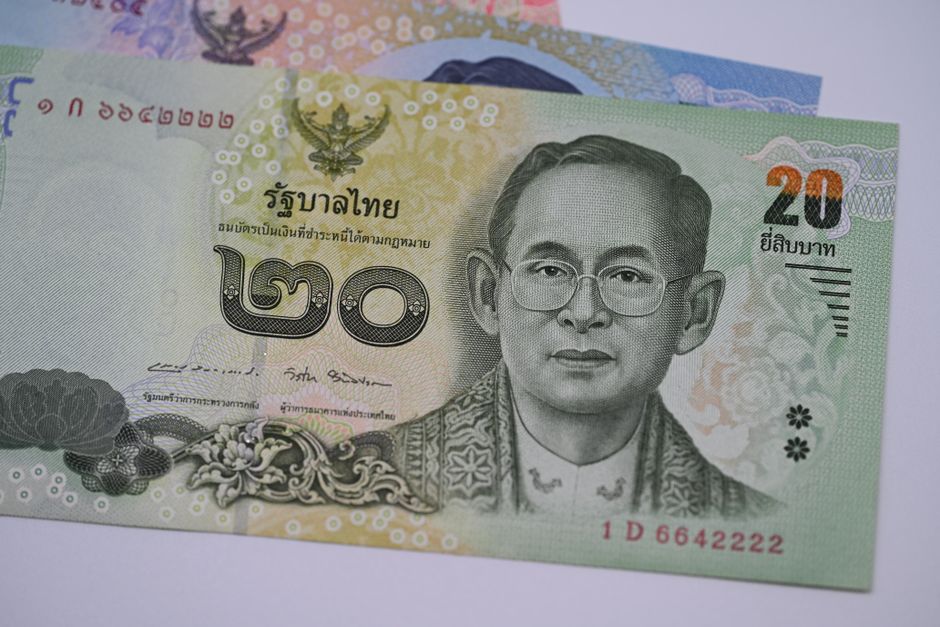 Photo: Qing Luo / Pexels
Lamphun handles everyday and secondary care locally and leans on Chiang Mai for the rest. Lamphun Hospital is the provincial public general hospital, with a branch at Wiang Yong, and community hospitals serve the outer districts. On the private side, Hariphunchai Memorial Hospital has served the industrial estate's workforce since the mid-1990s and Princ Hospital Lamphun opened in 2021 as a smaller secondary-level private option. For tertiary and highly specialised treatment, residents drive roughly half an hour to Chiang Mai's university and private hospitals — a genuine advantage over provinces with no big city nearby.
 Photo: RDNE Stock project / Pexels
Lamphun's capital has two large government secondary schools, not one: Chakkham Khanathon, founded in 1904 and named by King Rama VI after Chao Chakkhamkhajornsak, the last ruler of Lamphun, with roughly 3,400 students at the June 2026 census; and Suanboonyopatham Lamphun on the Lamphun-Pa Sang road in the same central sub-district, at around 3,300. At tertiary level three institutions award degrees here — Chiang Mai University's Hariphunchai Education Center at Tambon Si Bua Ban, Mahachulalongkornrajavidyalaya University's Lamphun Buddhist College at Tambon Ton Thong, which teaches to doctoral level, and Lamphun Technical College, which runs three Bachelor of Technology programmes under the Institute of Vocational Education, Northern Region 1. What Lamphun does not have is a full international-curriculum school; families needing an IB, British or American track look to Chiang Mai, which is close enough to make a daily school run realistic from the northern districts. The schools guide is explicit about that line.
 Photo: Tima Miroshnichenko / Pexels
Lamphun is a thin condominium market and an honest page has to say so. The province's real supply is apartments and staff blocks around the industrial estate, townhouses in and near the old town, and detached houses in the northern commuter estates and the rural south — not registered condominium towers. Rather than publish a building directory with unverified developers, years, floor counts or coordinates, BAANLYY populates its Lamphun building records only as each one is verified, and the condos overview is honest about what is confirmed versus still being catalogued.
 Photo: Pixabay / Pexels
Lamphun's foreign residents are few and scattered — a mix of people working at or supplying the industrial estate, retirees and mixed Thai-foreign families who chose the province precisely because it is quieter and cheaper than Chiang Mai. There is no organised local expat scene, and BAANLYY does not pretend otherwise: in practice most social infrastructure sits in Chiang Mai, half an hour away, which is close enough to belong to it without living in it.
Editorial analysis compiled and periodically refreshed by BAANLYY’s research team — not a live data feed.
Analysis last reviewed August 2026.
The core Lamphun relocation guides are below, with more being added. In the meantime, see the general Thailand visa and relocation guides too.
Lamphun neighbourhood & areas guide →
Lamphun Area Score — every area ranked & rated →
See our Thailand visa guides, then talk to us about relocating.
Primary and official sources are cited above. Government rules, fees and procedures in Thailand change over time and vary by office; always confirm current requirements with the relevant authority before relying on them. BAANLYY never takes paid placement in editorial content.
General information and indicative pricing, not legal, tax, immigration or financial advice. Hero photograph via Pexels. Confirm current details — especially train schedules and hospital services, which change — with official sources, individual listings or licensed professionals.

Free tools for this
Answer 3 quick questions and see the Thailand city guide worth researching first.
Try it free →Build a realistic monthly budget by lifestyle tier.
Try it free →