Apply from outside Thailand through thaievisa.go.th. For treatment of less than 60 days, the e-Visa site lists a tourist visa (single entry, valid 3 months, at least 20,000 baht in funds). For treatment of longer than 60 days, it lists a separate category, issued by the Washington embassy as a Non-Immigrant O visa (single entry, valid 3 months, funds covering medical fees and living costs). Both need a letter of appointment from the hospital. Already in Thailand and unable to travel? The immigration office can extend your stay up to 90 days at a time on the treating doctor's letter, for the patient and for a carer, for a fee the Tak immigration handbook prints as 1,900 baht.
Which visa do you need for medical treatment in Thailand?
The Ministry of Foreign Affairs' Thai e-Visa site groups three options under Medical Treatment. It tells applicants to check the relevant embassy or consulate's website for the documents that embassy requires, so the table shows the e-Visa site's own list.
| Option | Entries and validity | Money proof |
|---|---|---|
| Medical treatment (less than 60 days) | Single entry, visa valid 3 months | An amount of no less than 20,000 THB (e.g. bank statements for the last three months, sponsorship letter) |
| Medical treatment (longer than 60 days) | Single entry, visa valid 3 months | Financial evidence covering medical fees and living expenses (e.g. bank statements for the last three months, sponsor letter) |
| Thai soft power-related activities (e.g. Muay Thai, Thai culinary training, and medical treatment) | Multiple entry, visa valid 5 years | An amount of no less than 500,000 THB (e.g. bank statements for the last three months, sponsorship letter) |
All three ask for the passport biodata page, a photograph taken within the last six months, a document showing where you are now, and a letter of appointment from the hospital or medical center (the soft power route accepts either that letter or proof of a confirmed activity). The short route also asks for a travel booking and proof of accommodation in Thailand.
If your treatment is short, check first whether a visa exemption stay covers it; our tourist visa and visa exemption guide covers who can enter without a visa and for how long. The e-Visa site says you can apply only if you are currently not in Thailand; our e-Visa how-to walks through the form.
How does the tourist visa for medical treatment work?
The Royal Thai Embassy in Washington publishes a full page on the Tourist Visa (Medical Treatment) (updated 27 August 2026). It is a good model of what an embassy asks for, though other embassies set their own amounts:
- Stay: up to 60 days from the date of entry. An extension for an additional 30 days is possible, for a maximum total stay of 90 days from entry.
- Visa: single entry, fee 40 USD, valid 3 months from the date of issue; the fee is non-refundable.
- When to apply: the embassy advises applying at least 30 days before departure, but not more than 90 days in advance, because the visa may expire before you travel.
- Money: savings or checking statements for the last three months showing an ending balance of at least $700 for each month per person or $2,000 per family.
- Documents: passport valid at least 6 months from the travel date, photo, proof of current location, a flight itinerary into and out of Thailand, proof of accommodation in Thailand, the bank statements, and a letter of appointment from the hospital or medical center.
The page warns that a holder who breaches the entry conditions, for example by working, will have the stay permit revoked and will be prohibited from entering Thailand in the future. Applicants who are not US citizens, and minors under 20, must add the extra documents the page lists, including parents' consent for a minor traveling without both parents.
What visa covers treatment longer than 60 days?
For longer care the e-Visa site lists a separate category for treatment longer than 60 days. The Washington embassy's page on the Non-Immigrant Type “O” Medical Treatment (updated 1 July 2026) prints these terms:
| Tourist visa (medical treatment) | Non-O (medical treatment) | |
|---|---|---|
| Treatment length | Up to 60 days of stay | Longer than 60 days |
| Validity of visa | 3 months, single entry | 90 days, single entry |
| Fee | 40 USD | 80 USD |
| Apply | Advised: at least 30 days before departure | Required: at least 30 working days before the intended date of travel |
| Bank statements, last three months | Ending balance at least $700 each month per person or $2,000 per family | Ending balance of no less than $4,000 for each month |
For the Non-O, the hospital's letter of appointment must show the applicant's name, the date of appointment and the purpose of the visit, and be signed by the authorized person. A family bank statement needs proof of relationship or a sponsorship letter. Both Washington pages say that documents issued outside Thailand and the US need English translations attested by an embassy or Ministry of Foreign Affairs, and that for an extension of stay you contact the Immigration Bureau once you are in Thailand.
The wider Non-O family, used for retirement and family stays, is explained in our Non-O visa guide.
Can you extend your stay in Thailand for medical treatment?
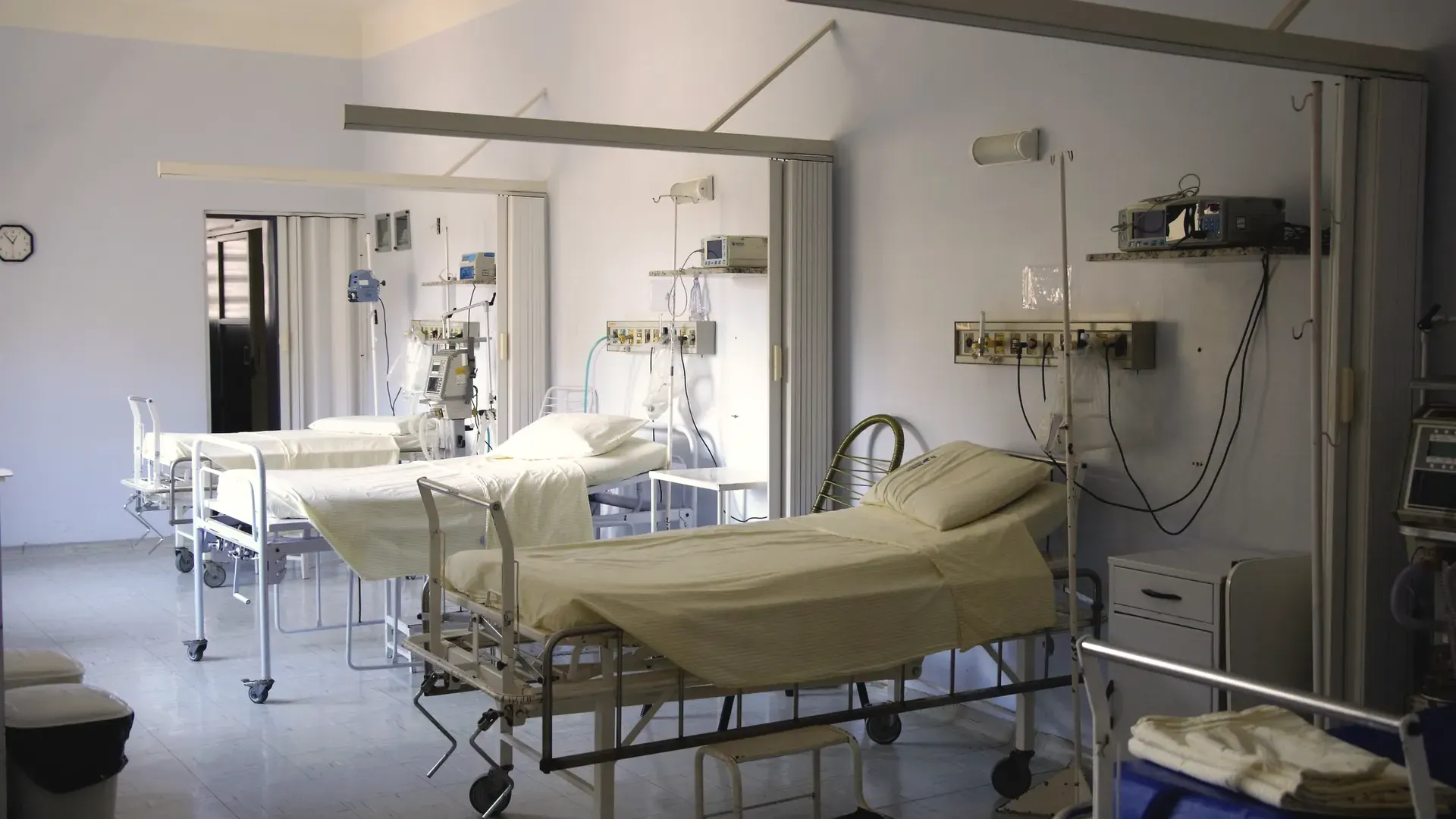
Yes. The immigration rules on extensions of stay have a separate item, 2.25, for receiving medical treatment, convalescence or taking care of a patient. The Royal Thai Police chapter on extensions of stay (undated; the latest order it lists is dated 30 March 2020) sets it out as follows, in our translation:
- Length: permission for no more than 90 days each time.
- The patient: the stay must be confirmed and requested by a physician of the hospital, or by a state-affiliated medical institution, that is giving the treatment, with details of the illness, the treatment period and the treating doctor's opinion that the illness is an obstacle to traveling.
- A carer: confirmed and requested by the treating hospital physician or state medical institution, or by an embassy or consulate.
Section 2.25 of the Tak immigration office's public handbook on extensions gives the practical side:
- Where: the immigration checkpoint in the area where you receive medical treatment, or the responsible office if there is none there, in person, Monday to Friday 08.30 to 16.30.
- Forms and documents: the passport and a copy, form TM.7 with a photo attached, the acknowledgment of penalties for a visa overstay, and the letter of confirmation and request for a temporary stay from the physician of the hospital or state medical institution providing the treatment.
- Fee: 1,900 baht. The handbook gives 60 minutes as the total time.
Which rules apply now. The Tak handbook (its printed publication date is 08/11/2019; the file was uploaded in July 2026) says it follows Royal Thai Police Order No. 327/2557. The Ayutthaya immigration office's compilation of current extension orders (latest order in it dated 24 June 2026) carries Immigration Bureau Order No. 12/2568 of 23 January 2025, whose item 2.25 repeats the same criteria and documents; the later orders in that compilation that we read amend other items, not 2.25. In our reading the rule is unchanged in substance, but ask the office before you go, and our guide to extending your stay covers the visit itself.

Can a family member stay on to care for a patient?
Yes, under the same item 2.25. The Tak handbook asks a carer for the same kind of letter from the treating physician, plus documents proving the relationship where the carer is part of the household, such as a marriage certificate, birth certificate or registration of child legitimation, attested by the embassy or consulate.
- Who can be a carer. The Royal Thai Police chapter names the father, mother, spouse, child, adopted child or spouse's child, and allows permission for no more than one other person besides them. The scanned copy of the 2025 order we read repeats the family list, but its carer number is not legible, so ask the office.
- Each person applies. The document lists are written for one applicant with his or her own passport and TM.7, so in our reading the patient and each carer file separately and each pays the fee.
If the patient is too ill to attend in person, ask the immigration office before the stay runs out how it wants the application made. For day-to-day care, see our guides to elderly and nursing care and living in Thailand with a disability.
What is the separate rule for Gulf and other listed nationals?
Item 2.25 has a second part for foreigners who entered for medical treatment without a visa under a Ministry of Interior notification. The Royal Thai Police chapter names nationals of Bahrain, Kuwait, Oman, Qatar, Saudi Arabia and the United Arab Emirates, and other countries the Ministry of Interior announces. For them, in our translation:
- Extensions of no more than 90 days each time, but no more than 1 year in total from the date of entry.
- The patient and carers must be confirmed and requested by a medical facility in Thailand on the Ministry of Public Health's list that is giving the treatment, or by the Ministry itself.
- Carers are the father, mother, spouse, child, adopted child, or other persons on a list signed by the patient, no more than 3 people.
The Tak handbook adds the documents: medical papers from the listed facility (an appointment, a medical certificate, or confirmation of admission), relationship documents for family carers, a contract or letter from the patient for others, the patient's signed list of carers, all attested by the embassy or a government agency of a Gulf Cooperation Council member, on the Affidavit of Support form translated into Thai or English. We did not read the Ministry of Interior notification itself, so check with the embassy whether your nationality is on it today.
Does the DTV cover medical treatment?
Yes. The e-Visa Medical Treatment page lists the soft power route, the Destination Thailand Visa, with medical treatment named alongside Muay Thai and Thai culinary training: multiple entry, valid 5 years, with funds of no less than 500,000 THB and a letter of appointment from the hospital or proof of a confirmed activity.
That suits someone with a course of treatment spread over several visits, such as staged dental or fertility care, who can show the funds. Stay length per entry and the extension rules are on our DTV visa guide, which tracks the changes to the DTV in 2026.
What should patients sort out before they fly?
- The hospital letter. Every route above starts with it. Ask the hospital for a letter of appointment with your name, the date, the purpose and an authorized signature, and keep the hospital's contact details: if treatment runs long, the same hospital writes the letter for an extension.
- Medicines. Check the rules for any medicines you carry; see bringing medication into Thailand.
- Cover and costs. Check what your policy pays abroad: travel insurance, health insurance and private vs public hospitals.
- Where to stay. Recovery often means weeks near the hospital. Serviced apartments are one option, and address reporting rules apply wherever you stay; see TM30 and 90-day reporting.
- Do not overstay. If treatment runs past your permitted stay, apply for the extension before it ends; our visa overstay guide sets out what an overstay costs.
Choosing where to be treated? Our medical tourism guide and the hospital guides for Bangkok, Phuket and Chiang Mai are the place to start.
Frequently asked questions
Yes. The Thai e-Visa site lists three ways in under Medical Treatment: a tourist visa for treatment of less than 60 days, a category for treatment of longer than 60 days, which the Royal Thai Embassy in Washington issues as a Non-Immigrant O visa (both single entry, valid 3 months), and the Destination Thailand Visa for Thai soft power activities including medical treatment (multiple entry, valid 5 years). Each asks for a letter of appointment from the hospital or medical center.
The Royal Thai Embassy in Washington says the tourist visa for medical treatment allows a stay of up to 60 days from the date of entry, with an extension of 30 days possible, for a maximum total stay of 90 days. The visa is single entry, valid 3 months from issue, and the embassy's fee is 40 US dollars.
The e-Visa site asks for no less than 20,000 baht for the tourist route and financial evidence covering medical fees and living expenses for the longer Non-O route. Embassies set their own figures: Washington asks for statements ending at least US$700 a month per person or US$2,000 per family for the tourist route, and at least US$4,000 for each month for the Non-O.
Yes, if the hospital supports it. Item 2.25 of the immigration extension rules allows up to 90 days at a time for medical treatment, convalescence or caring for a patient. The treating hospital doctor, or a state medical institution, has to confirm and request the stay and state the illness, the treatment period and the doctor's opinion that the illness prevents travel. The Tak immigration handbook prints a fee of 1,900 baht with form TM.7.
Yes. A carer can apply under the same item 2.25 with a letter from the treating hospital doctor or state medical institution, or from an embassy or consulate, plus documents proving the relationship. The Royal Thai Police chapter on extensions allows the father, mother, spouse, child, adopted child or spouse's child, and no more than one other person beyond them.
Not through the e-Visa system. The e-Visa site says you can only apply if you are currently not in Thailand. Once you are here, the route is an extension of stay at the immigration office in the area where you receive treatment.
Questions people asked here
Recovering in Thailand? Find a place near your hospital.
Browse condos and serviced homes listed by partnered agents, close to the hospital you are using.
Sources
- Thai e-Visa, Medical Treatment page (undated): medical treatment less than 60 days (single entry, validity 3 months, financial evidence of no less than 20,000 THB, letter of appointment from hospital/medical center), longer than 60 days (single entry, validity 3 months, financial evidence covering medical fees and living expenses), and Thai soft power activities incl. medical treatment (multiple entry, validity 5 years, no less than 500,000 THB) ↗Ministry of Foreign Affairs, Kingdom of Thailand · Accessed 22 November 2026
- Royal Thai Embassy, Washington D.C., Tourist Visa (Medical Treatment) (updated 27 Aug 2026): stay up to 60 days, extension of 30 days possible for a maximum of 90 days, single entry 40 USD valid 3 months, statements ending at least $700 each month per person or $2,000 per family, letter of appointment from the hospital ↗Royal Thai Embassy, Washington D.C. · Accessed 22 November 2026
- Royal Thai Embassy, Washington D.C., Non-Immigrant Type O Medical Treatment (updated 1 Jul 2026): treatment longer than 60 days, validity 90 days single entry, fee 80 USD, apply at least 30 working days before travel, statements ending no less than $4,000 each month, hospital letter of appointment with name, date and purpose ↗Royal Thai Embassy, Washington D.C. · Accessed 22 November 2026
- Tak Immigration, Public Handbook: Application for Extension of Stay under Royal Thai Police Order 327/2557 (PDF uploaded July 2026; handbook publication date printed 08/11/2019), section 2.25 medical treatment, rehabilitation or taking care of a patient: apply at the immigration checkpoint where the treatment is received, TM.7, physician's letter of confirmation and request, relationship documents for a carer, separate documents for nationals of Gulf states and other countries announced by the Ministry of Interior, fee 1,900 baht, 60 minutes ↗Tak Immigration, Immigration Bureau, Royal Thai Police · Accessed 22 November 2026
- Royal Thai Police, Chapter 8: Extension of stay and re-entry permits (Thai; undated, latest order listed dated 30 Mar 2563), item 25 medical treatment, convalescence or caring for a patient: up to 90 days each time, physician or state medical institution letter, carers (family plus no more than 1 other person), and for Gulf and other listed visa-exempt nationals up to 90 days each time and no more than 1 year in total with no more than 3 carers ↗Royal Thai Police · Accessed 22 November 2026
- Ayutthaya Immigration, compiled current extension-of-stay orders (Thai; undated compilation, latest order dated 24 Jun 2569), incl. Immigration Bureau Order 12/2568 of 23 Jan 2568 with item 2.25 on medical treatment, convalescence or caring for a patient; scanned tables partly illegible ↗Ayutthaya Immigration, Immigration Bureau, Royal Thai Police · Accessed 22 November 2026
Official primary sources are listed above with the date we last checked them. Thai rules, fees, thresholds and procedures change and can be applied differently by individual offices and embassies, confirm the current requirement with the responsible authority before relying on it. General information only, not legal, tax or medical advice. BAANLYY never takes paid placement in editorial content.