A pawnshop may charge at most 2 percent a month on the first 2,000 baht and 1.25 percent a month on the rest (Pawnshop Act B.E. 2505, section 17). The Government Pawnshop Office charges 0.25 to 1.25 percent a month and the Bangkok city pawnshops the same range in different bands. A pawn ticket lasts 4 months 30 days: pay the interest or redeem before then, or the item becomes the shop's. The shop must record your ID; the public pawnshops ask for a Thai ID card, so a foreigner should call ahead.
What the law calls a pawnshop
The law is the Pawnshop Act B.E. 2505 (1962). The Department of Provincial Administration hosts the Council of State consolidated Thai text (revision stamp 24 June 2013), whose notes list amendments No. 2 B.E. 2517, No. 3 B.E. 2526 and No. 4 B.E. 2534. In our reading of that text:
- Section 4, pawnshop. A place that, as a regular business, takes goods in pledge as security for loans of no more than 100,000 baht each. It also covers taking or buying goods on an agreement or understanding that they will be bought back later.
- Section 8, license. No one may open a pawnshop without a license. Under section 10 the Pawnshop Control Committee, chaired by the Permanent Secretary of the Interior, approves it and the licensing officer issues it; section 11 says the license runs to 31 December of the year of issue.
- Sections 12 and 16, signs. The shop must show a pawnshop sign at the front and post its interest rates in Thai where customers can see them inside.
- Section 18(1), hours. No pawning or redemption between 18:00 and 08:00.
The Department of Provincial Administration also publishes a plain-language summary of the Act. For lending between private people outside a pawnshop, see our guide to lending money and loan interest limits.
Private, state and city pawnshops
You will meet three kinds of pawnshop. All take your item and give you a numbered ticket; they differ in rates, hours and who runs them.
| Kind | Run by | What its own pages say |
|---|---|---|
| Private pawnshop (rong rap chamnam) | A business holding a license under the Act | Rates up to the section 17 ceiling, posted in Thai inside the shop |
| Government pawnshop (Sathan Thananukhro) | Government Pawnshop Office, Department of Social Development and Welfare | Home page: 48 branches nationwide (its branch list runs to branch 52, some marked opening soon); bring your original ID card; closed Sundays |
| Bangkok city pawnshop (Sathan Thananuban) | Bangkok Metropolitan Administration Pawnshop Office | 24 branches; Monday to Friday, 08:00 to 16:00 with no lunch closure |
| Municipal pawnshop outside Bangkok | Local governments | Rules on pawning, redemption, interest and sales set by the Local Government Pawnshop Management Committee |
Sources: Government Pawnshop Office home page, Bangkok Pawnshop Office "good to know" page (both undated, read 22 November 2026). The municipal row is from the Ministry of Interior regulation on local government pawnshops as amended by No. 2 B.E. 2568, signed 3 February 2025, whose clause 9(7), as replaced, gives the Local Government Pawnshop Management Committee, chaired by the Director-General of the Department of Local Administration, the power to set those rules; we found no current rate table for them, so read the rate board at the branch.
Interest: the ceiling and the public rates
The ceiling, section 17. A pawnshop may not ask for or take interest above 2 percent a month on principal up to 2,000 baht and 1.25 percent a month on the part of the principal above 2,000 baht. A part-month of up to 15 days counts as half a month; more than 15 days counts as a full month. Any other money or property the shop receives because of the pawn is treated as interest too, so a "service fee" counts toward the ceiling. Section 40 punishes over-charging with a fine of 1,000 to 20,000 baht, up to three months in prison, or both.
| Lender | Rates per month | Source |
|---|---|---|
| Legal ceiling, any pawnshop | 2% on the first 2,000 baht; 1.25% on the part above 2,000 baht | Act, section 17 |
| Government Pawnshop Office, all branches | up to 5,000 baht: 0.25%; 5,001 to 10,000: 0.75%; 10,001 to 20,000: 1%; 20,001 to 100,000: 1.25% | tgp.go.th interest page, in force from 1 February 2018 until changed |
| Bangkok city pawnshops | up to 5,000 baht: 0.25%; 5,001 to 15,000: 1%; over 15,000: 1.25% | BMA interest page, undated |
A worked example, 10,000 baht for three months. At the legal ceiling: 2% of 2,000 is 40 baht plus 1.25% of 8,000 is 100 baht, so 140 baht a month and 420 baht for three months. At the Government Pawnshop Office, 10,000 baht falls in the 0.75% band: 75 baht a month, 225 baht in all. At a Bangkok city pawnshop it falls in the 1% band: 100 baht a month, 300 baht in all. Applying one band rate to the whole loan is our reading of the two public tables, which give a rate per size of loan; ask the branch to confirm the sum before you sign.
The Bangkok page caps a pawn at 100,000 baht "per person" and says one person may pawn no more than 500,000 baht in total at one branch. Both public offices run temporary cuts from time to time (the Government Pawnshop Office posted a one-month interest-free measure for flood victims in October 2026), so check the current notice. Banks and card loans work differently: our Thai bank account guide covers the basics.
What to bring, and who can pawn
Section 18 bis (added in 1974) makes the shop write the details of the pawner's ID card clearly on the stub of the pawn ticket. If the pawner is not required by law to hold a Thai ID card, the shop records the details of a document showing the pawner's name and address instead. Section 24 gives the shop a reason to be careful: an item taken without that record must be returned to its true owner without the loan being repaid.
- Bangkok city pawnshops: anyone aged 15 or over who holds an ID card and is not a monk or novice (good to know page).
- Government Pawnshop Office: bring your original ID card with the item (home page); its pages also say it does not take registered property of any kind, such as land, houses, cars, motorcycles or guns.
- Any pawnshop, section 18(2) and (3): no pawns from monks, novices or children under 15, and no goods that are evidently used in government service or that officials have notified to the shop as lost property under section 21.
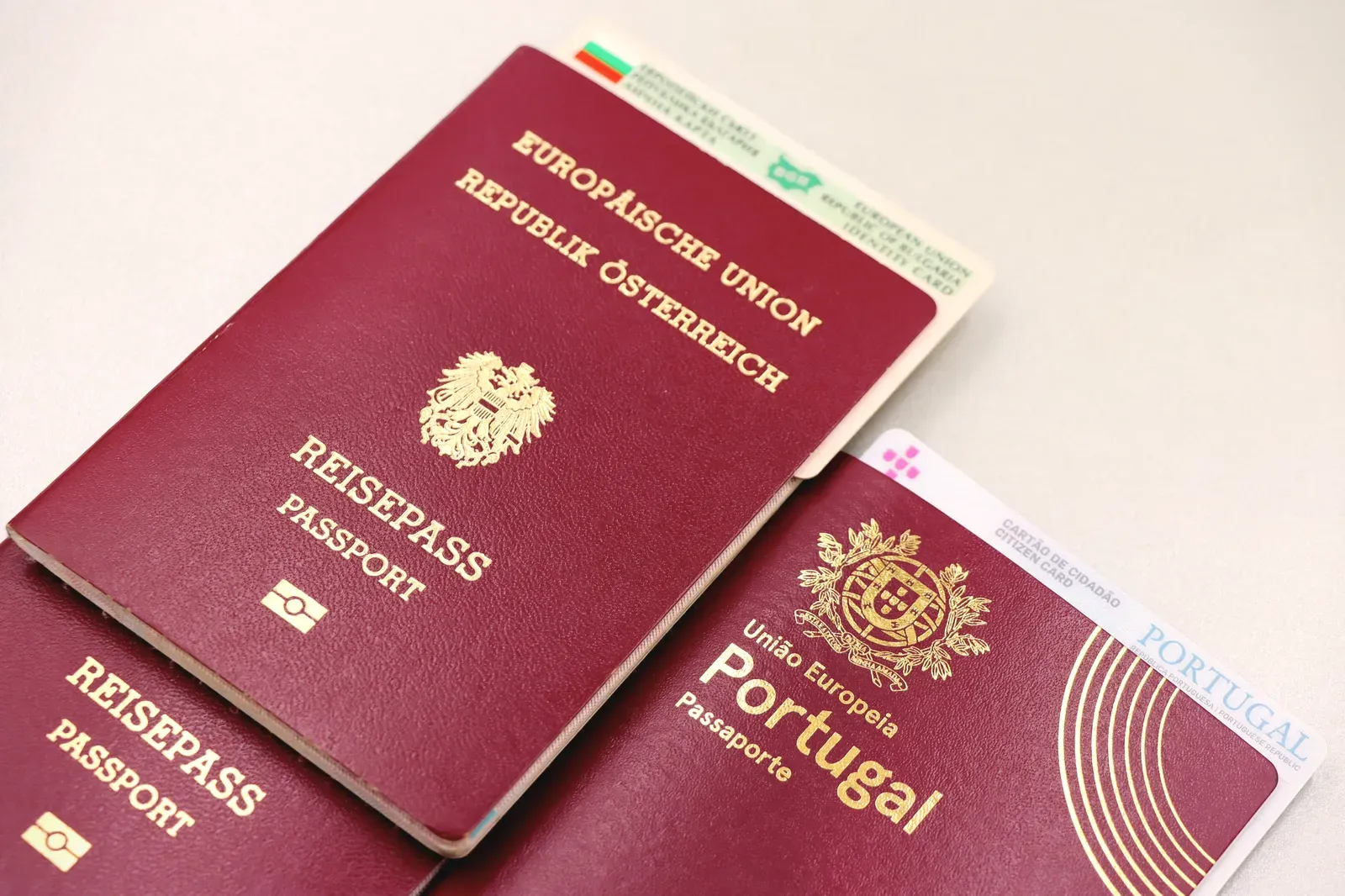
Foreigners. A foreigner is not required to hold a Thai ID card, so in our reading of section 18 bis a passport can be the name-and-address document the shop records. That is our reading, not a rule printed by either public pawnshop: their pages ask for a Thai ID card. Phone the branch first, and take your passport and any Thai residence document you hold. Our ATMs and cash guide covers other ways to raise cash quickly.
The ticket, paying interest and redemption
- Ticket (section 20). The shop must give you a pawn ticket and tag your item with the ticket's number. The form of the ticket is set by Ministerial Regulation.
- Period. Both public offices print that a ticket lasts 4 months 30 days. The Government Pawnshop Office counts it day to day and month to month from the ticket date, or from your last transaction, so paying the interest restarts the clock.
- Due on a weekend. The Bangkok pawnshops say that if the date falls on a Saturday, Sunday or public holiday, you come on the next working day with no extra interest. They also ask you to come on the date on the ticket, because coming later may cost more interest.
- Redeeming (section 22). The shop records the redeemer's ID details and the date, and the redeemer signs the stub.
- Forfeit (section 25). The shop lists items whose interest has been unpaid for more than four months, files the list with the licensing officer and posts it in the shop. Items not redeemed within 30 days of the posting, and not frozen by the officer, become the shop's property; section 26 makes the shop record that date on the stub.
The Bangkok Pawnshop Office's home page announced on 4 November 2026 that interest can now be paid at 7-Eleven stores through Counter Service. Keep the ticket somewhere safe; if you lose it, go to the branch with the ID you pawned with, since your details are on the stub.
Stolen goods and the police
The Act gives the police a direct line into every pawnshop. In our reading:
- Section 19. If there is reason to suspect an item came from an offense, the shop must tell the administrative officials or the local police at once.
- Section 21. When officials notify the shop of lost property, it must check its stock and hand over any matching or similar item, with a copy of the ticket.
- Section 23. The shop must refuse a redemption it has been told about, or where it suspects the item or the ticket came from an offense, and report it.
- Section 24. The shop must give the item back to its owner without charging the debt where it was evidently used in government service, had been notified as lost property under section 21, was taken knowing or with reason to know it came from an offense, or was taken without the section 18 bis ID record. The shop can still pursue the person who pawned it.
If your phone, laptop or gold is stolen, report it to the police and give the serial number or a photo: that notice is what sets sections 21 and 24 working. Our police complaint guide explains the report, and the lost and found property guide covers goods bought in good faith.

Forfeited goods and auctions
The Bangkok Pawnshop Office sells forfeited diamonds, gold, pink gold, silver, electrical goods and other items from its 24 branches every month. A committee sets a minimum price, then the goods go to a spoken auction on a Saturday or Sunday from 9:00, with bids rising at least 10 baht at a time (good to know page). Its auction FAQ says sales are held only on the third floor of the Gold Market Building, that bidders register online in advance and bring a Thai ID card to collect a paddle. Its home page listed sales on Saturday 14, 21 and 28 November 2026 from 9:00.
The owner of a forfeited item can buy it back from the Bangkok office at the loan amount plus 15 percent. Gold bought at auction is priced by weight like any Thai gold; our guide to buying gold in Thailand explains baht-weight and the 96.5% standard.
Complaints and changes to the law
The licensing officer is the place to complain about a private pawnshop: the Pawnshop Control Committee may suspend a license for up to three months or revoke it (section 29), and section 41 fines most breaches of the shop's duties, including the rate sign, the hours, the ticket and the stolen-goods rules, up to 2,000 baht. The 2024 review of the Act on law.go.th names the Director-General of the Department of Provincial Administration as the licensing officer in Bangkok and the provincial governor elsewhere. The Government Pawnshop Office has its own complaint page on tgp.go.th.
A draft, not law. The Department of Provincial Administration put a draft Pawnshop Act amendment out for comment from 26 August to 24 September 2025. Its stated aim is to rewrite the section 4 definition of a pawnshop and add a definition of pawn-taking, to make them clearer and wider. The consultation page gives no new interest rate or redemption period, and the Act in force is still the 1962 text above.
A practical checklist
- Compare first. A government or Bangkok city pawnshop usually costs less than a private shop near the ceiling.
- Read the rate board in the shop and work out the monthly sum on your loan before you hand over the item.
- Bring ID and, as a foreigner, phone ahead to ask whether a passport is accepted.
- Check the ticket: your item, the loan, the date and the number tagged on the item.
- Diary the date 4 months 30 days out, and pay the interest before it if you are not ready to redeem.
- Keep the ticket safe; if you lose it, go straight to the branch with your ID.
- Stolen item? Report it to the police with serial numbers so pawnshops can be notified.
Frequently asked questions
Section 17 of the Pawnshop Act B.E. 2505 caps it at 2 percent a month on the first 2,000 baht of the loan and 1.25 percent a month on the part above 2,000 baht. Up to 15 days counts as half a month and more than 15 days as a full month, and any other money the shop takes because of the pawn counts as interest. Charging more is an offense under section 40: a fine of 1,000 to 20,000 baht, up to three months in prison, or both. Government and Bangkok city pawnshops charge less than the cap, and far less on small loans.
The Government Pawnshop Office and the Bangkok city pawnshops both say a pawn ticket lasts 4 months 30 days. That matches section 25 of the Act: once interest is unpaid for more than four months, the shop files and posts a list of the items, and anything not redeemed within 30 days of the posting becomes the shop's property. Paying the interest before the date keeps the pawn alive; the state office counts the period from the ticket date or your last transaction.
Possibly, but check first. Section 18 bis of the Act makes the shop record the details of your Thai ID card on the ticket stub, and if the law does not require you to hold one, the details of a document showing your name and address instead. Our reading is that a passport can serve as that document for a foreigner, but the Bangkok city and state pawnshop pages ask for a Thai ID card and do not mention passports, so call the branch before you go.
Go to the branch that issued it as soon as you can, with the ID you pawned with. The shop recorded your ID details on the stub of the ticket when you pawned the item (section 18 bis), so it can find the pawn. Ask what the branch needs from you before it will let you redeem without the ticket.
Usually. The Government Pawnshop Office charges 0.25 percent a month up to 5,000 baht, 0.75 percent from 5,001 to 10,000 baht, 1 percent from 10,001 to 20,000 baht and 1.25 percent from 20,001 to 100,000 baht. The Bangkok city pawnshops charge 0.25 percent up to 5,000 baht, 1 percent from 5,001 to 15,000 baht and 1.25 percent above 15,000 baht. A private pawnshop may charge up to the legal ceiling of 2 percent a month on the first 2,000 baht and 1.25 percent on the rest, and must post its rates in Thai inside the shop.
Yes. The Bangkok city pawnshops sell forfeited diamonds, gold, silver, electrical goods and other items every month by spoken auction on a Saturday or Sunday from 9:00, on the third floor of the Gold Market Building, with online registration and a Thai ID card needed for a bidding paddle. The owner of a forfeited item can also buy it back at the loan amount plus 15 percent.
Settling in Thailand? Find a home that fits your budget.
Browse condos and houses listed by partnered agents, with plain-English guides to money, leases and the law beside every step.
Sources
- Pawnshop Act B.E. 2505 (1962), Office of the Council of State consolidated Thai text hosted by the Department of Provincial Administration (revision stamp 24 June 2013; notes list amendments No. 2 B.E. 2517, No. 3 B.E. 2526, No. 4 B.E. 2534): s.4 definition and the 100,000 baht limit, ss.8, 10, 11 license, ss.12 and 16 signs, s.17 interest ceiling, s.18 prohibited acts, s.18 bis ID record, ss.19 to 24 tickets, redemption and stolen goods, ss.25 and 26 forfeiture, s.29 suspension, ss.39 to 41 penalties ↗Office of the Council of State (copy hosted by the Department of Provincial Administration) · Accessed 22 November 2026
- Department of Provincial Administration, plain-language summary of the Pawnshop Act B.E. 2505 (undated): license applications considered by the Pawnshop Control Committee and issued by the licensing officer, Thai rate sign, ID record on the ticket stub, reporting suspect goods, the list of items with interest unpaid for over four months ↗Department of Provincial Administration · Accessed 22 November 2026
- law.go.th consultation on the draft Pawnshop Act amendment (No. ..) B.E. .... by the Department of Provincial Administration, round 1, 26 August to 24 September 2025: revise the section 4 definition of a pawnshop and add a definition of pawn-taking (a draft, not law) ↗Department of Provincial Administration (law.go.th) · Accessed 22 November 2026
- law.go.th review of how the Pawnshop Act B.E. 2505 works, round 2, 23 September to 23 October 2024: licensing officers (the Director-General of the Department of Provincial Administration in Bangkok, provincial governors elsewhere), Ministerial Regulations No. 1 to 6, the section 29 suspension power ↗Department of Provincial Administration (law.go.th) · Accessed 22 November 2026
- Government Pawnshop Office interest page (undated): same rates at every branch, 0.25 percent a month up to 5,000 baht, 0.75 percent 5,001 to 10,000, 1 percent 10,001 to 20,000, 1.25 percent 20,001 to 100,000, from 1 February 2018 until changed; ticket valid 4 months 30 days from the ticket date or last transaction; up to 15 days counted as half a month ↗Government Pawnshop Office, Department of Social Development and Welfare · Accessed 22 November 2026
- Government Pawnshop Office home page (undated; news to 19 November 2026): 48 branches nationwide, bring the original ID card, flood relief notice of October 2026, complaint page; items page: no registered property accepted ↗Government Pawnshop Office, Department of Social Development and Welfare · Accessed 22 November 2026
- Bangkok Metropolitan Administration Pawnshop Office interest page (undated): 0.25 percent a month up to 5,000 baht, 1 percent 5,001 to 15,000 baht, 1.25 percent over 15,000 baht; 100,000 baht limit per person and 500,000 baht in total per person at one branch ↗Bangkok Metropolitan Administration Pawnshop Office · Accessed 22 November 2026
- Bangkok Metropolitan Administration Pawnshop Office, good to know page (undated): who may pawn (15 or over, ID card, not a monk or novice), 24 branches, Monday to Friday 08:00 to 16:00, ticket valid 4 months 30 days, half-month and full-month interest, weekend due dates, buy-back at the loan plus 15 percent, monthly spoken auctions ↗Bangkok Metropolitan Administration Pawnshop Office · Accessed 22 November 2026
- Bangkok Metropolitan Administration Pawnshop Office auction FAQ (undated): sales only on the third floor of the Gold Market Building, online registration, ID card to collect a bidding paddle ↗Bangkok Metropolitan Administration Pawnshop Office · Accessed 22 November 2026
- Bangkok Metropolitan Administration Pawnshop Office home page (news to 4 November 2026): sales of forfeited goods on 14, 21 and 28 November 2026 from 09:00, interest payable at 7-Eleven through Counter Service ↗Bangkok Metropolitan Administration Pawnshop Office · Accessed 22 November 2026
- Ministry of Interior Regulation on promoting the pawnshop operations of local government organizations (No. 2) B.E. 2568, signed 3 February 2025, forwarded by Department of Local Administration letter of 7 February 2025 in a Nakhon Ratchasima provincial local administration office letter: clause 9(7) as replaced, the Local Government Pawnshop Management Committee (chaired by the Director-General of the Department of Local Administration) sets rules on pawning, redemption, sending interest and sale of forfeited goods ↗Nakhon Ratchasima Provincial Office for Local Administration · Accessed 22 November 2026
Official primary sources are listed above with the date we last checked them. Thai rules, fees, thresholds and procedures change and can be applied differently by individual offices and embassies, confirm the current requirement with the responsible authority before relying on it. General information only, not legal, tax or medical advice. BAANLYY never takes paid placement in editorial content.