Tests: a skin prick test gives results in about 15 to 20 minutes; a blood test (specific IgE) is the alternative when you cannot stop antihistamines or have had a severe reaction. Price: hospital packages read on 26 November 2026 ran from 2,500 baht (Bumrungrad, 10 inhalant allergens, doctor's fee extra) to 8,000 baht (Bangkok Hospital Headquarter ImmunoCAP blood profile). Before a skin test: stop antihistamines for 3 to 7 days, as your hospital tells you. Allergy shots: 2,200 to 3,700 baht at Bangkok Hospital Headquarter, 1,900 baht per dose at Khon Kaen Ram. Severe reaction: go to hospital immediately.
Which allergies do Thai hospitals test for most?
The inhalant allergens that Thai hospitals put on their standard panels give a fair picture of what they see. Bumrungrad's 16-test package splits them into:
- Indoor allergens: house dust mites, cockroach, animal dander and indoor molds.
- Outdoor allergens: grasses, weeds, tree pollens and outdoor molds.
BNH Hospital's 20-point panel names two types of dust mite, small and large cockroach, cat and dog dander, Bermuda and Timothy grass, ragweed, mugwort and lamb's quarters. Rajavej Chiang Mai's blood test page gives cow's milk, eggs, fish, peanuts and shrimp as examples on its food panel.
Bumrungrad's Allergy Center page lists the conditions it treats: hives, eczema and contact dermatitis; allergic rhinitis, chronic sinusitis, asthma and chronic cough, including pollution-induced symptoms; food, drug and eye allergies; and severe reactions (anaphylaxis) to foods or insect stings from bees, wasps, hornets and ants. Common symptoms on that page include sneezing, a blocked or runny nose, post-nasal drip, itchy watery eyes, dry itchy skin, chest tightness and breathing difficulty.
Our reading: if your symptoms got worse after moving into a new condo, the indoor panel (dust mites, cockroach, mold) is the one to ask about. Our mold and humidity guide covers the home side.
Skin prick, blood or patch test: which one do you need?
- Skin prick test: Bangkok Hospital Headquarter's allergy test page describes a small amount of each suspected allergen placed on the skin, which is then pricked without causing a wound; after 15 minutes a reaction looks like a mosquito bite. Bumrungrad calls it the standard test, with results within 20 minutes, and says its center tests over 100 allergen types in a single visit, for all ages including infants, with best accuracy after 6 months of age.
- Blood test (specific IgE, sometimes sold as RAST or ImmunoCAP): Bangkok Hospital Headquarter says it costs more and takes longer than the skin test and is done when the patient cannot take the skin test. Bumrungrad recommends it after anaphylaxis, with severe eczema, for infants, for people unable to stop antihistamines and for anyone at high risk of reacting during skin testing.
- Patch test: for contact dermatitis. Khon Kaen Ram Hospital's package list applies 29 common allergens to the back.
- Oral food challenge: Bangkok Hospital Headquarter's food allergy article calls it the gold standard for food allergy: you eat small, gradually increasing amounts of the suspected food under specialist supervision. It is used when skin or blood tests are inconclusive.
The same article warns against cutting out foods on the strength of a test result alone, without a true history of reacting to them, because that can lead to nutritional deficiencies. A positive test needs a doctor to read it against your symptoms.

What does an allergy test cost?
| Hospital | Test | Price | Conditions |
|---|---|---|---|
| Bumrungrad International Hospital, Bangkok | Skin prick test, 10 inhalant allergens | 2,500 baht | Doctor's fee extra; children at least 5 years old; valid until 31 Dec 2026 |
| Rajavej Chiang Mai Hospital | Blood test, 20 food or 20 airborne allergens | 2,900 baht each | Doctor's fee and hospital service charges included; aged 15 and above; no validity date printed |
| Vejthani Hospital, Bangkok | Skin test, 12 respiratory allergens | 3,000 baht | Doctor fee included; valid until 30 Nov 2026 |
| Khon Kaen Ram Hospital | Skin allergy test | from 3,300 baht | Starting price on the hospital's package list |
| Bumrungrad International Hospital, Bangkok | Skin prick test, 14 inhalant allergens plus 2 controls, or 16 food tests | 3,800 baht | Doctor's fee extra; valid until 31 Dec 2026 |
| Vejthani Hospital, Bangkok | Skin test, 9 food allergens | 3,900 baht | Doctor fee included; valid until 30 Nov 2026 |
| BNH Hospital, Bangkok | Skin prick test, 20 points (dust mites, cockroach, cat and dog dander, grasses and weeds) | 4,000 baht | Medical supplies, doctor's fee and hospital and nursing fees included |
| Rajavej Chiang Mai Hospital | Blood test, 107 allergens (91 allergen groups) | 4,500 baht | Doctor's fee included; aged 15 and above |
| Bangkok Hospital Headquarter | Blood test, specific IgE for foods | 5,000 baht (regular 6,410) or 5,500 baht | Two package cards on the allergy test page: to 13 Dec 2026 and to 31 Dec 2026 |
| Khon Kaen Ram Hospital | Patch test, 29 contact allergens | 6,900 baht | For contact dermatitis |
| Bangkok Hospital Headquarter | Allergen specific IgE profile (ImmunoCAP) blood test | 8,000 baht (regular 13,200) | Bought by 13 Dec 2026, used by 31 Mar 2027; Thai citizens and expatriates only |
- Doctor's fee: Bumrungrad's skin prick package includes the outpatient service and nursing fees but excludes the doctor's fee. BNH, Vejthani and Rajavej Chiang Mai include the doctor's fee in the package price.
- Who can buy: Bangkok Hospital Headquarter's ImmunoCAP package price is for Thai citizens and expatriates only, used at the Internal Medicine Clinic, 1st floor, Building D, and excludes extra specialist fees and any treatment or medicines prescribed.
- Short validity: Vejthani's package is valid until 30 November 2026; Bangkok Hospital Headquarter's online prices are valid until 13 December 2026. Ask for the current price before you go.
- Hives that keep coming back: Bangkok Hospital Headquarter also lists a chronic urticaria diagnosis package at 8,900 baht, to 31 December 2026.
Our reading: a 10 to 16 allergen skin prick panel covers the common inhalant triggers for most adults. Bigger blood panels cost more and are worth it mainly when a skin test is not possible.
How do you prepare for an allergy test?
- Stop antihistamines before a skin test: Bangkok Hospital Headquarter says to stop allergy medicines, such as antihistamines, cough medicine, cold medicine and anti-itch medicine, for 3 to 7 days depending on the medicine. Bumrungrad says 4 to 7 days. BNH and Vejthani say at least 7 days.
- Inhalers and nasal sprays: Bangkok Hospital Headquarter says you can keep using an inhaler or nasal spray until your appointment, and you can eat and drink before the test.
- Clear skin: Bumrungrad asks that the test area be free of active rashes or inflammation on the day.
- Blood tests are simpler: Rajavej Chiang Mai says its blood allergy test needs no fasting and no stopping of food, drinks or antihistamines, and asks you to wear a loose or short-sleeved shirt.
- Children: Bumrungrad's skin prick package is for adults and cooperative children at least 5 years old; Rajavej's blood test packages are for people aged 15 and above. For babies and younger children, ask the pediatric allergy clinic.
If you take any regular medicine, BNH asks you to consult your doctor before stopping anything. Our pharmacies and medicine guide covers buying antihistamines and other medicines locally.
What about asthma and a cough that will not go away?
Bangkok Hospital Headquarter's chronic cough article (updated 19 August 2026, marked as translated by AI) defines a chronic cough as one lasting more than 8 weeks and names allergic rhinitis with post-nasal drip, asthma and eosinophilic bronchitis as the most common causes. It says some people with asthma have only a cough (cough-variant asthma), typically at night, during exercise, after a cold or when exposed to dust, smoke, cold air or allergens.
- Warning signs that need urgent checks: coughing up blood, unexplained weight loss, persistent fever, unusually severe shortness of breath, chest pain, persistent hoarseness, difficulty swallowing and recurrent pneumonia.
- FeNO test: a single breath out measures airway inflammation; the article says a result above 25 ppb may point to cough-variant asthma or eosinophilic inflammation.
- Spirometry: the basic lung function test for airway narrowing, asthma and COPD.
- Nasal endoscopy and allergy tests: to look for allergic swelling, polyps and post-nasal drip, and to find the inhalant triggers.
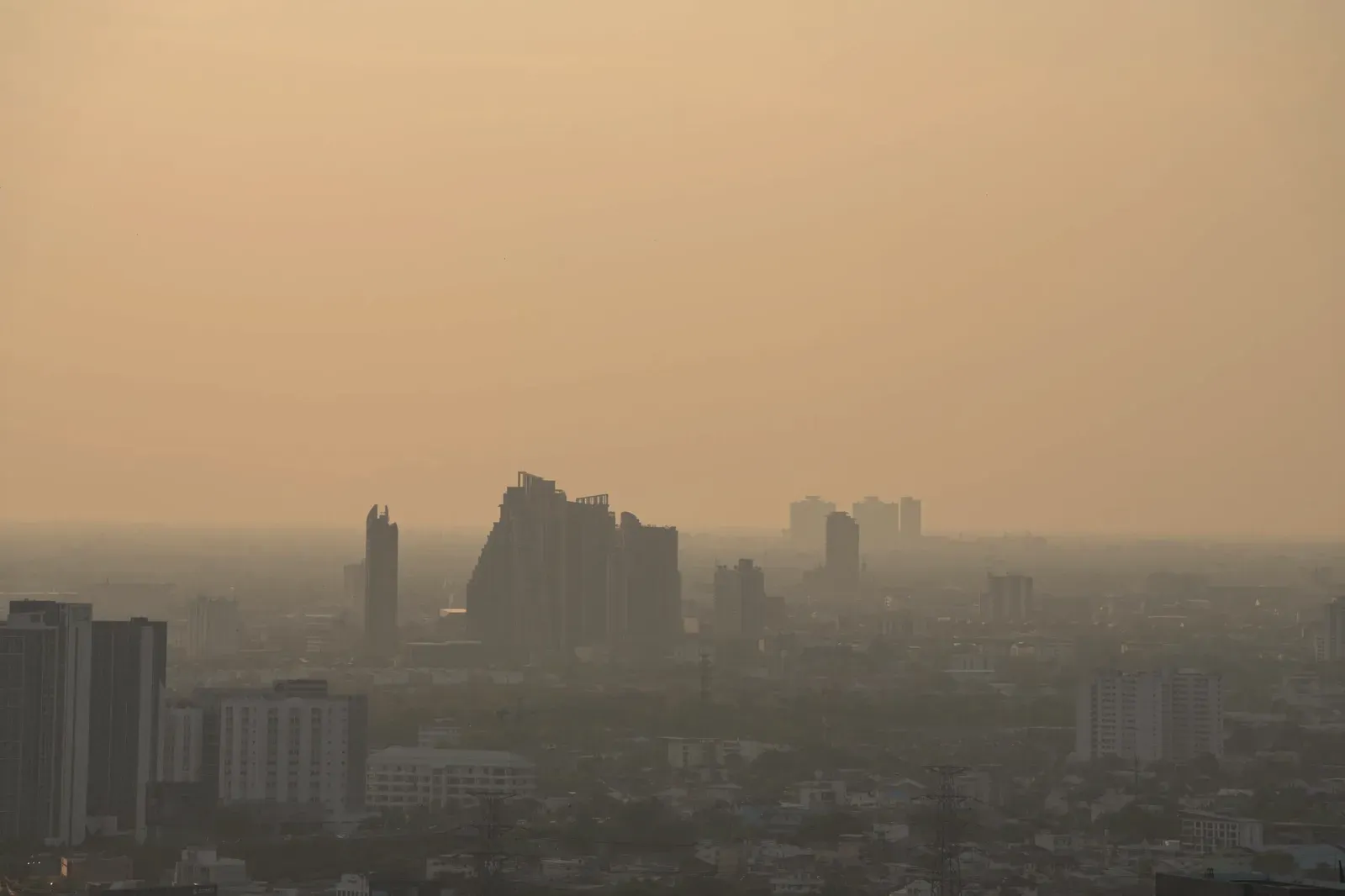
Bumrungrad's Allergy Center also lists spirometry, FeNO, and nasal, food, drug and exercise challenge tests. Smoke and haze season: both hospitals mention air pollution as a trigger. Our air quality guide covers the burning season and how to read PM2.5 numbers.
What treatment is available, and what do allergy shots cost?
- Medicines: Bumrungrad lists modern non-sedating antihistamines lasting 12 to 24 hours, steroid nasal sprays that reduce inflammation and congestion, and asthma inhalers that reduce flare-ups when used as prescribed.
- Allergen immunotherapy (allergy shots or drops): Bumrungrad describes it as a root-cause treatment given by injection or under the tongue, in increasing doses spaced weekly to monthly, for dust mites, pollen, pet dander, cockroach and insect venom. Bangkok Hospital Headquarter's chronic cough article calls it the only treatment that controls allergic rhinitis and asthma at the root cause.
- Prices: Bangkok Hospital Headquarter's immunotherapy packages cost 2,200 to 3,700 baht, including doctor and hospital fees, valid until 31 December 2026, for people with chronic allergic asthma, chronic allergic rhinitis or chronic allergic contact dermatitis; a doctor consultation is required first. Khon Kaen Ram Hospital lists allergen immunotherapy at 1,900 baht per dose.
- Biologics: Bumrungrad offers targeted biologic treatment for difficult-to-control asthma, atopic dermatitis, chronic hives, chronic sinusitis with nasal polyps, eosinophilic esophagitis and severe food allergy.
- Eczema: Bumrungrad lists salt-water wet wrap therapy with topical medicine for moderate to severe eczema in children and adults.
Our tip: immunotherapy runs for months, so ask for the full plan (number of doses, how often, total cost) and check what your health insurance pays for outpatient allergy care before you start.
Food allergy and severe reactions: what should you do?
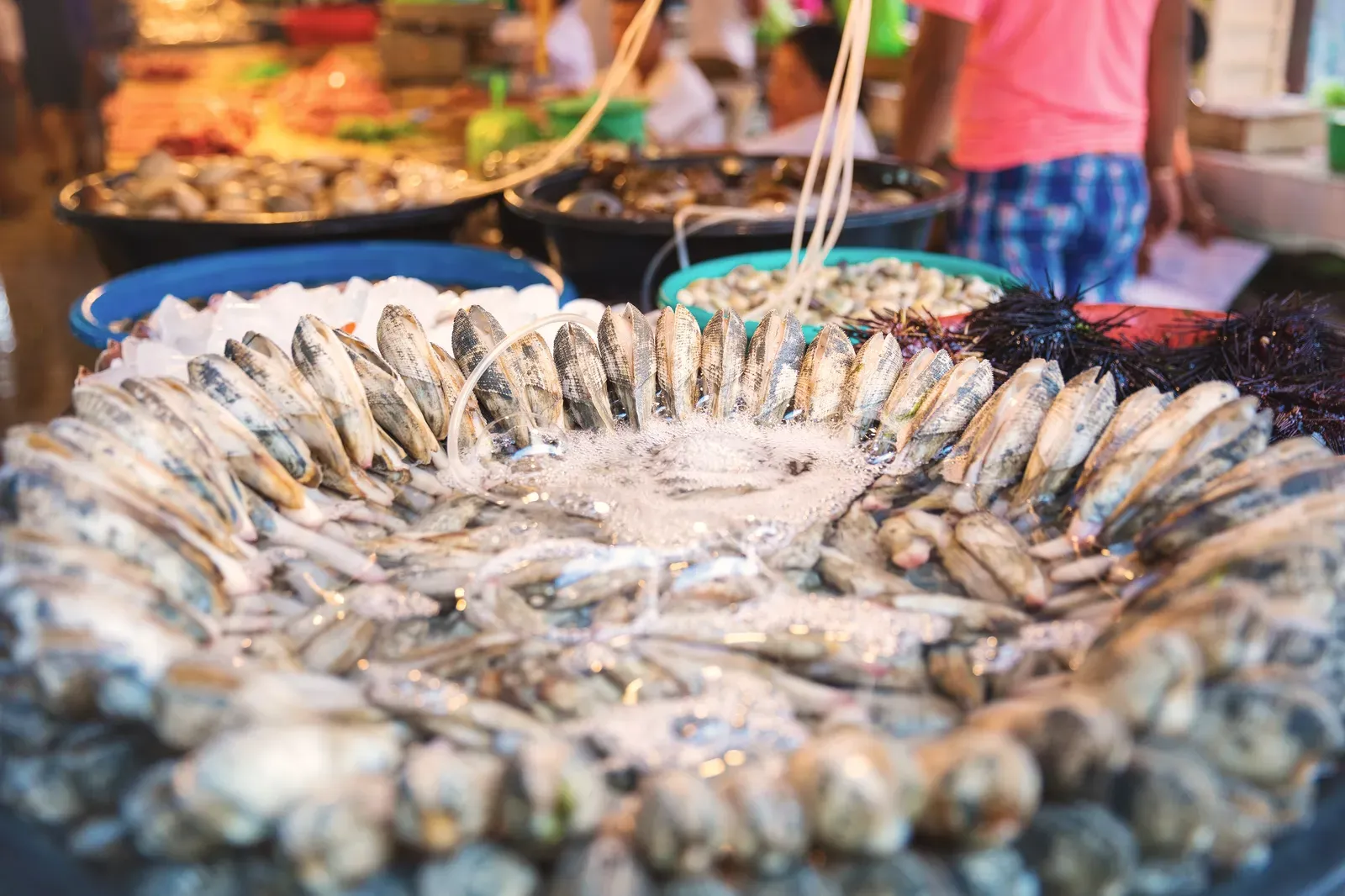
Bangkok Hospital Headquarter's adult food allergy article (updated 26 August 2026, marked as translated by AI) says a food allergy can start in adulthood, to a food you ate before without trouble, most often seafood, tree nuts, and fresh fruit and vegetables. Symptoms usually come within minutes of eating, or within 2 to 4 hours.
- Go to hospital immediately if you get hives all over the body, swelling of the lips, or symptoms in 2 or more body systems (skin, stomach, breathing, or dizziness from low blood pressure).
- Epinephrine: the article calls the epinephrine auto-injector the only primary medicine for anaphylaxis, to be carried at all times by people with a history of severe reactions or at high risk, under specialist guidance. Antihistamines relieve mild symptoms but cannot prevent or treat anaphylaxis.
- Cofactors: exercise within 1 to 4 hours of eating, NSAID painkillers such as aspirin, alcohol, illness, stress and lack of rest can trigger a reaction to a food you otherwise tolerate.
- Day to day: carry a food allergy card, keep a written anaphylaxis action plan, and tell restaurant staff about your allergy every time you eat out.
Our tip: carry your allergens written in Thai as well as English. If you bring an auto-injector or inhalers from home, read our bringing medication into Thailand guide first, and save the emergency numbers in your phone.
Where do you book?
- Bangkok Hospital Headquarter Bangkok Allergy and Asthma Center, 3rd floor, Building A: 8 am to 4.30 pm every day; (+66) 2310 3000 or 1719 (local mobile calls only).
- Bumrungrad International Hospital Allergy Center, Building A, 15th floor: daily 8:00 am to 8:00 pm; contact center +66 2066 8888 or 1378 (local calls only).
- Vejthani Hospital (allergy testing package): children at the Pediatrics Center, 3rd floor, 02-734-0000 ext. 3310; adults at the Internal Medicine Center, 1st floor, 02-734-0000 ext. 2200.
- BNH Hospital: book the skin prick package online through its M BRACE store, giving your preferred date and time.
- Rajavej Chiang Mai Hospital Health Checkup Department: open every day 08.00 to 16.00; 052-011999 ext. 111.
- Khon Kaen Ram Hospital: skin, patch and immunotherapy packages on its Allergies and Asthma package list.
For choosing a hospital in the first place, see our hospitals and healthcare guide and the international hospitals in Bangkok guide. Children with allergies or asthma: see our pediatric care guide.
Frequently asked questions
On 26 November 2026 hospital allergy test packages ran from 2,500 baht for a 10-allergen skin prick test at Bumrungrad to 8,000 baht for Bangkok Hospital Headquarter's ImmunoCAP blood test profile. In between: Rajavej Chiang Mai blood tests at 2,900 baht for 20 allergens, Vejthani skin tests at 3,000 to 3,900 baht, Khon Kaen Ram skin tests from 3,300 baht, Bumrungrad 16-test panels at 3,800 baht and BNH's 20-point skin prick test at 4,000 baht. Check whether the doctor's fee is included: at Bumrungrad it is not.
Bumrungrad calls the skin prick test the standard test, with results within 20 minutes, and recommends the blood test (specific IgE) for people who cannot have a skin test: a history of anaphylaxis, severe eczema, infants, people who cannot stop antihistamines or people at high risk of a reaction during skin testing. Bangkok Hospital Headquarter says the blood test costs more and takes longer and is used when the patient cannot take the skin test.
For a skin prick test, yes. Bangkok Hospital Headquarter says to stop allergy medicines such as antihistamines, cough and cold medicines for 3 to 7 days depending on the medicine, Bumrungrad says 4 to 7 days, and BNH and Vejthani ask for at least 7 days. Inhalers and nasal sprays can continue until the appointment at Bangkok Hospital. Rajavej Chiang Mai says its blood allergy test needs no fasting and no stopping antihistamines.
Bangkok Hospital Headquarter's allergen immunotherapy packages cost 2,200 to 3,700 baht, including doctor and hospital fees, after a required doctor consultation, valid until 31 December 2026. Khon Kaen Ram Hospital lists allergen immunotherapy at 1,900 baht per dose. Bumrungrad says doses are given by injection or under the tongue, spaced weekly to monthly, so the total depends on how many doses your doctor plans.
Bangkok Hospital Headquarter's food allergy article says to go to the hospital immediately if you get hives all over the body, swelling of the lips, or symptoms in 2 or more body systems, and that an epinephrine auto-injector is the only primary medicine for anaphylaxis: antihistamines relieve mild symptoms but cannot treat a severe reaction. Keep the emergency numbers and your nearest hospital's address saved before you need them.
Looking for a home that is easier on your allergies?
Browse condos and homes listed by partnered agents in Bangkok, Chiang Mai and beyond, and ask about air conditioning service, carpets and damp before you sign.
General information only, not medical advice. Prices, inclusions, conditions and descriptions are from each source's own pages as they showed on 26 November 2026 (Bangkok time). Hospitals change prices and terms without notice: confirm the price, what is included and who can buy it with the hospital, and talk to a doctor before you stop or start any medicine.
Sources
- Bangkok Hospital Headquarter, Bangkok Allergy and Asthma Center, Allergy Test page with its package cards (English, read 2026-11-26): skin prick test, reaction after 15 minutes similar to a mosquito bite, pricking does not cause any wound; Rast Test blood test costs more and takes longer, performed when the patient cannot take the skin test; stop antihistamine, cough medicine, cold medicine and antipruritic for 3-7 days before the test depending on the medicine; inhaler or nasal spray can continue until the appointment; can still eat and drink; package cards: Specific IgE Antibody For Foods Package 5,000 Baht (6,410 Baht, Expire Date 13 Dec 2026), Chronic Urticaria diagnosis package 8,900 Baht (Expire Date 31 Dec 2026), Allergen Specific IgE Profile (Immunocap) Package 8,000 Baht (13,200 Baht), Allergen Immunotherapy Packages 2,200 - 3,700 Baht, Specific IgE for Foods Allergen Package 5,500 Baht (Expire Date 31 Dec 2026); 3rd Floor, Building A, Mon-Thu 8 am. - 4.30 pm., Fri-Sun 8 am. - 4.30 pm.; (+66) 2310 3000, 1719 (local mobile calls only) ↗Bangkok Hospital Headquarter (BDMS) · Accessed 26 November 2026
- Bangkok Hospital Headquarter, Allergen Specific IgE Profile (Immunocap) Package online page (English, read 2026-11-26): 8,000 Baht, regular 13,200 Baht; usable 21 Nov 2026 - 31 Mar 2027; price valid until 13 Dec 2026; excludes doctor fees in case additional specialists are required; excludes treatment fees or medications prescribed by the doctors; Internal Medicine Clinic, 1st floor, D Building, every day 06:00 AM to 08:00 PM, Contact Center 1719; this price is for Thai citizens and expatriates only ↗Bangkok Hospital Headquarter (BDMS) · Accessed 26 November 2026
- Bangkok Hospital Headquarter, Allergen Immunotherapy Packages page (English, read 2026-11-26): 2,200 - 3,700 Baht; for people with chronic asthma caused by allergy, chronic allergic rhinitis, chronic allergic contact dermatitis; doctor consultation is required prior to receiving service; prices include doctor and hospital fees; cannot be combined with other discounts; valid until 31 December 2026 ↗Bangkok Hospital Headquarter (BDMS) · Accessed 26 November 2026
- Bangkok Hospital Headquarter, article: Chronic cough may be caused by allergic rhinitis, asthma, or bronchitis (English, marked Translated by AI, Updated on 19 Aug 2026, read 2026-11-26): chronic cough persists for more than 8 weeks; red flags: coughing up blood, unexplained weight loss, persistent fever, unusually severe shortness of breath, chest pain, persistent hoarseness, difficulty swallowing, recurrent pneumonia; cough-variant asthma: cough at night, during exercise, after a cold, with dust, smoke or cold air, with allergens; FeNO greater than 25 ppb may indicate cough-variant asthma or eosinophilic airway inflammation; spirometry for airway narrowing, asthma, COPD; nasal endoscopy; skin prick test or specific IgE blood test for inhalant allergens; allergen immunotherapy is the only treatment that helps control allergic rhinitis and asthma at the root cause (disease modification); air pollution named as a contributing factor ↗Bangkok Hospital Headquarter (BDMS) · Accessed 26 November 2026
- Bangkok Hospital Headquarter, article: Food Allergy in Adults (Adult-Onset Food Allergy) (English, marked Translated by AI, Updated on 26 Aug 2026, read 2026-11-26): symptoms within minutes or within 2 - 4 hours; commonly seafood, tree nuts, fresh vegetables and fruits; cofactors: exercise within 1 - 4 hours, NSAIDs such as aspirin, alcohol, infection or illness, stress and insufficient rest; hives all over the body, swelling of the lips, or symptoms involving 2 or more systems: go to the hospital immediately; oral food challenge is the gold standard; second-generation antihistamines cannot prevent or treat anaphylaxis; epinephrine auto-injector the only primary medication for treating anaphylaxis, carried at all times under specialist guidance; food allergy card, anaphylaxis action plan, inform restaurant staff every time you eat out; do not eliminate foods based on test results alone without a true history of reactions (nutritional deficiencies) ↗Bangkok Hospital Headquarter (BDMS) · Accessed 26 November 2026
- Bumrungrad International Hospital, Allergy Center page (English, Last modify September 30, 2026, read 2026-11-26): conditions: urticaria, eczema, contact dermatitis, allergic rhinitis, chronic sinusitis, asthma, chronic cough, pollution-induced symptoms, food, drug and eye allergies, anaphylaxis to food or insect venom (bee, wasp, hornet, ant); skin prick test results within 20 minutes, over 100 allergen types in a single visit, all ages including infants, best accuracy after 6 months of age, stop antihistamines 4-7 days before; specific IgE blood test for history of anaphylaxis, severe eczema, infants, patients unable to stop antihistamines, high risk of reaction; non-sedating antihistamines 12-24 hours, nasal corticosteroid sprays, asthma inhalers; immunotherapy via injections or sublingual doses spaced weekly to monthly for dust mites, pollen, pet dander, cockroach and insect venom; biologics for difficult-to-control asthma, atopic dermatitis, chronic urticaria, chronic sinusitis with nasal polyps, eosinophilic esophagitis, severe food allergy; wet wrap therapy; spirometry and FeNO; nasal, food, drug and exercise challenge testing; package cards: Skin Prick Test for Food Allergens 16 Tests 3,800, Skin Prick Test for Aero-allergens (Inhalants) 10 tests 2,500, Skin Prick Test for Aeroallergens (Inhalants) 16 tests 3,800; Building A, 15th floor, Daily 8:00 am to 8:00 pm; Contact Center +66 2066 8888 or 1378 (local call only) ↗Bumrungrad International Hospital · Accessed 26 November 2026
- Bumrungrad International Hospital, Skin Prick Test for Aeroallergens (Inhalants) 16 tests package page (English, read 2026-11-26): 3,800 THB; 14 aeroallergens plus 2 standard control sites (positive and negative); indoor: house dust mites, cockroach, animal dander, indoor molds; outdoor: grasses, weeds, tree pollens, outdoor molds; results within 15-20 minutes; includes outpatient service fee and nursing service fee; excludes doctor's fee; discontinue oral antihistamines for 4-7 days prior; test area free from active rashes or inflammation; children at least 5 years old and adults; prices valid until 31 December 2026; available 365 days from purchase ↗Bumrungrad International Hospital · Accessed 26 November 2026
- BNH Hospital, Skin Prick Test for Allergy 20 points, M BRACE online store page (English, no validity date printed, read 2026-11-26): 4,000 Baht, includes medical supplies, doctor's fee and hospital and nursing services fee; tests grass pollen, Bermuda grass, Timothy grass, ragweed, mugwort, lamb's quarters, dog dander, cat dander, two types of dust mites, small and large cockroach antigens; discontinue all allergy medications at least 7 days before; consult your doctor first if you have underlying conditions or take regular medication; results within 15-20 minutes ↗BNH Hospital (M BRACE) · Accessed 26 November 2026
- Vejthani Hospital, Allergy Testing Package page (English, read 2026-11-26): Respiratory Allergy Screening 12 Allergens 3,000 THB; Food Allergy Screening 9 Allergens 3,900 THB; refrain from antihistamines for at least 7 days; results 15 minutes after the skin test; includes doctor fee and hospital service charges; excludes take-home medication; valid until 30 November 2026; Pediatrics Center 3rd Floor 02-734-0000 ext. 3310, 3312, 3319; Internal Medicine Center 1st Floor 02-734-0000 ext. 2200, 2272 ↗Vejthani Hospital · Accessed 26 November 2026
- Rajavej Chiang Mai Hospital, Know Your Allergies with a Blood Allergy Test package page (English, no validity date printed, read 2026-11-26): Food Allergy Test 20 food allergens (cow's milk, eggs, fish, peanuts, shrimp) 2,900 THB; Airborne & Environmental Allergy Test 20 allergens 2,900 THB; Comprehensive Food & Airborne Allergy Test 107 allergens (91 allergen groups) 4,500 THB; fasting is not required, no need to avoid food, drinks or antihistamine medications; wear loose or short-sleeved clothing; prices include doctor's fees and hospital service charges; aged 15 years and above; Health Checkup Department, open every day 08.00 - 16.00, 052-011999 ext.111 ↗Rajavej Chiang Mai Hospital · Accessed 26 November 2026
- Khon Kaen Ram Hospital, Group Package: Allergies & Asthma list page (English, no validity date printed, read 2026-11-26): Skin Allergy Test starting price 3,300 THB; Allergen Immunotherapy 1,900 THB / dose; Patch Test 6,900 THB with 29 common allergens applied to the back for contact dermatitis ↗Khon Kaen Ram Hospital · Accessed 26 November 2026
Official primary sources are listed above with the date we last checked them. Thai rules, fees, thresholds and procedures change and can be applied differently by individual offices and embassies, confirm the current requirement with the responsible authority before relying on it. General information only, not legal, tax or medical advice. BAANLYY never takes paid placement in editorial content.