Bed bugs are not known to spread disease, but they are hard to get rid of. Look for signs, not bites: rusty stains, dark spots and pale shed skins in the mattress seams and bed frame. Thailand's Department of Medical Sciences says heat works (boil linens for at least 10 minutes, or a dryer at 60 C or more for at least 30 minutes) and that mosquito fogging does not. Buy insecticide with a wor-or-sor registration number on the label. In a rental, the lessor must hand over the home in a good state of repair and is liable for defects during the lease, while the tenant is liable for damage the tenant causes, so tell the landlord in writing the day you find them.
What are bed bugs, and are they dangerous?
Thailand's Department of Medical Sciences describes bed bugs (tua ruead) as wingless insects that come out to suck people's blood at night where they sleep, especially on beds and wherever people regularly rest. Someone who has been bitten feels itchy, with swelling, an allergic rash or inflamed skin.
| Question | What the source says | Source |
|---|---|---|
| What they look like | Small, flat, reddish-brown and wingless, 1mm to 7mm long | CDC |
| Disease | Not known to spread diseases to people; itching and loss of sleep, scratching can lead to a secondary skin infection, and allergic reactions are possible but rare | CDC |
| How long they survive unfed | They can live several months without a blood meal (CDC); typically they feed every 5 to 10 days and can survive several months to a year without feeding (EPA) | CDC, EPA |
| Where they are found | Anywhere in the world, including five-star hotels and resorts; how clean a place is does not determine whether they are present | CDC |
| The tropical species | The tropical bed bug, Cimex hemipterus, needs a higher average temperature than the common bed bug and is found in tropical and subtropical areas | EPA |
| How they spread | In the seams and folds of luggage, overnight bags, folded clothes, bedding and furniture; most people do not realize they are carrying them | CDC |
The point for a renter is that bed bugs are not a sign of a dirty home, and a tenant, a guest or the previous occupant can carry them in without knowing. That matters when it comes to who pays (section 05). For the other insects you will meet at home, see our guide to pest control in Thailand.
How do you tell if your room has bed bugs?
The EPA says bites on the skin are a poor indicator: bed bug bites can look like mosquito bites, rashes or hives, and some people do not react at all. The CDC adds that marks may take as long as 14 days to appear in some people, and may be random or in a straight line. So look for the bugs and what they leave behind.
| Sign | What it is |
|---|---|
| Rusty or reddish stains | On sheets or the mattress, from bed bugs being crushed |
| Dark spots about the size of a printed dot | Bed bug excrement, which may bleed into the fabric like a marker |
| Eggs and shed skins | Tiny (about 1mm) pale yellow eggs and the skins young bugs shed as they grow |
| Live bugs | Most often in the folds of the mattress and sheets |
| A sweet, musty odor | Listed by the CDC among the signs of an infestation |
Where to look. Around the bed, the EPA says they hide near the piping, seams and tags of the mattress and box spring, and in cracks on the bed frame and headboard. In a heavily infested room they also hide in the seams of chairs and couches, between cushions, in the folds of curtains, in drawer joints, in electrical outlets and appliances, under loose wallpaper and wall hangings, where the wall meets the ceiling, and even in the head of a screw. They are only about the width of a credit card, so if a crack will hold a card, it can hide a bed bug. The CDC says they can travel over 100 feet in a night but tend to live within 8 feet of where people sleep.
How to check (our suggestions, not an official method): strip the bed in daylight, shine a phone torch along every mattress seam and the corners of the base, look behind the headboard and inside the bedside drawers, and photograph anything you find next to a coin or a ruler. Other insects, such as carpet beetles, are easily mistaken for bed bugs, the EPA warns, so a clear photo helps a pest control company confirm what it is.
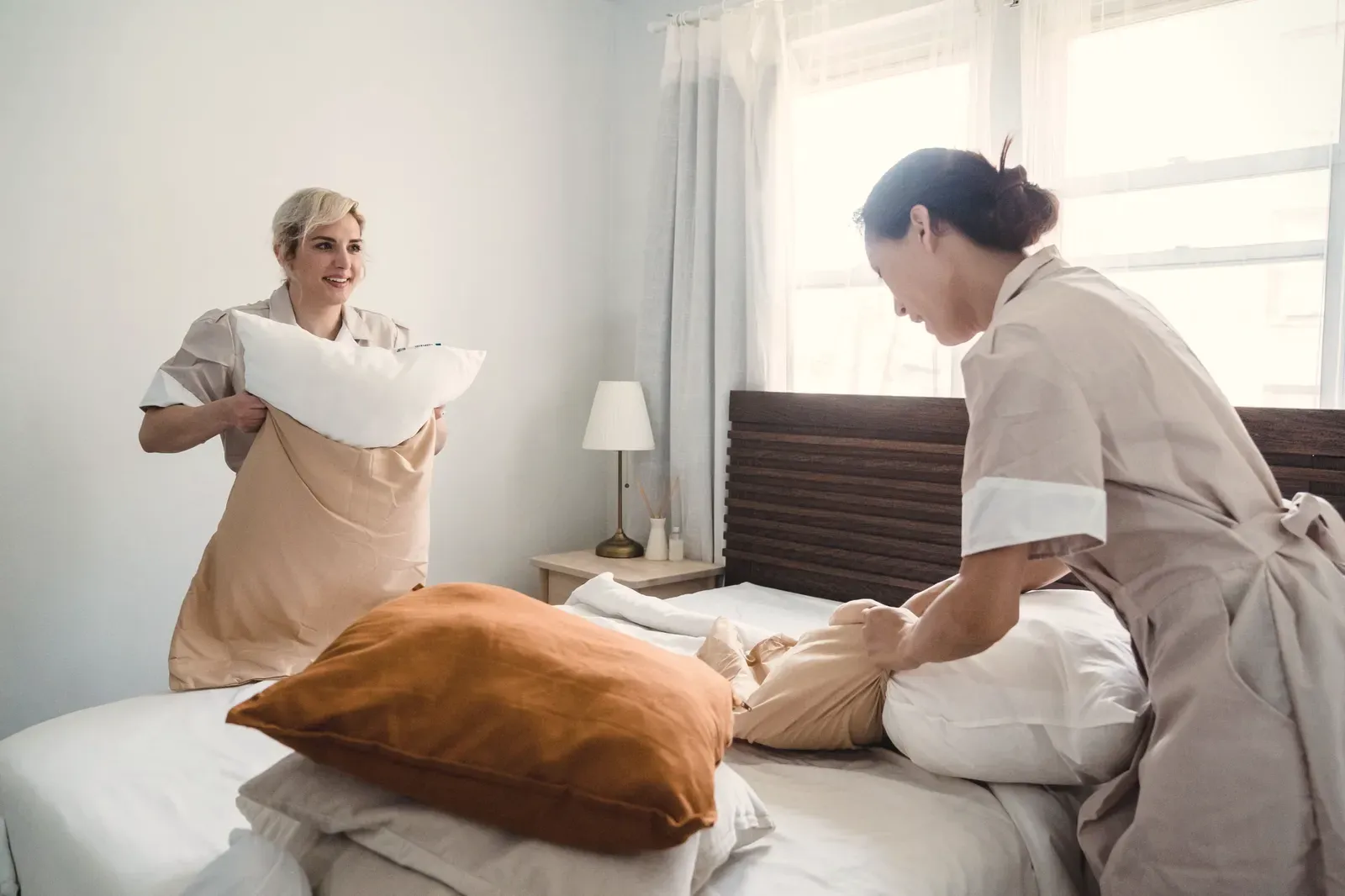
What does Thailand's Department of Medical Sciences say kills bed bugs?
The Department of Medical Sciences news of 23 November 2566 (2023) gives two methods, heat and chemicals:
| Method | What the department says |
|---|---|
| Boiling | Boil bed sheets, curtains, bedding and other items taken from a room where bed bugs were found in boiling water for at least 10 minutes |
| Clothes dryer | Dry at at least 60 C for at least 30 minutes |
| Steamer | Steam the places where bed bugs were found at at least 60 C, measured where the steam leaves the nozzle, within 2.5 cm of the tip |
| Room heater | Heat the room to above 50 C for at least 3 hours, or 60 C for at least 1 hour |
| Water-based spray | Insecticides mixed with water for spraying, such as imidacloprid or chlorfenapyr |
| Oil-based aerosol | Pressurized aerosol cans, oil formula, with 2 to 4 pyrethroid active ingredients mixed together, sprayed around your bag and its wheels when you get home from a trip |
| Where to spray | Into every crack and corner where bed bugs hide, or it will not work |
| What does not work | Thermal fogging with the insecticides commonly used against mosquitoes cannot get rid of bed bugs |
The EPA explains why heat works: bed bugs die when their body temperature reaches 45 C, so a room must be even hotter to make sure the heat reaches them wherever they hide. On whole-room heating the two sources differ in tone. The EPA's do-it-yourself page says not to try to kill bed bugs by raising the indoor temperature with a thermostat, a propane space heater or a fireplace, because it does not work and is dangerous, and that professionals have more intensive and proven methods that can treat whole houses with heat. In our reading, the room heater in the Department's list is a job for a pest control company with the right equipment, not a fan heater in a closed condo.
Which products are legal. Thailand's FDA consumer division (infographic dated 7 May 2568, 2025) says that household and public health products that suppress, prevent, control, repel or kill insects, other animals and rodents, where the active ingredient is a type 2 or type 3 hazardous substance, must show a registration number inside the FDA frame: the letters wor-or-sor (for a public health hazardous substance) followed by a number such as xx/xxxx. Type 1 products, such as an insect repellent whose active ingredient is citronella oil, show a notification number instead and no FDA frame. You can check a number on the FDA website or through its LINE account, and the FDA notes that a number shows the product is registered, not that its advertising is approved.
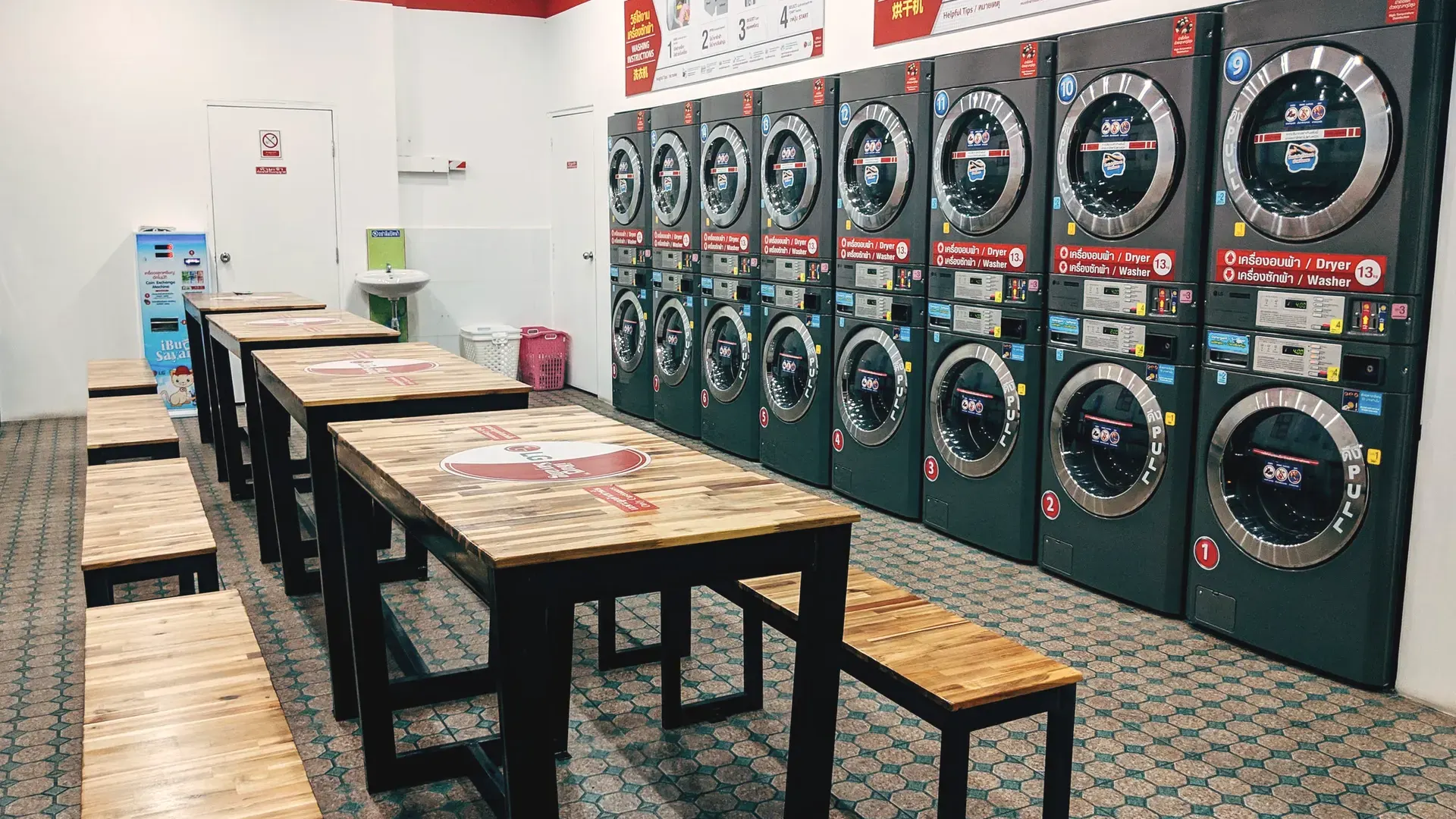
What can you do yourself, and when do you call a professional?
The EPA's do-it-yourself page says treating bed bugs is complex and can take weeks to months, and that success depends on how many there are, how much clutter gives them places to hide, whether the neighbors have them, and whether everyone in the home or building takes part. Its steps, in short:
- Identify the problem. Have the insect identified by an expert, and if it is a bed bug and you live in an apartment, notify your landlord; the units near yours should be inspected.
- Make a plan and keep records: the dates and exact places where you find bugs, and keep checking for at least a year after you finish.
- Stop the spread. Seal cracks with silicone caulk, put infested items in sealed plastic bags and treat them, leave items that cannot be treated sealed for up to a year, use mattress and box spring covers that seal, and vacuum, then seal the bag and put it in an outdoor bin straight away.
- Kill the bugs. A clothes dryer on high heat; a freezer only if it holds 0 F (about minus 18 C) for three days, with the items in a sealed bag and a thermometer to check; a steam cleaner of at least 130 F (about 54 C) with gentle airflow. Avoid rubbing alcohol, kerosene and gasoline, which can harm you and catch fire. Use foggers only with extreme care and never as the only method, because the spray does not reach the cracks where bed bugs hide. Do not use pool or food grade diatomaceous earth.
- Check again every few days after the first cleanup, and at least every 7 days after that, in case eggs remain. Interceptor cups under the bed legs catch bugs climbing up.
The CDC says that if you think you have an infestation, you should contact a professional pest control company experienced with bed bugs. When you hire one in Thailand (our suggestions, not an official list): ask whether it treats bed bugs specifically, not only termites and cockroaches; ask which method it uses (heat, spraying of cracks and seams, or both), how many visits are included and how far apart; get the products' names and registration numbers in writing; and ask what the company will not treat, such as electronics or your neighbor's unit. Our guide to pest control at home in Thailand covers hiring a service.
Bites. The CDC says bites usually do not need medical treatment: an antiseptic cream or lotion helps with itching, avoid scratching, and an antihistamine may help with itchy reactions. See a doctor if you think you are having an allergic reaction.
Who pays when a rented home has bed bugs?
The Civil and Commercial Code does not mention bed bugs or pests. What it has are the general duties of a lessor and a tenant in its chapter on hire of property, read here in the English translation on ThailandLawOnline (a private publisher; the Thai text is the law):
| Section | What it says |
|---|---|
| 546 | The lessor is bound to deliver the property hired in a good state of repair |
| 548 | If the property is delivered in a condition not suitable for the purpose for which it is let, the tenant may terminate the contract |
| 550 | The lessor is liable for defects which arise during the contract and must make all necessary repairs, except those which by law or custom are done by the tenant |
| 551 | For a defect that does not deprive the tenant of the use of the property and can be remedied, the tenant must first notify the lessor; if it is not made good within a reasonable time, the tenant may terminate if the defect is serious enough |
| 553 | The tenant must take as much care of the property as a person of ordinary prudence would of their own, and do ordinary maintenance and petty repairs |
| 557 | The tenant must inform the lessor forthwith when the property needs repairs by the lessor or a preventive measure is required to avoid a danger, and is liable for harm caused by the delay if they do not |
| 561 | With no written description of the property's condition signed by both parties, the tenant is presumed to have received it in good repair, unless they can prove otherwise |
| 562 | The tenant is liable for loss or damage caused by their own fault or that of people living with them, but not for damage from proper use |
Our reading, not legal advice and not a court ruling: whether an infestation counts as a "defect" under section 550 is not settled by the text itself. Evidence decides most disputes. Bugs found in the first days, in a furnished unit, with no sign in your own luggage or furniture, point toward section 546 and the owner. Bugs that appear months in, after you bought a second-hand sofa or came back from a trip, point toward section 562 and you. Because of section 561, a signed move-in condition record with photos of the mattress and bed frame is what lets you prove the home was not in good repair on day one.
What to do (our suggestions): send the landlord or agent a dated message with photos the day you find signs, as section 557 requires; ask for the pest control company's report and invoice in writing; keep receipts for laundry and anything you had to throw away; and do not leave furniture on the street. If your landlord rents homes out as a business, the 2025 consumer protection rules on residential leases also apply; our guide to tenant rights in Thailand explains them, and who pays for repairs in a Thai rental covers the wider split. In a condominium, tell the juristic office too, because bugs move between units; the condo pest control checklist explains what the office handles.
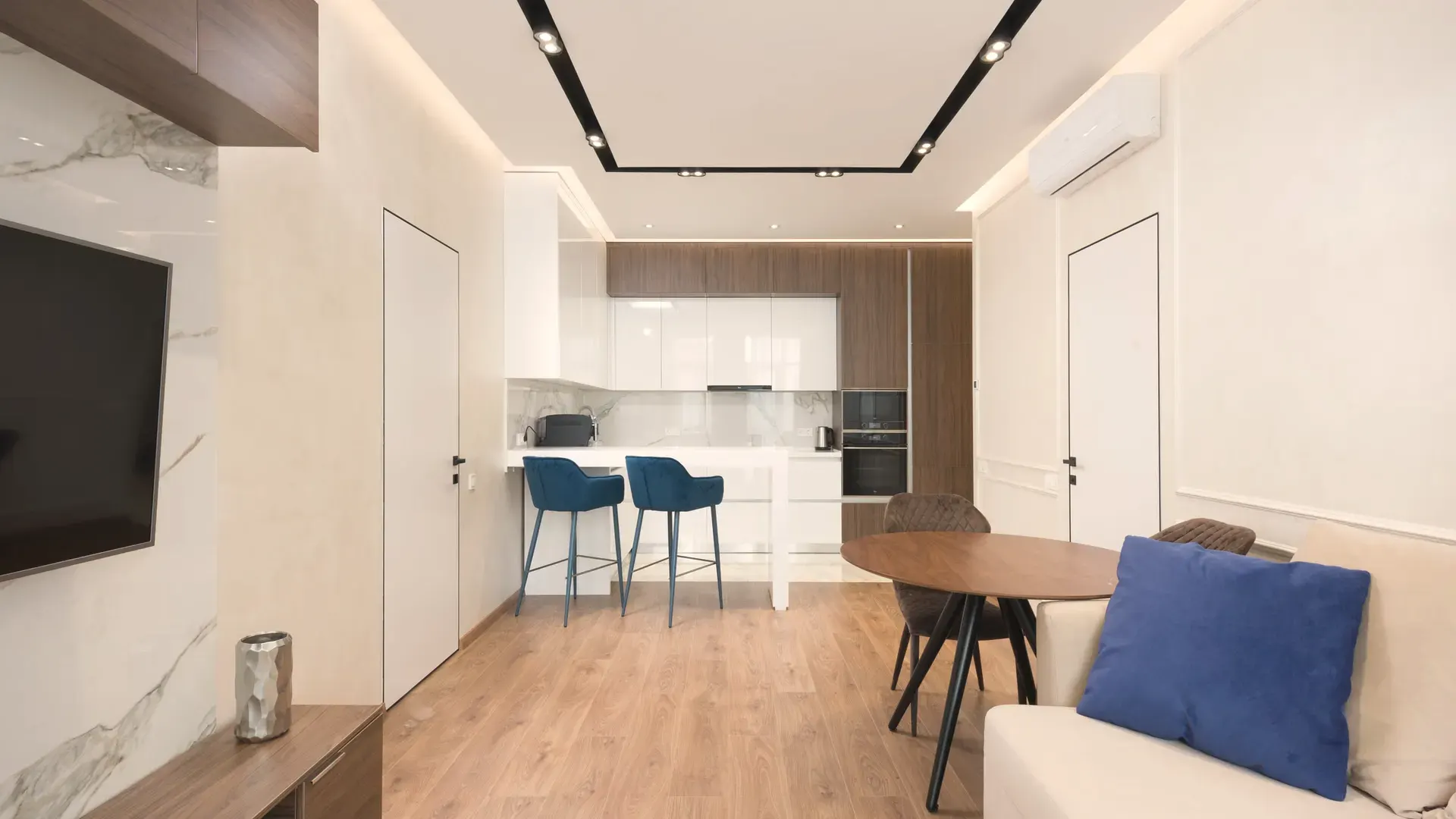
How do you keep bed bugs out when you move in, buy second-hand or travel?
The EPA calls bed bugs great hitchhikers that travel on furniture, bedding, luggage, boxes and clothing. Its precautions:
- Second-hand furniture: check beds, couches and other furniture for signs before you bring them home.
- Mattress covers: a protective cover that encases the mattress and box spring removes many hiding spots, and its light color makes bugs easier to see; buy one that resists tearing and check it for holes.
- Clutter and vacuuming: less clutter means fewer hiding places, and frequent vacuuming removes hitchhikers.
- Shared laundry: carry washing in plastic bags, take it from the dryer straight into a bag and fold it at home; a dryer on high heat can kill bed bugs.
- Apartments: fit door sweeps at the bottom of doors and seal cracks around baseboards and light sockets to discourage bugs from moving between units.
- Hotels: inspect the luggage rack in your room.
The Department of Medical Sciences adds one step for travelers: spray an oil-based aerosol with pyrethroids around your bag and its wheels when you get home. The CDC says people who travel often and share sleeping spaces where others have slept are at higher risk.
At a viewing or on move-in day (our suggestions, not an official list):
- Lift the mattress and check its seams and the bed base with a phone torch, especially in a furnished unit.
- Check the sofa seams and under the cushions.
- Ask whether the unit or building has had bed bugs and when it was last treated, and ask for the answer in writing.
- Photograph the mattress, bed frame and sofa for the condition record you both sign.
- Unpack carefully after a long trip or a hostel stay: wash and dry clothes hot before they go in the wardrobe.
Our property viewing checklist and laundry and dry cleaning guide cover the rest.

Frequently asked questions
Yes. The CDC says you can find bed bugs anywhere, from the Americas to Africa, Asia and Europe, including in five-star hotels and resorts, and that how clean a place is does not determine whether they are present. The EPA notes that the tropical bed bug, Cimex hemipterus, needs a higher average temperature than the common bed bug and is found in tropical and subtropical areas. Thailand's Department of Medical Sciences published advice on getting rid of them (in Thai, tua ruead) on 23 November 2023.
The CDC says bed bugs are not known to spread diseases to people. Their bites can cause itching and loss of sleep, scratching can lead to a secondary skin infection, and an allergic reaction is possible but rare. If you think you are having an allergic reaction to bites, see a doctor.
Bites alone are a poor guide: the EPA says bed bug bites can look like mosquito bites, rashes or hives, and some people do not react at all, and the CDC says marks can take as long as 14 days to appear. Look for physical signs instead: rusty or reddish stains on sheets or the mattress, dark spots about the size of a printed dot, tiny pale eggs and shed skins about 1 millimeter long, and live bugs in the seams, piping and tags of the mattress and in cracks in the bed frame and headboard.
No. Thailand's Department of Medical Sciences says thermal fogging with the insecticides commonly used against mosquitoes cannot get rid of bed bugs. Its advice is heat (boiling linens for at least 10 minutes, a dryer at 60 C or more for at least 30 minutes, a steamer at 60 C or more) and insecticide sprayed into every crack where they hide.
The Civil and Commercial Code does not name bed bugs, so it comes down to the general lease rules and your contract. Section 546 says the lessor must deliver the property in a good state of repair, and section 550 makes the lessor liable for defects that arise during the lease, except repairs that law or custom leaves to the tenant. Section 562 makes the tenant liable for damage caused by the tenant's own fault. In our reading, bugs that were there at move-in point to the owner, bugs carried in by the tenant point to the tenant, and in between it is a matter for the lease and for evidence. Tell the landlord in writing as soon as you find them; section 557 makes a tenant who delays liable for the harm the delay causes.
Thailand's FDA says household products that control or kill insects, where the active ingredient is a type 2 or type 3 hazardous substance, must show a registration number starting wor-or-sor inside the FDA frame on the label; you can check a number on the FDA website or its LINE account. The Department of Medical Sciences names water-based sprays with imidacloprid or chlorfenapyr, and oil-based aerosols that combine 2 to 4 pyrethroids. Follow the label, and spray into the cracks where the bugs hide, not into the air.
Possibly, but only on the lease rules. Section 548 lets a tenant terminate if the property was delivered in a condition not suitable for the purpose it was let for. For a defect that arises later, section 551 says the tenant must first ask the lessor to fix it, and may terminate only if it is not fixed within a reasonable time and is serious enough to justify that. Keep photos, dated messages and any pest control report, and read our guides to breaking a lease early and to tenant rights before you act.
The EPA suggests inspecting the hotel luggage rack, checking second-hand beds and sofas before bringing them home, and drying laundry on high heat. Thailand's Department of Medical Sciences suggests spraying an oil-based pyrethroid aerosol around your bag and its wheels after you get home. The CDC says bed bugs spread in the seams and folds of luggage, overnight bags, folded clothes, bedding and furniture.
Looking for a home you can check properly?
Browse homes listed by partnered agents, and look under the mattress before you sign.
General information only, not medical, legal or pest control advice. Treatment methods, product registrations and lease terms change and vary by building and contract. Follow the product label, ask a doctor about any reaction to bites, and take legal advice on a dispute with your landlord. BAANLYY never takes paid placement.
Sources
- Department of Medical Sciences, Ministry of Public Health, news dated 23 November 2566 (2023) recommending how to get rid of bed bugs (Thai): bed bugs as wingless insects that suck blood at night where people sleep; itching, swelling, allergic rash and inflamed skin; heat (boiling linens for at least 10 minutes, a dryer at least 60 C for at least 30 minutes, a steamer at least 60 C within 2.5 cm of the nozzle, a room heater above 50 C for at least 3 hours or 60 C for at least 1 hour); chemicals (water-based imidacloprid or chlorfenapyr, oil-based aerosols with 2 to 4 pyrethroids sprayed around bags and wheels after travel); spray every crack; thermal fogging with mosquito insecticides does not get rid of bed bugs ↗Department of Medical Sciences, Ministry of Public Health · Accessed 24 November 2026
- Thai Food and Drug Administration, consumer potential development division, infographic dated 7 May 2568 (2025) on which products carry the FDA mark (Thai): household and public health hazardous substances of type 2 or 3, including products that suppress, prevent, control, repel or kill insects, show a wor-or-sor registration number inside the FDA frame; type 1 products such as citronella oil repellents show a notification number without the frame; check numbers on the FDA website or LINE @FDATHAI; a number does not mean the advertising is approved ↗Food and Drug Administration, Ministry of Public Health · Accessed 24 November 2026
- US Environmental Protection Agency, How to Find Bed Bugs (last updated 8 September 2026): bites a poor indicator; signs (rusty or reddish stains, dark spots, eggs and shed skins about 1mm, live bugs); hiding places around the bed and in heavily infested rooms; the width of a credit card; feeding and life cycle; active down to 7 C and die at a body temperature of 45 C; the tropical bed bug Cimex hemipterus ↗US Environmental Protection Agency · Accessed 24 November 2026
- US Environmental Protection Agency, Do-it-yourself Bed Bug Control (last updated 10 August 2026): treatment can take weeks to months; identify, plan, keep the infestation from spreading, prepare, kill and evaluate; notify the landlord; records and checking for at least a year; sealing, bagging, encasements and vacuuming; dryer, freezer at 0 F for three days, steam of at least 130 F; do not heat a home with a thermostat, propane heater or fireplace; avoid alcohol, kerosene and gasoline; foggers only with extreme care; no pool or food grade diatomaceous earth; interceptor traps; inspect at least every 7 days ↗US Environmental Protection Agency · Accessed 24 November 2026
- US Environmental Protection Agency, Protecting Your Home from Bed Bugs (last updated 6 July 2026): bed bugs as hitchhikers on furniture, bedding, luggage, boxes and clothing; feeding every 5 to 10 days and surviving several months to a year unfed; checking second-hand furniture, encasements, less clutter, vacuuming, shared laundry in bags, door sweeps and sealing cracks in multi-family homes, inspecting the hotel luggage rack ↗US Environmental Protection Agency · Accessed 24 November 2026
- US Centers for Disease Control and Prevention, About Bed Bugs (page info as printed: published 15 May 2024, updated 7 October 2023, reviewed 26 April 2024): 1mm to 7mm, reddish-brown and wingless, live several months without a blood meal; not known to spread diseases; itching, loss of sleep, rare allergic reactions; found worldwide including five-star hotels; spread in luggage, clothes, bedding and furniture; travel over 100 feet in a night but tend to live within 8 feet of where people sleep; bite marks may take up to 14 days to appear; signs including a sweet musty odor; treating bites; contact a professional pest control company ↗US Centers for Disease Control and Prevention · Accessed 24 November 2026
- Civil and Commercial Code, Book III Title VI hire of property, sections 537 to 571, English translation published by ThailandLawOnline (a private publisher, not an official translation; the Thai text is the law): section 546 delivery in a good state of repair, 548 termination when delivered unfit for its purpose, 550 lessor liable for defects arising during the lease, 551 notice before termination for a remediable defect, 553 tenant's care and petty repairs, 557 tenant to inform the lessor forthwith, 561 presumption of good repair without a signed condition record, 562 tenant liable for damage caused by own fault ↗ThailandLawOnline (unofficial English translation) · Accessed 24 November 2026
Official primary sources are listed above with the date we last checked them. Thai rules, fees, thresholds and procedures change and can be applied differently by individual offices and embassies, confirm the current requirement with the responsible authority before relying on it. General information only, not legal, tax or medical advice. BAANLYY never takes paid placement in editorial content.