Halal certification in Thailand is run by the Central Islamic Council of Thailand (CICOT). Look for the word halal in Arabic inside a diamond, with the council's name below it and a product code starting CICOT.HL. CICOT counted 11,525 certificates covering 219,899 products on 23 November 2026, so packaged halal food is easy to buy. For restaurants and mosques near you, the free Halal Route app of Chulalongkorn University lists more than 1,100 restaurants, and Bangkok alone has 194 mosques on its Islamic Committee's list.
What does the official halal logo look like, and what does the code mean?
The CICOT announcement on the halal logo (No. 1 of 2559, announced 23 May 2016) sets out what the mark must show:
- the word halal written in Arabic (حلال);
- inside a rhombus, a diamond-shaped frame;
- with vertical stripes behind the frame and parallel lines below it;
- and the name of the Central Islamic Council of Thailand between those lines, in Thai, English, Arabic or another language.
The same announcement says only products that CICOT has audited and given a halal certificate may use the logo, and that every halal product has its own code issued by the CICOT office. The code is printed beside the logo in this pattern:
| Part | What it stands for |
|---|---|
| CICOT.HL | The certifier, the Central Islamic Council of Thailand |
| XX | Product code or group of products |
| XXX | Company code |
| XXX | Series or number of products |
| XX | Month of approval |
| XX | Year of approval |
A product that shares a brand name with a halal product but is not itself halal must, under the announcement, come in packaging of a clearly different color and style, so check the code on the pack you are holding, not the brand. CICOT's halal site links a Status Checking site for looking up products and manufacturers; it would not open for us on the day we checked, so ask the shop or maker for the certificate if you need certainty.
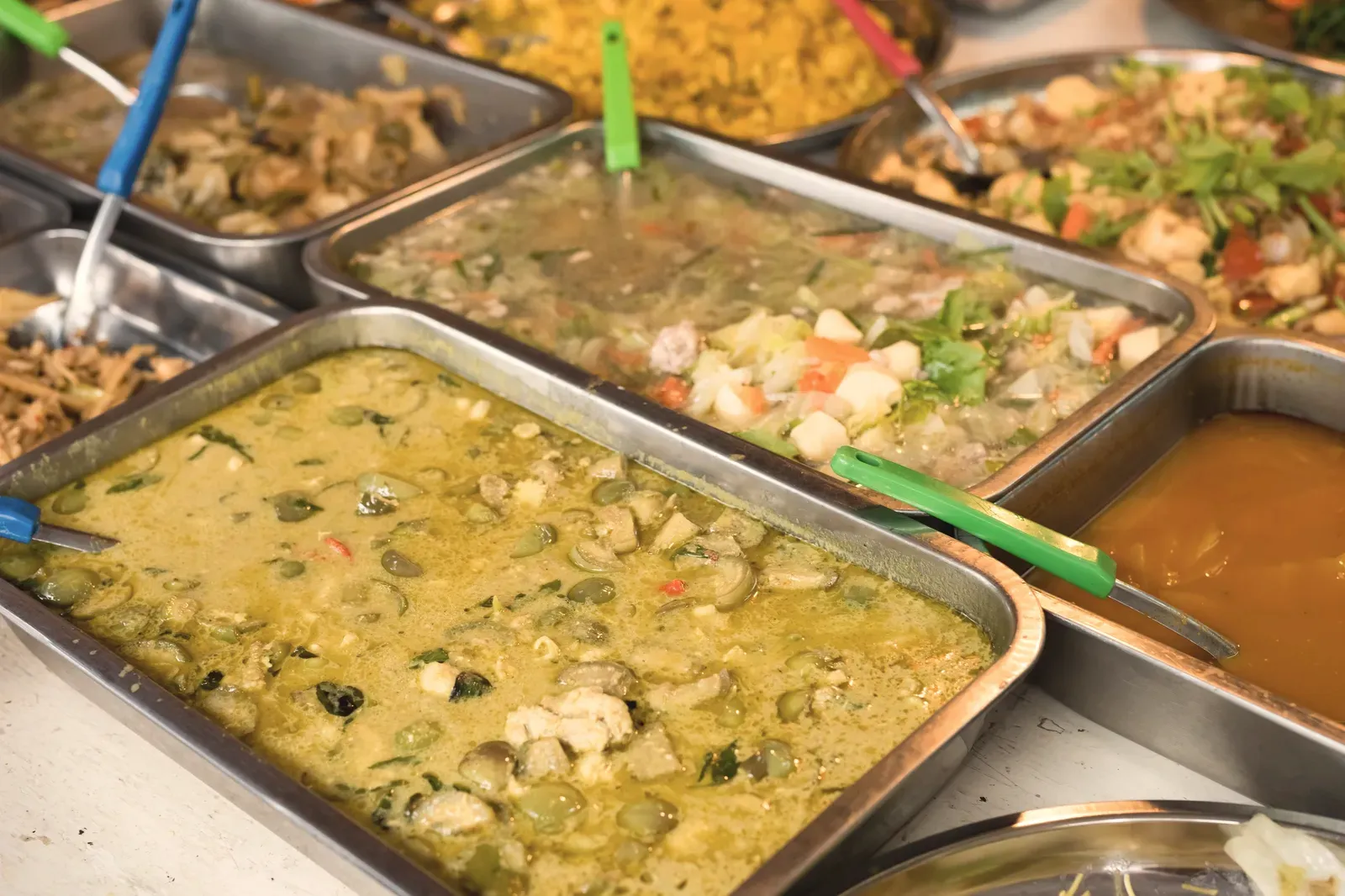
How much food in Thailand carries a halal certificate?
A lot. The CICOT halal site, in its update of 23 November 2026, gave these totals:
| What CICOT counts | Number |
|---|---|
| Certificates | 11,525 |
| Products | 219,899 |
| Brands | 19,322 |
| Companies | 7,831 |
| Factories | 5,273 |
That covers far more than meat. CICOT's rules certify finished food, ingredients, imported products, slaughter, and halal kitchens; its fee list in the 2016 announcement charges 500 baht per halal kitchen location and 500 baht per item of finished food. So look for the logo and code on everyday groceries as well as meat. Our grocery and supermarket guide covers where each chain sits.
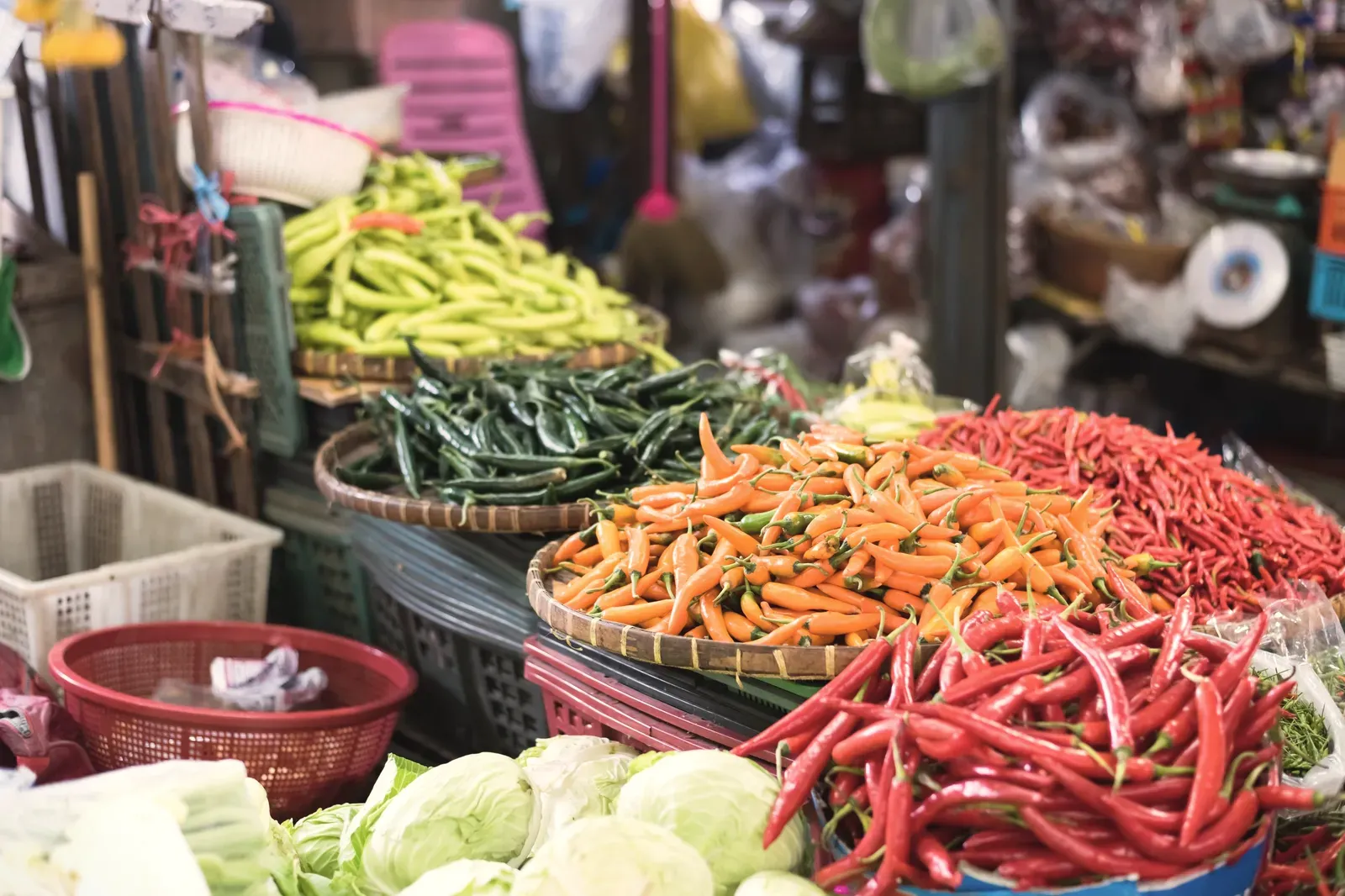
How do you find halal restaurants near you?
Start with an app that someone has checked. The Halal Route app, built by the Halal Science Center at Chulalongkorn University, lists halal restaurants, Muslim-friendly hotels, mosques, prayer directions and prayer times across Thailand. What the university says about it (article of 10 September 2024):
- More than 1,100 restaurants in its database, on six main routes through more than 40 provinces, from Bangkok north to Chiang Rai, east to Trat, and south to the Andaman coast and the three southern border provinces.
- The team says the restaurants and places in the app have had on-site visits and are checked against a religious body's certificate or the center's own HAL-Q system, and users can leave reviews.
- It works in Thai, English and Arabic, links each place to Google Maps, and is free on iOS and Android; you register with a phone number or email.
Beyond the app: in a restaurant, ask whether it has a CICOT halal kitchen certificate, since CICOT certifies kitchens by location. For ordering in, see food delivery apps in Thailand, and search each app for halal at your address. Thai food varies a lot by region; our regional food guide and street food guide help you order.
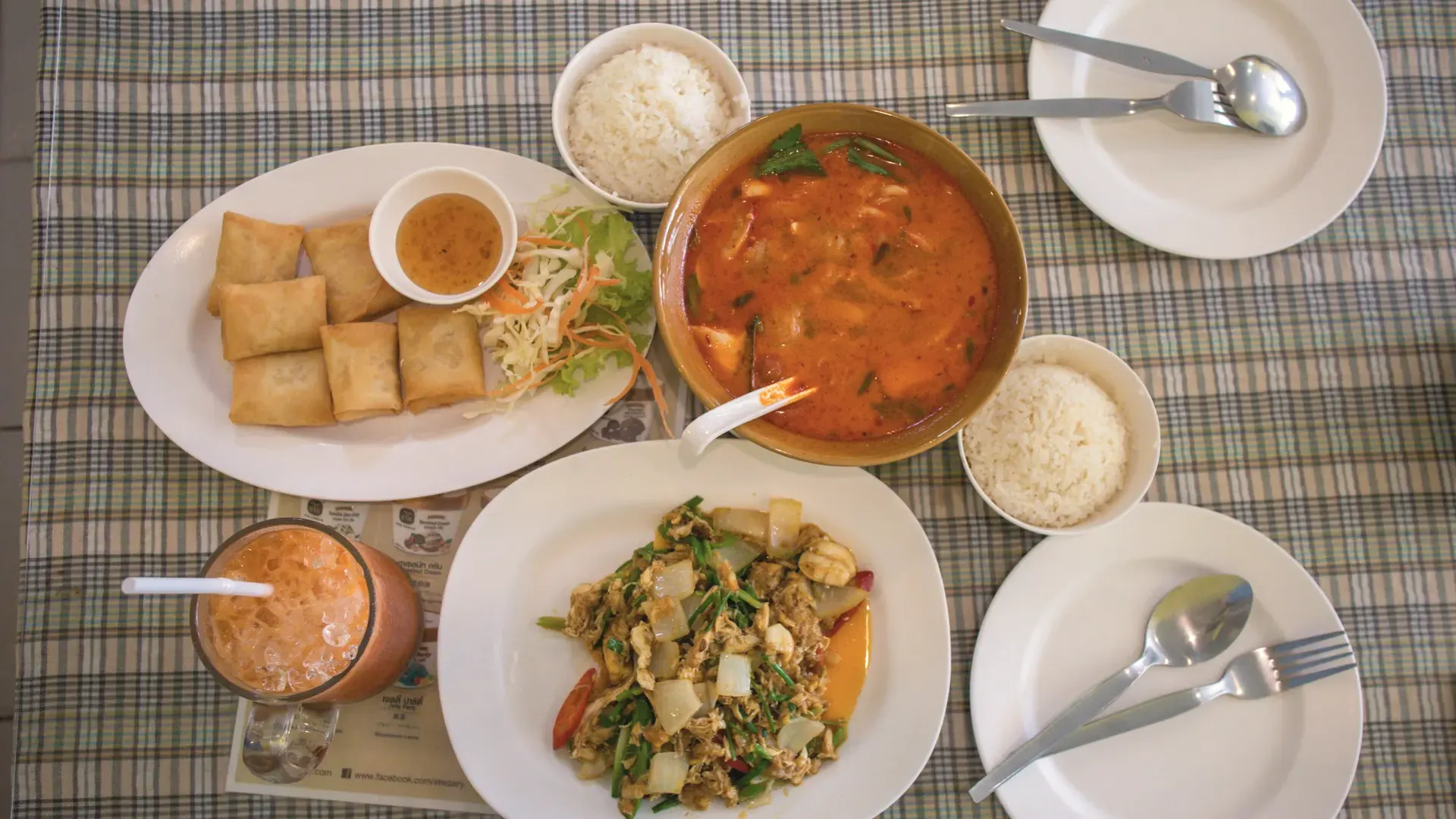
How do you find a mosque in Bangkok or another province?
Bangkok. The mosque list of the Islamic Committee of Bangkok showed 194 mosques when we read it, searchable by district and subdistrict, with a separate filter for mosques that are not registered. It includes the long-established mosques of central Bangkok, such as Ban U and Haroon in Bang Rak and Yawa in Sathon, and many in the eastern districts of Min Buri, Nong Chok, Khlong Sam Wa, Lat Krabang and Suan Luang. Our Bangkok faith communities page describes the main Muslim neighborhoods.
Everywhere else. The CICOT mosque directory is split into six regions, Central, Western, Eastern, Northeast, Northern and Southern, and can be searched by province and district; each entry gives the address. Some sections are short: the Northeast section listed 29 mosques when we read it. The Halal Route app's mosque map shows mosques near your location and other pinned places, with a qibla compass, a monthly prayer time table and the Islamic calendar.
Four southern provinces apply Islamic family and inheritance law inside court; our religions of Thailand guide explains who runs Islamic affairs and how. City pages for Hat Yai, Satun, Pattani and Krabi cover those areas.
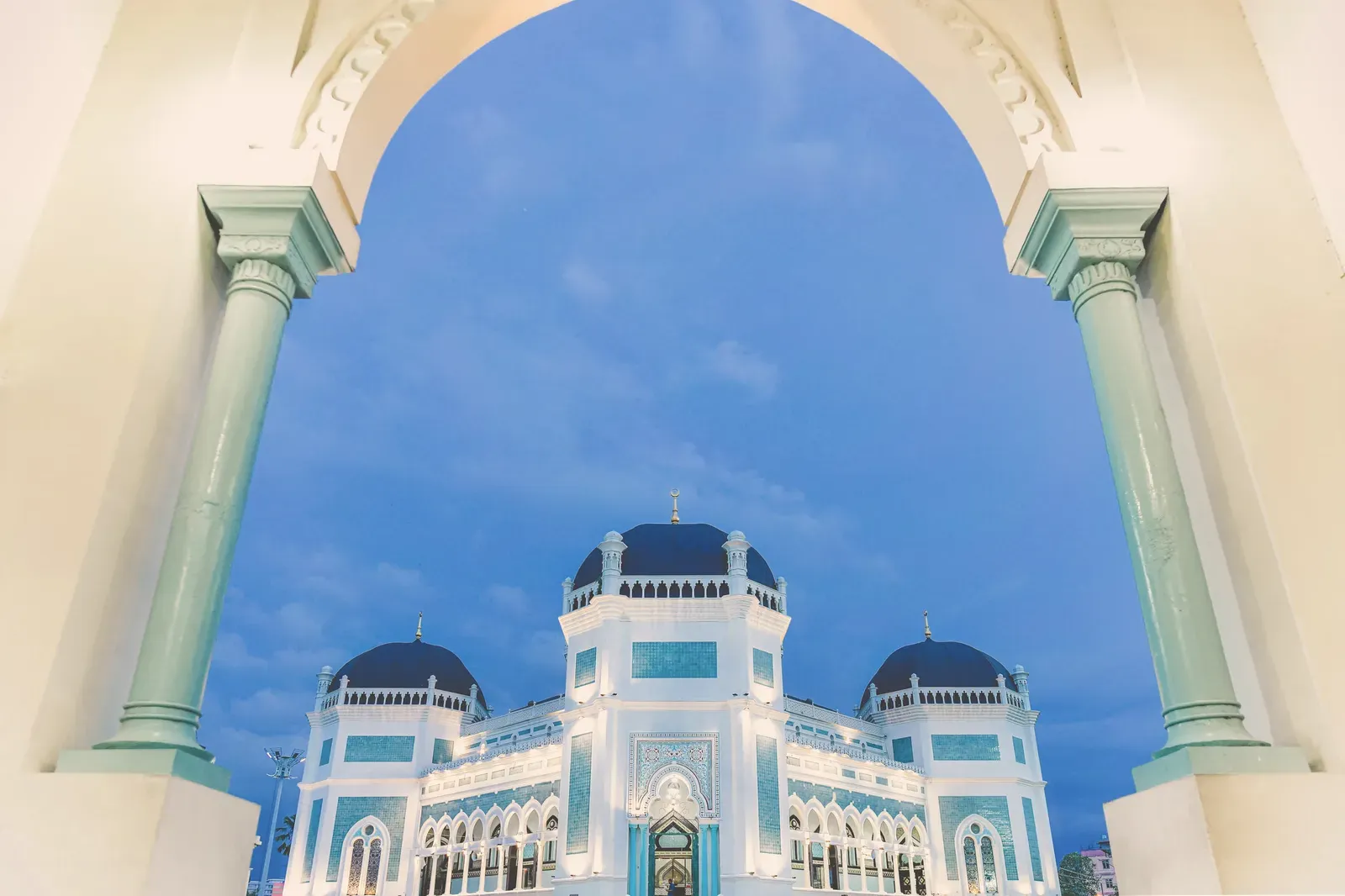
What should a Muslim household check before renting or buying?
- Map the nearest mosque first. Search the Bangkok list or the CICOT directory for the district, and check the walk or drive for Friday prayer.
- Check the food within reach. Open the Halal Route app at the address and look at what is within a short walk, and which supermarket branch is nearest.
- Ask about the kitchen. In a furnished rental, ask whether the cookware and fridge come with the unit, so you can decide before move-in whether to replace or clean them.
- Think about schools and Ramadan. If you have children, ask schools about halal lunches and prayer space; our international schools guide lists what to ask. For Ramadan, check what is open near home before dawn and at sunset.
When you have a shortlist, browse condos and houses for rent or sale by area and ask the partnered agent about the points above before you sign.
Frequently asked questions
For packaged food, yes. The Central Islamic Council of Thailand (CICOT) counted 11,525 halal certificates covering 219,899 products and 19,322 brands in its update of 23 November 2026, so many packaged foods carry the logo. For restaurants, the Halal Route app of Chulalongkorn University's Halal Science Center listed more than 1,100 restaurants in over 40 provinces when the university wrote about it.
CICOT's 2016 announcement describes it as the word halal written in Arabic inside a rhombus (a diamond), with vertical stripes behind the frame and parallel lines below it, and the name of the Central Islamic Council of Thailand written between the lines in Thai, English, Arabic or another language. Each product also carries its own code beginning CICOT.HL.
Read the code next to the logo. Under CICOT's rules every product has its own halal code issued by the CICOT office, written as CICOT.HL followed by groups of digits for the product group, the company, the series, and the month and year of approval. CICOT's halal site links a Status Checking site for looking up products and manufacturers; it would not open for us when we checked, so try it yourself or ask the shop for the certificate.
Yes. CICOT's fee list includes halal kitchens, at 500 baht per location, alongside products. A restaurant with a CICOT halal kitchen should be able to show its certificate. Many Muslim-run restaurants serve halal food without a CICOT certificate; whether that is enough is your own judgment.
The mosque list of the Islamic Committee of Bangkok showed 194 mosques when we read it, searchable by district. It includes long-established mosques in central Bangkok, such as Ban U and Haroon in Bang Rak and Yawa in Sathon, and many in the eastern districts of Min Buri, Nong Chok, Khlong Sam Wa and Lat Krabang.
Use the mosque directory of the Central Islamic Council of Thailand, which is split into six regions (Central, Western, Eastern, Northeast, Northern and Southern) and searchable by province and district, or the mosque map in the Halal Route app, which shows mosques near you and links to Google Maps.
Looking for a home near a mosque?
Browse condos and houses listed by partnered agents, and ask about the neighborhood before you sign.
Sources
- Central Islamic Council of Thailand (CICOT), halal.or.th home page (English, figures stamped Update 23 November 2026): 7,831 companies, 5,273 factories, 19,322 brands, 219,899 products and 11,525 halal certificates, with a link to a product Status Checking site ↗Central Islamic Council of Thailand (CICOT) · Accessed 24 November 2026
- Announcement of the Central Islamic Council of Thailand No. 1 (2559) on using the halal logo on products and packaging (English PDF, announced 23 May 2016): what the logo shows, only audited products may use it, the CICOT.HL product code, signs on shops and vehicles, and fees including 500 baht per halal kitchen location ↗Central Islamic Council of Thailand (CICOT) · Accessed 24 November 2026
- Central Islamic Council of Thailand, mosque directory (English): six regions (Central, Western, Eastern, Northeast, Northern, Southern), searchable by province and district; the Northeast section listed 29 mosques ↗Central Islamic Council of Thailand (CICOT) · Accessed 24 November 2026
- Office of the Islamic Committee of Bangkok, mosque list (Thai): 194 mosques, searchable by district and subdistrict, with a filter for unregistered mosques ↗Office of the Islamic Committee of Bangkok · Accessed 24 November 2026
- Chulalongkorn University, Halal Route Application article (English, 10 September 2024, page modified 29 April 2026): the Halal Science Center's free app listing halal restaurants, Muslim-friendly hotels, mosques, qibla and prayer times; more than 1,100 restaurants on six routes in more than 40 provinces; Thai, English and Arabic ↗Chulalongkorn University · Accessed 24 November 2026
Official primary sources are listed above with the date we last checked them. Thai rules, fees, thresholds and procedures change and can be applied differently by individual offices and embassies, confirm the current requirement with the responsible authority before relying on it. General information only, not legal, tax or medical advice. BAANLYY never takes paid placement in editorial content.