In 2026 the hot season ran from 22 February to mid-May, on the Thai Meteorological Department's own announcement. Watch the heat index, not just the thermometer: the Department of Health counts 42 degrees C and above as danger and 52 and above as extreme danger. Heat stroke means a body temperature above 40 degrees, hot red skin, confusion or collapse. Cool the person fast (shade, loosen clothes, cold wet cloths, a fan), turn them on their side if unconscious, and call 1669. The Department of Disease Control counted 127 heat stroke deaths from 2020 to 2024, 63 of them in 2024.
When is Thailand's hot season, and how hot is hot?
The Thai Meteorological Department (TMD) declares the season's start each year. Its announcement for 2026 (data date 20 February 2026) said Thailand had left the cool season and entered the hot season on 22 February 2026, as maximum temperatures in upper Thailand rose and the northeast monsoon gave way to southeasterly and southerly winds. It added that the north and northeast would still have cool mornings for a while, and that the hot season was expected to end around mid-May. TMD then declared the rainy season open from 15 May 2026.
The Department of Health's heat index notice of 2024 names March to May as the hottest stretch of every year, and says forecasts point to rising temperatures and longer spells of hot weather. TMD's own words for the heat are set out on its hot weather criteria page:
- Hot: a temperature of 35.0 to 39.9 degrees C.
- Very hot: 40.0 degrees C and above.
When a TMD forecast says "very hot", that is what it means. TMD's hotline is 1182. For month-by-month normals, which cities run hottest in April and why the nights barely cool, see our weather and seasons guide. The 2027 hot season had not been announced when we checked on 23 November 2026.
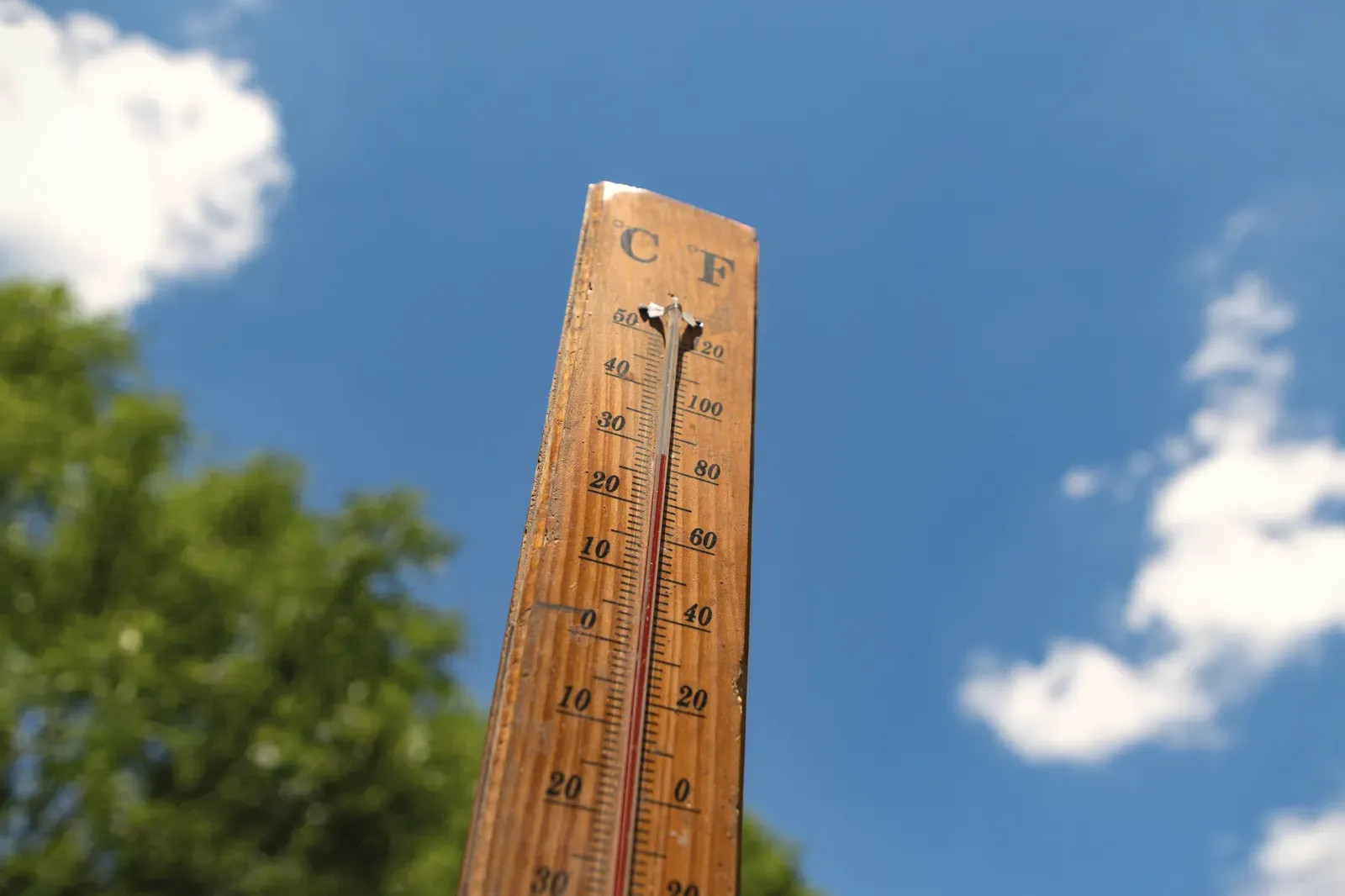
What is the heat index, and what do the four levels mean?
The thermometer tells you the air temperature. The heat index tells you how hot it feels. The Department of Health notice defines it as a value calculated from air temperature and relative humidity, the temperature people actually feel at that moment, and uses it as the country's signal for heat risk to health. It replaced an earlier notice dated 28 March 2019. On a sticky April afternoon the heat index can sit well above the temperature on the forecast.
| Level | Heat index | What the notice says prolonged outdoor exposure can cause |
|---|---|---|
| Watch (green) | 27.0 to 32.9 degrees C | Early symptoms such as tiredness, headache, heat rash, heat swelling and aches, which can lead to heat cramps |
| Warning (yellow) | 33.0 to 41.9 degrees C | A risk of heat cramps and heat exhaustion, which may lead on to heat stroke |
| Danger (orange) | 42.0 to 51.9 degrees C | Heat cramps and heat exhaustion, and a higher risk of heat stroke with continued exposure |
| Extreme danger (red) | 52 degrees C and above | A very high risk of heat stroke with continued exposure |
The notice credits the level table to the Philippines' weather agency, PAGASA, and its heat index chart to the United States' NOAA. It also warns that heat illness can strike suddenly, without the milder stages first. Our reading for daily life: a yellow day is a day to plan around, an orange day is a day to keep strenuous outdoor work and exercise short, and a red day is a day to stay in the cool if you possibly can.
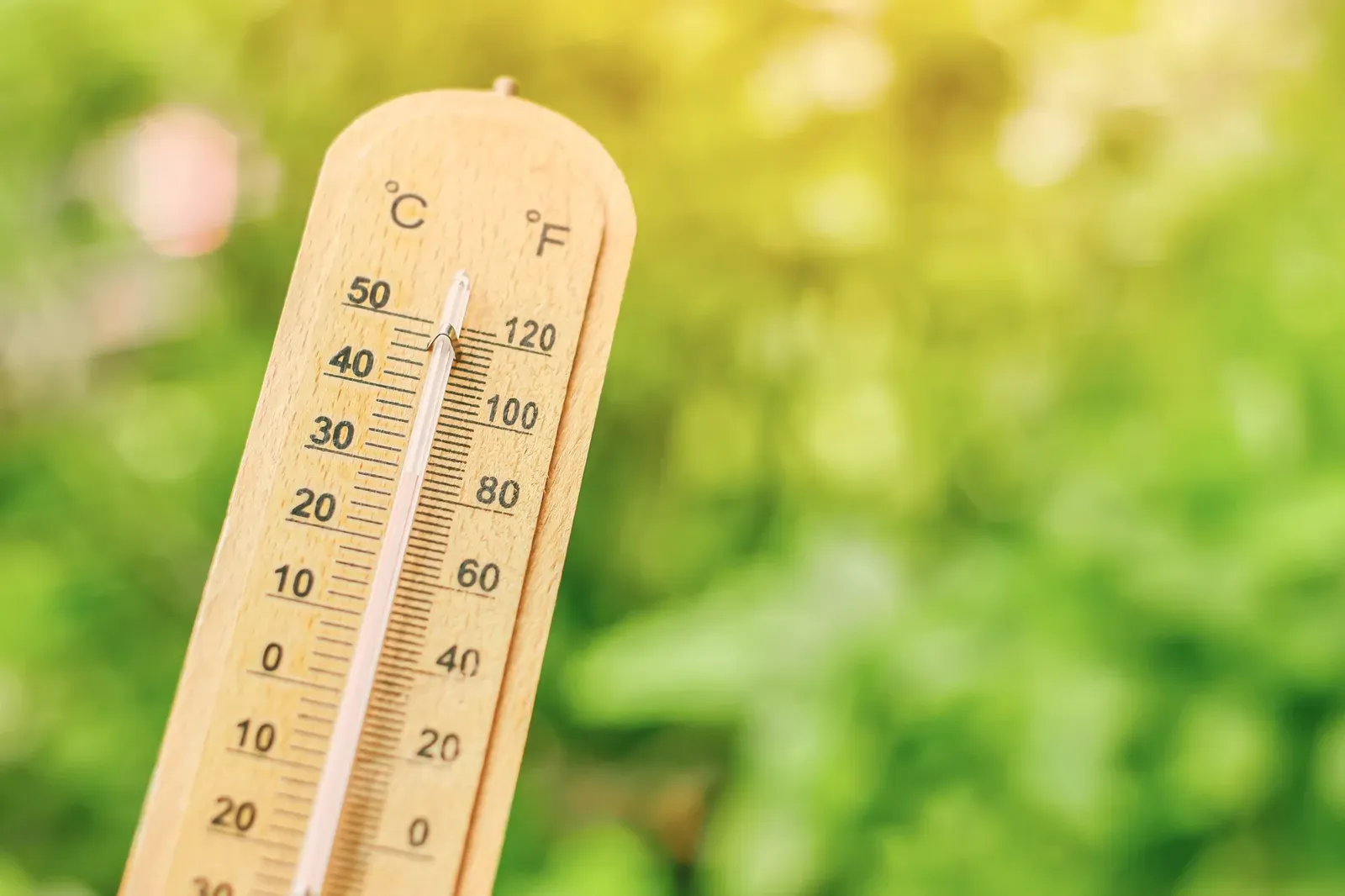
From heat rash to heat stroke: what are the warning signs?
The Department of Health notice lists six heat illnesses, from mildest to most severe:
- Heat rash: heavy sweating inflames the pores, leaving small red itchy bumps on the face, neck, upper chest, under the breasts and in the groin.
- Heat swelling (edema): blood vessels in the skin widen and fluid pools in the ankles and legs.
- Heat cramps: sudden painful muscle spasms, especially in the legs, arms and stomach, from salt lost in sweat, often during exercise.
- Heat fainting (syncope): blood goes to the skin to shed heat, less reaches the brain, and the person blacks out or feels faint. The notice says this is very common in people not used to hot weather, which describes most new arrivals.
- Heat exhaustion: after long hours in heat without enough water. Heavy sweating, weakness, a pale face, a weak pulse, muscle ache, headache, dizziness or confusion, nausea or vomiting and fainting. The body's core temperature may be normal, low or raised, but stays below 40 degrees C, and the person is still alert.
- Heat stroke: the most severe. Core temperature above 40 degrees C, hot red skin, a fast and strong pulse, headache, dizziness or confusion, nausea or vomiting, slow responses, muddled speech, agitation, aggression or hallucinations, drowsiness, fainting and unconsciousness. The notice says it can kill within a few hours.
The Department of Disease Control's Chon Buri office gives a shorter list of heat stroke symptoms for the public: a hot body, dizziness, headache, nausea, vomiting, exhaustion, heavy sweating, a pounding heart, fainting, seizures and confused speech. The line that matters most is between the last two stages: someone who is confused, behaving strangely or collapsing in the heat needs emergency help, not a rest and a drink.
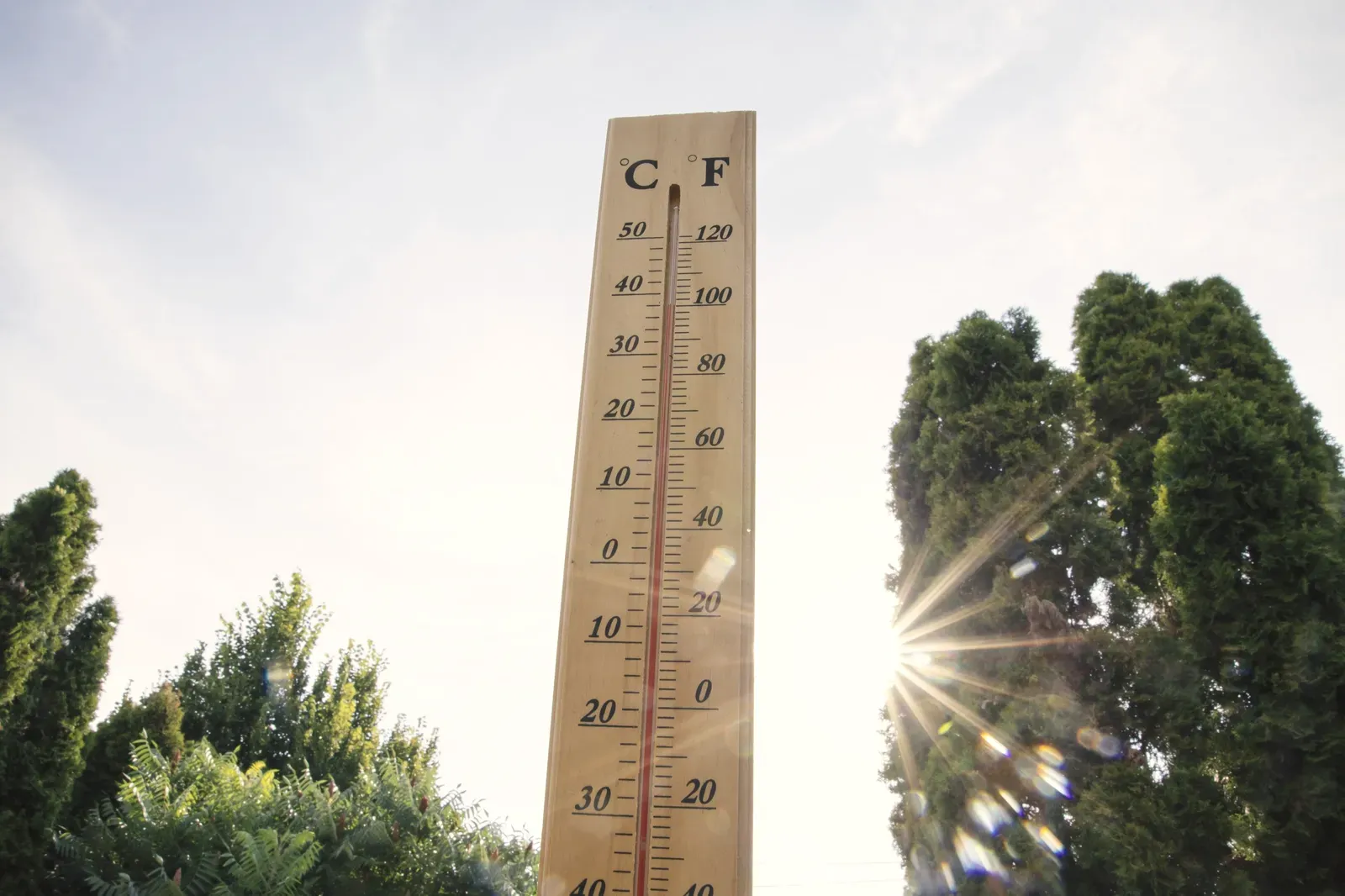
What should you do if someone has heat stroke?
These are the first aid steps in the Department of Disease Control article of 28 March 2025:
- Get the person into the shade or somewhere with moving air, lay them flat and loosen their clothes.
- Wipe the body, neck, armpits and head with a cloth soaked in cold water, with a fan blowing on them to carry the heat away.
- If they are unconscious, turn them on their side so the base of the tongue cannot block the airway.
- Take them to hospital, or call 1669 at once.
The Department of Health notice gives the same instruction at its danger level: in an emergency contact the nearest hospital or 1669, and bring the body temperature down as fast as you can. 1669 is Thailand's emergency medical line; our emergency numbers guide has the rest of the list.
A trip to a private hospital for heat illness is billed like any other emergency. Check that your health insurance covers emergency admission, and see our guide to private and public hospitals for how the two differ.

Who is most at risk, and how many people does the heat harm?
The Department of Health notice names its at-risk groups: infants and young children up to 5, pregnant women, people over 60, people with long-term conditions such as diabetes, heart disease, stroke, high blood pressure, psychiatric illness or obesity, and anyone who exercises or works outdoors or in hot conditions. It warns that some medicines can affect how the body controls its temperature, so people with chronic illness should keep their medicines and equipment ready and take extra care. For babies up to 6 months, it says breast milk alone is enough.
The figures, from the Department of Disease Control:
- Deaths 2020 to 2024: 127 heat stroke deaths nationwide, according to the DDC Chon Buri office citing the DDC Epidemiology Division: 63 in 2024, 37 in 2023, 12 in 2020, 8 in 2022 and 7 in 2021. In the eastern region in 2024, April was the worst month, and the day with the most deaths, 29 April 2024, topped 40 degrees C. For those eastern cases the office lists underlying illness and drinking alcohol as risk factors, and notes deaths outdoors.
- Illness in 2025: Thai PBS reported on 15 March 2026 that DDC's digital disease surveillance recorded 182 people with heat-related illness in 2025: 59.3% men, 42.8% aged 15 to 34 and 15.9% aged 60 or over, and 53.3% outdoor workers such as soldiers and general laborers. Heat exhaustion was the most common (62 people), then heat fainting (43), heat cramps (26) and heat stroke (17).
- Deaths in 2025: the same report gave 21 heat-related deaths, 18 men and 3 women aged 27 to 79, in 16 provinces, with Udon Thani (5) and Nakhon Ratchasima (2) the highest. The northeast accounted for 52% of the deaths, and the central and western regions 24%.
Our reading: the people who die of heat in Thailand are mostly working-age men doing physical work outdoors, and older people with health problems. If you are retiring here, read this alongside our retiring in Thailand guide and elderly and nursing care guide.

How do you stay safe on a hot day?
The Department of Health notice gives advice by level. At the danger level its list for the general public is:
- Follow the weather forecasts and heat warnings from the Thai Meteorological Department, the Department of Health and others.
- Drink clean water often through the day, without waiting until you are thirsty.
- Avoid alcohol, tea, coffee and very sugary drinks, which the notice says dehydrate the body.
- Cut down the time you spend on outdoor activity, work or strenuous exercise while the heat index is at the danger level.
- If you must go out, wear a hat and sunglasses, carry an umbrella, and put on sunscreen of SPF 15 or more at least 30 minutes before leaving home.
- Wear light-colored, loose, lightweight clothes that let air through.
- Watch for anything unusual in yourself and keep a close eye on people at risk; see a doctor if something is wrong.
The Department of Disease Control adds four points: drink an electrolyte drink if you have sweated a lot; avoid dark clothes, which hold heat; do not stay outdoors alone, so someone can help if you get into trouble; and never leave anyone in a car parked in the sun, especially young children, because with the air-conditioning off a car can heat up dangerously within 10 to 20 minutes.
Our reading for new arrivals: give yourself time to get used to the heat before taking on long walks, outdoor sport or moving house in April, and keep heavy jobs for early morning or evening. Songkran falls in mid-April, at the peak of the heat; our Songkran guide covers the festival itself. Hot days in March and April also overlap with the haze season in parts of the country; see our air quality guide.

Where can you cool off, and how do you choose a cooler home?
Bangkok opens public cooling rooms in the hot months. Thai PBS reported on 26 February 2026, quoting the governor's adviser Pornphrom Vikitsreth, that the BMA would run 255 "BKK Cooling Center" rooms across the city: 50 at district offices, 69 at public health centers, 51 at BMA schools, 10 at BMA vocational schools and 75 at centers of the BMA's culture, sports and tourism department, such as recreation centers, sports centers and libraries. They were to open mainly in March and April 2026, from 10:00 to 15:00, with clean drinking water, a place to rest, basic medicines and emergency help, for older people, children, people with health conditions, outdoor workers and anyone else. The report said locations are listed on greener.bangkok, with some data still being updated. Whether the program runs again in 2027 had not been announced when we checked.
At home, the choice of unit matters more than people expect. Our reading, not an official rule: when you view a condo or house in the hot months, check which way the main rooms face and how much afternoon sun they take, whether a top-floor unit sits directly under an uninsulated roof, whether every bedroom has a working air-conditioner, and whether the building bills electricity at the authority rate or a marked-up one. Our air-conditioning and cooling costs guide covers servicing and the bill, and utility bills in Thailand covers the rest. Pets suffer in the heat too; our pet owners guide is the place to start.

Frequently asked questions
The Thai Meteorological Department announces it each year. In 2026 it declared that the cool season ended and the hot season began on 22 February, said the north and northeast would keep cool mornings for a while, and expected the hot season to end around mid-May. It then declared the rainy season open from 15 May 2026. The Department of Health's heat index notice singles out March to May as the hottest stretch of each year.
The Department of Health's 2024 notice sets four levels for the heat index, the temperature the body feels once humidity is counted: watch (green) 27.0 to 32.9 degrees C, warning (yellow) 33.0 to 41.9, danger (orange) 42.0 to 51.9, and extreme danger (red) 52 degrees and above. At the orange level the notice warns of heat cramps and heat exhaustion and a rising risk of heat stroke with continued exposure; at red, the risk of heat stroke is very high.
The Department of Health describes heat stroke as the most severe heat illness, with a core body temperature above 40 degrees C, hot red skin, a fast strong pulse, headache, dizziness or confusion, nausea or vomiting, changes in behavior or awareness, and fainting or loss of consciousness. It can kill within a few hours. The Department of Disease Control adds seizures and confused speech to the list.
The Department of Disease Control's first aid steps: move the person into the shade or somewhere with moving air, lay them flat and loosen their clothes; wipe the body, neck, armpits and head with a cloth soaked in cold water while a fan blows on them; if they are unconscious, turn them on their side so the tongue does not block the airway; and get them to hospital or call 1669 at once.
The Department of Disease Control's Epidemiology Division counted 127 heat stroke deaths from 2020 to 2024, with 63 in 2024 alone, according to a DDC regional office article of March 2025. For 2025, Thai PBS reported DDC figures of 182 people ill from heat-related conditions and 21 deaths, more than half of the deaths in the northeast.
Looking for a cooler place to live?
Browse condos and houses for rent from partnered agents, and use the viewing checklist above in the hot months.
Sources
- Thai Meteorological Department announcement, start of the hot season of Thailand B.E. 2569 (data date 20 February 2026): hot season from 22 February 2026, expected to end around mid-May ↗Thai Meteorological Department · Accessed 23 November 2026
- Thai Meteorological Department announcement, start of the rainy season of Thailand B.E. 2569 (data date 14 May 2026): rainy season from 15 May 2026 ↗Thai Meteorological Department · Accessed 23 November 2026
- Thai Meteorological Department, hot weather criteria (undated, read 23 November 2026): hot 35.0 to 39.9 degrees C, very hot 40.0 degrees C and above ↗Thai Meteorological Department · Accessed 23 November 2026
- Department of Health notice on heat index surveillance values for health effects, B.E. 2567 (signed August 2024) (Thai): four heat index levels, at-risk groups, heat illness stages, advice by level ↗Department of Health, Ministry of Public Health · Accessed 23 November 2026
- Department of Disease Control, Office of Disease Prevention and Control 6 Chon Buri, article on heat stroke, 28 March 2025 (Thai): heat stroke deaths 2020 to 2024, symptoms, first aid, prevention ↗Department of Disease Control, Ministry of Public Health · Accessed 23 November 2026
- Thai PBS, 15 March 2026 (Thai): Department of Disease Control figures for heat-related illness (182) and deaths (21) in 2025, released by a deputy spokesperson of the Office of the Prime Minister ↗Thai PBS · Accessed 23 November 2026
- Thai PBS, 26 February 2026 (Thai): the BMA's 255 BKK Cooling Center rooms for the 2026 hot season, as described by the governor's adviser ↗Thai PBS · Accessed 23 November 2026
Official primary sources are listed above with the date we last checked them. Thai rules, fees, thresholds and procedures change and can be applied differently by individual offices and embassies, confirm the current requirement with the responsible authority before relying on it. General information only, not legal, tax or medical advice. BAANLYY never takes paid placement in editorial content.