Breast: a mammogram with breast ultrasound cost 2,500 to 7,100 baht at the hospitals below; Bumrungrad advises it every year from 40, MedPark every 1 to 2 years from 35. Cervix: a Pap test cost 1,500 baht in Pattaya and a Pap with HPV test 3,500 to 4,900 baht; Bangkok Hospital Phuket advises an HPV test or co-test every 5 years from 30 to 65. Free: Thai women aged 30 to 60 can screen for HPV free under a Ministry of Public Health campaign; foreign residents should ask their local government hospital. Before you book: read what the price includes, because several exclude the doctor's fee.
Which screening tests do women in Thailand usually have?
For the breast, hospital packages pair two scans:
- Mammogram: an X-ray of the breast. Bumrungrad's package page calls the 3D digital mammogram a more advanced form of the standard mammogram, quicker and more comfortable, with higher resolution images.
- Breast ultrasound: sound waves that, the same page says, can capture areas of the breast that are difficult to see on a mammogram. MedPark's package page adds that ultrasound shows whether a lump is solid or filled with fluid.
For the cervix, Bangkok Hospital Phuket's screening article (by a gynecologic oncologist, updated 19 March 2026) names three approaches:
- Pap test (Pap smear): checks for cervical cancer cells and cell changes that may lead to cancer. Bangkok Hospital Pattaya and Bangkok Hospital Chiang Mai sell a liquid-based Pap test (ThinPrep), where, as the Pattaya article describes, the cells are rinsed into a small container of liquid before they are examined.
- HPV test: looks for high-risk types of human papillomavirus in the cervical cells. Bangkok Hospital Pattaya's test identifies 14 high-risk types, including HPV 16 and 18.
- Co-testing: both tests done at the same time. Bumrungrad's co-testing page says it screens for cervical cancer better than a Pap smear alone.
The Phuket article explains why it matters: nearly all cervical cancers are triggered by a high-risk HPV infection, and screening aims to find precancerous changes so they can be removed before cancer develops.
From what age, and how often, should you have a mammogram?
The hospitals do not agree on one rule, so here is what each printed:
- Bumrungrad: its package page says women 40 and older should be screened every year; for women under 40 the specialist decides. Its screening FAQ (2 September 2025) advises a yearly mammogram for women aged 40 to 55.
- Bangkok Hospital Headquarter: its 3D mammogram package is for women aged 40 to 75 with no abnormal symptoms.
- MedPark: its package page advises women aged 35 and over, and those with breast health concerns, to be screened every 1 to 2 years, and lists risk groups to raise with a doctor: a personal or family history of breast cancer, inherited gene mutations, never giving birth or a first child after 30, long-term hormone therapy or oral contraceptives, and earlier radiation to the chest.
- Bangkok Hospital Samui: recommends its package for women 35 and above and those with a family history of breast cancer.
Do not wait for a screening date if you notice a change. BNH Hospital's women's health page lists a breast lump, changes to the skin or nipple, nipple discharge, or a lump in the armpit as possible signs of breast cancer: see a doctor about any of these.

How often should you have a Pap or HPV test?
Again, the advice differs by hospital, and the gaps are large, so each is printed with its source:
- Bangkok Hospital Phuket (article, 19 March 2026): ages 21 to 29, a Pap test every 3 years; ages 30 to 65, an HPV test alone every 5 years, a Pap and HPV co-test every 5 years, or a Pap test alone every 3 years. Women with HIV, a weakened immune system or earlier treatment for precancer or cervical cancer may need more frequent screening or to continue past 65. It says screening is not suggested under 21, after 65 with enough earlier normal results and no high risk, or after a total hysterectomy with no history of high-grade lesions or cervical cancer.
- Bumrungrad (FAQ, 2 September 2025): women aged 25 to 65 should have a Pap smear at least every 3 years, or an HPV test every 5 years. Its co-testing page recommends co-testing for women aged 30 to 65.
- Bangkok Hospital Pattaya (article, updated 8 June 2026): a liquid-based Pap test every 1 to 2 years, an HPV DNA test every 3 years; it also says sexually active women should have a Pap test every year, and women who have never been sexually active should still have one at 21.
Our reading: the Phuket schedule is the most detailed; the Pattaya article asks for more frequent tests. Take your last results to a gynecologist and ask which interval fits you. The Pattaya article also lists warning signs that need a doctor whatever your schedule: bleeding after sex or between periods, periods that are longer and heavier than usual, and more vaginal discharge.
HPV vaccine: vaccination is the other half of prevention; see our vaccinations guide.
What do a mammogram and a Pap or HPV test cost in Thailand?
These are the prices each hospital printed on its own page on 26 November 2026 (Bangkok time), cheapest first.
| Hospital | Test | Price printed | Key condition |
|---|---|---|---|
| Bangkok Hospital Pattaya | Pap smear (ThinPrep) | 1,500 baht | Doctor fee and hospital service charge included; buy by 31 Dec 2026, use by 28 Feb 2027 |
| Bangkok Hospital Samui | Digital mammogram and ultrasound | 2,500 baht | Recommended for women 35 and over or with a family history; book and use by 31 Dec 2026 |
| Bangkok Hospital Chiang Mai | ThinPrep Pap and HPV DNA test (14 high-risk types) | 3,500 baht | Women 30 to 65; same price for Thai nationals and expatriates; price to 15 Dec 2026, coupon to 31 Dec 2026 |
| Bangkok Hospital Udon | Doctor's exam, breast exam, mammogram with ultrasound | 3,900 baht | Price valid until 30 Dec 2026 |
| Bangkok Hospital Headquarter (Bangkok) | 3D digital mammogram with ultrasound | 4,900 baht (regular 7,170) | Women 40 to 75 without symptoms; doctor fee included, breast specialist counseling not; price to 13 Dec 2026, use 21 Nov 2026 to 31 Mar 2027 |
| Bumrungrad International Hospital (Bangkok) | Cervical co-testing (HPV DNA and Pap) | 4,900 baht | Lab and pathology only: outpatient, nursing and doctor's fees extra; through 31 Dec 2026 |
| Bumrungrad International Hospital (Bangkok) | 3D digital mammogram and breast ultrasound | 7,100 baht | Radiologist's fee included, doctor's fee for results interpretation not; usable with insurance; through 31 Dec 2026 |
Read the inclusions before comparing. Bumrungrad's 7,100 baht mammogram includes the radiologist's fee for interpreting the images but not the doctor's fee for results interpretation; it can be used with insurance and billed to a corporate partner, and results are ready within 3 hours. Bumrungrad's 4,900 baht co-test covers the lab and pathology only: outpatient, nursing and doctor's fees are charged on top. Bangkok Hospital Headquarter's 4,900 baht includes the doctor fee but not counseling by a breast specialist. Bangkok Hospital Pattaya's 1,500 baht Pap test includes the doctor fee and the hospital service charge.
Residents only, or not on insurance. MedPark's mammogram package is valid for Thai nationals and expatriates residing in Thailand and is not billable to insurance companies. Bangkok Hospital Chiang Mai states its 3,500 baht price applies to both Thai nationals and expatriates. Most packages are non-refundable once paid. The Chiang Mai page also still carries an older line reading "Promotion until Dec 15, 2025"; its sale period reads 15 December 2026.
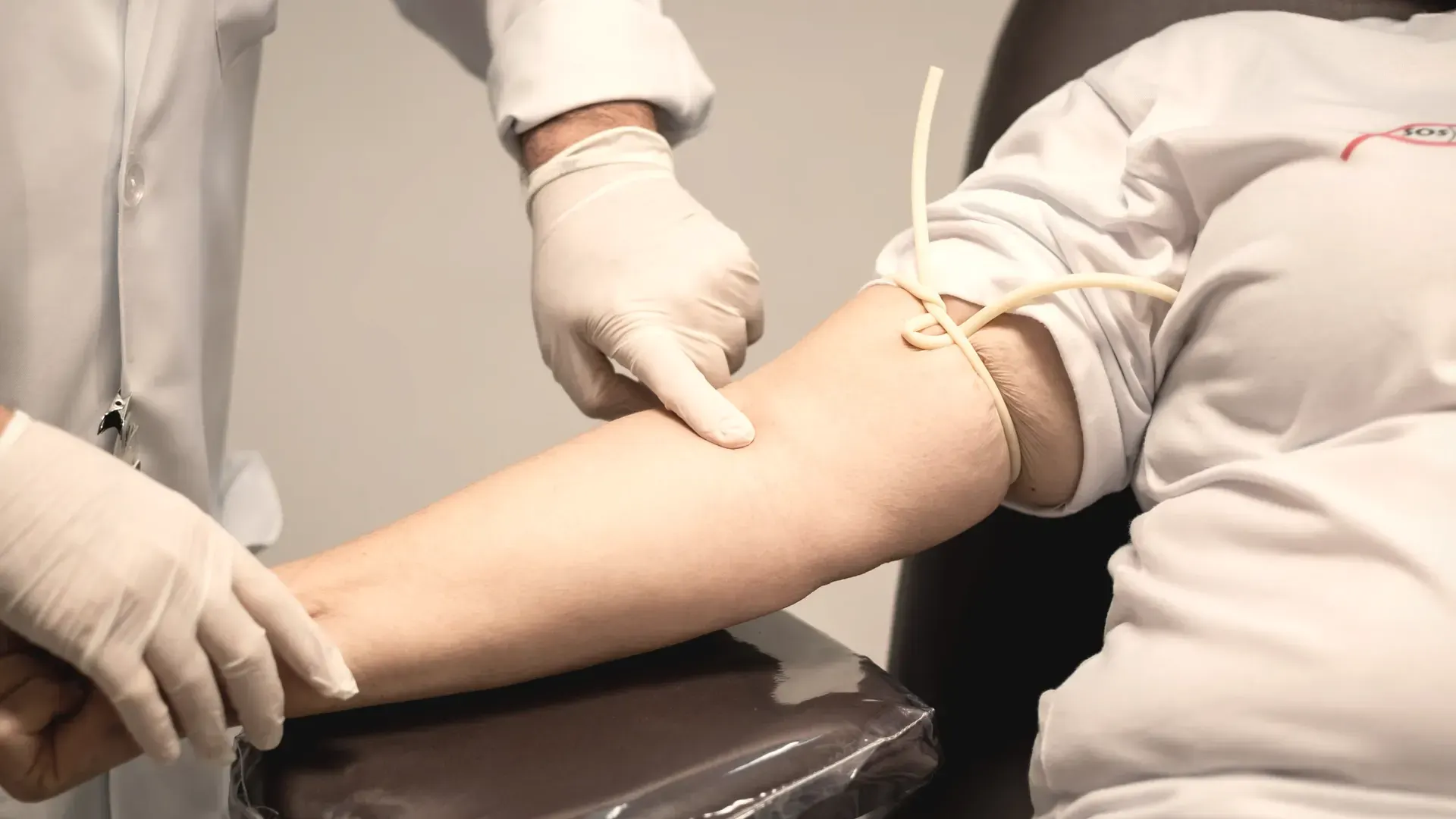
How do you prepare, and what happens on the day?
Mammogram and breast ultrasound, from Bumrungrad's package page:
- No deodorant, talcum powder or lotion on your armpits or breasts on the day: they can interfere with the results. BNH's page explains they can show up as calcifications on the image.
- Bring earlier results: show any previous breast screening from another hospital to the radiologist, for comparison.
- Timing: Bumrungrad suggests booking about one week after your period; BNH says 7 to 14 days after your period has ended.
- Pregnant? Tell the staff first. BNH says mammograms are generally avoided in pregnancy and only an ultrasound is done.
MedPark's page says you can discuss your results with the doctor in about one hour; BNH puts the mammogram and ultrasound at about 30 minutes, with no fasting.
Pap and HPV test, from Bumrungrad's co-testing page:
- Book for a day when you are not menstruating.
- Do not douche before the test, and use no vaginal suppositories, creams or spermicide for 48 hours before it.
- No sexual intercourse for at least 24 hours before the test.
Most packages ask you to book ahead: Bangkok Hospital Headquarter and Bangkok Hospital Chiang Mai say at least 3 days in advance.
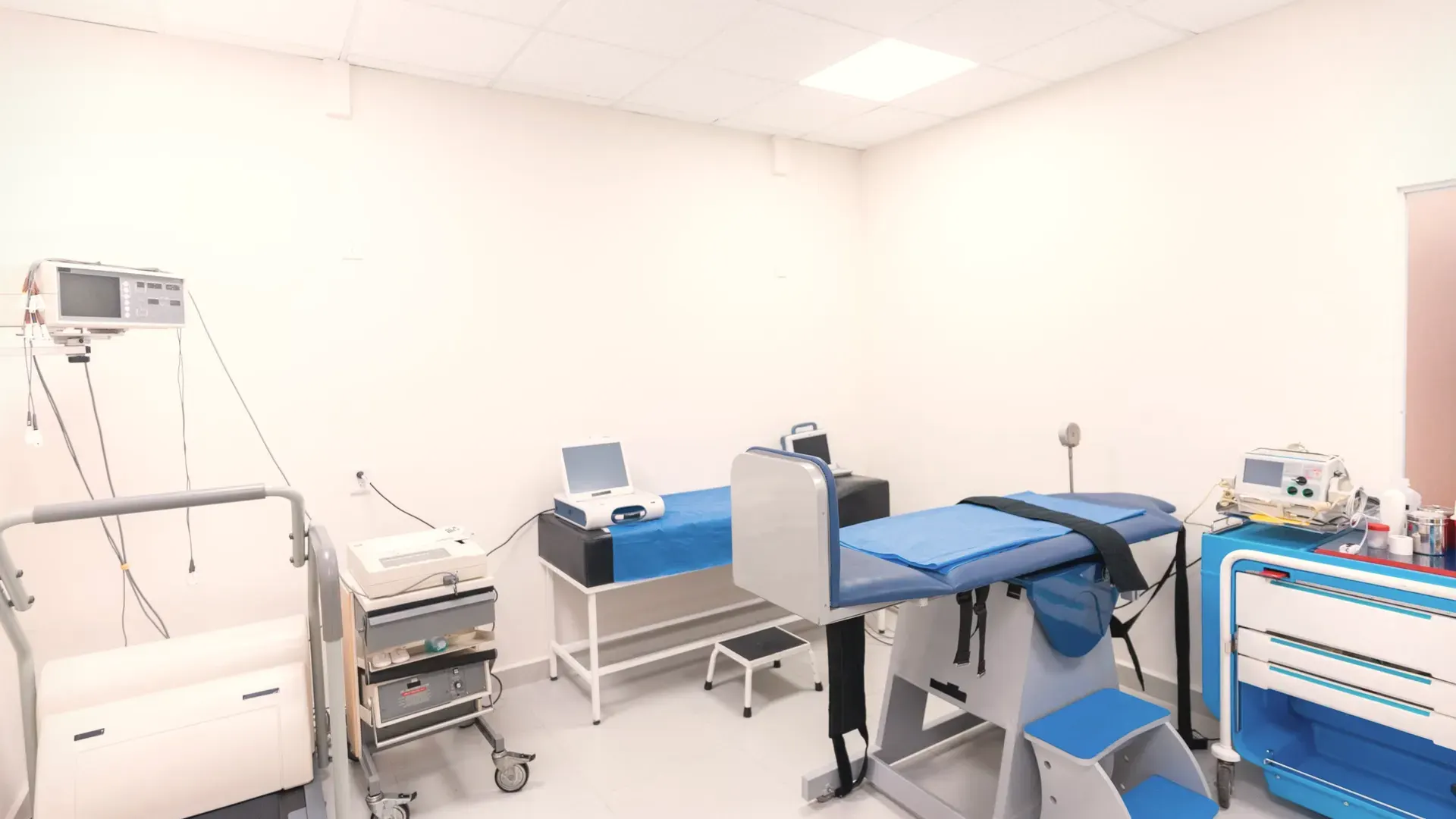
Is there free screening, and can foreign residents get it?
In a 25 December 2023 announcement (in Thai; our translation), the Ministry of Public Health's Department of Medical Sciences said the Ministry campaigns for Thai women aged 30 and over to be screened for cervical cancer every 5 years, and invited Thai women aged 30 to 60 to screen with an HPV DNA self-sampling test covering 14 high-risk types, at any health service unit. The announcement presents self-sampling, where a woman collects the sample herself, as a way to reach women who have avoided an internal examination.
The campaign is addressed to Thai women. If you are a foreign resident, ask your local government hospital whether you can take part and what it would cost you; otherwise, the private packages above are the usual route. If you work in Thailand, ask your employer or the hospital what your Social Security or insurance covers; see our health insurance guide.
What happens after an abnormal result?
A finding on a screening test is not a diagnosis. Bumrungrad's FAQ says that if an abnormality is found, the doctor will recommend further tests such as a CT scan, MRI, PET/CT or biopsy, and may refer you to a specialist. For the breast, MedPark's page names breast MRI and biopsy as the next steps it offers. For the cervix, Bangkok Hospital Phuket's article explains that the aim is to find precancerous changes caused by HPV so they can be removed.
The same FAQ adds that a normal result means nothing abnormal was found at the time of the test, so keep to your schedule. If you need treatment, see our cancer treatment guide for cancer centers and costs.
How do you book, and how do you check the doctor?
- Bangkok Hospital Headquarter: Breast Center at Wattanosoth Cancer Hospital, +66 2310 3016; Cancer Hotline +66 2755 1188 (8:00 AM to 8:00 PM).
- Bumrungrad: Breast Center, Building A, 16th floor; Women's Center, Building B, 2nd floor; Contact Center +66 2066 8888 or 1378 (local calls only).
- Bangkok Hospital Chiang Mai: Women's Health Clinic, 2nd floor, A Building, 052 089 888.
- Bangkok Hospital Pattaya: Women's Health Center, 0 3825 9934 (8 a.m. to 4 p.m.).
- Bangkok Hospital Samui: 077 429 500. Bangkok Hospital Udon: Health Promotion Department, Monday to Sunday 07.00 to 16.00, +66 42 188 999 ext. 2420 or 2424.
Check the doctor. The Medical Council of Thailand runs a public doctor search at checkmd.tmc.or.th, by name in Thai or in English, with an optional license number check. It lists only doctors permitted to practice medicine who are alive; if you cannot find a name, the Council answers on 0-2590-1887 or tmc@tmc.or.th.
Our checklist: ask whether the price includes the doctor who explains your results; ask for your images and reports to take home, so the next screening can compare; and pair your screening with a yearly health check-up if your package does not already include it.
Frequently asked questions
On 26 November 2026 a mammogram with breast ultrasound was priced at 2,500 baht at Bangkok Hospital Samui, 3,900 baht at Bangkok Hospital Udon (with a doctor's and breast exam), 4,900 baht for a 3D mammogram with ultrasound at Bangkok Hospital Headquarter in Bangkok (regular 7,170, sale to 13 December 2026) and 7,100 baht for a 3D mammogram and breast ultrasound at Bumrungrad, where the doctor's fee for explaining the results is extra. Check what each price includes before you compare.
Bangkok Hospital Pattaya sold a ThinPrep Pap smear for 1,500 baht including the doctor fee and hospital service charge. Bangkok Hospital Chiang Mai sold a ThinPrep Pap with an HPV DNA test for 14 high-risk types for 3,500 baht, at the same price for Thai nationals and expatriates. Bumrungrad's co-testing package (HPV DNA and Pap) was 4,900 baht for the lab and pathology, with outpatient, nursing and doctor's fees charged on top.
The hospitals give different ages. Bumrungrad's package page says women 40 and older should be screened every year, and its screening FAQ advises a yearly mammogram for women aged 40 to 55. Bangkok Hospital Headquarter's package is for women aged 40 to 75 without symptoms. MedPark advises women aged 35 and over, and those with breast concerns, to be screened every 1 to 2 years, and Bangkok Hospital Samui recommends its package from age 35 or with a family history. Ask your doctor which fits your own risk.
Bangkok Hospital Phuket's article advises a Pap test every 3 years from 21 to 29, then from 30 to 65 an HPV test alone or a Pap and HPV co-test every 5 years, or a Pap test alone every 3 years. Bumrungrad's FAQ says women aged 25 to 65 should have a Pap smear at least every 3 years or an HPV test every 5 years. Bangkok Hospital Pattaya's article is more frequent: a liquid-based Pap test every 1 to 2 years and an HPV DNA test every 3 years. Your gynecologist will set the interval from your results and history.
For Thai women, the Ministry of Public Health runs free screening. A 25 December 2023 announcement from its Department of Medical Sciences invited Thai women aged 30 to 60 to screen with an HPV DNA self-sampling test at any health service unit, and said the Ministry campaigns for Thai women aged 30 and over to be screened every 5 years. The campaign is addressed to Thai women: if you are a foreign resident, ask your local government hospital whether you can take part and what it costs, or use a private hospital package.
Settling in for the long term?
Browse condos and homes in Bangkok, Chiang Mai, Pattaya and Koh Samui, listed by partnered agents, near the hospitals in this guide.
General information only, not medical advice. Prices, inclusions, conditions and screening advice are from each hospital's or agency's own pages as they showed on 26 November 2026 (Bangkok time). Hospitals change prices and terms without notice, and their screening intervals differ: confirm the price, what is included and who can buy it with the hospital, and ask your own doctor which tests and intervals suit you, before you rely on anything here.
Sources
- Bangkok Hospital Headquarter (Bangkok Cancer Hospital), 3D Digital Mammogram with Ultrasound Breast Screening package page (English, Expire Date 13 Dec 2026, read 2026-11-26): 4,900 Baht (7,170 Baht); service period usable 21 Nov 2026 - 31 Mar 2027, price valid until 13 Dec 2026; for individuals receiving screening for breast cancer who do not have any abnormal symptoms, suitable for women aged 40-75; includes doctor fee, excludes additional counseling fee provided by breast specialists, treatments and medications; make an appointment at least 3 days in advance; Breast Center, Wattanosoth Cancer Hospital Tel. +662-310-3016 (the terms say 1st floor, the contact block 3rd Floor); Health Design Center, 5th floor, R-Building Tel. +662-755-1591; (+66) 2755 1188 Cancer Hotline 8:00 AM - 8:00 PM ↗Bangkok Hospital Headquarter (BDMS) · Accessed 26 November 2026
- Bumrungrad International Hospital, Mammogram and Breast Ultrasound package page (English, Package ID RADIO03, read 2026-11-26): 7,100 THB; 3D Digital Mammogram and Breast Ultrasound; inclusions: medical supplies, Radiologist's fee for test results interpretation, outpatient service fee and nursing service fee; exclusions: Doctor's fee for results interpretation, other services, take-home medications; Women 40 and older should undergo annual breast cancer screenings; women under 40 eligible based on the doctor's assessment; screening results are ready within 3 hours; preparation: no deodorant, talcum powder or lotion on armpit area or breasts, present previous results from another institution to the radiologist, scheduling one week after your period is recommended; OPD patients only; invoices can be sent to your corporate partner company, can be used with insurance; non-refundable; available through 31 December 2026; Breast Center Building A, 16th floor; Women's Center Building B, 2nd floor, North Wing; Contact Center +66 2066 8888 or 1378 (local call only) ↗Bumrungrad International Hospital · Accessed 26 November 2026
- Bangkok Hospital Udon, Breast Cancer Screening: Physical Exam and Mammogram with Ultrasound package page (English, Expire Date 30 Dec 2026, read 2026-11-26): 3,900 Baht; physical examination by a physician, breast examination, mammogram with ultrasound breast; usable 20 Feb 2026 - 31 Dec 2026, price valid until 30 Dec 2026; Health Promotion Department, Monday - Sunday 07.00 - 16.00, Tel. 1719 or +66 42 188 999 ext. 2420, 2424 ↗Bangkok Hospital Udon (BDMS) · Accessed 26 November 2026
- Bangkok Hospital Samui, Breast Cancer Screening Package page (English, Expire Date 31 Dec 2026, read 2026-11-26): (Digital Mammogram+Ultrasound) PRICE THB 2,500; recommended for high-risk groups: women aged 35 years and above, those with a family history of breast cancer; book and valid for use from now - 31 December 2026; 077 429 500 ↗Bangkok Hospital Samui (BDMS) · Accessed 26 November 2026
- MedPark Hospital, 3D Digital Mammogram and Breast Ultrasound Screening Package page (English, published 30 Oct 2024, modified 29 Oct 2026, read 2026-11-26; the package price did not display in our read and is not quoted): women aged 35 and over, as well as those with breast health concerns, are advised to undergo breast cancer screening every 1-2 years; ultrasound determines whether a breast lump is solid or fluid filled; results discussed with your doctor in approximately one hour; further evaluation incl. breast MRI and biopsy; risk factors: personal or family history, inherited genetic mutations, never having given birth or first child after age 30, long-term hormone therapy or oral contraceptives, radiation treatment to the chest; includes breast surgeon's and radiologist's professional fees, nursing and hospital service fees; not billable to insurance companies or contract partners; valid for Thai nationals and expatriates residing in Thailand; no refunds; Breast Center 6th Floor, Counter D (WEST Lift), Tel. 02-090-3076, Daily 8 AM - 7 PM ↗MedPark Hospital · Accessed 26 November 2026
- Bumrungrad International Hospital, Cervical cancer screening (Co-testing) package page (English, Package ID LAB07, read 2026-11-26): 4,900 THB; co-testing is the combination of HPV DNA test and Pap smear, able to screen for cervical cancer better than Pap smear alone; inclusions: lab investigation and pathology, medical supplies; exclusions: outpatient services fee and nursing services fee, doctor's fee, take-home medicines; women aged 30 - 65 years should take this screening test; preparation: not menstruating, do not douche, no vaginal suppositories, creams, or spermicide 48 hours before, no sexual intercourse at least 24 hours before; OPD only; appointment call 1378; non-refundable; prices valid until 31 December 2026 ↗Bumrungrad International Hospital · Accessed 26 November 2026
- Bangkok Hospital Chiang Mai, Online Thin prep and HPV DNA with genotyping (High risk 14 subtypes) package page (English, Expire Date 15 Dec 2026, read 2026-11-26): 3,500 Baht; recommended for women aged 30-65 years who have had sexual intercourse, or those in a higher-risk group; usable 15 Mar 2026 - 31 Dec 2026, price valid until 15 Dec 2026, E-Coupon valid until Dec 31, 2026 (the page also still prints Promotion until Dec 15, 2025); excludes doctor fees if additional specialists are required and additional treatment or medication; make an appointment at least 3 days in advance; 052 089 888 or Contact Center 1719; Women's Health Clinic, 2nd Floor A Building, Monday - Friday 08:00 AM - 08:00 PM, Saturday - Sunday 08:00 AM - 04:00 PM; the price is applicable to both Thai nationals and expatriates ↗Bangkok Hospital Chiang Mai (BDMS) · Accessed 26 November 2026
- Bangkok Hospital Pattaya, Cervical Cancer Screening (Pap Smear: ThinPrep) package page (English, Expire Date 31 Dec 2026, read 2026-11-26): Price 1,500 THB; includes doctor fee and hospital service charge; special price available 1 Nov - 31 Dec 2026, pre-purchased package can be used up to 28 Feb 2027; completed payments are non-refundable; Women's Health Center, Call 0 3825 9934 (8 a.m. - 4 p.m.), B building, 2nd floor ↗Bangkok Hospital Pattaya (BDMS) · Accessed 26 November 2026
- Bumrungrad International Hospital, blog: FAQ: Cancer Screening at Bumrungrad International Hospital (CancerCheck Series) (English, September 02, 2025, Last modify: September 02, 2025, by the Bumrungrad Health Screening Center, read 2026-11-26): breast cancer: women aged 40-55 are advised to undergo a mammogram annually; cervical cancer: women aged 25-65 should undergo a Pap smear at least every 3 years, or an HPV test every 5 years; if an abnormality is found the doctor will recommend further investigations such as a CT scan, MRI, PET/CT, or biopsy and may refer to a specialist; a normal result means no abnormalities were detected at the time of the test ↗Bumrungrad International Hospital · Accessed 26 November 2026
- Bangkok Hospital Pattaya, article: Cervical Cancer (English, Updated on 08 Jun 2026, read 2026-11-26): risk factors incl. sex before 18, multiple partners, more than three full-term pregnancies, immune deficiency, history of sexually transmitted infections, smoking; warning signs: bleeding after sexual intercourse or between periods, menstrual bleeding longer and heavier than usual, increased vaginal discharge; liquid based Pap test: cells rinsed into a small container of liquid, recommended to repeat every 1-2 years; HPV DNA test identifies 14 high-risk types incl. HPV 16 and HPV 18, recommended to repeat every 3 years; sexually active women should have a Pap smear test each year; women who have never been sexually active should still have a Pap smear test at age 21 years ↗Bangkok Hospital Pattaya (BDMS) · Accessed 26 November 2026
- Bangkok Hospital Phuket, article: Cervical Cancer Screening (English, information by Dr. Jiraprapa Natee, Obstetrics and Gynaecology, Gynaecological Oncology, Updated on 19 Mar 2026, read 2026-11-26): nearly all cases triggered by high-risk HPV; goal to identify precancerous lesions so they can be removed; three approaches: Pap test, HPV testing, HPV/Pap cotesting; ages 21 through 29 Pap test every 3 years; ages 30 through 65 every 5 years with high-risk HPV testing alone, every 5 years with cotesting, or every 3 years with a Pap test alone; risk factors for more frequent screening or beyond 65: HIV, immunosuppression, treatment for a precancerous cervical lesion or cervical cancer; not suggested for women younger than 21, older than 65 with sufficient prior normal screening and not high risk, or after total hysterectomy with no history of high-grade lesions or cervical cancer ↗Bangkok Hospital Phuket (BDMS) · Accessed 26 November 2026
- BNH Hospital, Lady Health Fest 2026 women's health packages page (English, published 9 Jul 2026, modified 3 Aug 2026, read 2026-11-26; its campaign ran 15 July to 31 August 2026 and services were valid until 15 September 2026, so its prices are not quoted): a breast lump, changes to the skin or nipple, nipple discharge, or a lump in the armpit may be signs of breast cancer; mammogram and ultrasound takes only about 30 minutes, no need to fast; ideal time for a mammogram typically 7-14 days after your period has ended; do not apply lotion, talcum powder, or deodorants/antiperspirants to chest or underarm areas, they may appear as abnormal calcifications; if pregnant inform the staff, mammograms should generally be avoided during pregnancy and only an ultrasound will be performed ↗BNH Hospital · Accessed 26 November 2026
- Department of Medical Sciences, Ministry of Public Health, news: Ministry of Public Health launches the FINDING HPV STOP CERVICAL CANCER campaign with HPV DNA self-sampling (Thai, dated 25 ธันวาคม 2566 = 25 Dec 2023, read 2026-11-26; our translation): cervical cancer is one of the 5 most common cancers in Thai women and can be prevented with HPV vaccination; the Ministry campaigns for Thai women aged 30 and over to be screened every 5 years; invites Thai women aged 30 - 60 to screen with HPV DNA from self-collected samples, separating 14 high-risk types, at every service unit; self-sampling offered for target women who do not come for an internal examination out of embarrassment, lack of knowledge or fear; joint campaign with the National Health Security Office, the Royal Thai College of Obstetricians and Gynaecologists and the Thai Gynecologic Cancer Society ↗Department of Medical Sciences, Ministry of Public Health · Accessed 26 November 2026
- Medical Council of Thailand, doctor lookup (Thai and English name search, read 2026-11-26): search by first name and surname in Thai or English, optional check of a medical license number; lists only doctors permitted to practice medicine who are alive; questions to the Council on 0-2590-1887 or tmc@tmc.or.th ↗The Medical Council of Thailand · Accessed 26 November 2026
Official primary sources are listed above with the date we last checked them. Thai rules, fees, thresholds and procedures change and can be applied differently by individual offices and embassies, confirm the current requirement with the responsible authority before relying on it. General information only, not legal, tax or medical advice. BAANLYY never takes paid placement in editorial content.