Yes, you can insure a dog or a cat in Thailand, and on the plans we read only those two. Apply while the pet is young: the plans accept pets from 8 weeks or 3 months up to 7 years. Illness is covered only after a 60 day waiting period, conditions the pet already has are excluded, and so are routine checkups, vaccines, sterilization and most dental work. Premiums on the two seller pages we read run from 600 baht a year for a basic plan to 12,500 baht a year, and you normally pay the vet first and claim afterwards.
The timing, not the paperwork, is what makes or breaks a pet move. Microchip, then rabies vaccination, then, for many countries , a blood test with a waiting period, then the DLD permit (Form R.6), then a health certificate valid for only a few days. Work it out backwards from the flight.
Pet import timeline planner → · Airline rules for flying a pet → · Moving to Thailand with pets →
Is there pet insurance in Thailand?
Yes. Pet cover is sold through banks, brokers and insurers' own sites. Two examples we read on 25 November 2026:
- Pet Buddy on ttb bank's site. The page says it is underwritten by Muang Thai Insurance and that ttb is only a channel for offering the product.
- Pet Friend Insurance on Amber Insurance Broker's site, with six plans, and a terms page for a plan of the same name on scspetfriend.com, which names Siam Cosmos Service Co., Ltd. as the contact for more information.
Both cover dogs and cats only. A rabbit, bird or reptile is outside both. Before you compare policies, it helps to know what routine vet care costs locally, which our veterinary care in Thailand guide covers, because that decides whether a policy is worth the premium for you.
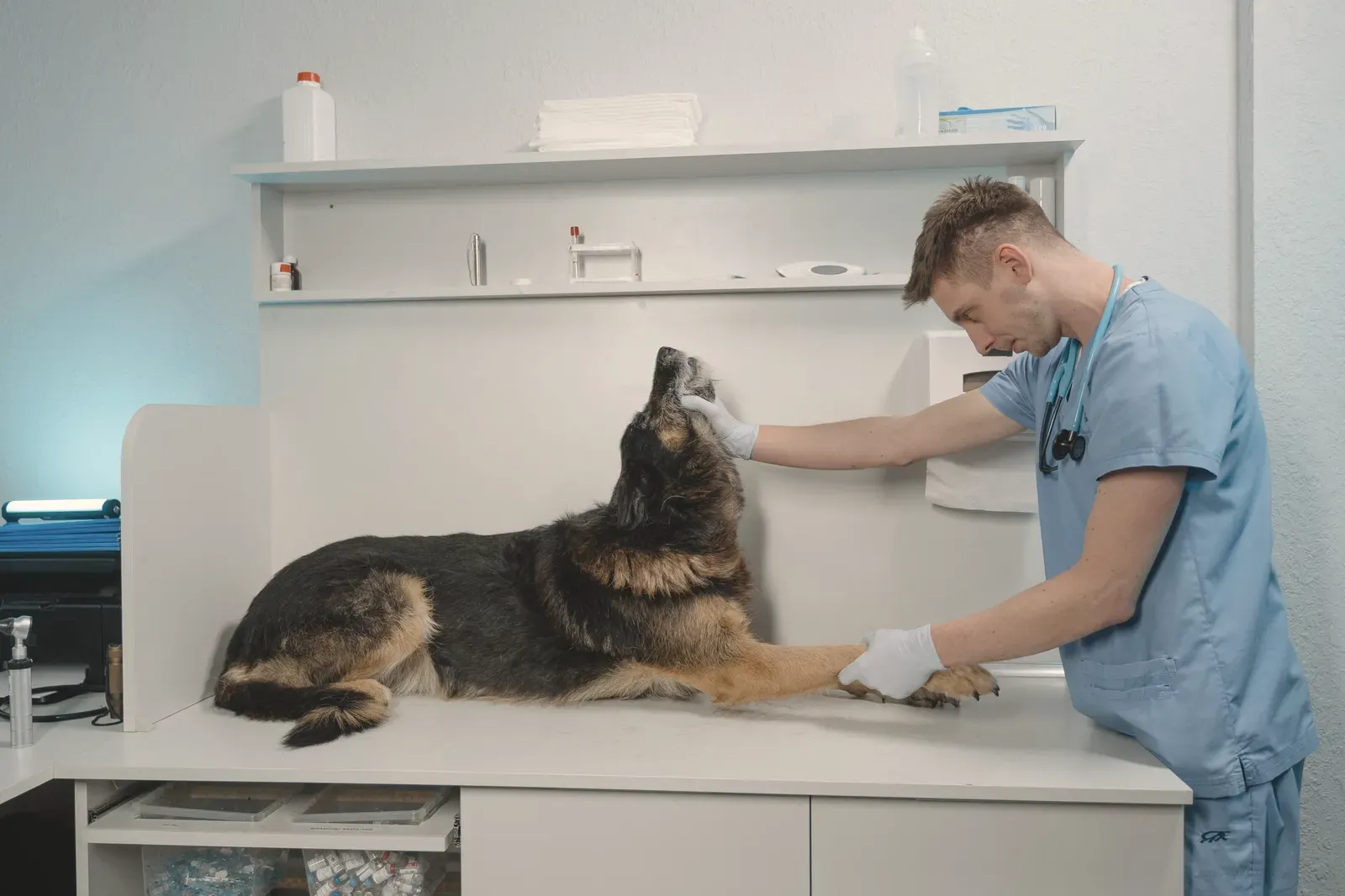
What does a Thai pet policy cover?
Here are the two plans as their sellers' pages printed them:
| Pet Buddy (ttb) | Pet Friend (Amber) | |
|---|---|---|
| Sold by | ttb bank, as a sales channel only | Amber Insurance Broker |
| Underwritten by | Muang Thai Insurance (named on the page) | Not named in the text we read |
| Pets | Cats and dogs only | Dogs and cats only |
| Age when you apply | 3 months to 7 years | 3 months to 7 years in the conditions; 8 weeks to 7 years in the FAQ |
| Health check | A pet health certificate and a full vaccination record | Health questions on the application; the FAQ says no exam or vaccination is needed, while the conditions panel shows complete vaccination documents |
| Premium | From 3,000 baht a year | Six plans: 600, 1,900, 2,900, 4,200, 6,600 or 12,500 baht a year |
| Headline limits | Accident treatment up to 30,000 baht; illness up to 15,000 baht a year; parasites and skin disease up to 15,000 baht a year | Plans 3 to 6 pay 50% of each bill; every plan lists 10,000 baht third-party cover and 500 baht for a funeral |
| Waiting period | 60 days for illness and death from illness; 14 days for lost-pet advertising | 60 days for illness (Pet Friend terms page) |
| Where it covers | Pet must be in Thailand | Thailand only |
ttb's FAQ lists everything a Pet Buddy plan can include, depending on the plan you choose: death of the pet, treatment for illness and accidents, treatment caused by worms, ticks, fleas, mites, mange or any skin disease, liability to third parties, the cost of advertising for a lost pet, vaccination costs and funeral costs. Skin and parasite problems are paid as treatment, but the FAQ says a death from those causes is not covered. Accident cover starts once the policy is in force and the premium is paid, and the plan pays for a death from an accident only if the pet dies within 90 days of it.
The Pet Friend terms page describes its core cover as paying for necessary treatment as an in-patient in an animal hospital, after an illness (once the 60 day waiting period has passed) or an accident, less any deductible or co-payment, up to the limit in the policy schedule. On Amber's page, plans 3 to 6 pay 50% of the actual cost of each visit and each bill, so on those plans you carry half of every bill yourself.
Third-party cover matters in a condo. If your dog bites a neighbor or a cleaner, who must pay is set by Thai law, explained in our dog bites and rabies guide. A pet plan's liability limit can be small next to a hospital bill: every Amber plan lists 10,000 baht for third-party death or injury.
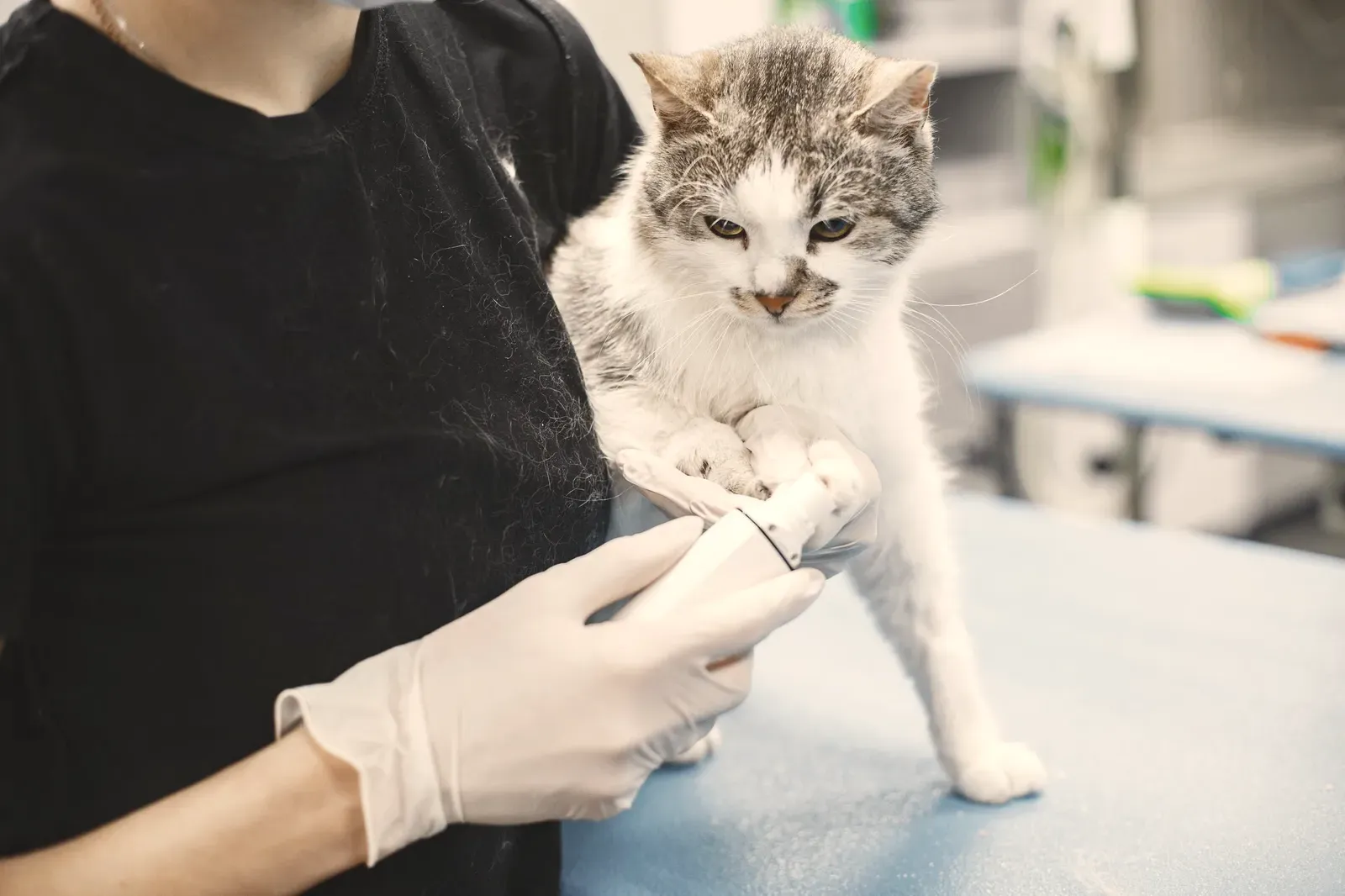
Which pets can be insured, and what do you need to apply?
Age is the first filter. ttb's Pet Buddy accepts pets aged 3 months to 7 years. The Pet Friend terms page says 8 weeks to 7 years when the contract is made, while Amber's Pet Friend page gives 3 months to 7 years in its conditions and 8 weeks to 7 years in its FAQ, so check the age rule on the application itself. None of the plans we read takes a pet over 7 years old as a new customer.
ttb's acceptance conditions for Pet Buddy:
- The pet is 3 months to 7 years old.
- It is healthy, with no injury, disability or illness, as shown on a pet health certificate.
- It lives in Thailand.
- Its vaccinations are complete for the standard diseases and schedule.
- One policy per pet.
- A microchip, if you choose the microchip version of the plan. The FAQ says a microchip is not required otherwise.
The documents ttb lists: the completed application, the health certificate, a copy of the vaccination record, proof of a microchip if the pet has one, a copy of the owner's ID card, and photos of the pet no more than 2 weeks old: face, full body from the front, left and right sides, belly, and any distinguishing mark. ttb's FAQ adds that a pet with another disease cannot be insured.
Amber's Pet Friend page is lighter on paperwork: its FAQ says no health check or vaccination is needed to apply, only truthful answers to the health questions, and warns that a policy can be canceled or a claim refused if the answers turn out to be false. The conditions panel on the same page still shows "complete vaccination documents as required", so keep the vaccination book to hand either way. Those conditions also require a healthy pet with no chronic illness, injury or disability, no treatment in the 90 days before you apply, and a pet living in Thailand.
For foreigners: both document lists ask for a copy of the owner's ID card, using the Thai term for a national ID card. If you hold a passport rather than a Thai ID card, ask the seller which document it accepts before you pay. If you are still bringing your pet into the country, start with our importing pets to Thailand guide; if you are adopting here, see adopting a pet in Thailand.

What is excluded, and how long is the waiting period?
The waiting period is the stretch after a policy first starts when illness is not covered. ttb's Pet Buddy page sets it at 60 days for death or treatment caused by illness, and 14 days for the cost of advertising a lost pet. The Pet Friend terms page also covers illness only after 60 days. Accidents are covered from the start date on Pet Buddy.
Exclusions that appear on both the ttb page and the Pet Friend terms page:
- Conditions the pet had before the policy (Pet Friend: chronic disease, or an injury or illness not cured before the contract).
- Congenital and hereditary conditions.
- Routine checkups and preventive vaccination, and treatment that is not medically necessary or is for looks or hygiene.
- Sterilization, contraception, pregnancy and birth. Pet Friend makes an exception for an emergency cesarean.
- Dental and gum treatment, unless needed because of an accident.
- Injury during transport by land, water or air.
- Malnutrition, crowding and suffocation caused by a heat wave. In a Thai hot season this is worth reading twice: keep your pet cool, because heat stress may not be claimable.
The Pet Friend terms page lists 30 exclusions in all. Others worth knowing: dogs kept for breeding, sale, fighting, hunting, racing, search and rescue or police work; behavior problems such as aggression or fear of thunder; death or illness caused by worms, ticks, fleas, mites, mange or any skin disease; alternative medicine; grooming, ear cleaning, nail trimming and bathing; supplements and prescription diets; vaccination unless needed because of an accident or illness; retained testicles and umbilical or inguinal hernias; consultation fees, referral and transport costs and microchipping; natural disasters; and any liability arising outside Thailand.
ttb's list adds epidemic disease of that kind of animal, poisoning or deliberate harm by the owner or anyone living with the owner, and injuries from fights with other pets in your own home. Amber's page excludes third-party liability for breeds it calls aggressive, naming the American Bulldog, Rottweiler and Pit Bull Terrier, "and other breeds as stated".

How much does pet insurance cost in Thailand?
On Amber's page, the six Pet Friend plans cost 600, 1,900, 2,900, 4,200, 6,600 and 12,500 baht a year. Every plan lists a top line of 200,000 baht for accident and illness treatment, 10,000 baht for third-party death or injury and 500 baht toward a funeral. The comparison table on the page sets lower limits per visit and per year for each plan, shows plan 1 as not covering illness, and has plans 3 to 6 paying 50% of each bill. Read the plan's own schedule rather than the headline figure before you buy.
ttb's Pet Buddy page gives premiums from 3,000 baht a year, with accident treatment up to 30,000 baht and illness up to 15,000 baht a year, plus up to 15,000 baht a year for parasites and skin disease. The full plan table on that page is an image, so we print only the figures in its text.
Whether that is worth it depends on your pet and your budget. Set the premium, the 50% share or deductible, and the exclusions against what local vets charge for the problems you are most likely to face. Many owners keep an emergency fund instead, or as well. Budgeting for a move? Our cost of living guide covers the rest of the monthly bill.

How do you buy a policy and make a claim?
You can buy through a bank, a broker or an insurer's own site. When a bank sells it, the OIC's advice on buying insurance through a bank applies. Among its 12 points:
- Ask to see the bank employee's broker license for the type of policy, life or non-life. A pet policy is not life insurance.
- Buying is voluntary, and a bank may not make insurance a condition of a loan or any other transaction.
- Fill in the application yourself, or check every answer, and give no false statement.
- Pay only into the insurer's account and keep the bank's receipt.
- When the policy arrives, check it matches what you were sold; you can cancel within the period stated in the policy if it does not.
- Questions go to the OIC hotline, 1186.
Claiming. ttb's FAQ says you pay the animal hospital first, then send the claim documents to the insurer. In practice, keep the vet's diagnosis, the itemized bill and the receipt for every visit, and photos if an accident was involved. The Pet Friend terms say the insurer pays only the part not already paid by another insurer or another person, and Amber's FAQ adds that across several policies you are paid no more than the actual bill.
Our checklist before you sign:
- Insure while young. Every plan we read stops taking new pets at 7.
- Note the 60 day date on your calendar: illness before it is not covered.
- Read the exclusions for your breed: heat, dental, hereditary and breed-based liability exclusions hit some dogs harder than others.
- Check the share you pay: a 50% plan halves every bill, not just the big ones.
- Check the liability limit if you live in a condo with shared lifts and gardens; see our pet-friendly condos and rentals guide for the building rules.

Frequently asked questions
Yes. Thai insurers sell pet policies for dogs and cats, for example through a bank and through a broker. On 25 November 2026 we read ttb bank's page for the Pet Buddy plan, underwritten by Muang Thai Insurance, with premiums from 3,000 baht a year, and Amber Insurance Broker's page for the Pet Friend plan, with six plans from 600 to 12,500 baht a year. Both pages cover only dogs and cats.
On the pages we read, young. ttb's Pet Buddy page accepts cats and dogs aged 3 months to 7 years. The Pet Friend terms page on scspetfriend.com says 8 weeks to 7 years when the contract is made, and Amber's Pet Friend page gives 3 months to 7 years in its conditions and 8 weeks to 7 years in its FAQ. An older pet is outside every plan we read, so insure early if you want cover.
Yes, for illness. ttb's Pet Buddy page sets a 60 day waiting period, from the date the policy first takes effect, for death or treatment caused by illness, and 14 days for the cost of advertising a lost pet. Accident cover starts from the policy start date once the premium is paid. The Pet Friend terms page also pays for illness only after a 60 day waiting period.
The lists are long. On the pages we read they include conditions the pet had before the policy, congenital and hereditary conditions, routine checkups and preventive vaccines, sterilization, pregnancy and birth, dental treatment unless caused by an accident, injury during transport by land, water or air, and suffocation caused by a heat wave. The Pet Friend terms also exclude behavior problems, alternative medicine, grooming, supplements and microchipping, and Amber's page excludes third-party liability for breeds it calls aggressive, naming the American Bulldog, Rottweiler and Pit Bull Terrier.
The document lists on both seller pages we read ask for a copy of the owner's ID card, using the Thai term for a national ID card. If you hold a passport rather than a Thai ID card, ask the seller which document it accepts before you apply. Every plan we read also requires the pet to live in Thailand.
On ttb's Pet Buddy FAQ, yes: you pay the animal hospital first and then send the claim documents to the insurer. Keep the itemized bill, the vet's diagnosis and the receipt for every visit.
Looking for a home that welcomes your pet?
Browse condos and houses listed by partnered agents across Thailand, and check the building's pet rules before you sign.
General information only, not insurance, legal or financial advice. Plans, premiums, ages, waiting periods and exclusions are as ttb's, Amber Insurance Broker's and scspetfriend.com's pages and the OIC's advice showed them on 25 November 2026 (Bangkok time). Insurers change plans and prices, so read the policy wording and schedule before you buy.
Sources
- ttb bank page for the Pet Buddy pet insurance plan, underwritten by Muang Thai Insurance with ttb as a sales channel only (Thai): cats and dogs aged 3 months to 7 years, premiums from 3,000 baht a year, accident treatment up to 30,000 baht, illness up to 15,000 baht a year, parasites and skin disease up to 15,000 baht a year, acceptance conditions (health certificate, vaccinations, Thailand only, one policy per pet, microchip plan), application documents incl. photos no more than 2 weeks old, exclusions, 60 day illness and 14 day lost-pet waiting periods, accident death within 90 days, pay first then claim ↗TMBThanachart Bank (ttb), Thailand · Accessed 25 November 2026
- Amber Insurance Broker page for the Pet Friend Insurance plan (Thai): six plans at 600, 1,900, 2,900, 4,200, 6,600 and 12,500 baht a year, 200,000 baht top limit, 10,000 baht third-party death or injury, 500 baht funeral, 50% of each bill on plans 3 to 6, conditions (age 3 months to 7 years, no treatment in the 90 days before applying, Thailand only), FAQ ages 8 weeks to 7 years, third-party liability excluded for aggressive breeds such as the American Bulldog, Rottweiler and Pit Bull Terrier ↗Amber Insurance Broker Co., Ltd., Thailand · Accessed 25 November 2026
- Pet Friend Insurance terms page on scspetfriend.com (Thai), naming Siam Cosmos Service Co., Ltd. as the contact: dogs and cats kept as pets in Thailand, age 8 weeks to 7 years at contract, in-patient treatment after a 60 day illness waiting period or an accident, and 30 listed exclusions ↗Siam Cosmos Service Co., Ltd. (Pet Friend Insurance site), Thailand · Accessed 25 November 2026
- OIC advice on buying insurance through a bank (Thai, undated PDF, 12 points): life insurance is not a deposit, ask to see the seller's broker license, no insurance as a loan condition, cancel a life policy within 15 days of receiving it for a refund less expenses and any medical check cost, surrender value after that, pay only into the insurer's account, hotline 1186 ↗Office of Insurance Commission (OIC), Thailand · Accessed 25 November 2026
Official primary sources are listed above with the date we last checked them. Thai rules, fees, thresholds and procedures change and can be applied differently by individual offices and embassies, confirm the current requirement with the responsible authority before relying on it. General information only, not legal, tax or medical advice. BAANLYY never takes paid placement in editorial content.