The short answer
Both rights are real rights in Book 4 of the Civil and Commercial Code. Title 5 is habitation and Title 6 is superficies. They answer different needs: a superficies is about owning what is built or planted on someone else's land, and a right of habitation is about living in someone else's building. The table gives the main points of each.
| Point | Superficies | Habitation |
|---|---|---|
| What the holder gets | The right to own buildings, structures or plantings on or under another person's land (s.1410) | The right to live in a building without paying rent (s.1402) |
| How long | A period of time, the life of the land owner or the life of the holder (s.1412) | A period of time or the life of the holder (s.1403) |
| Limit on a fixed period | Thirty years, with renewal for not more than thirty years from the day of renewal (s.1412, applying s.1403) | Thirty years, with renewal for not more than thirty years from the day of renewal (s.1403) |
| Transfer and inheritance | Transferable and inheritable unless the creating act provides otherwise (s.1411) | Not transferable, even by inheritance (s.1404) |
| No period fixed | Either party may end it at any time on reasonable notice; where rent is payable, one year's notice or one year's rent (s.1413) | May be ended at any time on reasonable notice to the holder (s.1403) |
| Ending for breach | For neglect of an essential condition in the creating act, or two consecutive years of unpaid rent where rent is payable (s.1414) | Lessee duties in ss.552 to 555, 558, 562 and 563 apply with the necessary changes (s.1409) |
| At the end | The holder may remove what was built or planted and must restore the land; the land owner may instead offer to buy at the market price (s.1416) | The holder must return the property to the grantor (s.1408) |
Sections are from the Thai consolidated text of the Civil and Commercial Code on the Office of the Council of State law search, read on 16 November 2026. English wording is our own rendering.
For how these two rights sit beside a usufruct and a lease, see our comparison in usufruct and land rights in Thailand. This guide is the section by section law for two of them.
What is a right of superficies?
Section 1410 gives the definition. The owner of land may create a right of superficies (sitthi nuea phuen din in the Thai text) in favor of another person, by giving that person the right to be the owner of buildings, structures or plantings on or under that land.
The section has four parts worth reading one at a time.
- It is created by the owner of the land. Section 1410 names the owner of the land as the person who creates the right.
- It is a right to own. The holder is the owner of what is built or planted. That is the difference from a lease, under which a tenant uses property that belongs to the landlord.
- It covers three kinds of thing. The section lists buildings, structures and plantings.
- It reaches above and below the surface. The words of the section are on the land or under the land.
The right fits with section 146 in Book 1 of the Code. That section says a building or other structure that a person who has a right in another person's land has built on that land, in the exercise of that right, is not regarded as a component part of the land. Our guide to building on someone else's land in Thailand explains component parts and what happens when a person builds with no such right.
Sections 1410 to 1416 say nothing about the nationality of the holder. Who may own land, and what a foreigner may hold, is decided by other laws: see can foreigners own land in Thailand and can foreigners buy a house in Thailand.

Creating and registering a superficies
Title 6 speaks of the juristic act that creates the right (sections 1411 and 1414) but does not set its form. The general rule in section 1299 does. Its first paragraph says that, subject to the Code and other laws, the acquisition by juristic act of immovable property, or of a real right relating to immovable property, is not complete unless the juristic act is made in writing and the acquisition is registered with the competent official. Section 1298 adds that real rights may be created only by virtue of the Code or of another law.
The Code leaves several points to the creating act, so the document is where they are settled.
| Point for the document | What the Code says | Source |
|---|---|---|
| Whether the right can be transferred or inherited | It can, unless the creating act provides otherwise | s.1411 |
| How long the right runs | A period of time, the life of the land owner or the life of the holder; a fixed period may not exceed thirty years | ss.1412 and 1403 |
| Whether rent is payable | The Code does not require rent; sections 1413 and 1414 set rules for the case where rent is payable | ss.1413 and 1414 |
| Which conditions are essential | Neglect of an essential condition stated in the creating act lets the other party end the right | s.1414 |
Civil and Commercial Code, ss.1403 and 1411 to 1414.
Section 1301 applies sections 1299 and 1300 to the modification, extinction and revival of real rights relating to immovable property as well, so a later change to a registered right belongs in the register too. Our guides to Thai title deeds and to Thailand land offices explain where registration takes place.
How long a superficies lasts
Section 1412 offers three measures of time, and section 1413 covers the case where none is chosen.
- A fixed period. The second paragraph of section 1412 applies the third paragraph of section 1403 with the necessary changes. That paragraph says the period may not exceed thirty years, a longer period is reduced to thirty years, and the grant may be renewed for a period of not more than thirty years from the day of renewal.
- The life of the owner of the land. Section 1412 allows the right to be created for the lifetime of the land owner.
- The life of the holder. It may equally be created for the lifetime of the holder of the right.
- No period at all. Under section 1413, either party may then end the right at any time, on giving reasonable notice to the other. If rent is payable, the notice must be given one year ahead, or one year's rent must be given.
The thirty year limit is written for a right created for a period. Section 1412 sets the lifetime measures beside it as separate choices, and the paragraph that brings in the thirty year rule refers only to a right created for a period.
A person paying for a house on another person's land should notice what section 1413 means for a right with no period: the land owner can end it on reasonable notice. A fixed period written into the registered document takes the right out of that section. Section 1413 speaks only of a right that has no period, and it does not mention the lifetime measures of section 1412.
Transfer and inheritance
Section 1411 is one sentence: unless the juristic act creating the right of superficies provides otherwise, the right may be transferred and may pass by inheritance.
That default is the main practical difference between a superficies and the right of habitation described below, which section 1404 makes personal to its holder. It also means the point should be read in the document, in both directions. A holder who expects to sell the house with the right, or to leave it to heirs, needs a document that does not take the default away. A land owner who wants the right to stay with one person needs a document that says so.
Where the right is created for the life of the holder under section 1412, the right is measured by that life. Section 1411 does not say how the two sections work together in that case, and no court decision was read for this guide, so ask a lawyer before relying on inheritance of a right created for the holder's lifetime.
Ending a superficies, and what happens to the building
Sections 1413 to 1416 cover the end of the right. Two of them say when a party may end it, one says what does not end it, and the last says what becomes of the building.
| Situation | What the Code says | Source |
|---|---|---|
| The right has no period | Either party may end it at any time on reasonable notice to the other; where rent is payable, one year's notice or one year's rent | s.1413 |
| An essential condition is neglected | If the holder neglects to comply with an essential condition stated in the creating act, the other party may end the right | s.1414 |
| Rent is unpaid | Where rent is payable and the holder neglects to pay it for two consecutive years, the other party may end the right | s.1414 |
| The building is destroyed | The right is not extinguished because the buildings, structures or plantings are destroyed, even by force majeure | s.1415 |
| The right has ended: removal | The holder may remove the buildings, structures and plantings, but must restore the land to its former condition | s.1416, first paragraph |
| The right has ended: purchase | If the land owner will not allow removal and states an intention to buy at the market price, the holder may not refuse to sell, unless there is reasonable cause | s.1416, second paragraph |
Civil and Commercial Code, ss.1413 to 1416.
Section 1415 protects the holder against the loss of the building. A fire or a flood that destroys the house does not end the right, so the right to own a building on the land continues for as long as the right runs.
Section 1416 is the section to read before building. At the end of the right the holder's first position is removal, with the cost of putting the land back as it was. The land owner has a way to keep the building, by refusing removal and offering the market price, and the holder can decline that offer only for reasonable cause. The section does not say how the market price is fixed, and it does not give the holder a right to make the land owner buy.
A masonry house cannot be carried away in practice, so the money result at the end of the right depends on those few lines. Sections 1410 to 1416 contain no provision for extra time at the end and none for compensation beyond the purchase in section 1416. What the parties want at the end is best written into the creating act and read by a lawyer first.
What is a right of habitation?
Section 1402 gives the definition. A person who is granted a right of habitation (sitthi asai in the Thai text) in a building has the right to live in that building without paying rent. The right is over a building, and the benefit is living in it.
Sections 1403 to 1408 fill in the terms.
| Section | What it says |
|---|---|
| 1403, first paragraph | The right may be created for a period of time or for the life of the holder |
| 1403, second paragraph | If no period is fixed, the right may be ended at any time, but reasonable notice must be given to the holder |
| 1403, third paragraph | A fixed period may not exceed thirty years; a longer period is reduced to thirty years; the grant may be renewed for a period of not more than thirty years from the day of renewal |
| 1404 | The right cannot be transferred, even by way of inheritance |
| 1405 | Unless the right is expressly limited to the benefit of the holder personally, the members of the holder's family and household may live in the building too |
| 1406 | Unless the grantor has expressly forbidden it, the holder may take the natural fruits or the produce of the land, only so far as needed for the household |
| 1407, first paragraph | The grantor is not bound to keep the property in good repair |
| 1407, second paragraph | The holder cannot claim back expenses spent on improving the property |
| 1408 | When the right ends, the holder must return the property to the grantor |
Civil and Commercial Code, ss.1403 to 1408.
Three of those sections shape what the right is good for. Section 1404 makes it personal: it cannot be sold, given away or left to an heir. Section 1405 softens that for daily life, because a spouse, children and others in the household may live there unless the grant says the right is for the holder alone. Section 1407 puts the risk of the building's condition on the holder, who gets neither repairs from the grantor nor money back for improvements.
A common question is whether a relative or a partner can have a home for life in a house that belongs to someone else. Sections 1402 to 1409 do not mention family ties or nationality. They describe the right, and other laws decide who may own the land and the building.
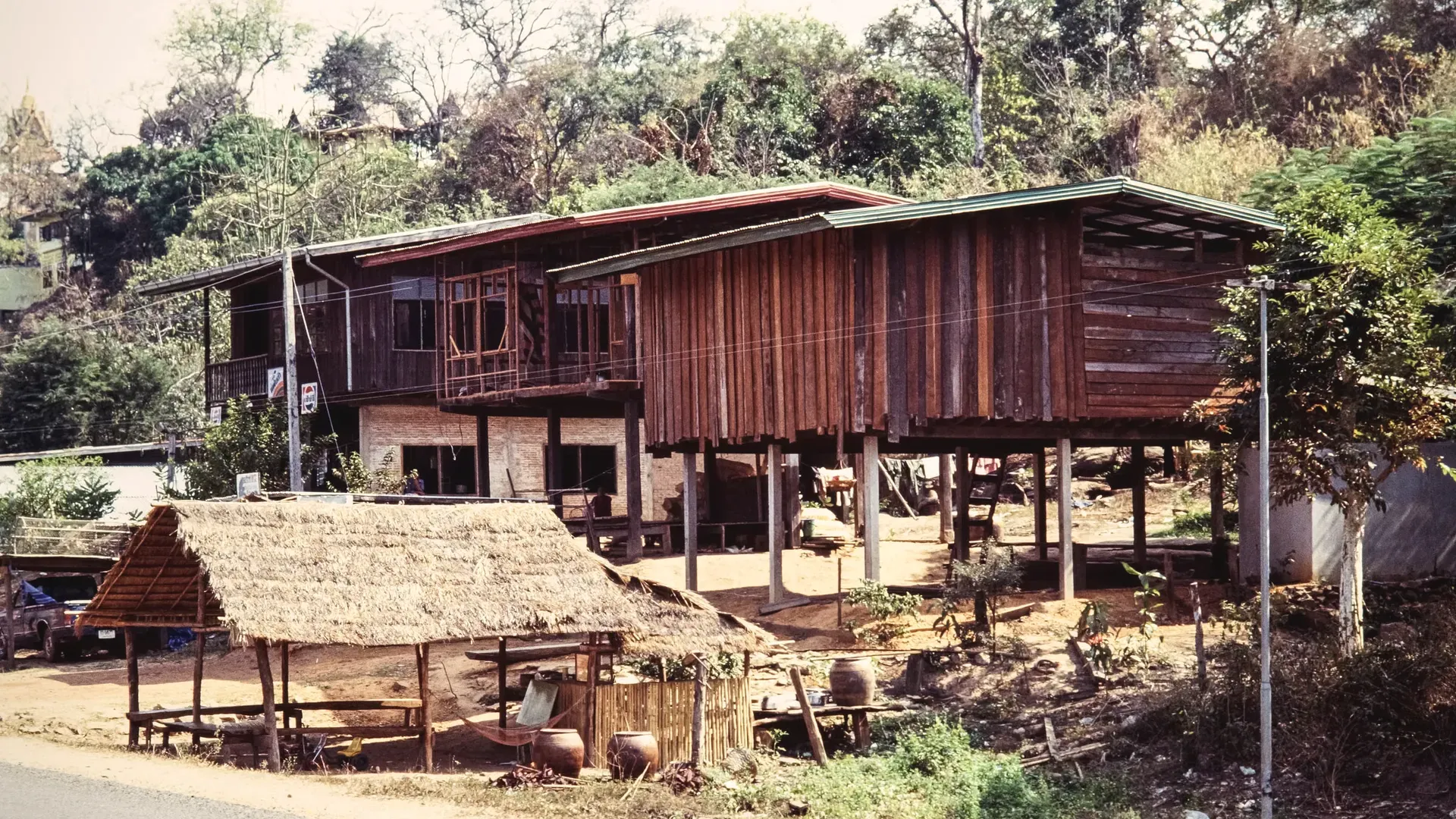
Duties of a person with a right of habitation
Section 1409 does not write out the holder's duties. It applies seven sections from the law of hire of property, on the duties and liability of a lessee, with the necessary changes. Read with that change, they come to this.
| Section applied | What it says of a lessee |
|---|---|
| 552 | May not use the property for a purpose other than the ordinary and usual one, or the one fixed in the contract |
| 553 | Must take as much care of the property as a person of ordinary prudence would take of their own, and must carry out maintenance and minor repairs |
| 554 | If the lessee acts contrary to section 552, section 553 or the terms of the contract, the lessor may give notice to comply; if the lessee fails to comply, the lessor may terminate the contract |
| 555 | Must allow the lessor, or the lessor's agent, to inspect the property from time to time at reasonable times |
| 558 | May not alter or add to the property without the lessor's permission; if that is done without permission, the lessee must on demand restore the property and is liable for loss or damage that results |
| 562 | Is liable for loss or damage caused by the lessee's own fault, or the fault of persons living with the lessee or of a sublessee; is not liable for loss or damage that results from proper use |
| 563 | An action by the lessor against the lessee in connection with the contract may not be brought later than six months after the return of the property |
Civil and Commercial Code, ss.552 to 555, 558, 562 and 563, applied by s.1409 with the necessary changes.
Section 1409 names those seven sections and no others from the law of hire. Read with section 1407, the result is that the holder looks after the building and does the minor repairs, may not rebuild or extend it without permission, and has no claim for the cost of improvements.
Which right fits which need
The two rights are not alternatives for the same job. The list sets each beside the need it answers in the words of its own sections, and points to the guides on the other ways of holding property.
- Owning a house on land that stays with someone else. That is the right in section 1410. It can pass to a buyer or an heir unless the creating act says otherwise (section 1411).
- A home for one person, rent free. That is the right in section 1402. It ends with its period or with the holder's life and cannot pass on (sections 1403 and 1404).
- Possessing, using and taking the benefits of a property. That is a usufruct, which section 1417 opens in the next Title of the Code, covered in usufruct and land rights in Thailand.
- Renting. See leasehold and freehold in Thailand and, for long commercial and industrial leases, the 50 year lease guide.
- Sap-ing-sith. This is a separate right under its own Act, not part of the Code. See sap-ing-sith in Thailand.
A superficies gives ownership of the building, and sections 1410 to 1416 say nothing about the use of the rest of the plot. Whether rights can be combined on one plot, and how the land office registers them, was not checked for this guide.
Before you sign
The sections above turn into a short list of questions for the document.
- Is the right in writing, and will it be registered with the competent official, as section 1299 requires for a real right acquired by juristic act?
- Is there a period, and is it thirty years or less? If the right is for a lifetime, whose lifetime?
- For a superficies: does the document keep or remove the default in section 1411 that the right can be transferred and inherited?
- Is rent payable? If it is, section 1414 lets the land owner end a superficies after two consecutive years without payment.
- Which conditions does the document call essential? Section 1414 attaches the end of the right to them.
- What happens to the building at the end? Section 1416 gives removal, or a sale to the land owner at the market price if the land owner asks.
- For a right of habitation: is it limited to the holder personally, or may the household live there under section 1405?
The Civil and Commercial Code was read in Thai in the latest consolidated text on the Office of the Council of State law search on 16 November 2026. The English wording is our own rendering and is not an official translation. No court decision was read, so the guide does not say how the courts read essential condition, reasonable notice, reasonable cause or market price. No Department of Lands or Revenue Department page was opened this run, so land office forms, registration fees and taxes are not given, and the guide does not say who may hold either right.
If the house is to be built on a spouse's land, read buying property with a Thai spouse first. For a reading of the draft before it is registered, see the directory of lawyers in Thailand.
Frequently asked questions
Section 1410 of the Civil and Commercial Code says the owner of land may create a right of superficies in favor of another person, giving that person the right to own buildings, structures or plantings on or under the land. The land stays with its owner, and the holder of the right owns what stands on it.
Section 1412 says a right of superficies may be created for a period of time, for the life of the owner of the land or for the life of the holder of the right. Where it is created for a period, the third paragraph of section 1403 applies: the period may not exceed thirty years, a longer period is reduced to thirty years, and the right may be renewed for a period of not more than thirty years from the day of renewal.
Section 1411 says that, unless the juristic act creating the right provides otherwise, a right of superficies is transferable and can pass by inheritance. The parties can therefore decide the point in the document that creates the right.
Section 1416 says the holder may remove the buildings, structures or plantings, but must put the land back as it was. If the owner of the land will not allow removal and states an intention to buy at the market price, the holder may not refuse to sell unless there is reasonable cause.
No. Section 1415 says a right of superficies is not extinguished because the buildings, structures or plantings are destroyed, even where the destruction is caused by force majeure.
Section 1402 of the Civil and Commercial Code says a person who is granted a right of habitation in a building has the right to live in that building without paying rent. Section 1403 allows it for a period of not more than thirty years or for the life of the holder.
No. Section 1404 says a right of habitation cannot be transferred, even by way of inheritance. Section 1405 does let the members of the holder's family and household live in the building too, unless the right is expressly limited to the holder personally.
Section 1299 of the Civil and Commercial Code says the acquisition by juristic act of a real right relating to immovable property is not complete unless the act is made in writing and the acquisition is registered with the competent official. Both rights are in Book 4 of the Code, the book on property, as Titles 5 and 6.
Have the right written and registered before you build
Compare the ways to hold a home on land you do not own, or find a lawyer to read the draft with you.
General information only, not legal advice. Rules are from the Civil and Commercial Code (sections 146, 552 to 555, 558, 562, 563, 1298, 1299, 1301 and 1402 to 1417) in the Thai consolidated text on the Office of the Council of State law search, read on 16 November 2026. English wording of the sections is our own. Have a lawyer read the document before you build on, or move into, property that belongs to someone else.
Sources
Official primary sources are listed above with the date we last checked them. Thai rules, fees, thresholds and procedures change and can be applied differently by individual offices and embassies, confirm the current requirement with the responsible authority before relying on it. General information only, not legal, tax or medical advice. BAANLYY never takes paid placement in editorial content.