The candle festival (Hae Thian Phansa) is held in Ubon Ratchathani city at the start of Buddhist Lent, in July or early August. In 2026 the candles were gathered around Thung Si Mueang on 28 July and paraded on 29 and 30 July, which were also Asalha Bucha and Khao Phansa, both government holidays, with the King's Birthday on 28 July making three days off in a row. Watch the day parade from the stands around Thung Si Mueang, come back for the lit night parade, and remember that most shops cannot sell alcohol on those two holy days.
What is the candle festival, and why candles at Khao Phansa?
Khao Phansa is the start of the Buddhist rains retreat, often called Buddhist Lent. The Department of Cultural Promotion of the Ministry of Culture explains that monks must spend the retreat in one temple for three months, without staying overnight anywhere else, from the first day of the waning moon of the eighth lunar month to the full moon of the eleventh. The department gives the reason handed down from the Buddha's time: monks wandered from village to village all year, and in the rainy season they trampled the villagers' young rice and the small animals in the fields, so the Buddha set a three-month retreat in the rains.
The merit-making for Khao Phansa includes giving alms, offering monks cloth for bathing in the rain, and listening to sermons. The department adds that villagers cast a large candle to offer as worship to the Buddha, kept through the whole of Lent, and that today the Lent candles are carved into scenes that tell a story and paraded around the village or town before they are presented to the temple. In Isaan, it says, the candle parades are especially grand, and the candles from each village are often judged in a beauty contest. Once the parade reaches the temple, villagers take the precepts, listen to a sermon, and in the evening walk around the ordination hall with candles (wian tian).
The Tourism Authority of Thailand describes the Ubon festival in the same terms: candles offered to the monks as light for their practice during the three-month retreat. Its event page also quotes a belief that offering a Lent candle brings wisdom, a bright life and the affection of people and deities. Our Buddhist holy days guide covers Asalha Bucha, Khao Phansa and Ok Phansa across the country.
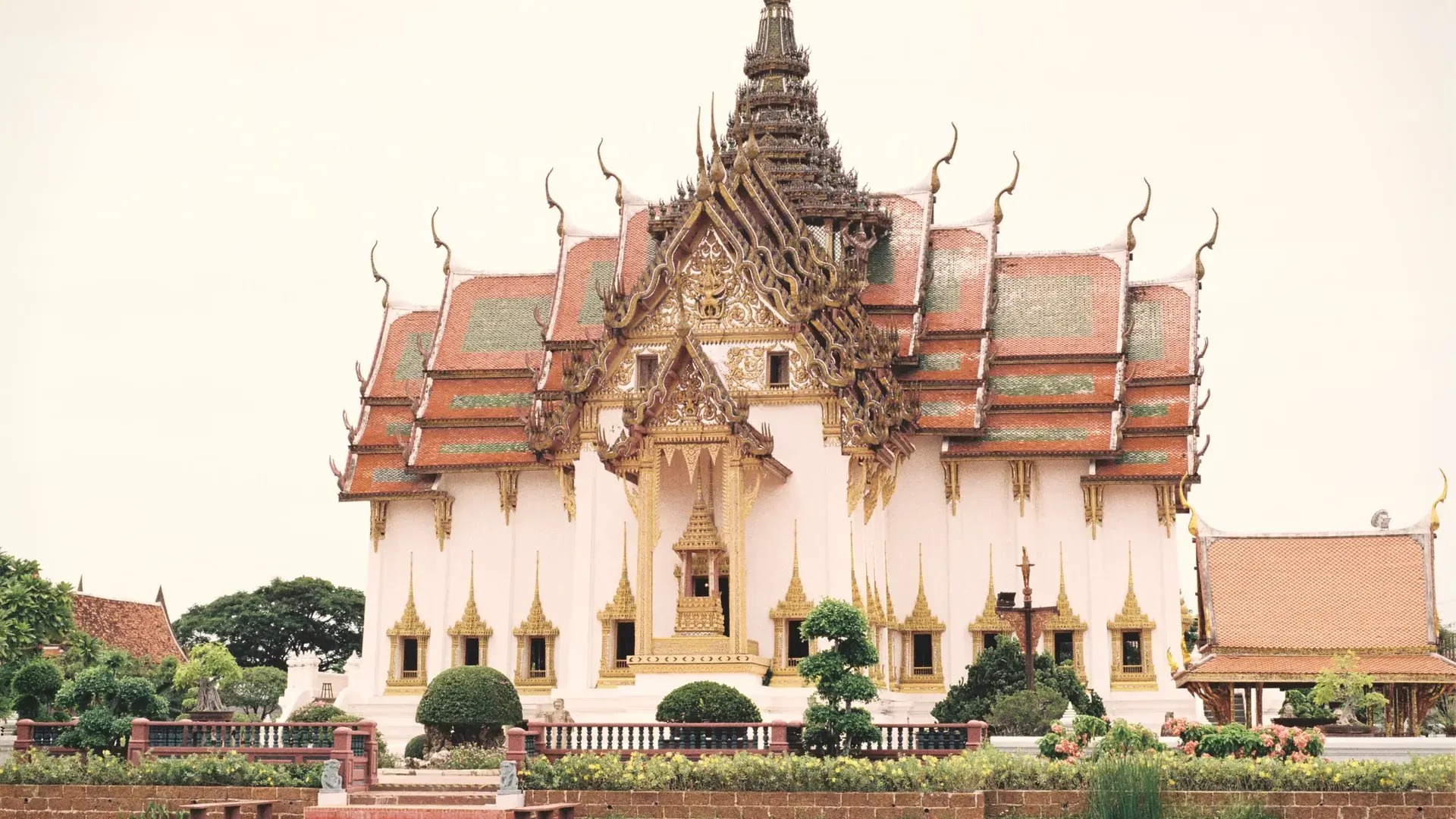
How a temple offering became Ubon's big annual festival
A TAT article of 2 July 2025, which names an Ubon Ratchathani University paper as its source, traces the festival as it is held today to the years 1901 to 1936 (B.E. 2444 to 2479), in the time of Prince Sapphasitthiprasong, a younger brother of King Chulalongkorn (Rama V), who wanted the candle procession to become the province's festival in place of the Bun Bang Fai rocket festival. The 2023 festival was titled "122 years" on the TAT program page, and our reading is that the count starts from 1901.
The same TAT article describes the early form. The slogan was to melt the candles, melt the merit and melt the hearts together: everyone in the community brought wax, which was melted down into one large candle, so that the whole village made merit together regardless of rank. After the casting there was entertainment through the night and alms-giving the next morning, and then villagers decorated ox and buffalo carts and carried the candle to the temples with dancing along the way. Carving came later, the article says, and with it the contests and ever larger floats that draw visitors today.
In 2014 (B.E. 2557) the Ministry of Culture listed the Ubon Ratchathani candle procession tradition as national intangible cultural heritage, first in the social practices, rituals and festivals branch of its announcement of 9 September 2014. In 2026 TAT chose the procession as one of three pilot "Signature Thailand" events to market to long-haul travelers, as The Nation reported on 30 July 2026. For the region's wider story, see Isaan history and our guide to the Bun Bang Fai rocket festival, the festival the prince wanted the candle parade to replace.
When is the candle festival?
The festival is tied to Asalha Bucha and Khao Phansa, so it moves with the lunar calendar, between early July and early August. The 2023 program on the TAT program page shows the pattern clearly: the candles are gathered on Asalha Bucha, paraded on Khao Phansa, and shown off with the contest winners the day after.
| Year | Dates | Source |
|---|---|---|
| 2026 (B.E. 2569) | Candle gathering 28 July 2026; parades 29 and 30 July 2026 (Wednesday and Thursday) | Ubon Ratchathani Provincial Public Relations Office, 30 April 2026; the municipality's 2026 guide gives the same days |
| 2025 (B.E. 2568) | "7 to 13 July 2025, 7 days in all", with the candles on show from 9 July and parades on 10 and 11 July; the same page later says 9 to 13 July 2025 | Tourism Authority of Thailand event page |
| 2023 (B.E. 2566) | Candle gathering 1 August (Asalha Bucha), parade 2 August (Khao Phansa), winners shown 3 August 2023 | Tourism Authority of Thailand program page |
The 2025 page gives two ranges, and we print both rather than pick one. A TAT writer who went in 2025 describes the long weekend of 10 to 13 July. The province's organizing committee met for the first time on 30 April 2026 to plan that year's festival, according to the Provincial Public Relations Office. Our reading: the next year's dates usually appear in the spring before it, so treat any date for next year as unconfirmed until the province, the municipality or TAT prints it. The festival falls in the rainy season: see the Ubon Ratchathani weather guide.
The 2026 festival, day by day
The Ubon Ratchathani City Municipality guide to the 2026 festival (an undated page; most of its program is in poster images) lists the highlights. The provincial report of 30 April 2026 adds the side events and the shuttles.
| When | What | Source |
|---|---|---|
| 1 to 15 July | "Visit the community, see the candle makers": candle-making at 9 temple communities | Province (PRD) |
| 28 July (Tuesday) | Candle gathering night around Thung Si Mueang: more than 47 Lent candles, and a phanom phra boat from Surat Thani as a cultural ambassador | Municipality |
| 29 and 30 July | Day parades of the candle floats and of more than 2,500 dancers, with 5 show points, and a night parade with light and sound | Municipality; Province (PRD) |
| 31 July to 1 August | "Wan Lai" candle parade in the old town | Municipality |
| 3 to 17 August | "Ubon candles all month" at Wat Phra That Nong Bua: candles on show, light and sound, photo points and performances | Province (PRD) |
New in 2026. The Nation reported two new lit sculptures of the cartoon character Nong Mamuang installed as festival landmarks, and that TAT's Ubon Ratchathani office worked with a group of scented-candle makers in Det Udom on a glowing scented-candle float, "Ubon Ratchathani Si Sin", shown four times across the night parades of 29 and 30 July and the Wan Lai program. The Nation dates Wan Lai from 30 July to 1 August; the municipality's guide says 31 July to 1 August. Both are printed here because they differ.
Help on the day. The municipality says a joint command post at the entrance to the City Pillar Shrine welcomes and helps visitors, and its poster set covers the candle parking plan, the day parade order, the night show times, parking, shuttles and toilets.
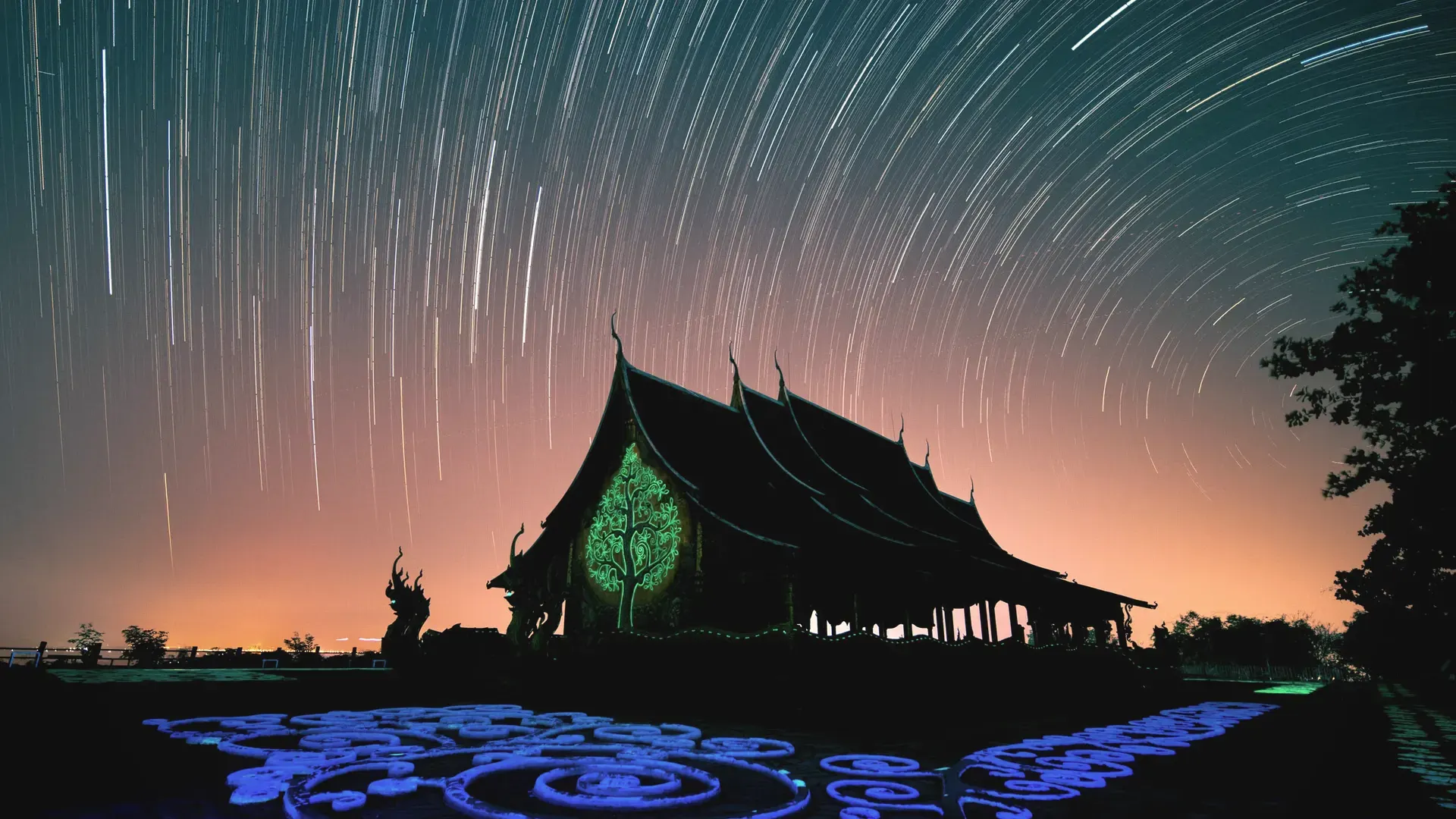
Carved, stamped and old-style: the kinds of Lent candle
A TAT event page names the three kinds of candle in the parade:
- Carved candles (thian kae salak). The Department of Cultural Promotion says Lent candles today are carved into scenes that tell a story, and that in Isaan they are decorated with stories from Buddhism.
- Stamped candles (thian tit phim). The second kind the TAT page names; the 2025 TAT event page invites visitors to see the carved and the stamped candles of each temple community (khum wat).
- Old-style candles (thian boran). Candles in the older style, which the TAT visitor article says the province still keeps in the parade alongside the contemporary floats.
The floats are judged. The 2023 program on the TAT program page lists a Lent candle contest on 1 and 2 August, and the winning and runner-up candles on show on 3 August, as well as a Miss Lent Candle pageant on 31 July. Our reading: the day after the parade is the best time to look at the carving up close, when the floats stand still and the crowds have thinned.
Seeing the candles being made
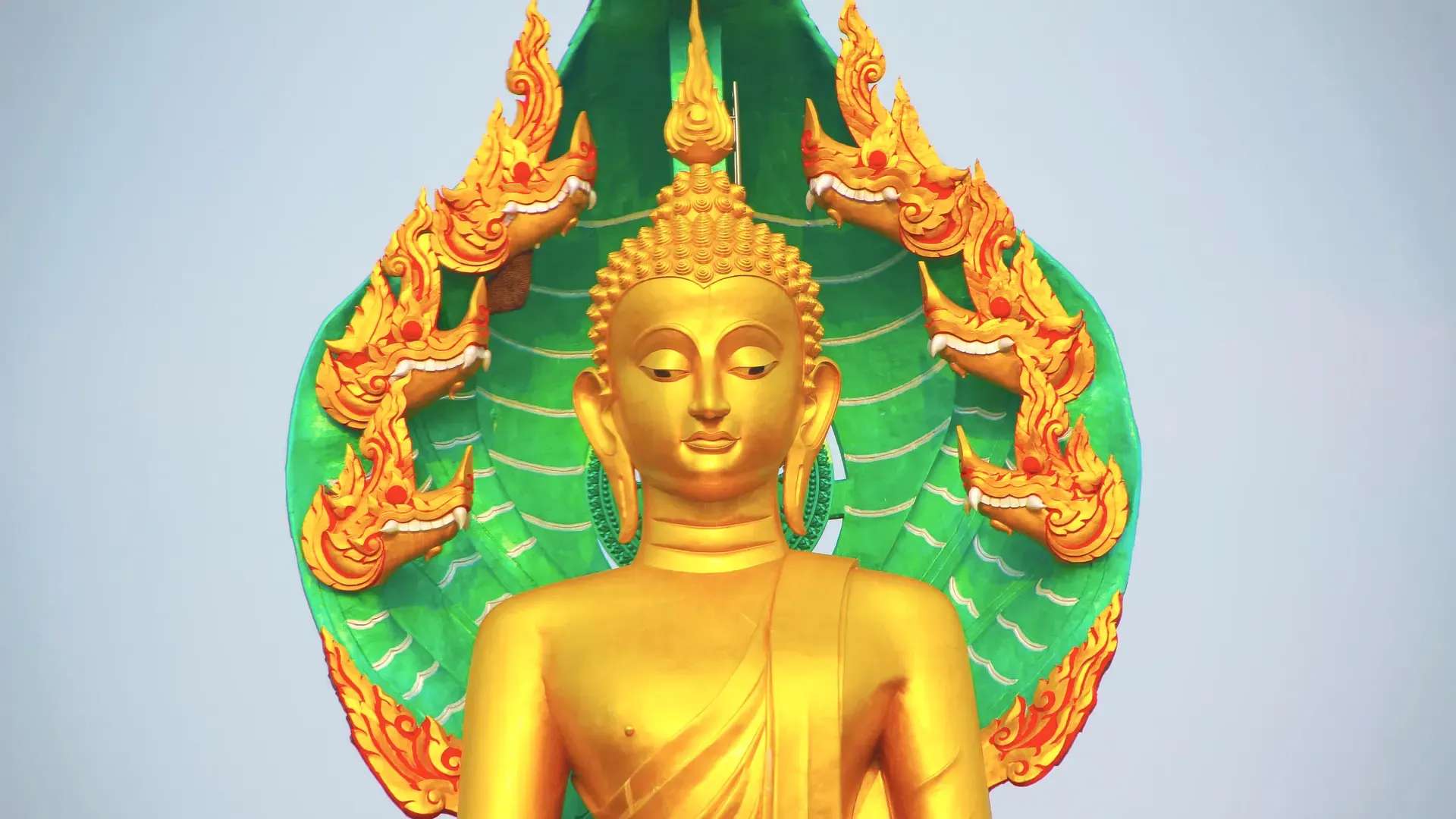
The candles come from the temple communities (khum wat) of the city, as the 2025 TAT event page puts it. In 2026 the province opened the making to visitors: its "Visit the community, see the candle makers" program ran from 1 to 15 July 2026 at 9 temple communities, so that visitors could watch the candles being made close up, according to the Provincial Public Relations Office. In 2023 the same kind of program ran from 19 to 30 July, according to the TAT program page.
If you visit a temple workshop, our reading: it is a working space at a temple, so dress as you would for any temple, ask before you photograph the carvers, and do not touch the wax. Our temple etiquette guide covers the basics.
After the festival the candles stay on show for a while. In 2026 the province planned the "Ubon candles all month" display at Wat Phra That Nong Bua from 3 to 17 August, and in 2023 the TAT program page listed it from 4 to 31 August. Our things to do in Ubon Ratchathani guide covers Wat Phra That Nong Bua and the rest of the city.
Where to watch, and how to get there
The route. A TAT event page (its header shows July 2021) gives the parade route as Upparat Road to Chayangkun Road, with performances at five show points:
- In front of Wat Si Ubon Rattanaram.
- The old City Hall, where the night parade with light and sound is staged.
- In front of the Bua Boutique hotel.
- In front of the Siam Commercial Bank branch at Kilo Sun.
- In front of the Esso fuel station.
Check the current year's plan before you go: the municipality's 2026 guide also gives 5 show points, but its list is in a poster image.
Day or night. The TAT visitor article of 1 August 2025 says the province builds stands on both sides of the road around Thung Si Mueang, which makes the day parade the easiest to watch for families, older people and children. The night parade, it says, began at about 19:30 to 20:00; the stands were full and many people had come from 16:00 to hold a place, and without a seat you can stand at the barrier along the road. The last float finished at about 22:30, after which mor lam music played from speakers by the road and performers and spectators danced together.
Shuttles in 2026. The provincial report planned 4 routes and 22 vehicles on 29 and 30 July:
- Chaloem Phra Kiat bus terminal to the Government Savings Bank roundabout (3 small and 4 large songthaews).
- Central Ubon to the Government Savings Bank roundabout (7 small songthaews).
- The airport to the municipal fire station (1 minibus).
- The airport to the fountain roundabout (7 small songthaews).
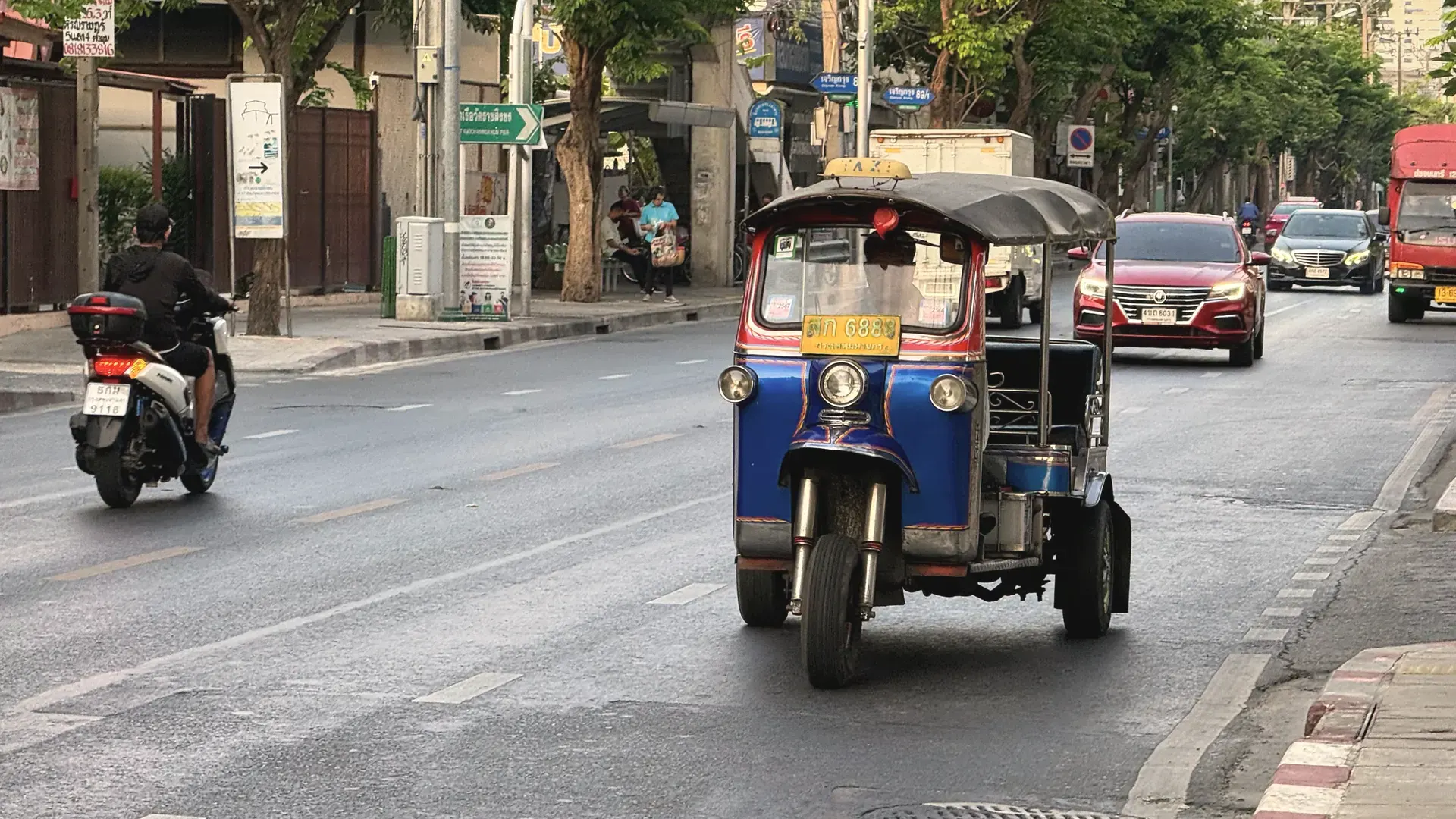
The report does not say whether a fare is charged. For flights in, see domestic flights in Thailand and the Ubon airport transfer guide; for buses, songthaews and tuk-tuks, the Ubon getting-around guide.
Holidays, the alcohol ban, and staying in Ubon
Three days off in 2026. A Department of Lands branch notice for July 2026 lists government offices closed on Tuesday 28 July (the King's Birthday), Wednesday 29 July (Asalha Bucha) and Thursday 30 July (Khao Phansa). Our reading: a three-day run of holidays brings people home to Ubon and fills rooms, so book early. Our King's Birthday guide covers 28 July.
No alcohol sales on the holy days. As the Department of Provincial Administration restated in May 2025, a Prime Minister's Office announcement in force from 10 May 2025 bans the sale of alcohol on the five Buddhist holy days, which include Asalha Bucha and Khao Phansa, except in five cases: inside the passenger buildings of international airports, at entertainment venues under the Service Places law, at similar venues in tourist areas named by the Public Health Minister, at hotels under the Hotel law, and at venues named for national or international special events. In 2026 the two holy days were the two parade days. Our drinking and nightlife rules cover the rest of the year.
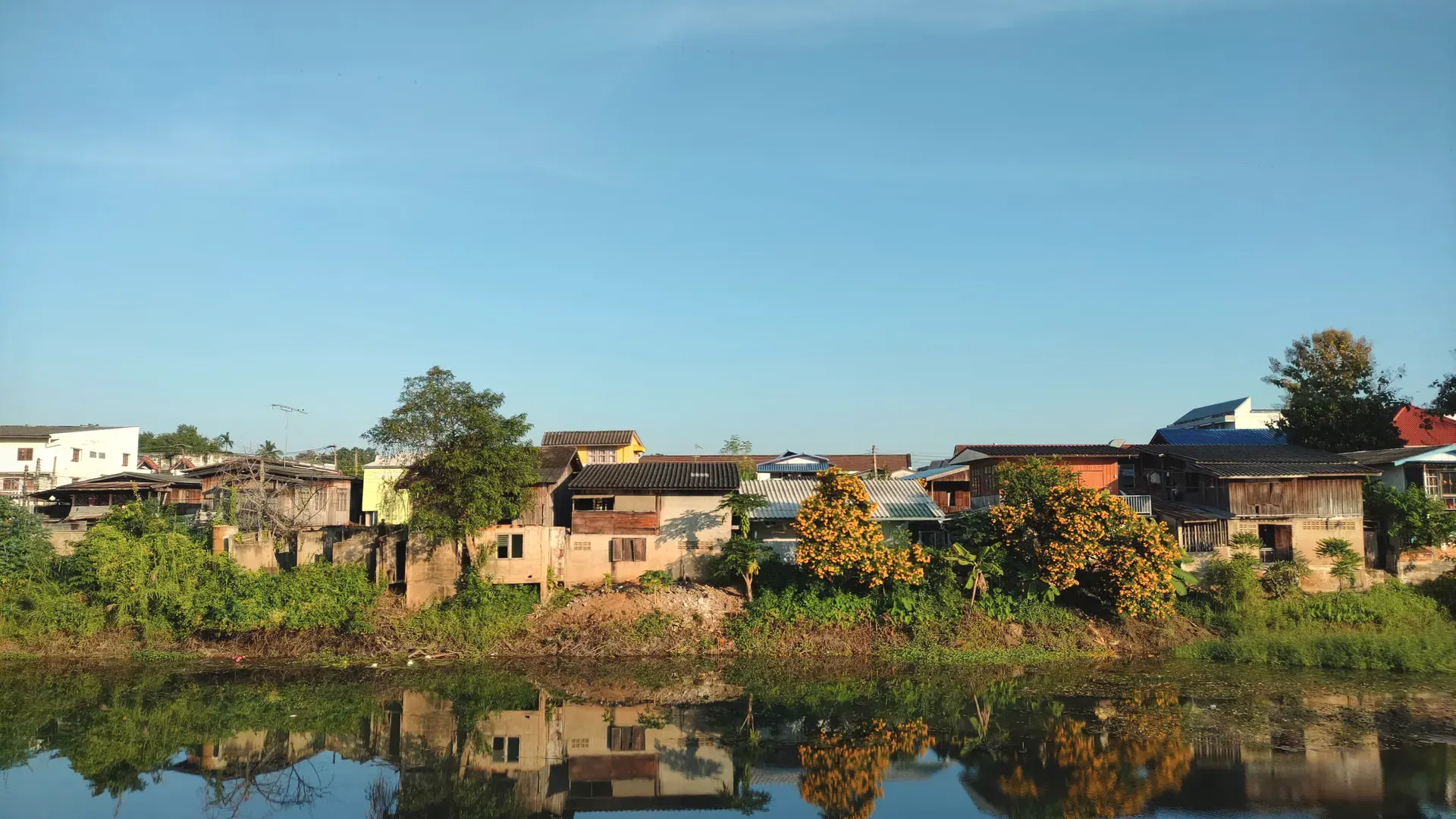
Living in Ubon. The festival is the week the city is busiest. If you are thinking of moving, the Ubon Ratchathani province guide and where to live in Ubon cover the neighborhoods, and Isaan culture covers the region. For the rest of the festival year, see our guides to Songkran, the Bun Bang Fai rocket festival, Phi Ta Khon and Loi Krathong and Yi Peng.
Frequently asked questions
In July or early August, around Asalha Bucha and Khao Phansa, the start of Buddhist Lent, so the dates move with the lunar calendar. In 2026 the province set the candle gathering for 28 July and the two parade days for 29 and 30 July, according to the Ubon Ratchathani Provincial Public Relations Office. In 2025 TAT listed the festival in the second week of July, and in 2023 the parade was on 2 August. Check the province or TAT before you book.
Around Thung Si Mueang in Ubon Ratchathani city. A TAT event page gives the parade route as Upparat Road to Chayangkun Road, with five show points: in front of Wat Si Ubon Rattanaram, the old City Hall, the Bua Boutique hotel, the Siam Commercial Bank branch at Kilo Sun, and the Esso fuel station. The province sets up stands on both sides of the road around Thung Si Mueang, according to a TAT article.
Monks spend the three months of Lent in one temple. TAT says the custom began as a way to give the monks light for their practice in the days before electricity, and the Department of Cultural Promotion says villagers cast a large candle to offer to the Buddha that is kept through the whole of Lent. In Isaan the candles are carved with Buddhist stories, paraded around the village or town and judged before they are taken to the temple.
A TAT event page names three kinds: carved candles (kae salak), stamped candles (tit phim) and old-style candles (boran). The 2025 TAT event page speaks of carved and stamped candles from each temple community.
Not on Asalha Bucha or Khao Phansa in most places. As the Department of Provincial Administration restated in May 2025, alcohol may not be sold on the five Buddhist holy days, which include both, except at international airport terminals, entertainment venues under the Service Places law, similar venues in designated tourist areas, hotels, and listed venues for national or international events. In 2026 those two days were 29 and 30 July, the two parade days.
In 2026 the province planned four shuttle routes on the two parade days, 29 and 30 July: from the Chaloem Phra Kiat bus terminal and from Central Ubon to the Government Savings Bank roundabout, and from the airport to the municipal fire station and to the fountain roundabout, 22 vehicles in all. The report does not say whether a fare is charged, so ask at the stop.
Thinking of living in Ubon Ratchathani?
Ubon and the rest of Isaan are a different pace of life from the big cities. Browse homes for rent from partnered agents and compare neighborhoods before you move.
Sources
- Department of Cultural Promotion, Ministry of Culture, intangible cultural heritage site: "Customs of the 8th and 9th months: Bun Khao Phansa" (12 July 2022): the three-month rains retreat and its reason, alms and rain-bathing cloth, the large Lent candle kept through Lent, carved candles paraded and judged in Isaan, wian tian ↗Department of Cultural Promotion, Ministry of Culture · Accessed 23 November 2026
- Ministry of Culture announcement on registering national intangible cultural heritage for B.E. 2557, dated 9 September 2014 (copy hosted by the Department of Cultural Promotion): 68 items, with the Ubon Ratchathani candle procession tradition first under social practices, rituals and festivals ↗Ministry of Culture (copy on the Department of Cultural Promotion site) · Accessed 23 November 2026
- Tourism Authority of Thailand (Thai site), article "The Lent candle festival: how a religious belief became a world-class procession" (2 July 2025): the light for monks during the retreat, the festival form of B.E. 2444 to 2479 under Prince Sapphasitthiprasong in place of Bun Bang Fai, the shared-wax casting and ox-cart parades; cites an Ubon Ratchathani University paper ↗Tourism Authority of Thailand · Accessed 23 November 2026
- Tourism Authority of Thailand, event page: Ubon Ratchathani Lent candle procession tradition 2025 (B.E. 2568): the purpose and belief, "7 to 13 July 2025" and the program of 9 to 11 July, later "9 to 13 July 2025" on the same page, carved and stamped candles from each temple community ↗Tourism Authority of Thailand · Accessed 23 November 2026
- Tourism Authority of Thailand (Thai site), article on the Ubon candle festival (1 August 2025): a visit on 10 to 13 July 2025, stands on both sides of the road around Thung Si Mueang, night parade from about 19:30 to 20:00 until about 22:30, contemporary and old-style candles ↗Tourism Authority of Thailand · Accessed 23 November 2026
- Tourism Authority of Thailand (Thai site), event page "Ubon candles all month" with the 2023 (B.E. 2566) festival program as compiled by Guide Ubon: gathering on Asalha Bucha 1 August, parade on Khao Phansa 2 August, winners shown 3 August, community visits 19 to 30 July, candle contest, display 4 to 31 August ↗Tourism Authority of Thailand · Accessed 23 November 2026
- Tourism Authority of Thailand (Thai site), event page: Ubon Ratchathani Lent candle procession tradition (page header shows 1 to 31 July 2021): carved, stamped and old-style candles, the Upparat Road to Chayangkun Road route and its five show points, the night parade at the old City Hall ↗Tourism Authority of Thailand · Accessed 23 November 2026
- Ubon Ratchathani Provincial Public Relations Office, report of 30 April 2026 on the first 2026 candle festival committee meeting: gathering on 28 July and parades on 29 and 30 July 2026, 4 shuttle routes with 22 vehicles, community candle-making visits 1 to 15 July at 9 temples, the display at Wat Phra That Nong Bua 3 to 17 August ↗Government Public Relations Department (Ubon Ratchathani office) · Accessed 23 November 2026
- Ubon Ratchathani City Municipality, "Guide to the 2026 Ubon Ratchathani candle festival" (undated page, read 23 November 2026; the program is in poster images): gathering night 28 July with more than 47 candles, parades 29 and 30 July with more than 2,500 dancers and 5 show points, Wan Lai in the old town 31 July to 1 August, the joint command post at the City Pillar Shrine ↗Ubon Ratchathani City Municipality · Accessed 23 November 2026
- The Nation, "TAT selects Ubon candle festival as Signature Thailand pilot" (30 July 2026): one of three pilot Signature Thailand events, 28 to 30 July 2026 at Thung Si Mueang, the Nong Mamuang sculptures and the Det Udom scented-candle float ↗The Nation (Nation Group) · Accessed 23 November 2026
- Department of Lands, Prachinburi Provincial Land Office, Kabin Buri branch: government holiday notice for July 2026 (1 July 2026): closed Tuesday 28 July (King's Birthday), Wednesday 29 July (Asalha Bucha) and Thursday 30 July (Khao Phansa) ↗Department of Lands · Accessed 23 November 2026
- Ang Thong Provincial Public Relations Office (13 May 2025): the Department of Provincial Administration restates the Prime Minister's Office announcement on alcohol-ban days B.E. 2568, in force from 10 May 2025: no sales on the five Buddhist holy days except in five kinds of place ↗Government Public Relations Department (Ang Thong office) · Accessed 23 November 2026
Official primary sources are listed above with the date we last checked them. Thai rules, fees, thresholds and procedures change and can be applied differently by individual offices and embassies, confirm the current requirement with the responsible authority before relying on it. General information only, not legal, tax or medical advice. BAANLYY never takes paid placement in editorial content.