A Department of Mineral Resources paper counts 118 hot spring sites in Thailand. The hottest and best known are in the north: San Kamphaeng near Chiang Mai, Fang, the Pong Deuat Pa Pae geyser, Tha Pai near Pai and Chae Son in Lampang. The west has Mae Sot's springs in Tak and Hin Dad in Kanchanaburi; the south has Raksawarin in Ranong, Tham Khao Plu in Chumphon, Khlong Thom in Krabi and Khao Chaison in Phatthalung. Entry runs from free to about 200 baht, private bath rooms from 50 baht. Soak in the cooled pools, never at the source, keep it short, and if you have high blood pressure, check it first: the Department of Medical Services says not to soak when it is high.
How many hot springs does Thailand have, and why are most in the north?
The figure usually quoted comes from the Department of Mineral Resources. In a paper that the International Geothermal Association files with its 2011 Asian Geothermal Symposium papers (the paper itself prints no date), the department's Manop Raksaskulwong wrote that “there are one hundred eighteen hot spring manifestations reported in Thailand, exposed in northern extended towards western and southern Thailand.” The paper notes that Thailand's springs rise through non-volcanic rock: thermal water rises from a deep reservoir along steep fractures and faults, mixes with cool water, and seeps or shoots out at the surface.
The same paper sorts the springs by region. Those in the north “provide higher potential”, hot enough that expert teams have looked at small power plants. Those in the west and south are “classified as low enthalpy and suitable for agricultural, tourist attraction sites and therapy bath,” and in practice, it says, direct uses are restricted to bathing and swimming pools. That is the map a visitor or resident sees today: steaming geysers and egg-boiling pools in the northern hills, gentler bathing springs further south.
What it means for you: the northern springs are the dramatic ones to visit, and the southern ones, like Ranong's, are often the easier ones to use every week, because they sit in or near a town.
Which hot springs are in northern Thailand?
All of the following are described on the Tourism Authority of Thailand (TAT) attraction pages, which carry no date; we read them on 23 November 2026.
- San Kamphaeng Hot Springs, Chiang Mai. 36 kilometers from town, in Mae On district (it took its name from San Kamphaeng before the district boundary changed). TAT describes two springs that shoot hot water around 20 meters into the air, water that starts above 100 degrees Celsius, and facilities for foot soaking, a traditional mineral bath and a mineral swimming pool. The water is hot enough to boil an egg.
- Fang Hot Springs, Chiang Mai. At Ban Pin, about 8 kilometers northwest of Fang, inside Doi Pha Hom Pok National Park. TAT gives spring temperatures of 40 to 88 degrees Celsius and says the largest spring throws steam 40 to 50 meters high.
- Pong Deuat Pa Pae, Mae Taeng, Chiang Mai. A geyser field in Huai Nam Dang National Park, reached from Route 1095 (the Mae Malai to Pai road): 35 kilometers from Mae Malai market, a right turn, 7 more kilometers and the last 500 meters on foot. TAT measures the surface water at around 90 to 99 degrees Celsius and says the site has accommodation, private and outdoor hot spring baths and Thai massage, booked on 0 5331 5209.
- Tha Pai Hot Spring, Mae Hong Son. Also in Huai Nam Dang National Park, 2 kilometers off Route 1095 at Km 87 in Pai district. TAT gives an average temperature of 80 degrees Celsius, opening hours of 8am to 6pm, and notes that steam fills the site in the morning and the area is suitable for overnight camping.
- Pha Bong Hot Springs, Mae Hong Son. About 10 to 11 kilometers from town on Highway 108 (TAT's page gives both distances). TAT describes sulfur springs in a public park, with private hot spring rooms at 50 baht per hour, shared rooms for up to 10 people at 400 baht per hour, Thai massage, camping and restaurants, open daily 8.00 to 17.00. The same page also says “Free of charge”; our reading is that the park is free and the rooms are not.
- Chae Son National Park, Lampang. TAT lists nine boreholes of hot water with sulfurous fumes, a warm pool where the hot spring meets the cold water of Chae Son waterfall, and bath rooms piped from the spring at around 39 to 42 degrees Celsius.
- Bo Nam Ron, Chiang Rai. Three natural hot springs at Tambon Mae Chedi Mai, Wiang Pa Pao, on the Chiang Rai to Chiang Mai road, with shops and a bathhouse; TAT says visitors buy eggs locally and boil them in the spring.
Most of the northern list sits on mountain roads. If you are going by scooter, read our motorbike rental guide first, and pair a hot spring with a walk using our trekking guide. Before a trip in the dry season, check our air quality guide for the northern burning season.
Which hot springs are in western and central Thailand?
- Pong Kham Ram (Arokayasala), Mae Sot, Tak. At Ban Nam Dip, Tambon Mae Kasa. TAT describes water of about 60 degrees Celsius piped by bamboo taps into Japanese-style oak barrel baths, rental outfits for 40 baht, open daily 08.00 to 17.00.
- Mae Ka Sa Thermal Bath, Mae Sot, Tak. In the same subdistrict. TAT gives a water temperature of about 60 to 80 degrees Celsius, says an egg takes about 20 minutes to cook in the spring, and lists showers, baths and a foot soak, with Tham Usa, a 13-chamber cave, nearby.
- Hin Dad Hot Spring, Kanchanaburi. In Pha Phum, between Km 105 and 106 on Highway 323, 130 kilometers from Kanchanaburi town. TAT says the Japanese army found it during World War II (it was once called Kuimang), gives water of 45 to 55 degrees Celsius and admission of 10 baht.
- Thaiprachan (Pongkrating) Hot Spring, Ratchaburi. TAT describes a pond about 5 meters wide at 65 degrees Celsius where clapping your hands makes the water bubble. Its text names “Bann Ka district” while its address line says Pak Tho; check the location before you drive.
Hin Dad, 130 kilometers beyond Kanchanaburi town, pairs well with the waterfalls and parks covered in our national parks guide. For the town itself, see living in Kanchanaburi; for Mae Sot, our Tak province guide.
Which hot springs are in southern Thailand?
- Raksawarin Hot Springs, Ranong. In Raksawarin Park on Chon Ra-u Road (Highway 4005), about 1 kilometer from the town. TAT describes three ponds, named Father, Mother and Daughter, averaging about 65 degrees Celsius, with water piped to a public bath and cooled to about 40 to 50 degrees. The foot bath and a hot yoga pavilion are free, the bath costs 40 baht a person, and the page says the site is open 24 hours. TAT also says the Department of Science Service has analyzed the water and that it is possible to drink from the source.
- Tham Khao Plu Hot Springs, Chumphon. At Mu 2, Tambon Suan Taeng (TAT's text spells it Suan Tang), Lamae: Phetkasem Road to Km 92, then left toward Ban Duad for 500 meters. TAT lists three springs at 55 to 56 degrees Celsius, bathing fees from 10 to 160 baht an hour, and opening hours of 08.30 to 18.30, with four caves nearby.
- Namtok Ron Khlong Thom (hot spring waterfall), Krabi. At Ban Bang Khram, Tambon Khlong Thom. TAT describes a forest waterfall of 40 to 50 degrees Celsius with a soaking spring nearby, open every day 08:30 to 18:00. The page gives two fees: its fee box shows 100 baht for a foreign adult and 100 for a child, and its text says adults 160 baht and children 80. Expect the gate to charge one of them.
- Khao Chaison Hot Well, Phatthalung. At Moo 3, Khao Chaison. TAT says villagers call it a holy well, the water is around 60 degrees Celsius, and there are open-air baths and private rooms; TAT gives the Khao Chaison subdistrict administration office's number as 0 7469 1405.
The south is where a hot spring can be part of ordinary life rather than a day trip: Raksawarin sits on the edge of Ranong town. See living in Ranong, Chumphon, Krabi and Phatthalung for rents and neighborhoods.
What does a hot spring visit cost?
The figures below are the ones each TAT page prints. None of those pages is dated, and fees at national parks are set by the Department of National Parks, not by TAT, so treat this as a guide to the size of the bill and confirm at the gate.
| Hot spring | Fee TAT lists | Hours TAT lists |
|---|---|---|
| Raksawarin, Ranong | Foot bath free; bath 40 baht a person | Open 24 hours |
| Hin Dad, Kanchanaburi | Admission 10 baht | Not on TAT's page |
| Tham Khao Plu, Chumphon | Bathing 10 to 160 baht an hour | 08.30 to 18.30 |
| San Kamphaeng, Chiang Mai | Foreign adult 100, foreign child 50 | Not on TAT's page |
| Pong Kham Ram, Tak | Rental outfits 40 baht | 08.00 to 17.00 |
| Pha Bong, Mae Hong Son | Private room 50 baht an hour; shared room (up to 10) 400 baht an hour | 8.00 to 17.00 |
| Chae Son National Park, Lampang | Park: foreign adult 200, child 100; private room 50, group pool 20, outdoor pool 10 baht a person | Not on TAT's page |
| Fang, Doi Pha Hom Pok National Park | Adults 200, children 100 | Not on TAT's page |
| Namtok Ron Khlong Thom, Krabi | Fee box: foreign adult 100, child 100. Text: adults 160, children 80 | 08:30 to 18:00 |
| Tha Pai, Mae Hong Son | Not on TAT's page (inside Huai Nam Dang National Park) | 8am to 6pm |
Two things push the price up. At national parks, the entry fee is the park's, charged by nationality, and a second 2022 instrument raised it at some gates: our national parks guide explains the bands. And the foreigner rate is usually higher than the Thai one; our dual pricing guide covers what residents can and cannot do about it.
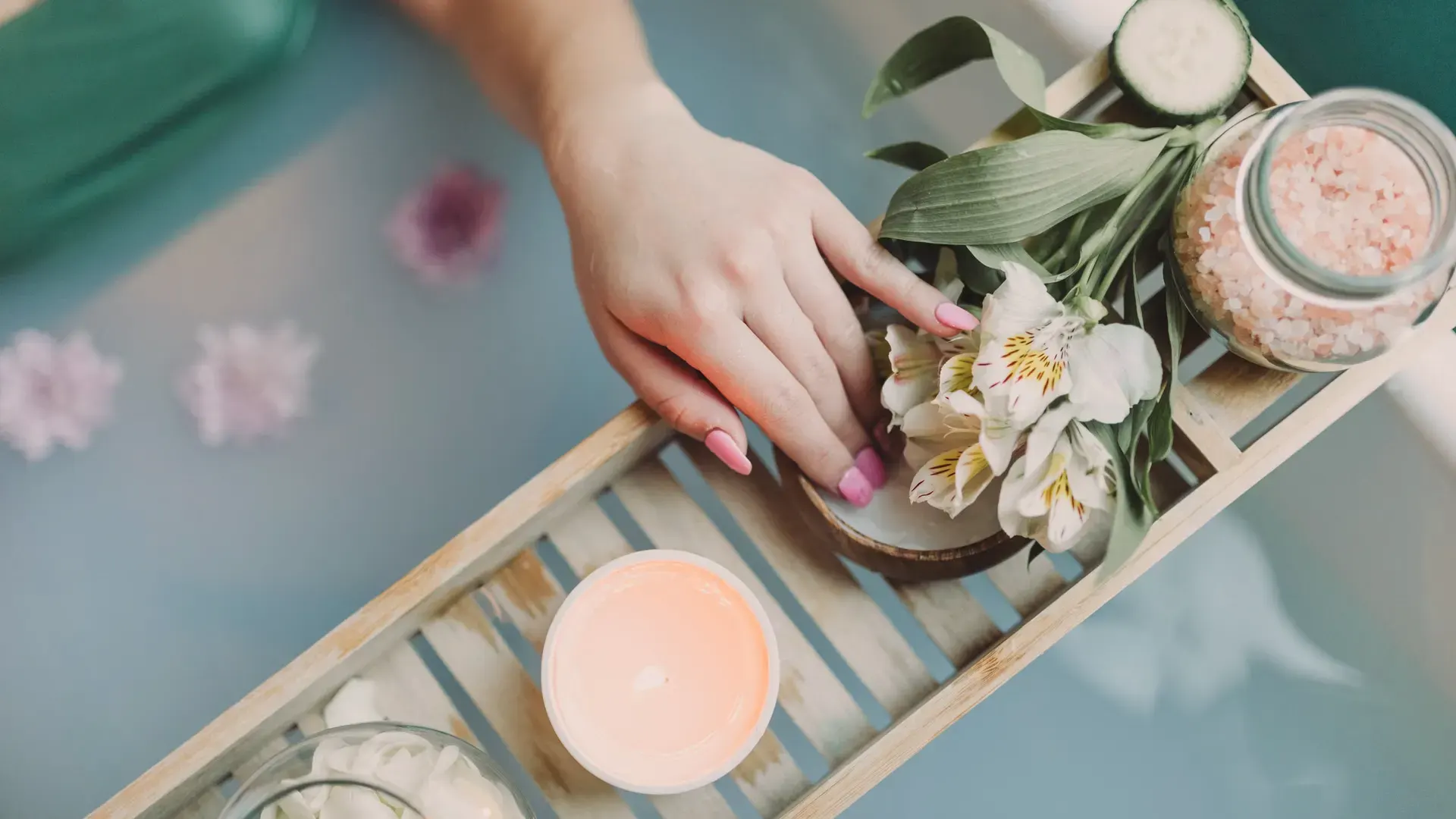
How do you soak in a hot spring safely?
Start with the water itself. TAT lists source temperatures of 80 degrees Celsius at Tha Pai, around 90 to 99 at Pong Deuat Pa Pae and above 100 at San Kamphaeng: that is cooking water, which is why visitors boil eggs in it. Bathe only in the pools and rooms the site has cooled for bathing (around 39 to 42 degrees at Chae Son, 40 to 50 at Raksawarin, per TAT), keep children away from the source pools, and stay on the paths.
The medical advice comes from the Department of Medical Services. In May 2015 its Director-General, Dr Supan Srithamma, warned that fainting, shock, collapse or death from soaking in hot water does not happen to everyone but to groups at risk: small children, the elderly, and people with chronic conditions such as heart disease, diabetes and high blood pressure. His advice, as Krungthep Turakij reported it on 7 May 2015:
- If you have high blood pressure, check it each time before you soak, and do not soak in very warm or hot water if it is high.
- Drink two glasses of water 15 to 20 minutes before you get in, and drink more every 15 minutes.
- Do not soak alone, so someone can help at once if something goes wrong. Warm water is safer than very hot water.
- If you do not soak in hot water regularly, keep it to 5 to 10 minutes.
- If you feel weak, dizzy, faint or nauseous, get out immediately, and go to hospital if it does not pass.
On drinking: TAT's Chae Son page says its water “cannot be drunk because it contains high level of certain minerals,” while its Raksawarin page says that spring's water can be drunk from the source. Do not drink from any other spring unless the site says you can. TAT's pages also repeat local beliefs that the water eases skin complaints or sore muscles; treat that as tradition, not treatment, and see a doctor for anything real (our emergency numbers guide has the 1669 ambulance line).
Which Thai towns let you live near a hot spring?
If a weekly soak is part of the plan, four places stand out, judged only by what the TAT pages above describe:
- Ranong. Raksawarin is about 1 kilometer from the town, its foot bath is free and the page says it is open 24 hours. See living in Ranong and things to do in Ranong.
- Chiang Mai's east side. San Kamphaeng is 36 kilometers from town, per TAT, with a foot soak, a mineral bath and a mineral pool. See living in Chiang Mai and things to do in Chiang Mai.
- Pai and Mae Hong Son. Tha Pai is 2 kilometers off Route 1095 in Pai district, and Pha Bong is 10 to 11 kilometers from Mae Hong Son town. See Mae Hong Son.
- Lampang. Chae Son National Park, with its piped bath rooms, is in Mueang Pan district. See living in Lampang.
For the rest of a wellness routine, our guides to massage and spa culture and yoga and wellness retreats cover the options, and retiring in Thailand covers the visa and money side for those settling in a spa town for good.
Frequently asked questions
A Department of Mineral Resources geologist, Manop Raksaskulwong, wrote in a paper that the International Geothermal Association files with its 2011 Asian Geothermal Symposium papers (the paper itself prints no date) that one hundred eighteen hot spring manifestations are reported in Thailand, exposed in the north and extending toward the west and south. The same paper says the northern springs have the higher potential, while those in the west and south are low enthalpy and suited to agriculture, tourist sites and therapy baths.
The one most people mean is San Kamphaeng Hot Springs, now in Mae On district, 36 kilometers from town according to the Tourism Authority of Thailand (TAT). TAT's page describes two springs that shoot hot water around 20 meters into the air, facilities for foot soaking, a traditional mineral bath and a mineral swimming pool, and lists an entrance fee of 100 baht for a foreign adult and 50 for a foreign child. Further out, TAT lists the Fang hot springs in Doi Pha Hom Pok National Park and the Pong Deuat Pa Pae geyser in Huai Nam Dang National Park.
From nothing to a few hundred baht. On TAT's own pages, read on 23 November 2026: the foot bath at Raksawarin in Ranong is free and the bath is 40 baht a person; Hin Dad in Kanchanaburi is 10 baht; San Kamphaeng lists 100 baht for a foreign adult; Chae Son charges 50 baht a person for a private room, 20 for the group pool and 10 for the outdoor pool, on top of park entry that TAT lists at 200 baht for a foreign adult. TAT's pages are undated, so confirm at the gate.
Use the cooled bathing pools, never the source, where TAT lists water at 80 degrees Celsius or more. In 2015 the Director-General of the Department of Medical Services warned that small children, the elderly and people with heart disease, diabetes or high blood pressure are the groups at risk of fainting, shock or worse in hot water. His advice, as Krungthep Turakij reported it: check your blood pressure first if you have hypertension, drink two glasses of water 15 to 20 minutes before and more every 15 minutes, never soak alone, keep to 5 to 10 minutes if you are not used to it, and get out at once if you feel faint or sick.
Only where the site says so. TAT's page for Chae Son National Park in Lampang says its mineral water cannot be drunk because it contains a high level of certain minerals. TAT's page for Raksawarin in Ranong says the opposite for that spring: that it is possible to drink from the source. Treat every other spring as not for drinking unless the site itself says it is.
Want a hot spring on your doorstep?
Browse condos and homes for rent listed by partnered agents in Ranong, Chiang Mai, Lampang and beyond, and save the ones near the springs you like.
Sources
- Manop Raksaskulwong (Department of Mineral Resources), Four Decades of Geothermal Research and Development in Thailand, paper filed in the International Geothermal Association's 2011 Asian Geothermal Symposium collection (undated; abstract and introduction read): 118 hot spring manifestations reported in Thailand ↗International Geothermal Association (conference proceedings) · Accessed 23 November 2026
- TAT attraction page, San Kamphaeng Hot Springs, Mae On, Chiang Mai (undated): distance, spring height and temperature, facilities, foreigner entrance fee ↗Tourism Authority of Thailand · Accessed 23 November 2026
- TAT attraction page, Fang Hot Springs, Doi Pha Hom Pok National Park, Chiang Mai (undated): location, temperatures, admission ↗Tourism Authority of Thailand · Accessed 23 November 2026
- TAT attraction page, Pong Deuat Pa Pae, Huai Nam Dang National Park, Mae Taeng, Chiang Mai (undated): directions, temperatures, facilities ↗Tourism Authority of Thailand · Accessed 23 November 2026
- TAT attraction page, Tha Pai Hot Spring, Pai, Mae Hong Son (undated): location in Huai Nam Dang National Park, temperature, opening hours ↗Tourism Authority of Thailand · Accessed 23 November 2026
- TAT attraction page, Pha Bong Hot Springs, Mueang Mae Hong Son (undated): distance, room rates, opening hours ↗Tourism Authority of Thailand · Accessed 23 November 2026
- TAT attraction page, Chae Son National Park, Mueang Pan, Lampang (undated): hot spring boreholes, bath rooms, bath fees, park entrance fee, drinking warning ↗Tourism Authority of Thailand · Accessed 23 November 2026
- TAT attraction page, Bo Nam Ron, Wiang Pa Pao, Chiang Rai (undated): three hot springs, bathhouse ↗Tourism Authority of Thailand · Accessed 23 November 2026
- TAT attraction page, Arokayasala Pong Kham Ram (Pong Kham Ram Hot Spring), Mae Sot, Tak (undated): temperature, barrel baths, outfit rental, opening hours ↗Tourism Authority of Thailand · Accessed 23 November 2026
- TAT attraction page, Mae Ka Sa Thermal Bath, Mae Sot, Tak (undated): temperature, facilities ↗Tourism Authority of Thailand · Accessed 23 November 2026
- TAT attraction page, Hin Dad Hot Spring, Pha Phum, Kanchanaburi (undated): history, temperature, admission, location ↗Tourism Authority of Thailand · Accessed 23 November 2026
- TAT attraction page, Thaiprachan (Pongkrating) Hot Spring, Ratchaburi (undated): pond size and temperature ↗Tourism Authority of Thailand · Accessed 23 November 2026
- TAT attraction page, Raksawarin Hot Springs and Public Park, Mueang Ranong (undated): three ponds, bath temperature, fees, hours, drinking note ↗Tourism Authority of Thailand · Accessed 23 November 2026
- TAT attraction page, Tham Khao Plu Hot Spring, Lamae, Chumphon (undated): temperatures, bathing fees, opening hours, directions ↗Tourism Authority of Thailand · Accessed 23 November 2026
- TAT attraction page, Namtok Ron Khlong Thom, Krabi (undated): water temperature, opening hours, two differing fee figures ↗Tourism Authority of Thailand · Accessed 23 November 2026
- TAT attraction page, Khao Chaison Hot Well and Cool Stream, Phatthalung (undated): temperature, baths, contact ↗Tourism Authority of Thailand · Accessed 23 November 2026
- Krungthep Turakij, 7 May 2015 (Thai): Director-General of the Department of Medical Services on who is at risk soaking in hot water and how to soak safely ↗Krungthep Turakij (bangkokbiznews.com) · Accessed 23 November 2026
Official primary sources are listed above with the date we last checked them. Thai rules, fees, thresholds and procedures change and can be applied differently by individual offices and embassies, confirm the current requirement with the responsible authority before relying on it. General information only, not legal, tax or medical advice. BAANLYY never takes paid placement in editorial content.