
Should I move to Thailand?
Answer a short set of questions and get a Move Score for cities we can actually back with data.
Try it free →Costs, visas, healthcare and the best cities — a 2026 guide for people who searched “retire in Thailand” and need the official money test, a real monthly budget, and a city they can live in. Unbiased, never paid placement.
From age 50 the usual route is a retirement visa: 800,000 baht in the bank, or 65,000 baht a month, or a combination that totals 800,000 baht in one year (Royal Thai Embassy, Washington D.C., O-A, opened 2026-11-05). The O-A also needs health insurance at the national floor. Your real monthly cost is a different number — reuse the city totals on cost of living in Thailand. Americans should read retire from the USA; Britons should read retire from the UK.
People who type “retire in Thailand” into a search box are usually weighing three things at once: how far a pension goes, whether a visa exists that does not require a Thai job, and whether a hospital they trust sits within a short drive. Thailand scores on all three. A comfortable month in Chiang Mai or Hua Hin, using the same bands we already publish on those city cost-of-living pages, costs a fraction of a month in most US or UK cities. The Non-Immigrant retirement routes are written for people aged 50 and over who will not work in Thailand. Private hospitals in Bangkok, Chiang Mai, Phuket, Pattaya and Hua Hin treat international patients in English every day.
The other draw is a settled community. Chiang Mai, Hua Hin, Pattaya, Phuket and parts of Isaan already have decades of foreign retirees, which means you are not inventing a bank-letter ritual or a TM30 filing from scratch. Food is good and cheap if you eat local. Domestic flights are frequent. The climate is warm year-round, which is the point for many people leaving a northern winter — and a strain in April if you pick a city without a plan for heat.
The honest trade-off is paperwork that never fully stops: an annual extension or a multi-year membership, 90-day (or yearly) reporting, a TM30 when you move, a seasoned bank balance if you use the deposit route, and health cover that gets dearer as you get older. Foreigners still cannot own land. Distance from adult children is a cost no spreadsheet captures. Visit for a long stay, rent before you buy, and treat the visa money test as a floor, not a lifestyle budget.
This page does not invent a new “retire for $X” figure. Every baht total below is the band already printed on that city's own cost-of-living page and on the national cost of living in Thailand comparison table, which copies those city pages. A monthly living total is not a visa deposit. The 800,000 baht / 65,000 baht test sits in section 04.
Single retiree — use the city's lean (solo) band. Chiang Mai solo digital nomad THB 30,000–48,000. Hua Hin solo long-stayer THB 28,000–45,000. Pattaya solo THB 40,000–65,000. Phuket solo THB 50,000–75,000. Bangkok solo THB 45,000–65,000. Nakhon Ratchasima (Korat) lean / local single THB 19,000–31,000. Phuket is the highest lean band of this set; Korat is the lowest. Those labels are the city pages' own words — Chiang Mai and Bangkok say “solo digital nomad,” Hua Hin says “solo long-stayer.” A retiree living alone uses the same housing, food and utility lines as that solo band unless that city prints a separate retiree row.
Couple — use the city's mid band only where the label is Couple. Chiang Mai couple THB 55,000–85,000. Hua Hin couple THB 45,000–75,000. Pattaya couple THB 75,000–120,000. Phuket couple THB 90,000–140,000. Bangkok couple THB 80,000–120,000. Hua Hin also prints a fourth band the three-column table does not carry: retiree couple THB 50,000–85,000, with an over-60s private health-insurance line of THB 10,000–22,000 a month inside that total. Nakhon Ratchasima does not label the mid column “Couple”; it says comfortable / mid-expat or retiree at THB 33,000–52,000. Do not read a Korat mid band as a Bangkok couple budget.
Housing is the swing line. The national cost-of-living guide, reading those same city pages on 3 November 2026, already lists first-housing rent: Chiang Mai solo THB 9,000–16,000 and couple THB 15,000–30,000; Hua Hin solo THB 7,000–14,000 and couple THB 14,000–28,000; Pattaya solo THB 13,000–24,000 and couple THB 22,000–45,000; Phuket solo THB 16,000–28,000 and couple THB 28,000–55,000; Bangkok solo THB 16,000–24,000 and couple THB 28,000–48,000; Korat lean studio THB 3,000–8,000. Food, transport and utilities sit on the same national page. We do not add a second rent list here.
Open the city page before you trust a forum screenshot. Chiang Mai, Hua Hin, Pattaya, Phuket, Bangkok, Nakhon Ratchasima, and the national Thailand cost of living guide. The cost-of-living tool and retirement calculator use those same published bands.
There is no single “retirement residency.” Five products get used by people aged 50 and over. The money tests are not interchangeable. The full legal walkthrough is the retirement visa guide; LTR and Privilege have their own guides. This section is the comparison a search for “Thailand retirement visa” actually needs.
Retirement visa guide → · LTR guide → · Privilege / Elite guide → · Which visa? matcher →
The O-A eligibility test on the Washington page is three options, not one:
If you submit a bank statement, the same page asks for an original letter of guarantee from the bank. That is the “bank letter” retirees talk about: the bank confirms the balance and, for an in-country extension, that the money has sat for the seasoning window. Offices apply seasoning office by office; the Immigration Bureau handbook writes two months before a first extension application and three months on renewal. Do not drain the account for a holiday in month two and expect the letter to still work.
The income route needs an embassy or consulate letter in Thailand for many nationalities (the Washington page says “an income certificate (an original copy)”). US and UK missions have their own appointments, fees and wording. Some posts will certify a pension; some will not certify a brokerage drawdown. Ask the mission that covers you before you book flights around a letter you cannot get.
The same Washington O-A page also lists, under documents to upload, recent bank statements with an ending balance of no less than USD 30,000 or proof of monthly income of not less than USD 2,500. That dollar pair is the figure the Non-O (Retirement) page uses as well. It is not a second conversion of 800,000 baht. Confirm with the mission handling your file which set of numbers they will actually read.
The O-X is not the O-A with a longer sticker. Chicago states that falling below 3,000,000 THB at the end of year one, or below 1,500,000 thereafter, is a ground to revoke the stay. Thai-located institutions only. Treat the O-A 800,000 baht test as enough for an O-X and the application fails on the first screen.
Two filings get mixed up. The TM30 is the house-master notification: the landlord, condo juristic person or hotel tells Immigration where you sleep, usually within 24 hours of a move-in or a return from a trip. You need the receipt for almost every later visa errand. File it yourself only if the building will not. The online system is tm30.immigration.go.th. The duty sits in the Immigration Act; the 90-day report guide walks through both forms.
The 90-day report (TM47) is your own notification that you are still in the Kingdom after 90 days. Immigration describes the channels and the late fine on its notification page. You can often file online, by post, or in person; the window opens before the due date. Missing it is a fine, not a lifestyle choice.
LTR holders are the exception that forums get right: the BOI LTR FAQ states a TM.95 one-year report instead of the TM.47 90-day report, and lists exemption from a re-entry permit among LTR privileges. Privilege / Elite members still do 90-day reports. If you leave Thailand on a one-year retirement extension without a re-entry permit, the extension ends at the border — get the permit before you fly.
The O-A is an insurance visa. The Washington page, effective 1 October 2021, requires cover for the entire stay with COVID-19 included and a total sum insured of no less than 3,000,000 THB or USD 100,000 per policy year. Chicago and the same mission family also state outpatient benefit of no less than 40,000 THB and inpatient benefit of no less than 400,000 THB. A foreign insurer is allowed on the O-A if you attach the Office of Insurance Commission foreign-insurance certificate, signed and stamped by the insurer. A Thai insurer on the longstay.tgia.org list does not need that extra certificate. The MFA O-A guideline PDF is the national instrument: Guideline on the Non-Immigrant O-A Visa.
The O-X is stricter on the issuer: Washington states that a foreign policy is not sufficient. Buy from a Thai insurer on the long-stay list. The LTR asks for USD 50,000 of health cover, or Thai social security, or a USD 100,000 deposit held 12 months — a different floor again.
Official pages do not publish retail premiums by age. We will not invent one. What we can say, because it is already on our city cost-of-living pages as a sample line amortized into the monthly total (not an insurer quote, and not the visa benefit floor): Bangkok couple THB 9,000–16,000; Chiang Mai couple THB 7,000–13,000; Pattaya couple THB 8,000–15,000; Phuket couple THB 9,000–16,000; Hua Hin couple THB 6,000–12,000 and over-60s retiree couple THB 10,000–22,000; Korat basic lean THB 2,000–4,000. Those lines rise from the solo band to the family band on every page. That is the age shape: the same city that prints THB 3,000–6,000 for a younger solo prints a much higher over-60s couple line.
Read exclusions before you pay. Pre-existing conditions and motorbike accidents are the two that ruin retirements. Buy cover that can issue the O-A or O-X certificate before you apply, and keep a digital copy of the policy. Directory and how-to: healthcare and insurance and how to choose cover.
Healthcare is why many people stay after the first visa year. Bangkok's private hospitals — Bumrungrad, Samitivej, BNH, Bangkok Hospital — run English-speaking international campuses and are the reason medical travelers fly in. Chiang Mai has Bangkok Hospital Chiang Mai, Chiang Mai Ram and Lanna. Phuket, Pattaya and Hua Hin have private hospitals that handle routine and much emergency work; the rare case still goes to Bangkok. Public hospitals are excellent for trauma and are not designed around a foreign insurance card.
The emergency number is 1669. Pick a home within a drive you will actually make at 2 a.m., not a beach that photographs well. Keep a written list of medications with generic names; some regular US and UK drugs are restricted or sold under a different brand. Thailand's private prices are far below US hospital bills and below most UK private invoices, which is why going uninsured is a savings risk rather than a savings plan.
Full hospital and insurance walkthroughs: healthcare and hospitals, relocation insurance guide, and each city's own healthcare page from the city hub.
Search demand clusters on Chiang Mai, Hua Hin, Pattaya, Phuket and “best place to retire in Thailand.” Bangkok is the hospital city. Korat / Isaan is the low-cost inland option. Each block below uses that city's own published cost-of-living bands and links the hub, the cost page, and the relocate guide where one exists.
The northern capital and the cheapest of the big retiree cities on our table: solo THB 30,000–48,000, couple THB 55,000–85,000. Temples, a walkable old city, strong private hospitals and a deep foreign community. The caveat is burning season (roughly late February to early April), when air quality can be severe — plan purifiers or a trip south. Living guide: relocate / Chiang Mai. Also city hub and cost of living.
Beach living with a train and a road to Bangkok, and the only city on this list that prints a dedicated retiree-couple band: THB 50,000–85,000, with over-60s insurance THB 10,000–22,000 inside it. The couple band is THB 45,000–75,000; solo long-stayer THB 28,000–45,000. Quieter than Pattaya, less expensive than Phuket. Living guide: relocate / Hua Hin. Also city hub and cost of living.
The developed eastern gulf city: solo THB 40,000–65,000, couple THB 75,000–120,000. Hospitals, malls, a large foreign population and a micro-area problem — Jomtien, Wongamat and the inland condo belts do not live like Walking Street. There is no /relocate/pattaya page; use the city hub and cost of living.
The island with an international airport and the highest couple band of this set: THB 90,000–140,000; solo THB 50,000–75,000. Beaches, private hospitals and tourist-season prices. Choose the town (Rawai, Cherng Talay, Kathu, Phuket Town) before you sign a year. No /relocate/phuket page. City hub and cost of living.
The hospital, airport and embassy city. Solo THB 45,000–65,000, couple THB 80,000–120,000 — the highest couple total here after Phuket. BTS and MRT make daily life possible without a car. Heat, flood-prone pockets and traffic are the costs. No /relocate/bangkok page. City hub, cost of living and Bangkok areas for retirees.
The gateway to the northeast. Lean / local single THB 19,000–31,000; comfortable / mid-expat or retiree THB 33,000–52,000. Lower rents (lean studio THB 3,000–8,000 on the city page), more Thai in daily life, a shorter hop to Bangkok than Chiang Mai by road. No /relocate/nakhon-ratchasima page. City hub and cost of living.
Most newcomers should rent for the first year. A lease lets you change city after burning season, after a hospital scare, or after you discover that the beach you loved in January is a building site in July. Buying in week four is how people become accidental landlords of a unit they cannot easily sell.
If you do buy, the land rule is the whole story. A foreigner cannot own land in Thailand. A foreigner can own a condominium unit if the building still has room under its foreign quota — our condo foreign-ownership quota guide cites the Condominium Act as administered by the Department of Lands. Houses and villas are leasehold or another structure; read leasehold vs freehold and foreign ownership with your own lawyer, not with the seller's. The buying process and rent-vs-buy calculator are the next clicks.
Succession is part of the purchase. A condo in your name does not automatically make life easy for a spouse or child after a death in Thailand — section 13 covers wills and next of kin. Do not use a company shareholding story you read on a forum as a substitute for advice.
A Thai bank account is practically required on the deposit route and useful on every other route. Bangkok Bank, Kasikorn and SCB are the names most long-stayers use. You will generally need a passport and a long-stay visa; tourists are often refused. Once open, PromptPay and the bank apps handle rent and bills. Walkthrough: opening a bank account.
Pensions arrive how your home scheme allows. US Social Security and a UK State Pension can be paid into an overseas or home-country account — confirm the channel with SSA or the International Pension Centre, not with a Facebook group. Currency swings change a baht lifestyle even when the dollar or sterling payment is stable. Keep one home-country account alive.
Thai tax is a day-count, not a visa stamp. Spend 180 days or more in Thailand in a calendar year and you are a Thai tax resident for that year, per the Revenue Department's personal-income-tax framework (rd.go.th personal income tax). A tax resident is taxed on Thai-source income. Foreign-source income is a remittance question.
From 1 January 2024 the Revenue Department reinterpreted how remitted foreign income is assessed: for a Thai tax resident, foreign-source income brought into Thailand is assessable in the year it is brought in, not only if it was earned in that same year. Income earned and kept abroad, never remitted, is still generally outside that net. Pre-2024 savings have been described as treated more leniently in later clarifying guidance. This page does not restate an order number we did not open as a PDF today. Read the current wording on rd.go.th and the plain-English walkthrough on Thai tax for expats before you move a large sum in to buy a condo or to season an 800,000 baht deposit.
LTR holders should read the BOI privilege list themselves: it includes a tax exemption for overseas income. That is a BOI program statement, not a personal ruling. A cross-border adviser applies it to your facts.
Americans aged 50 or over can use the O-A from a US mission or the e-Visa portal, and US nationals are on the O-X list of 14 countries. The Washington pages above are written for that audience. FBI certificates and the mission medical form have their own lead times — start them before you give notice on a US lease.
Social Security is a separate question from Medicare. The Social Security Administration publishes a Payments Abroad Screening Tool and booklet EN-05-10137 for payments outside the United States. Use those tools for your own claim; this page does not decide it. Many retirees do receive Title II payments in Thailand.
Medicare is the one that catches people. Medicare.gov states that Medicare usually does not cover health care while you are traveling outside the United States. The listed exceptions are narrow (a foreign hospital closer than a US hospital in a US emergency, certain Canada–Alaska transit, living near a border). Ordinary care in Chiang Mai or Hua Hin is not on that list. Budget a Thai or international policy as if Medicare stayed at home.
The IRS still wants an annual return from a US citizen abroad (US citizens and resident aliens abroad). The IRS also publishes a 1996 United States–Thailand income tax convention (page reviewed 9 August 2026). A cross-border CPA applies its articles; this page does not. Full US playbook: retire in Thailand from the USA and moving from the USA.
Britons aged 50 or over can use the O-A, and the United Kingdom is on the O-X nationality list. The Royal Thai Embassy in London and the e-Visa portal are the usual doors. Some categories ask for an ACRO police certificate; confirm the current document list with the mission that will issue the visa.
GOV.UK — State Pension if you retire abroad states you can claim if you have paid enough National Insurance, and that the pension can be paid into a UK or overseas account (with a published conversion charge on overseas payment). Annual increases are not paid in every country. Confirm Thailand's status on the GOV.UK annual-increase pages before you treat the payment as rising for a 20-year retirement. That freeze, where it applies, is the single largest UK-specific money fact on this hub.
The UK taxes on residence, not citizenship. Breaking residence is the Statutory Residence Test; tell HMRC you have left. The UK and Thailand have a 1981 double-taxation convention, in force, last updated on GOV.UK on 11 September 2025. NHS free care is for people ordinarily resident in the UK — it does not travel. Full UK playbook: retire in Thailand from the UK and moving from the UK.
A Thai will for Thai assets and a home-country will for home-country assets is the usual split, done with lawyers in both places who have seen the other document. Intestacy across two legal systems is how families lose a year. Our Thai will and inheritance guide is the starting point; it is not a substitute for a will.
If a foreigner dies in Thailand the embassy, the police and a Thai funeral or repatriation process all start at once. Next of kin need a passport copy, the visa page, the address, and a contact who can actually pick up a phone in the right time zone. We published the practical sequence at what happens when a foreigner dies in Thailand. Put that URL in a folder your family can open without your password.
The reusable list lives at /tools/move-checklist. For a retiree the first month is the same list with three extra lines:
Map the visa and the monthly number, then spend a month on the ground before you buy.
General information only — not legal, immigration, tax or medical advice. Visa thresholds, insurance rules, fees and tax treatment change and depend on your situation; confirm current requirements with official Thai government sources, your embassy and a licensed specialist before acting. BAANLYY never takes paid placement.
Last checked 5 November 2026
Primary and official sources are cited above. Government rules, fees and procedures in Thailand change over time and vary by office; always confirm current requirements with the relevant authority before relying on them. BAANLYY never takes paid placement in editorial content.
BAANLYY
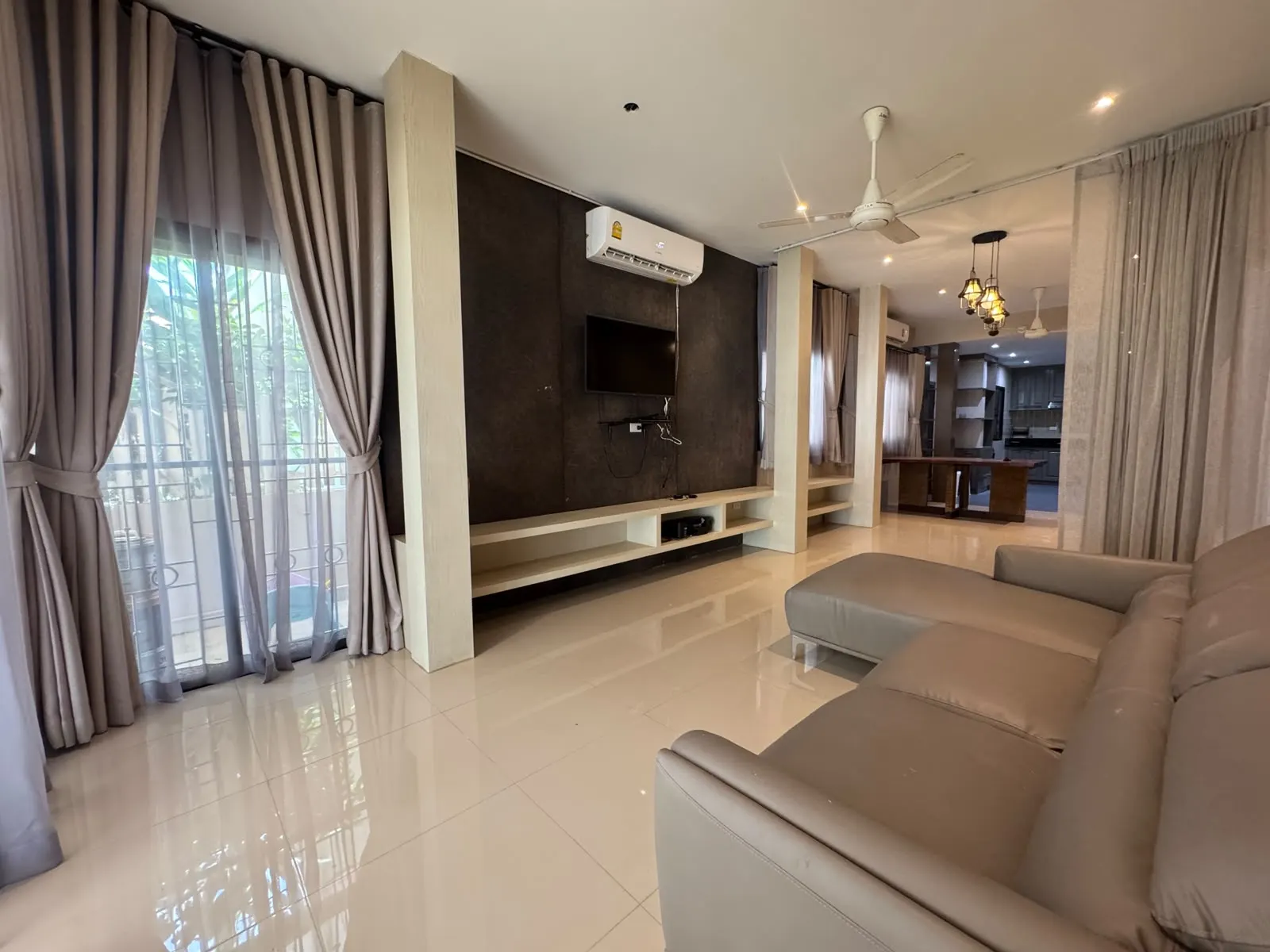
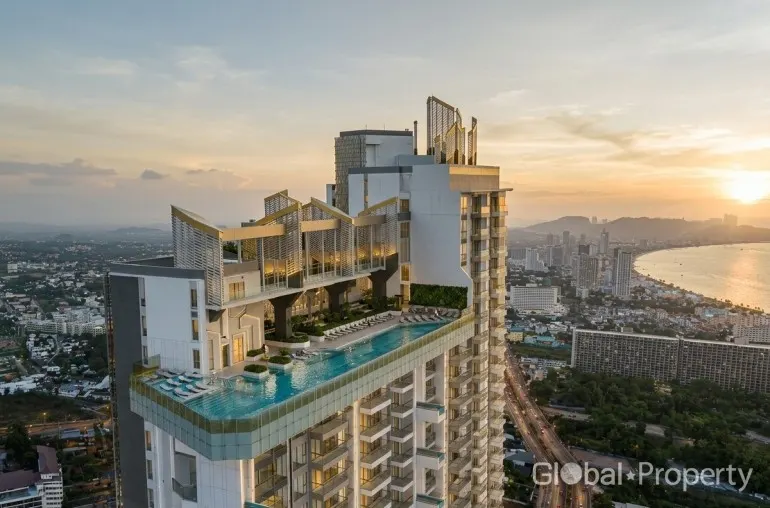
These homes are listed on BAANLYY right now. Each card shows a photo, the price and the bedrooms.





Free tools for this
Answer a short set of questions and get a Move Score for cities we can actually back with data.
Try it free →
A step-by-step checklist: city, visa, housing, budget and timeline, then the right guide for each.
Try it free →
Interactive, progress-tracked checklist from visa to first 30 days.
Try it free →