The short answer
Section 21 of the Building Control Act B.E. 2522 says that whoever will construct, modify or relocate a building must obtain a permit from the local official, or notify the local official and proceed under section 39 bis. The Act defines a building to include a house, and defines construction as putting up an entirely new building, whether or not it replaces an old one. The table gives the main rules and the section or clause that states each one.
| Point | Rule | Where it is stated |
|---|---|---|
| Permit needed | To construct, modify or relocate a building, by permit or by notification | Act s.21 |
| Who issues it | The local official: the mayor, the Governor of Bangkok, the Mayor of Pattaya City, or the head of the subdistrict administrative organization | Act s.4 |
| Application form | Form Kor. 1, with five sets of the site plan, drawings and specifications | 2021 regulation, clause 2 |
| Decision time | 45 days from receipt, extendable twice by up to 45 days each | Act s.25 |
| Permit fee | 20 baht for a home of up to two floors and 150 square meters; 200 baht for other buildings | Regulation No. 70, clause 1 |
| Plan checking fee | 0.50 baht per square meter up to two floors or 12 meters; 2 baht up to three floors or 15 meters; 4 baht above | Regulation No. 7, clause 3 |
| Permit term | One year for a building under 10,000 square meters | 2021 regulation, clause 5 |
| No permit | Up to three months in prison, a fine of up to 60,000 baht, or both, plus up to 10,000 baht a day | Act s.65 |
Building Control Act B.E. 2522 and the 2021 ministerial regulation read on 14 November 2026 in the consolidated Thai text of the Office of the Council of State. Fee regulations read the same day in copies named in the sources. English wording is our own summary, not an official translation.
This page covers the permit. For the budget see the cost of building a house in Thailand and our construction cost benchmarks. For who can hold the land and the house, see whether foreigners can buy a house in Thailand.

Places and works the Act covers
The Act does not apply to every house in the country by its own force. Section 2 says the localities where it applies are set by Royal Decree. Two paragraphs added in 2000 widen that:
- Town plan areas. Where a comprehensive town plan has been announced, or was announced in the past, the Act applies inside the plan area with no Royal Decree needed.
- Four building classes. High buildings (23 meters or more), extra-large buildings (10,000 square meters or more), public assembly buildings and theaters are covered wherever they stand.
So for an ordinary house the first question is whether the plot is in a decree area or a town plan area. We did not open a list of those areas. The office that would issue the permit, the municipality or the subdistrict administrative organization for the land, can answer for a given plot, and it is the same office that will tell you the setback, height and land use rules for the site. Those local rules are outside this guide; our page on zoning and floor area ratio introduces them.
The Act's definitions decide which works are caught:
| Term | Meaning in section 4 | Permit rule |
|---|---|---|
| Building | A house, dwelling, shed, shop, warehouse, office and any other structure people may live in or use. It includes a fence, wall or gate built next to or near a public place | s.21 |
| Construct | To build an entirely new building, whether or not it replaces an existing one | Permit or notification |
| Modify | To change, extend, add to, reduce or enlarge the structure, form, proportions, weight or area of a building so that it differs from the original | Permit or notification |
| Repair | To repair or replace parts so that the building stays in its original condition | Defined apart from modification |
| Demolish | To remove structural parts such as posts, beams and joists | Permit or a section 39 bis notification, only in the two cases in s.22 |
Building Control Act B.E. 2522, section 4.
Demolition needs a permit, or a notification under section 39 bis, under section 22 in two cases: a building more than 15 meters high that stands closer to another building or a public place than its own height, and a building less than 2 meters from another building or a public place. The definition of modification also excludes changes that a ministerial regulation lists as exempt; we did not open that regulation, so ask the local office before assuming an extension is exempt.

Two routes: a permit or a notification
Section 21 offers two ways to build lawfully. The difference is who carries the risk while the plans are being checked.
| Permit route | Notification route | |
|---|---|---|
| Basis | ss.21 and 25; 2021 regulation | ss.39 bis and 39 ter |
| Start of work | After the permit is issued in Form Or. 1 | On the day the notifier receives the receipt of notification |
| Timing | Decision within 45 days, extendable twice | Receipt within 3 working days after the plan checking fee is paid |
| Professionals | Required where the work falls within controlled architecture or controlled engineering (s.26) | Always: an architect, a civil engineer and supervisors from both professions, each holding a professional license |
| Checks after work starts | Plans were checked before the permit | The official has 120 days to object in writing |
Building Control Act B.E. 2522, sections 21, 25, 26, 39 bis and 39 ter, as replaced in 2015 for the last two.
The notification file. Section 39 bis lists what must be handed in at a minimum: the names of the architect responsible for the design and the engineer responsible for the design and calculations; the names of the supervisors, who must include both an architect and an engineer; copies of their licenses with a confirmation from the Architect Council or the Council of Engineers; the site plan, drawings, specifications and calculations signed by the designers; and written statements from the designers and the supervisors that the design and the work will comply with the Act and its regulations.
Two periods of 120 days. Under section 39 ter the receipt lapses if the work is not started within 120 days of its date. Separately, the official has 120 days from the receipt, or from the start of work, to object. If papers are wrong the notifier gets 15 days to fix them; if the plans or the work breach the rules the official sets a period of at least 30 days and the offending part of the work must stop meanwhile. If no written objection arrives in the 120 days, the work is treated as permitted, with three exceptions the official can raise at any time: building over a public place, distances or levels between the building and a road or public place, and prohibitions on a kind of building in that location.
For a first house the permit route is the cautious one: the plans are examined before any concrete is poured. The notification route saves waiting time and moves the risk of a later objection onto the owner.
Documents and drawings for Form Kor. 1
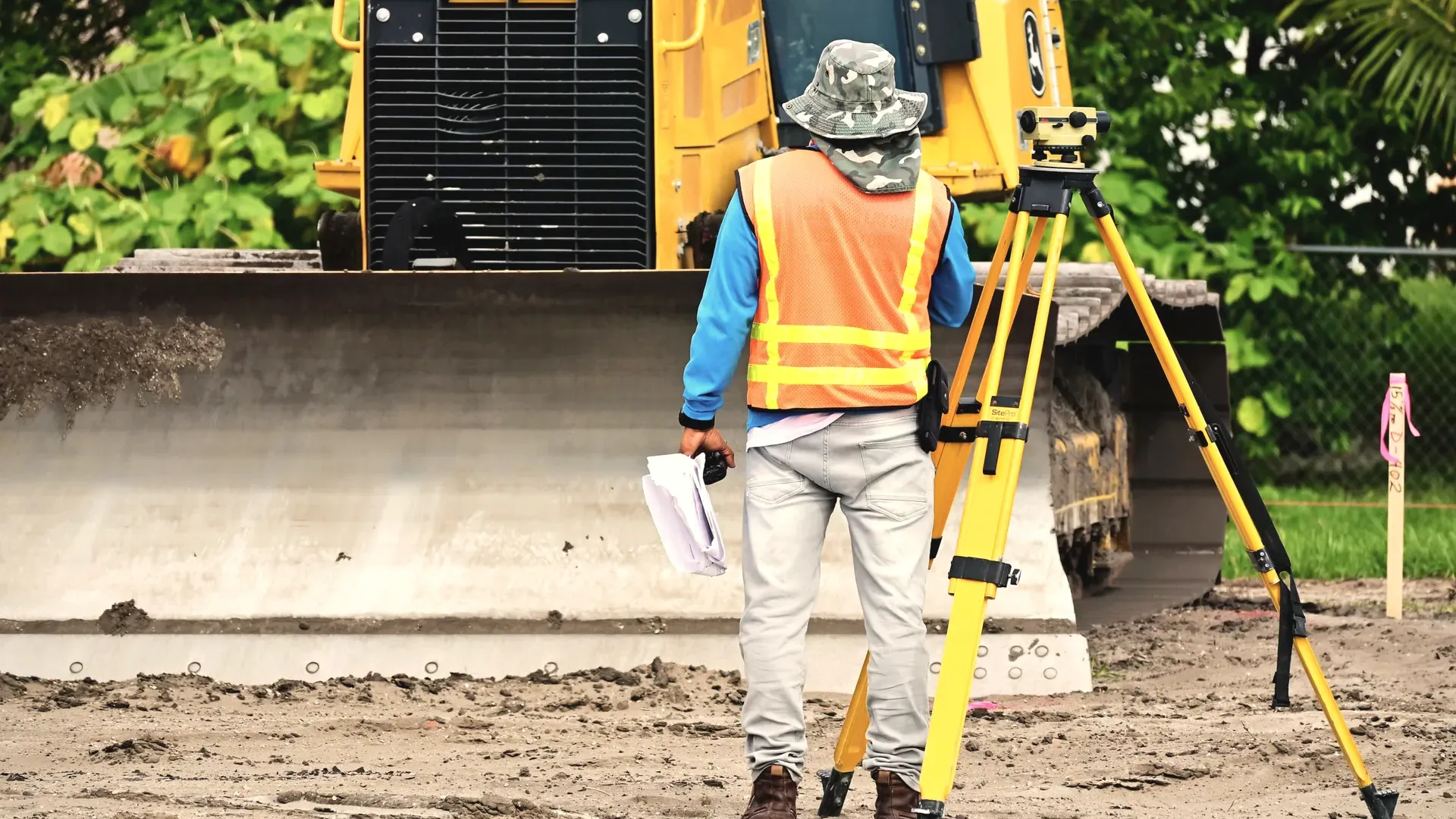
Clause 2 of the 2021 ministerial regulation says the application is made in Form Kor. 1 with the documents that form lists, plus five sets of the site plan, drawings and specifications. One set of calculations is added for a public building, a special building, or a building made mostly of permanent and fire-resistant materials. Clause 18 makes electronic filing the main method, with filing with the local official until an office is able to accept it that way.
The regulation also sets drawing standards in clause 16: metric units, a site plan at a scale no smaller than 1:500, and drawings no smaller than 1:100 that show the floor plans, at least two elevations, cross and long sections, beam plans and the foundation plan. Under clause 17 the designer signs and prints their name on every sheet and gives the license number if they hold one.
For the supporting papers we read a citizen manual from the Sai Mai District Office in Bangkok. It is undated and its fee table is out of date, so we use it only for the document list. Where its table could be read, it asks for:
- Identity. ID card and a copy of the house registration for each applicant. A person who does not hold Thai nationality shows a copy of the passport in place of the ID card.
- The land. A full-size copy of the title document (chanote, Nor Sor 3 or Sor Kor 1) for every plot shown on the site plan.
- The landowner's letter. Where the applicant does not own the land, a letter from the owner allowing a building to be put up on the land, with copies of the owner's ID card and house registration.
- Companies. A company registration certificate issued within the last six months, for a company applicant or a company landowner.
- Power of attorney. If someone files for the applicant, with stamp duty paid. See our guide to a power of attorney in Thailand.
- Designers. A statement from the architect or the engineer where the building falls within controlled architecture or controlled engineering.
- Supervisor. The supervisor's letter of consent under section 29 of the Act.
The manual adds that every photocopy is signed as a true copy on each page by the owner of the document. This is one district office's list, so use it as a guide to what to expect and take the current list from the office for your plot.
The application rests on the land papers, so check the title before you pay for drawings: our guides to Thai title deeds, encumbrance checks on a title deed and land access and servitudes cover that step.

Architects, engineers and the supervisor of works
The Act ties the permit to the two professional laws without repeating their thresholds.
- Section 26. If the work is of a kind that counts as controlled engineering or controlled architecture, and the engineer or architect named in the application does not hold a license under the professional law, the local official must refuse to accept the application.
- Section 28. Where the calculations were made by an engineer who holds a license, the official checks only the parts of the file that do not concern the calculations.
- Section 28 bis. Where an architect who holds a license drew a building that is not a controlled-use building, the official does not check the interior architectural details, except fire escapes and fire stairs.
- Section 29. On receiving the permit, the holder tells the official in writing who the supervisor of works is and the start and end dates, attaching the supervisor's consent. The supervisor may be anyone, including the owner, unless the professional laws forbid it.
- Section 30. If the supervisor is dismissed or resigns, the holder gives written notice and must suspend the work until a new supervisor's name and consent have been sent in.
The floor area or height at which a house needs an architect or an engineer is set by regulations under the Architect Act and the Engineer Act. We did not open those regulations in this review, so this page gives no figure. Ask the local office or the designer which rule applies to your drawings before you rely on a builder's word that none is needed.
Building what was approved. Section 31 forbids work that departs from the permitted site plan, drawings and specifications unless the owner has a permit for the change, has notified the change, or the change does not conflict with the regulations. The 2021 regulation names Form Kor. 6 for the application and Form Or. 6 for the permit to change approved plans. A departure is treated as the act of the supervisor unless the supervisor proves it was someone else's and that they objected in writing.
Section 38 requires one set of the permit, site plan, drawings and specifications to be kept at the site for inspection. Failing to do so is a regulatory offense with a fine of up to 10,000 baht under section 66.

Time limits, fees and the life of a permit
Time. Section 25 gives the local official 45 days from receipt of the application to issue the permit or to refuse in writing with reasons. For a necessary cause the period may be extended no more than twice, by no more than 45 days each, with written notice before the running period ends. Under section 27 the official may order the plans corrected; once the applicant has corrected them as ordered, the official has 30 days to issue the permit. The Bangkok manual breaks its 45 days into one hour to check documents, 40 days to consider the plans and 5 days to sign, and says the clock starts when the documents are complete.
Fees. The Act's schedule sets ceilings, and ministerial regulations set the amounts charged.
| Fee | Small home or farm building | Other buildings |
|---|---|---|
| Construction permit | 20 baht | 200 baht |
| Modification permit | 10 baht | 100 baht |
| Demolition permit | 10 baht | 50 baht |
| Relocation permit | 10 baht | 50 baht |
| Renewal | Same as the permit: 20, 10, 10, 10 baht | Same as the permit: 200, 100, 50, 50 baht |
Ministerial Regulation No. 70 (B.E. 2564), signed 19 May 2021, replacing clauses 1 and 2 of Regulation No. 7. The small class is a residential building of no more than two floors and 150 square meters in total, a farm store or animal building of up to 100 square meters, and a fence, wall or gate. Read in a Gazette scan in which three of the amounts in the second column are damaged; they match the renewal clause of the same scan and the ceilings in the Act.
| Plan checking fee | Rate |
|---|---|
| Building of no more than two floors or 12 meters | 0.50 baht per square meter of total floor area |
| More than two floors but no more than three, or more than 12 meters but no more than 15 | 2 baht per square meter |
| More than three floors or 15 meters | 4 baht per square meter |
| Fence or wall, including gates | 1 baht per meter of length |
Ministerial Regulation No. 7 (B.E. 2528), clause 3. Half a unit or more counts as a full unit. We found no official consolidated copy, so we cannot confirm that clause 3 has not been amended since.
A worked example: a two-floor house of 180 square meters is above the 150 square meter line, so the construction permit is 200 baht, and the plan check is 180 times 0.50 baht, or 90 baht. The official fees for that house come to 290 baht. Drawings and the fees of the people who prepare them are a separate cost that these regulations do not price.
Life of the permit. Section 35 says a permit is valid for the period written in it. Clause 5 of the 2021 regulation sets that period by floor area: one year under 10,000 square meters, two years from 10,000 to under 100,000, three years from 100,000. Renewal works like this:
- Apply in Form Kor. 4 before the permit expires. Once the application is in, work may continue until the official refuses the renewal (s.35, clause 9).
- The first renewal is for no longer than the original term (clause 10).
- Further renewals need all the foundations finished, or the structure built for more than ten percent of the permitted building area. The official may then renew no more than three more times, one year each, and the holder reports progress every 90 days (clause 10).
A permit cannot be transferred without the written permission of the local official (s.36; Form Kor. 7). If the holder dies, an heir or the estate administrator who wants to continue must tell the official in writing within 90 days of the death and then stands in as the permit holder (s.37). The holder must apply for a substitute permit within 15 days of learning that it was lost, destroyed or materially damaged (s.39).
Small houses in subdistrict areas
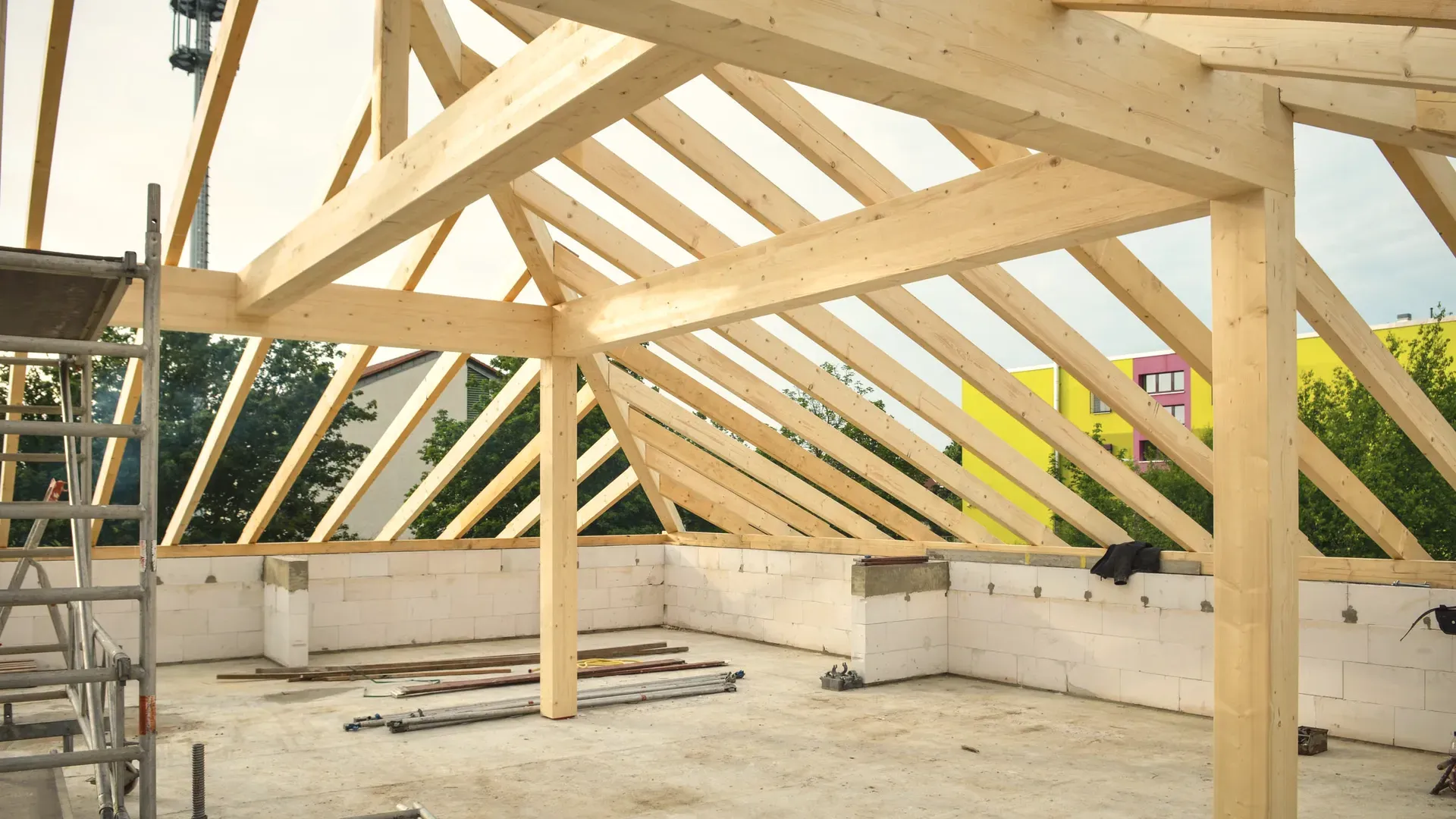
The 2021 regulation carries a lighter application for small buildings outside town. Under clause 2, the applicant attaches only a sketch site plan showing where the building will stand and a copy of the land rights document when two conditions are both met.
- The place. The building is in the area of a provincial administrative organization, only within a subdistrict administrative organization area, and no ministerial regulation or local ordinance under section 8 (10) of the Act (areas where building of a given kind is prohibited), and no Interior Ministry notification under section 13 of the Act, is in force there.
- The building. It is a residential building of no more than two floors and no more than 150 square meters across all floors; a farm produce store or an animal building of up to 100 square meters; a fence, wall, gate, lean-to or stall; or a water tank tower no higher than 6 meters.
That is a lighter set of papers. The clause still sits inside the rule that an application is filed in Form Kor. 1, so it does not remove the permit where the Act applies. The house, the farm store, the animal building and a fence, wall or gate in that list also fall in the 20 baht permit fee class described above. The lean-to, the stall and the water tank tower are not named in that class of Regulation No. 70.
Check which title document the plot has before you build, and read whether foreigners can own land in Thailand and, if the land will be in a Thai husband's or wife's name, buying property with a Thai spouse.
Building without a permit: orders, penalties and appeals
Sections 40 to 43 give the local official a sequence of powers when a building is put up, changed or removed in breach of the Act.
| Step | Power of the local official | Section |
|---|---|---|
| 1 | Order the owner, the supervisor, the builder and their workers to stop | s.40 (1) |
| 2 | Order that nobody use or enter the building or the site, and post a notice there | s.40 (2) |
| 3 | Within 30 days of the stop order, decide between a correction order and a demolition order | s.40 (3) |
| 4 | If the breach can be corrected: order the owner to apply for a permit, notify, or make the corrections within a set period of at least 30 days, which may be extended for good cause | s.41 |
| 5 | If it cannot be corrected, or the correction order was not followed: order demolition of all or part within a set period of at least 30 days | s.42 |
| 6 | If the building is still standing: ask the court to order arrest and detention, or demolish it after posting notice at the site for at least 7 days, at the joint cost of the owner, the designers, the supervisor and the builder | s.43 |
Building Control Act B.E. 2522, sections 40 to 43.
The penalties sit alongside those orders:
| Breach | Penalty | Section |
|---|---|---|
| Building, modifying or relocating without a permit or notification; departing from the approved plans | Up to 3 months in prison, a fine of up to 60,000 baht, or both, plus up to 10,000 baht a day while it continues | s.65 |
| Disobeying a stop order or a no-use order | Up to 6 months in prison, a fine of up to 100,000 baht, or both, plus up to 30,000 baht a day | s.67 |
| Not demolishing as ordered, outside an appeal | Up to 6 months in prison, a fine of up to 100,000 baht, or both, plus up to 30,000 baht a day | s.66 bis |
| Permit and plans not kept on site; lost permit not replaced | Regulatory fine of up to 10,000 baht | s.66 |
Building Control Act B.E. 2522, sections 65 to 67, with the Regulatory Fines Act B.E. 2565 noted against section 66 in the consolidated text.
Two sections double the penalty. Section 69 applies when the offender is the person carrying out the work, a term section 4 defines to include an owner who builds personally, a contractor and a subcontractor. Section 70 applies to buildings for commerce, industry, education or public health and to buildings put up in the course of trade for letting, hire purchase or sale. Section 71 presumes that a breach of sections 21, 22, 34, 42 and the other sections it lists is the act of the owner or occupier, the builder or the supervisor unless that person proves it was the act of someone else.
Settlement. Under section 74 a settlement committee, made up in the provinces of the governor, the chief public prosecutor and the provincial police chief, may settle the main offenses by fixing a fine. If the accused, and the injured person if there is one, agree and the fine is paid within 30 days of the settlement, the criminal case ends. The section lists the first paragraph of each offense, which is the paragraph without the daily fine.
Appeal. Section 52 gives an applicant, a permit holder, a notifier and anyone who receives an order 30 days from learning of it to appeal in writing. The appeal is filed with the local official who made the order, who forwards it within 10 days. The Appeal Committee decides within 60 days of receiving it. A person who disagrees has 30 days from being notified to go to court. While the appeal runs, neither side may do anything to the building unless it is dangerous or the matter cannot wait.
None of this is a route to plan on. Section 41 is written for a breach that can be corrected so that the building complies. Where it cannot, section 42 is the power that applies.
After the house is finished
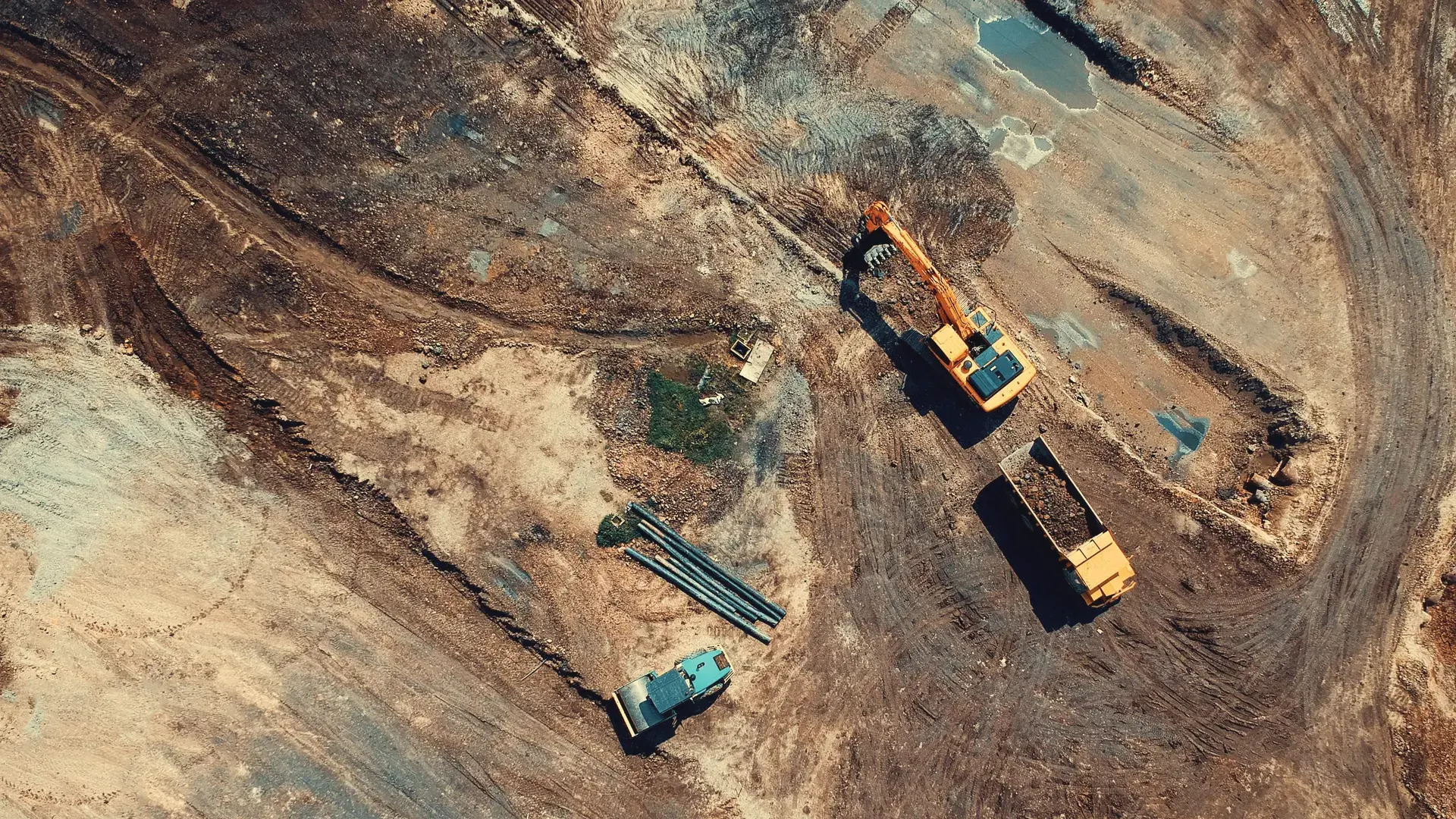
No completion certificate for an ordinary home. Section 32 lists the controlled-use buildings that may not be used until the local official has inspected the finished work and issued a certificate, which the 2021 regulation calls Form Or. 5: warehouses, hotels, condominiums, medical facilities, and buildings for commerce, industry, education, public health or other undertakings named by ministerial regulation. The official has 30 days from the completion notice to inspect, and if no inspection is made in that time the building may be used. A house built as a home is not on that list.
Changing the use later. Section 33 says the owner or occupier of a building that is not a controlled-use building may not use it for one of the section 32 purposes without a permit or notification for the change. That is the rule to check before turning a house into a business on the section 32 list. Renting rooms to guests raises separate questions, covered in our guide to short-term rental laws in Thailand.
The house number. A Bureau of Registration Administration page quotes section 34 of the Civil Registration Act B.E. 2534 as saying that every house has a house number and that the householder of a house without one must ask the registrar for it within fifteen days of the day the house is completed. We read that wording only as a text extract returned by a search, because the page itself opened without its body, so confirm the step and the papers with the registration office for the district. Our guide to the yellow house book and pink ID card covers the house registration book for foreigners.
Keep the permit, the approved drawings and any change permits for good. They are the record that the house was built with approval. Annual tax on the finished house is in our guide to land and building tax.
A checklist for builders and for buyers of a finished house
- Ask the local office first. Does the Building Control Act apply to this plot, and which setback, height and land use rules cover it?
- Settle the land papers. The applicant shows the title document, or the landowner's letter allowing the building. A permit in your name is not a right to the land; a lease or other registered right is a separate step, set out in usufruct and land rights in Thailand and leasehold versus freehold.
- Choose the route. A permit before work starts, or a notification with an architect, an engineer and supervisors from both professions.
- Count the days. 45 days for a decision, with up to two extensions of 45 days. Do not sign a contract that has the builder starting before the permit or the receipt is in hand.
- Name the supervisor in writing. Send the name, the dates and the consent to the local official, and send a new one before work resumes if the supervisor changes.
- Keep a set on site. Permit, site plan, drawings and specifications.
- Watch the expiry date. A house permit runs one year. File the renewal before it ends.
- Get approval for changes. An extra room or floor that is not on the approved drawings needs a permit or notification for the change, unless one of the exceptions in section 31 applies.
- Buying a finished house. Ask the seller for the building permit and the approved drawings and compare them with what stands on the land. An extension with no permit can bring a correction or demolition order under sections 40 to 42. Section 41 addresses its order to the owner of the building, and section 42 to the owner or occupier, the supervisor or the builder. Our house purchase due diligence guide has the wider list.
A lawyer who acts only for you can read the permit file with the title deed before you pay. See hiring a lawyer in Thailand. For a home inside a developer's project, the land allocation permit is a different document, covered in housing estate buyer protections.
Frequently asked questions
Where the Building Control Act B.E. 2522 applies, yes. Section 21 says whoever will construct, modify or relocate a building must obtain a permit from the local official, or notify the local official under section 39 bis. Under section 2 the Act applies to an ordinary house where a Royal Decree covers the locality, or where the land is or once was inside a comprehensive town plan. It is not automatically in force everywhere for a house, so ask the municipality or subdistrict office for the plot before you design anything.
With the local official for the place where the land is. The Act defines that person as the mayor inside a municipality, the Governor of Bangkok in Bangkok, the Mayor of Pattaya City in Pattaya, and the head of the subdistrict administrative organization in a subdistrict area. In Bangkok the citizen manual we read names the Building Control Division of the Public Works Department at City Hall 2 in Din Daeng and the public works section of each district office.
Section 25 of the Act gives the local official 45 days from receiving the application to issue the permit or refuse it in writing with reasons. If there is a necessary cause, the time can be extended up to twice, by up to 45 days each time, with written notice before the current period ends. A Bangkok district manual says its 45 days start once the officer has checked that the documents are complete.
The government fees are small. Under Ministerial Regulation No. 70 of 2021 the construction permit costs 20 baht for a home of no more than two floors and 150 square meters in total, and 200 baht for other buildings. On top of that, Regulation No. 7 charges a plan checking fee per square meter of floor area: 0.50 baht for a building of up to two floors or 12 meters, 2 baht up to three floors or 15 meters, and 4 baht above that. Drawings and professional fees are separate and are not set by these regulations.
For a building under 10,000 square meters, which covers any house, the 2021 ministerial regulation sets the permit term at one year. A first renewal can run for up to the same term. After that the official may renew only if all the foundations are finished or the structure is built for more than ten percent of the permitted building area, and then no more than three more times, one year each. You must apply to renew before the permit expires.
The local official can order the work to stop and bar anyone from using the building. If the breach can be corrected, the official orders the owner to apply for a permit or make corrections within at least 30 days. If it cannot, or the order is ignored, the official can order demolition. Section 65 sets the penalty for building without a permit at up to three months in prison, a fine of up to 60,000 baht, or both, plus up to 10,000 baht a day while the breach continues.
The sections of the Act and the 2021 regulation that we read say whoever will build must apply, with no nationality condition. A Bangkok district manual says a person who does not hold Thai nationality shows a copy of the passport in place of the ID card. Where the applicant does not own the land, the same manual asks for the landowner's letter allowing a building on the land. We found no statement on this from the Department of Public Works and Town and Country Planning or the Department of Lands, and a permit is not a land right.
Yes, the notification route in sections 39 bis and 39 ter. You file the plans with the names and license copies of an architect, a civil engineer and supervisors from both professions, and pay the plan checking fee. The official issues a receipt within three working days and work can start on the day you receive it. The official then has 120 days to object in writing. This route needs the professionals even for a small house.
Yes. Section 52 gives an applicant, a permit holder and anyone who receives an order under the Act 30 days from learning of the order to appeal in writing, filed with the local official who made it. The Appeal Committee must decide within 60 days of receiving the appeal. If you disagree with its decision you have 30 days from being notified to bring the case to court.
Section 32 requires a certificate before use only for controlled-use buildings: warehouses, hotels, condominiums, medical facilities and buildings for commerce, industry, education, public health or other undertakings named by ministerial regulation. An ordinary home is not on that list. Using a house for one of those purposes later needs a permit or notification for the change of use under section 33.
Plan the build before you pay for the land
The permit follows the plot. Check the title, the access and the local building rules first, then price the house.
General information only, not legal advice. The Building Control Act B.E. 2522 and the 2021 ministerial regulation on permit applications were opened on 14 November 2026 in the consolidated Thai text of the Office of the Council of State. Ministerial Regulation No. 7 was read in a copy on a subdistrict website and No. 70 in a Gazette scan hosted by the Real Estate Information Center, in which three amounts are damaged and were read against the same scan's renewal clause and the Act's schedule. The Bangkok manual is undated and was used for its document list, filing offices and processing steps, not for fees. Section 34 of the Civil Registration Act was read only as a text extract returned by a search. We did not open the regulations that set when an architect or engineer is required, a list of the areas the Act covers, or any local setback, height or land use rule. The English is our own summary. Local offices apply these rules to each plot, so confirm every step with the office for your land.
Sources
- Building Control Act B.E. 2522 (Thai, latest consolidated text, in force): s.2 where the Act applies, s.4 definitions, ss.21 and 22 permits, s.25 the 45-day limit, ss.26 to 31 professionals, supervisor and approved plans, ss.32 and 33 controlled-use buildings, ss.35 to 39 life, transfer and loss of a permit, ss.39 bis and 39 ter notification, ss.40 to 43 orders, s.52 appeal, ss.65 to 74 penalties and settlement, and the annexed fee schedule ↗Office of the Council of State (law index entry with the consolidated text) · Accessed 14 November 2026
- Ministerial Regulation B.E. 2564 on applying for permits, permitting, renewal, transfer, certificates and substitutes under the building control law (Thai, in force, gazetted 19 March 2021): clause 2 Form Kor. 1 and the sketch plan rule for small buildings, clause 5 permit terms, clauses 9 to 11 renewal, clauses 16 to 18 drawings and electronic filing ↗Office of the Council of State (law index entry with the consolidated text) · Accessed 14 November 2026
- Ministerial Regulation No. 7 (B.E. 2528) under the Building Control Act (Thai, 3 pages): clause 3 plan checking fees per square meter, and the original clauses 1 and 2 later replaced by Regulation No. 70 ↗Ministry of Interior, copy published by Ban Wan Subdistrict Municipality · Accessed 14 November 2026
- Ministerial Regulation No. 70 (B.E. 2564) under the Building Control Act (Thai, Gazette scan, 3 pages; three amounts are damaged in the scan): permit and renewal fees of 20 baht for small homes and 200 baht for other buildings ↗Ministry of Interior, Gazette scan hosted by the Real Estate Information Center · Accessed 14 November 2026
- Notice of 24 June 2021 on Ministerial Regulation No. 70 (Thai): a local summary of the two fee classes ↗Nong Mai Sung Subdistrict Administrative Organization, Phra Nakhon Si Ayutthaya · Accessed 14 November 2026
- Citizen manual for a permit to construct, modify or demolish a building, Form Kor. 1 (Thai, 12 pages, undated; its fee table predates Regulation No. 70): documents, the 45-day processing time and where to file in Bangkok ↗Bangkok Metropolitan Administration, Sai Mai District Office, on the Official Information Commission document center · Accessed 14 November 2026
- Civil registration questions and answers for May 2025 (Thai): section 34 of the Civil Registration Act B.E. 2534 on asking for a house number within fifteen days of completion; read as a search extract, not in full ↗Bureau of Registration Administration call center 1548, Department of Provincial Administration · Accessed 14 November 2026
Official primary sources are listed above with the date we last checked them. Thai rules, fees, thresholds and procedures change and can be applied differently by individual offices and embassies, confirm the current requirement with the responsible authority before relying on it. General information only, not legal, tax or medical advice. BAANLYY never takes paid placement in editorial content.