
Should I move to Thailand?
Answer a short set of questions and get a Move Score for cities we can actually back with data.
Try it free →The Andaman island with a real airport, hospitals and schools. A practical, unbiased guide to the cost of living, where to live, renting, visas, scooters, healthcare — and the monsoon and rip currents to plan around.
Phuket is the Andaman island people mean when they search for “moving to Phuket.” It is Thailand's largest island and the only beach destination with a full international airport, a cluster of private hospitals, international schools from early years through the IB Diploma, and a rental market that runs from inland 1-beds to northwest pool villas. You can live a beach life here without giving up a hospital ER or a school bus. That combination is why families, retirees and remote workers stay after the holiday ends.
The honest pitch is island living with infrastructure, not a bargain. Everyday goods, fuel and Western dining carry a small island premium. There is no metro. A scooter or a car is close to essential. The southwest monsoon is a real season, not a light shower. If you want rail and a two-airport capital, that is Bangkok. If you want a cheaper Gulf beach with a motorway to Suvarnabhumi, that is Pattaya. Phuket is the move when the Andaman coast is the point and you are willing to pay for it.
These figures are the 2026 guide ranges already published on our Phuket cost of living page (about THB 35–36 = USD 1). They are not a quote. A solo digital nomad on a scooter, mostly local food, in a value or popular-beach area is printed as THB 50,000–75,000 a month (about USD 1,400–2,100). A couple near a good beach is THB 90,000–140,000. A family of four with a car and international school is THB 190,000–340,000. Phuket runs a touch higher than Bangkok for everyday goods because it is an island. Rent in Phuket Town or Chalong can still undercut central Bangkok; a Bang Tao sea-view does not.
Inside those totals, the same page prints a solo 1-bed at THB 16,000–28,000, food at THB 13,000–18,000, scooter, petrol and occasional Grab at THB 3,500–5,500, utilities, internet and mobile at THB 3,000–5,000, coworking, gym and leisure at THB 7,000–11,000, and an amortized health-insurance sample of THB 4,000–7,000. A couple's housing line is THB 28,000–55,000; a family 2–3 bed or small villa is THB 45,000–95,000. A local Thai meal is THB 50–100; a casual restaurant THB 130–280; a mid-range dinner for two THB 700–1,400. Home fiber is THB 600–900. A long-term scooter is THB 2,500–4,000.
Eat Thai, ride a scooter and rent inland or near a popular beach and the island is livable on a remote-work income. Beach clubs, imported groceries and a Laguna villa change the math. The national comparison is the cost of living in Thailand guide. A monthly living total is not a visa bank-balance test.
Patong is the high-energy west-coast bay: Bangla Road, Jungceylon, the deepest rental stock and the loudest nights. Many long-stayers use it for access and live elsewhere. Kata and Karon are the next bays south — still tourist, calmer than Patong, with a long beach and a mix of condos and hillside homes. Rawai and Nai Harn are the southern long-stay belt: lower intensity, a settled expat scene, and some of the island's better value for a beach-adjacent 1-bed.
Chalong is the southern inland hub — pier, ring road, services, and a practical base if you do not need sand on the doorstep. Kathu, inland behind Patong, is the value and school-side suburb (Kajonkiet and QSI sit here); we do not yet have a dedicated Kathu area page. Bang Tao and the Laguna / Cherngtalay belt are the prime northwest: beach clubs, resort condos, and the highest long-term 1-bed ranges on the island. Phuket Town is the provincial capital — Old Town cafes, hospitals, immigration, and inland rents.
Pick by daily rhythm, not by a holiday memory. Nightlife and walkable beach: Patong, with eyes open. Beach-town living without Bangla: Kata or Karon. Long-stay community and value: Rawai, Nai Harn, Chalong or Kathu. Family and luxury northwest: Bang Tao / Laguna. City services and a scooter commute to the west coast: Phuket Town. The area index is on the Phuket hub.
Foreigners can rent any property type. Our Phuket rental market page prints long-term 1-bed guide ranges as THB 10,000–18,000 in Phuket Town / Kathu, THB 11,000–19,000 in Chalong / Wichit, THB 14,000–25,000 in Rawai / Nai Harn, THB 15,000–28,000 in Kata / Karon, THB 14,000–28,000 in Patong, and THB 22,000–45,000 in Bang Tao / Laguna / Cherngtalay. Two-beds and villas sit well above those lines. These are 6–12 month rates. High-season monthly lets can run 40–100% above the green-season number. Live stock is on Phuket residences.
A standard long-term lease asks for two months' rent as a refundable deposit plus one month in advance — about three months' rent to move in. Twelve months unlocks the best monthly rate. The landlord usually pays the agent on a 12-month lease. Condos and most villas marketed to foreigners come furnished. Confirm fiber at the specific villa before you sign; island coverage is uneven outside the main towns. Ask who pays the common fee and whether electricity is metered at a markup.
Do not rent a west-coast sea-view for a year after a January holiday. Visit in the southwest monsoon if that is when you will actually live here. A 3–6 month first lease in Rawai, Chalong or Phuket Town is a cheaper way to learn the island than a Laguna villa you cannot get out of. The condo office or landlord should file the TM30; keep the receipt.
The visa is national. Phuket Town holds the island immigration office, so 90-day reports and extensions do not require a mainland trip. Figures below are those already printed on our visa guides, read from the official pages named here on 31 October 2026. Confirm them on the government page before you apply.
The Destination Thailand Visa (DTV) is the remote-work route: five years, multiple entry, 180 days per entry. The Ministry of Foreign Affairs checklist asks for a bank statement for the last 3 months with an ending balance of no less than THB 500,000. Apply at thaievisa.go.th. The LTR is the ten-year Board of Investment visa; categories and money tests are on ltr.boi.go.th. Retirement (age 50+) is the Non-O / O-A / O-X family. The Washington D.C. embassy O-A page asks for a bank deposit of no less than 800,000 baht in the last three months, or monthly income of not less than 65,000 baht, or a combination totaling not less than 800,000 baht in one year. O-A and O-X also require health insurance at published benefit floors. The in-country extension fee in the Immigration Bureau handbook is 1,900 baht.
The education (ED) visa is for study only — the London embassy page is the official walkthrough we cite. A Thai job needs a Non-B visa plus a work permit; the Ministry of Foreign Affairs publishes the Non-B fee as 2,000 baht single entry or 5,000 baht multiple entry. File the TM30 on arrival. Keep up with 90-day reporting unless your visa relaxes it. A tourist or visa-exempt stay is for scouting. The exemption for listed nationalities became 30 days on 15 September 2026.
There is no train. Distances on the ring road add up. Most residents rent a scooter (THB 2,500–4,000 a month on our cost page, plus THB 300–600 of petrol) and use Grab or Bolt for rain, nights and airport runs. A short Grab is THB 100–200; Rawai to the airport is printed as THB 600–1,000. Blue songthaews still run some routes at THB 30–50. The Phuket Smart Bus links the airport and the west coast at THB 50–170. A small long-term car is THB 12,000–20,000 a month. The getting around Phuket guide is the longer version.
Phuket International Airport (HKT) sits in the north, near Bang Tao and Mai Khao. Transfer time is where you live: about 20–30 minutes to the northwest beaches, 45–60 minutes to Patong, Kata and Phuket Town, and an hour-plus to Rawai. Use the airport taxi desk, the Smart Bus, or a pre-booked Grab from the marked pickup. Airports of Thailand lists Phuket among the six airports it operates. Drive carefully. Hill sois and the bypass see a high rate of scooter accidents, especially in the rain and at night.
For an island, the private bench is strong and clustered around Phuket Town. Named hospitals we already use on city pages: Bangkok Hospital Phuket (Hongyok Utis Road, Muang), Bangkok Hospital Siriroj (Chalermprakiat Road), Dibuk Hospital and Mission Hospital, plus the government trauma center at Vachira Phuket Hospital. Patong Hospital covers the west-coast beaches; Thalang Hospital covers the north toward Bang Tao and the airport. English-speaking international desks are the reason most expats start at the private town campuses.
Routine and most acute care is handled on-island. For highly specialized treatment, patients still fly to Bangkok. Carry comprehensive private insurance; some visas require it at published benefit floors. The THB 4,000–7,000 solo line inside our Phuket monthly budget is an amortized sample, not an insurer quote. The overview is Phuket healthcare and healthcare and insurance.
Choose the school, then the side of the island. Named campuses on our Phuket schools page include UWC Thailand (Thepkasattri, Thalang — full IB, day and boarding), British International School Phuket / BISP (Koh Kaew, British to IGCSE then IB Diploma or BTEC), QSI International School of Phuket (Kathu, American mastery-based), Headstart International School (Phuket Town and Cherng Talay, British), Kajonkiet International School (Kathu, British), International School of Phuket (Rawai, Cambridge to Key Stage 3 only), Lighthouse International School (Rawai secondary and Chalong kindergarten) and Berda Claude International School (Chalong, Cambridge or French IFS).
BISP is in Koh Kaew, closer to Phuket Town and Kathu than to Bang Tao, despite how northwest marketing sometimes groups it. UWC is the IB campus nearest the airport and Layan. Headstart's Cherngtalay campus is the northwest Headstart; the larger campus is in Vichit near town. Confirm current fees with admissions — we do not invent a tuition schedule here. Island traffic makes a 40-minute school run feel longer in the rain. Live on the same side of the island as the campus if you can.
Home fiber from AIS, True or 3BB is solid in the main towns and beach belts. Our Phuket cost page prints 300–1000 Mbps at THB 600–900 a month and a mobile plan at THB 300–600. A coworking hot desk is printed as THB 3,500–7,000. Always confirm fiber at a specific villa before you sign; coverage thins out on hillsides and in smaller sois. Keep a mobile-data backup for rainy-season outages.
The dedicated scene is smaller than Bangkok or Chiang Mai. Spaces we already name on the Phuket coworking guide include Garage Society at Lub d Patong, Hatch in Phuket Old Town, The Project in Rawai, and Regus / Spaces at Royal Phuket Marina. Rawai and Nai Harn hold the long-stay nomad cluster; Bang Tao and Laguna lean on resort cafes. LINE, Grab and a bank app still run daily life. The setup walkthrough is SIM and internet and internet and SIM in Phuket.
The Andaman southwest monsoon runs roughly May to October. Seas get rough, some west-coast swimming is a bad idea, boat trips cancel, and rain can sit for days. November to April is the high season: hot, dry, busier and more expensive. Phuket's wet timing is the reverse of Koh Samui's northeast monsoon. Visit in the months you plan to live through. A January week is not evidence that you will like August.
Rip currents on west-coast beaches kill swimmers every year, including strong swimmers on days that look fine from a sunbed. Swim between the flags, read the beach warning flags, and treat Patong, Karon and Kata as surf beaches in the monsoon, not pools. Scooter crashes are the other island statistic. The lifestyle cost is logistics: supply runs, higher imported prices, and a touch of island fever. If you need a metro, a two-airport week and specialist healthcare on the same day, you want Bangkok.
Open a Thai account once you have a long-stay visa. Bangkok Bank, Kasikornbank and SCB branches in Phuket Town, Central Festival and the main beach malls see foreigners often; a small inland branch may not. Bring passport, visa and a Thai address. Set up the app and PromptPay at the counter. The walkthrough is how to open a Thai bank account and banking in Phuket.
Buy a tourist SIM at HKT on arrival — passport required — then switch to a monthly AIS or True plan. LINE is how landlords, villa staff and drivers write. Grab coverage is thinner than Bangkok but usable in the main belts. The national setup is SIM and internet.
Remote work is workable if you base in a town with fiber and treat the scooter as your commute. Rawai, Phuket Town and parts of Kata have enough cafes and a few desks. The in-person nomad scene is thinner than Chiang Mai; the compensation is the sea. The DTV is the visa most laptop workers ask about. A Thai employer still means Non-B plus a work permit.
Families should lock the school first. Northwest living near UWC or Headstart Cherngtalay is a different island from a Rawai villa near ISP. Retirees often choose Rawai, Nai Harn, Chalong or Phuket Town for hospitals and a quieter year. The first month is setup: TM30, SIM, scooter or car, nearest hospital, and a decision about whether the bay you landed in is the one you want when the rain starts. The Phuket city hub holds the rest of the local guides.
Skip Phuket if you need the lowest monthly number, a metro, or a large in-person nomad scene. Skip it if you will not ride a scooter or pay for Grab, and if a five-month monsoon sounds like a deal-breaker. Patong after dark is not the same island as Nai Harn on a Tuesday morning — read the bay, not the word Phuket. Over-tourism in high season is real on the west coast.
If you want services without the island premium, Bangkok is the clearer fit. If you want a cheaper mainland beach and a motorway to Suvarnabhumi, that is Pattaya. If you want nature-first Andaman without Phuket's crowds, look at Krabi. Phuket is the right move when the Andaman coast is the reason you came, and you can live with scooters, rain and island prices.
Last checked 5 November 2026
Visa, tax and immigration figures are those already printed on BAANLYY visa guides, read from the official Thai government pages named above on 31 October 2026. Cost and rent ranges are the figures already printed on our Phuket cost-of-living and rental-market pages, read 5 November 2026. They are not landlord, insurer or school quotes. General information only — not legal, immigration, tax or medical advice. Confirm current requirements with the official source or a licensed specialist before acting. BAANLYY never takes paid placement.
Map your budget and visa route, then find the right area and home.
Photo: French Sweetie via Pexels. General information only — not legal, immigration, tax or medical advice. Costs, visa rules and requirements change and depend on your situation; confirm current requirements with official Thai government sources or a licensed specialist before acting. BAANLYY never takes paid placement.
BAANLYY
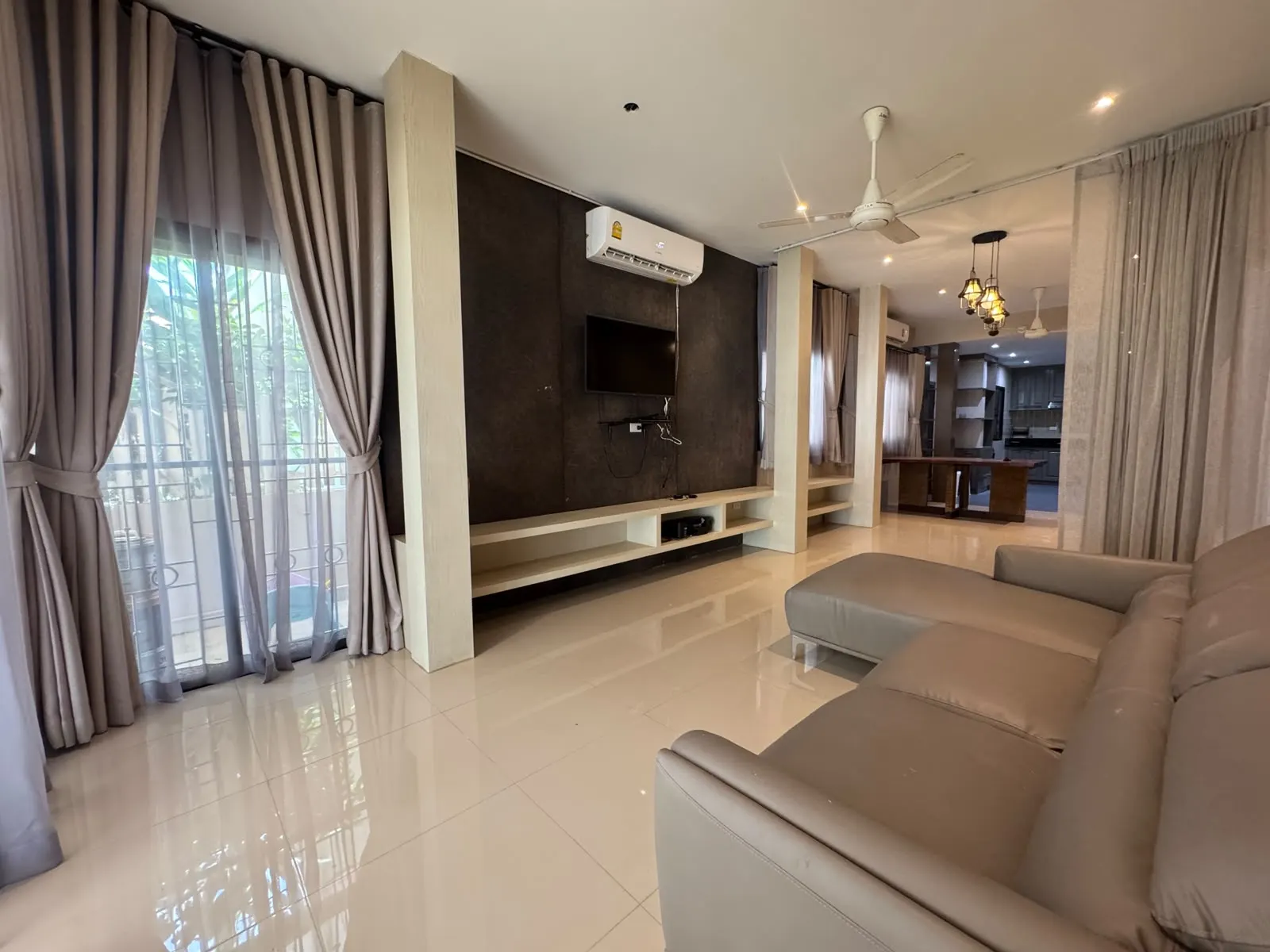
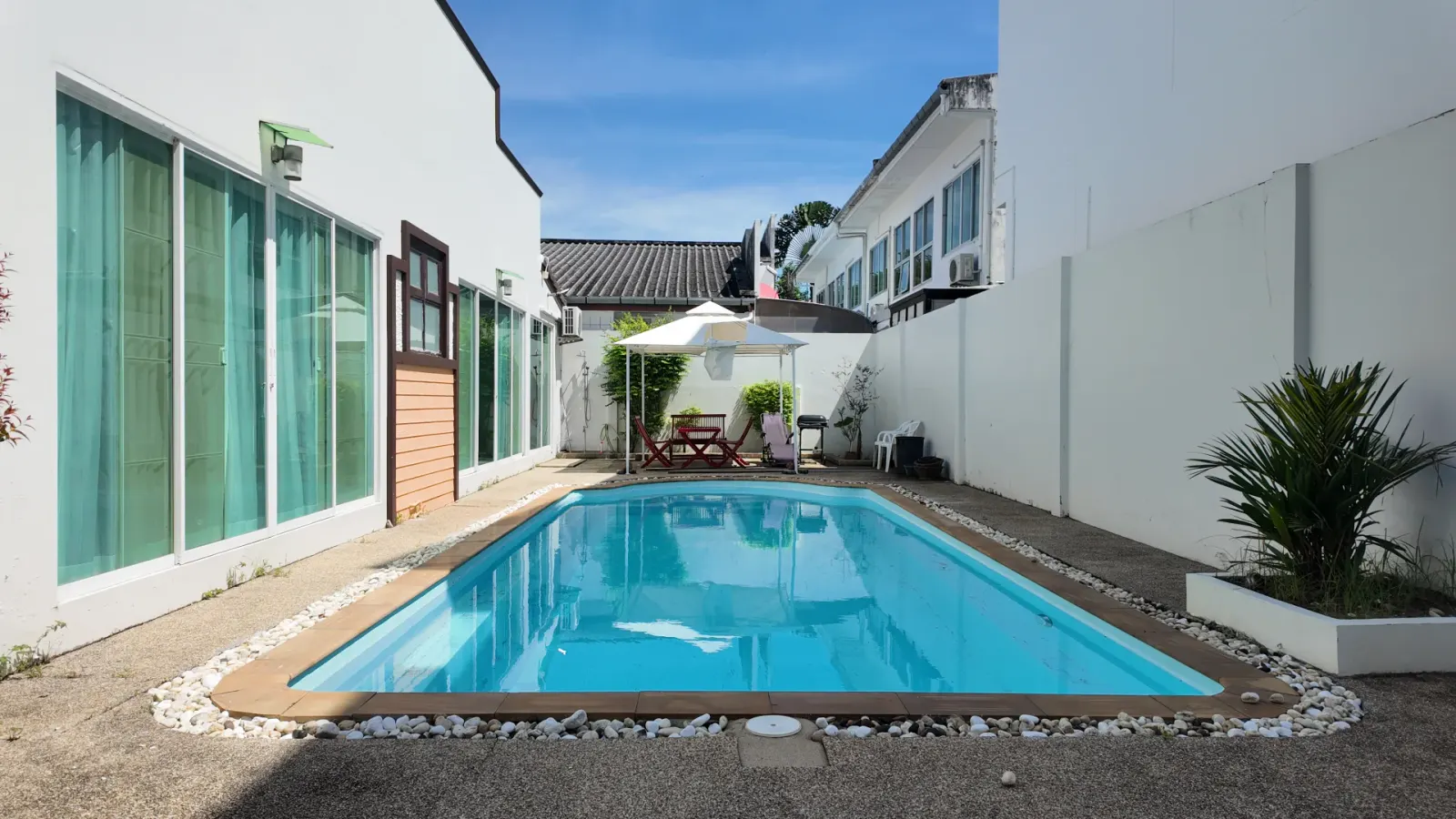
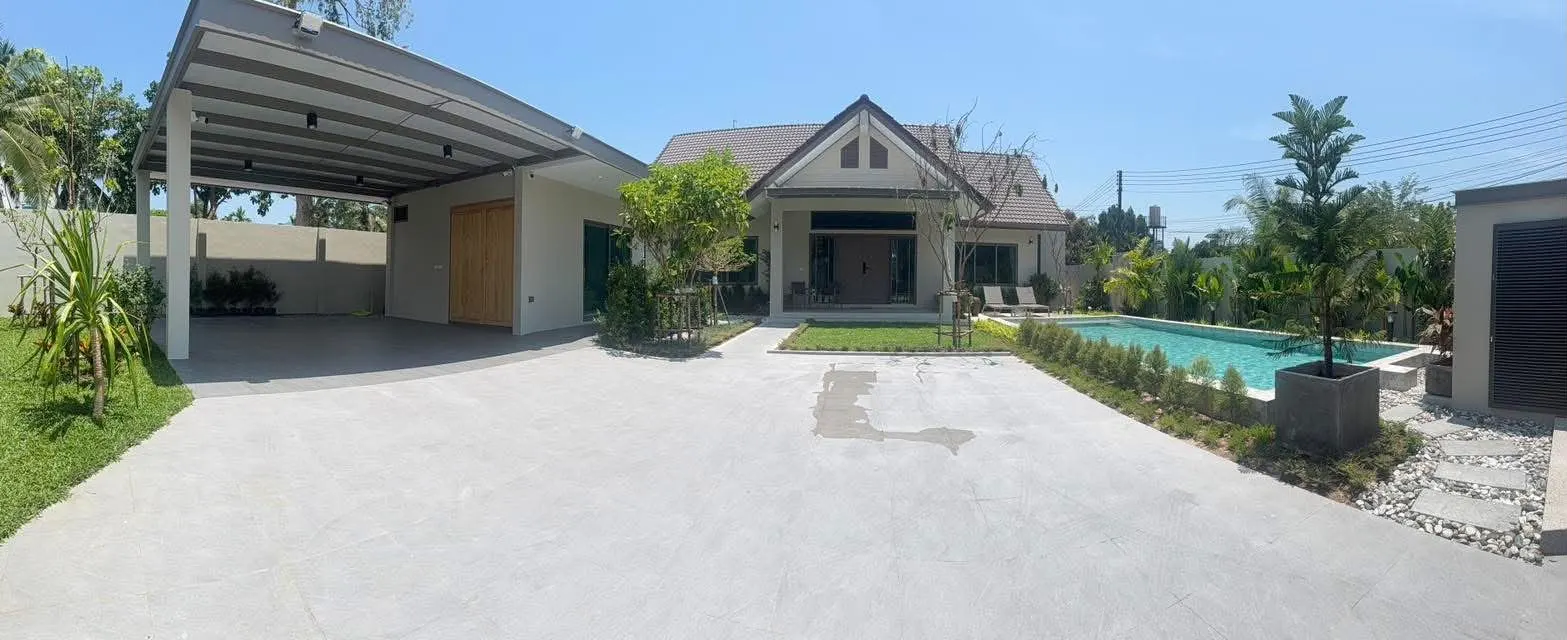
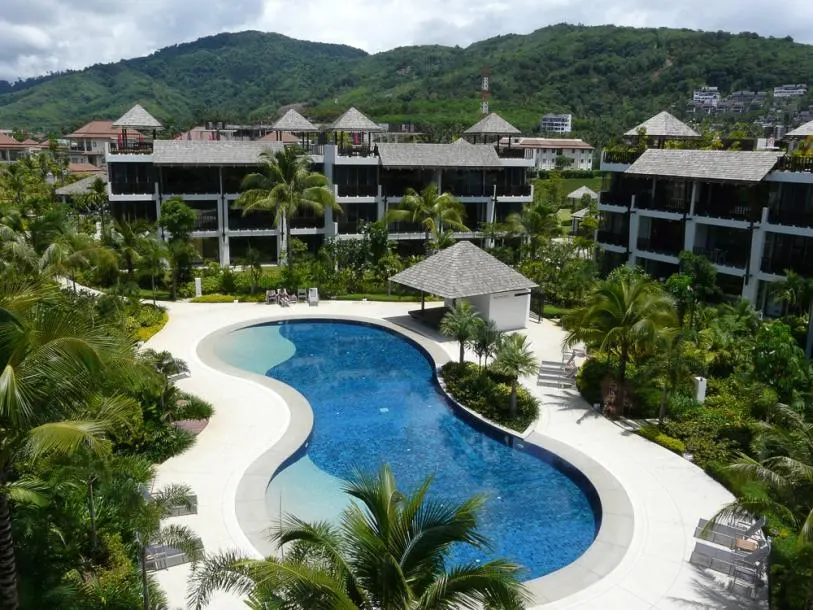
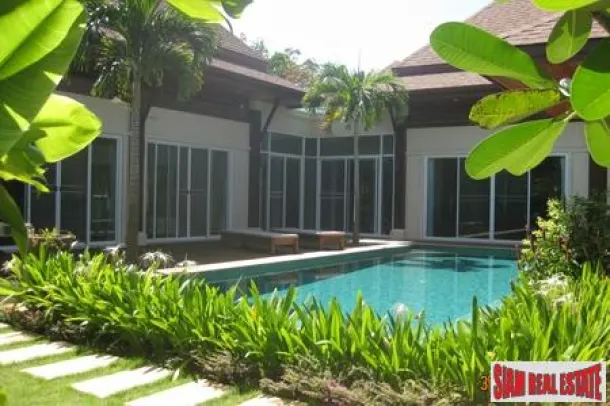
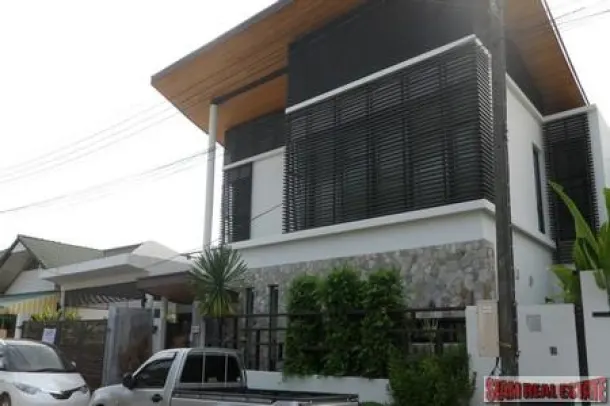
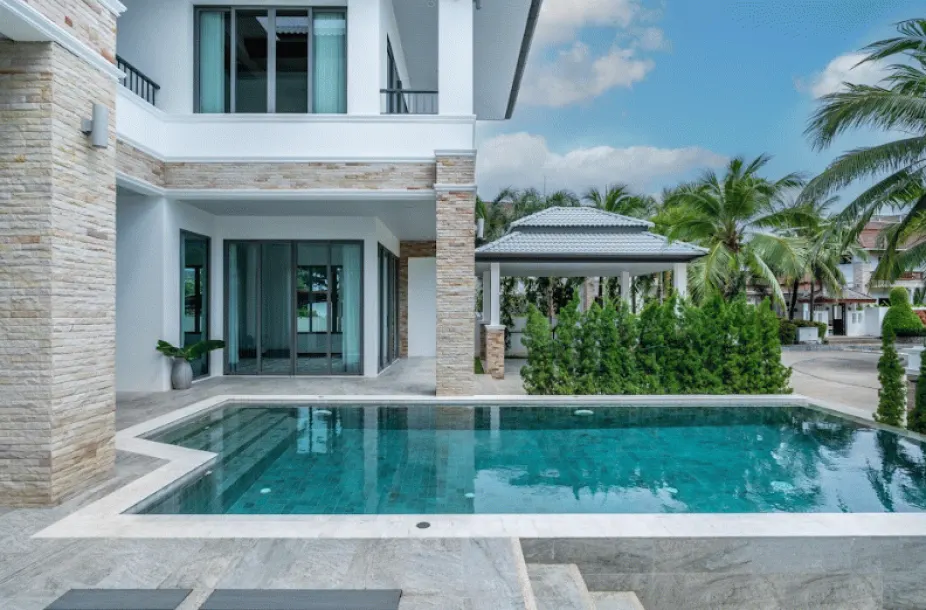
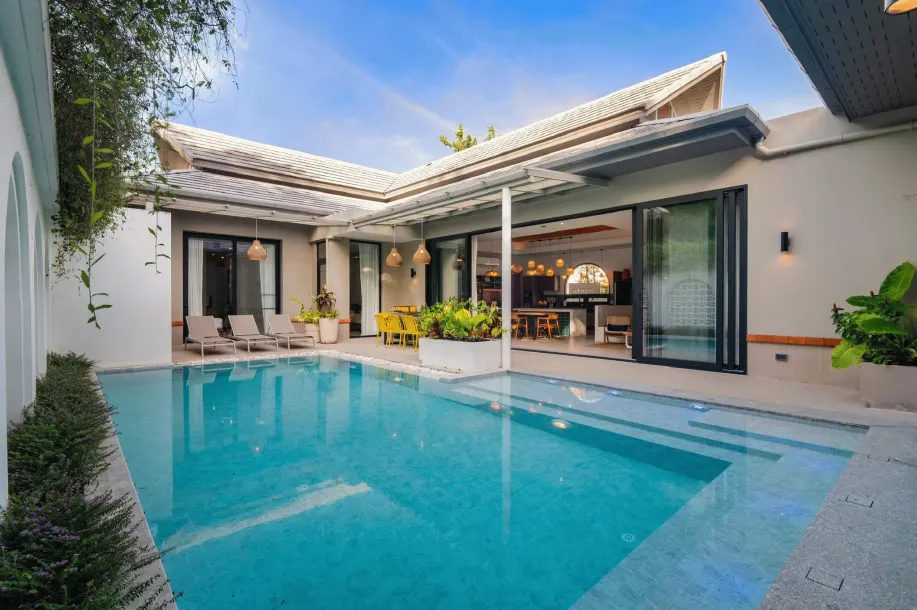
These homes are listed on BAANLYY right now. Each card shows a photo, the price and the bedrooms.

Free tools for this
Answer a short set of questions and get a Move Score for cities we can actually back with data.
Try it free →
A step-by-step checklist: city, visa, housing, budget and timeline, then the right guide for each.
Try it free →
Interactive, progress-tracked checklist from visa to first 30 days.
Try it free →