Samut Prakan doesn't have its own dedicated expat Facebook group, and doesn't really need one, because the BTS Sukhumvit Line and MRT Yellow Line put most residents one stop from Bangkok's much larger foreign community. This guide is honest about that and maps out where local connections actually happen: Bangkok-wide groups, workplace networks, and the coworking cafes and Mega Bangna cluster where long-stay residents cross paths.
Samut Prakan is Bangkok's southern industrial neighbor, not a stand-alone expat destination, its foreign population is small and work-focused, drawn mainly by manufacturing, logistics and port-sector jobs, proximity to Suvarnabhumi Airport, and lower costs than central Bangkok. What makes it different from other secondary Thai provinces is transit: the BTS Sukhumvit Line extends to Kheha and the MRT Yellow Line runs Samrong to Lat Phrao, so residents here are functionally plugged into Bangkok's much larger expat scene rather than needing to build a separate one from scratch. This guide is honest about what does and doesn't exist locally, and shows how long-stay foreign residents actually build a social circle in the province.
BAANLYY could not find an active, dedicated "Samut Prakan Expats" Facebook group comparable to what exists for Bangkok, Chiang Mai or Phuket. That's not surprising: Samut Prakan is administratively its own province but functionally an extension of Bangkok's southern suburbs, so its small foreign population tends to fold into Bangkok-wide groups rather than forming a separate local one.
Because the BTS Sukhumvit Line runs straight into central Bangkok and the MRT Yellow Line connects Samrong to Lat Phrao, most Samut Prakan residents are effectively part of the Bangkok expat scene rather than a separate one. Large groups such as "Bangkok Expats" and "Expats in Thailand" are the realistic starting point, search or post for "Samut Prakan," "Samrong," "Bang Na," or "Mega Bangna" to find others living along the same corridor.
ASEAN Now's Bangkok and general immigration/visa forums carry years of accumulated, area-relevant advice, banking, TM30, 90-day reporting and condo leases, that applies directly to Samut Prakan given its shared infrastructure with Bangkok. There's no dedicated Samut Prakan sub-forum, so search within the Bangkok and visa/immigration boards.
Samut Prakan's economy runs on manufacturing, petrochemicals, logistics and port operations, and a meaningful share of its foreign residents are here through corporate assignments in those industries rather than as retirees or digital nomads. For that group, colleague networks and company-arranged housing/relocation contacts are often the fastest way to connect, worth asking your employer or relocation agent before searching Facebook cold.
Samut Prakan had 1,130 registered Japanese residents as of October 2022, per Japan's Ministry of Foreign Affairs overseas-resident statistics, a small slice of the roughly 78,400 Japanese nationals in Thailand overall, but concentrated rather than scattered: most work at Bangpoo Industrial Estate, established in 1977 on roughly 5,500 rai (about 880 hectares) and built around an automotive and electronics supplier cluster, where Japanese-managed manufacturers are common employers (one verifiable example on current job postings is Thai Nisshin Technomic, which recruits Japanese-speaking staff on site). JETRO (the Japan External Trade Organization) publishes a Japanese-language Bangpoo estate guide for relocating staff, and the two bodies a Japanese professional would realistically use for networking, the Japanese Association in Thailand and the Japanese Chamber of Commerce, Bangkok (JCC Bangkok), are both Bangkok-wide, not Samut Prakan-specific; BAANLYY could not verify a standalone Bangpoo or Samut Prakan chapter of either.
BAANLYY could not independently verify a Samut Prakan-specific Rotary, Lions or similar civic/service club with its own regular meeting venue in the province. Given the province's tight BTS/MRT connection into Bangkok, foreign residents interested in this kind of structured, purpose-driven networking are better served checking Rotary International District 3350 (Bangkok) chapter listings directly, several of which meet a short transit ride from Samut Prakan.
Samut Prakan has an active religious landscape, including Wat Phra Samut Chedi, Wat Asokaram, Masjid Darul Sa'adah and established Catholic and Protestant congregations, that can be a genuine point of social connection for residents of any faith. BAANLYY covers this in full, separately, in the Samut Prakan religious community guide linked below rather than duplicating it here.
IWG's The Metropolis Samrong location (954/1724 Moo 9, Sukhumvit Road, Thepharak) sits a few steps from BTS Samrong, with Regus itself advertising roughly 54 minutes to central Bangkok by public transport, small enough, and used by enough of the same repeat professionals, that becoming a regular is a realistic way to meet other foreign residents working locally rather than commuting daily into Bangkok. IWG's second Samut Prakan location, the OSC Building (99 Moo 5, Kingkaew Road, Racha Thewa, Bang Phli, opposite the Wat Kingkaew bus stop and about 11.6km from Suvarnabhumi Airport), serves the Bang Phli / airport-corridor crowd instead. See BAANLYY's Samut Prakan coworking spaces guide for full details and current pricing.
Mega Bangna, one of Southeast Asia's largest mall complexes, draws both Thai residents and Samut Prakan's foreign community for its international-standard cafes, restaurants and IKEA, it's less a dedicated "expat spot" than the default place everyone in the province ends up on weekends, which makes it a reasonably reliable place to run into other long-stay foreigners doing the same errands.
Away from the mall, Pak Nam and Samrong have smaller independent cafes that serve a more local, everyday crowd. They're not expat-specific, but for residents who prefer a quieter routine over mall culture, becoming a familiar face at one or two of these is a realistic, low-key way to build local ties.
Samut Prakan does not have its own separate, ready-made expat scene, and it doesn't really need one, because it is one BTS or MRT ride from Bangkok's much larger foreign community, embassies, international clubs and social infrastructure. Residents who treat Samut Prakan as a quieter, lower-cost extension of Bangkok rather than a stand-alone expat hub tend to have realistic expectations.
Rather than searching for a Samut Prakan-specific community that doesn't yet exist, most residents get better results joining Bangkok-wide expat Facebook groups, attending a Bangkok Rotary or professional networking event via BTS/MRT, and treating Samut Prakan itself as home base for the quieter, everyday parts of life. Mega Bangna, the local coworking spots and neighborhood cafes.
A significant share of Samut Prakan's foreign residents are here through corporate assignments tied to the province's industrial estates, refineries and port operations near Suvarnabhumi. If that's your situation, colleague and company relocation networks will usually connect you faster than any public Facebook group.
Last checked 8 October 2026
General information only. Facebook groups, clubs and meeting venues change frequently, confirm current details directly before relying on them. BAANLYY is not affiliated with any organisation or group mentioned here.
Compare Samut Prakan-area rentals along the BTS/MRT corridor, then build your circle through the local coworking spots, Mega Bangna and Bangkok's much larger expat scene one stop away.
Hero photo by RDNE Stock project on Pexels. General information only; groups, clubs and venues change, confirm current details before relying on them.
BAANLYY
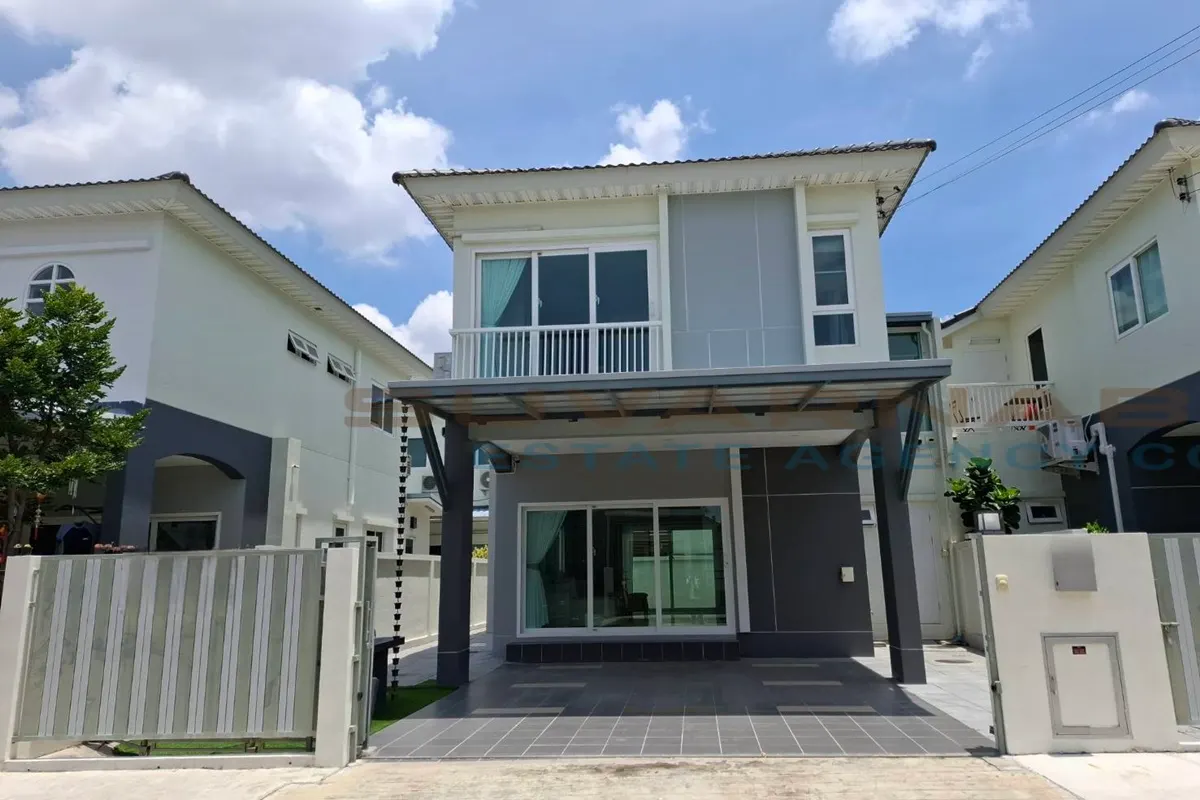
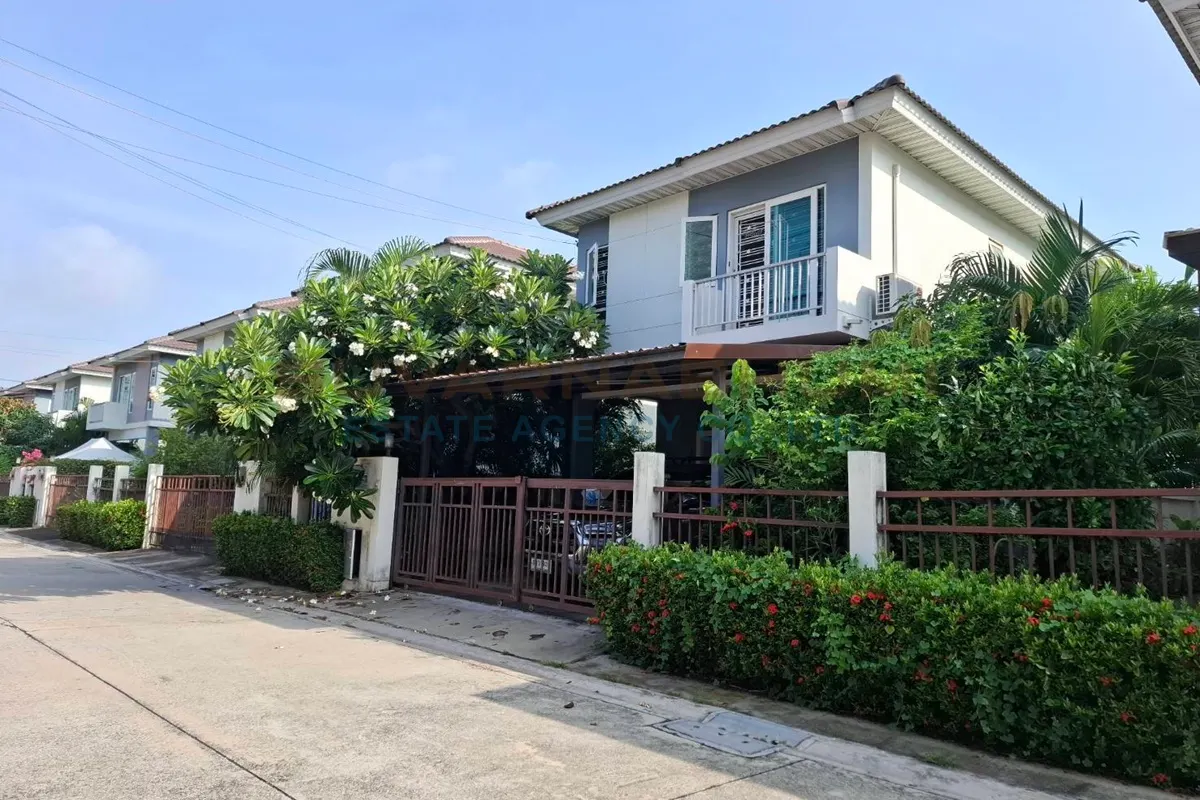
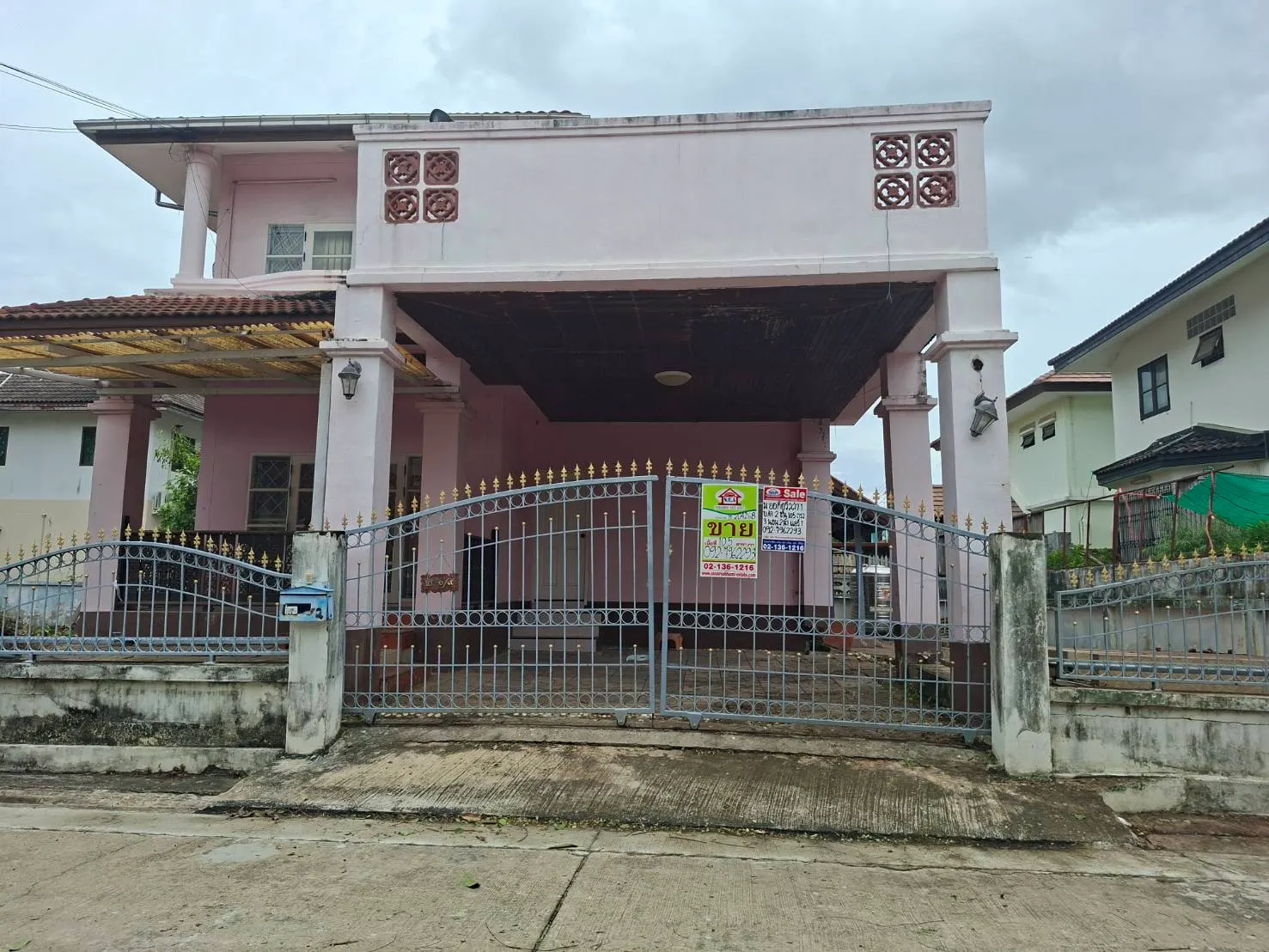
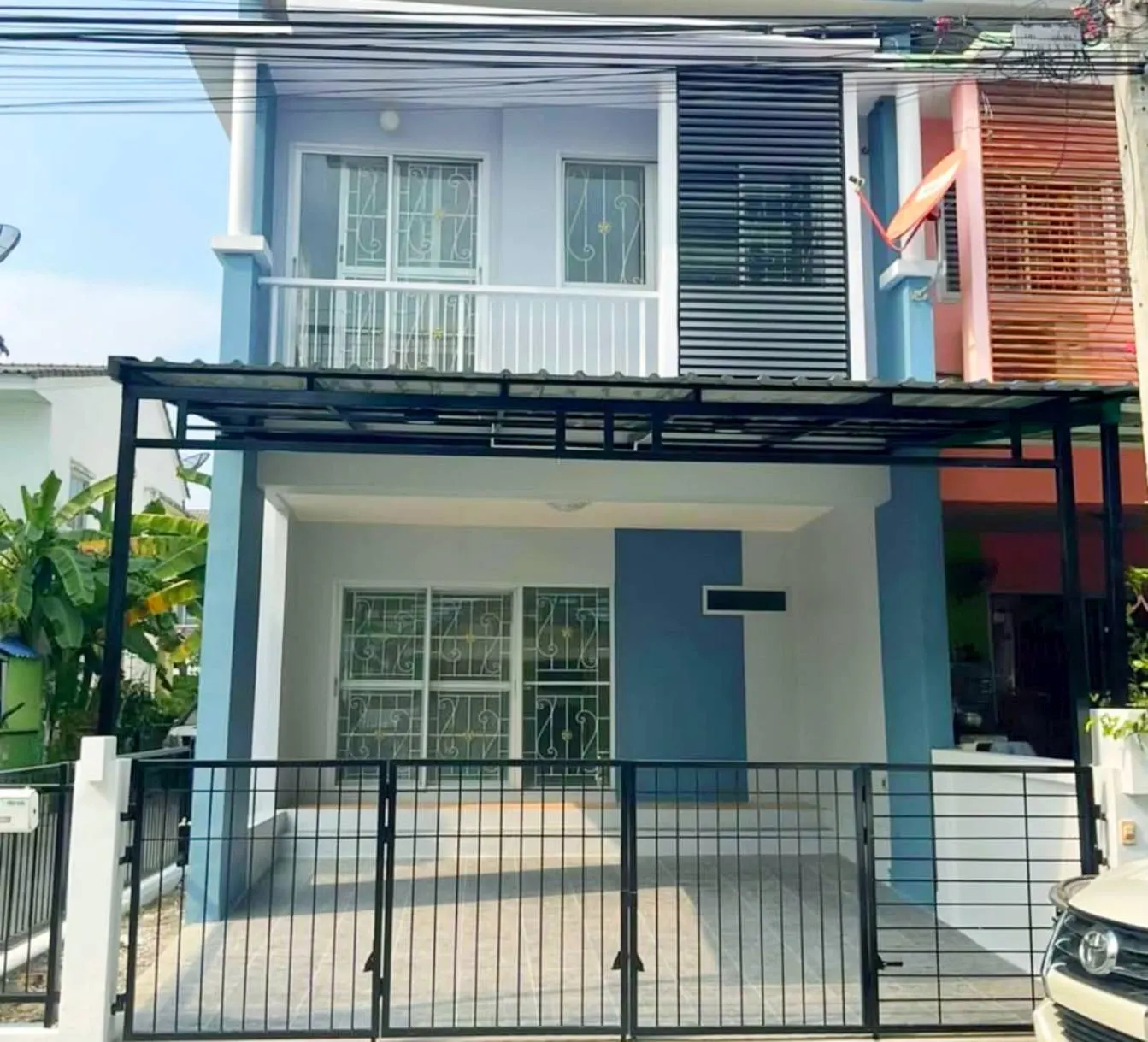
These homes are listed on BAANLYY right now. Each card shows a photo, the price and the bedrooms.